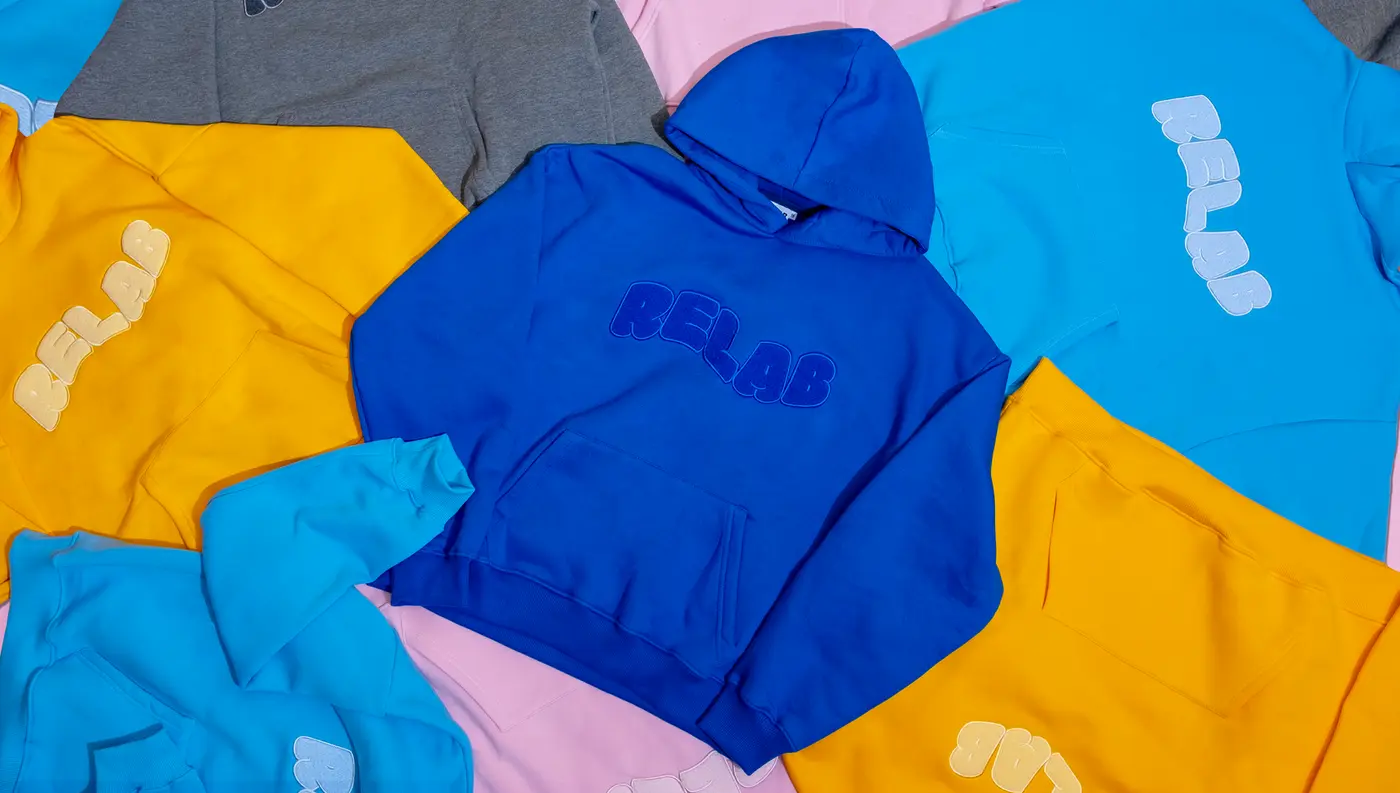
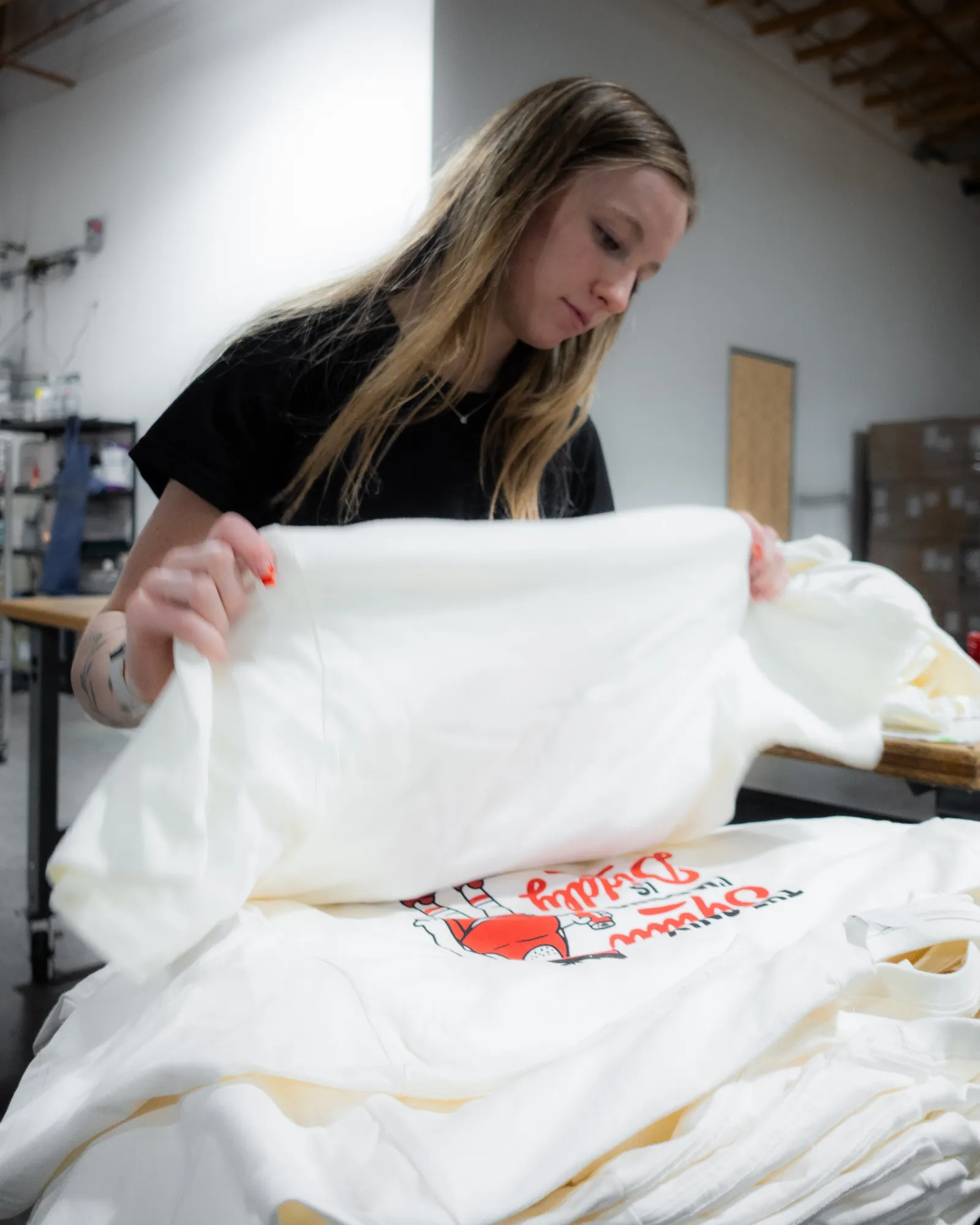
A company apparel store is a private online store where your team, new hires, and customers order approved branded gear on demand. Here's how they work, what to stock, and how to launch one people actually use.

What is a company apparel store?
A company apparel store is a private, on-demand online store where your employees, new hires, and customers order approved, branded apparel and swag whenever they need it. You set the products, logos, and pricing once — everyone else just picks their size and checks out.
Behind that simple checkout, we keep your logo, thread colors, and approved garments on file, so every order comes out matching the last one. Some folks run it as an internal employee store; others open it up so customers, fans, or a congregation can buy in too. Either way, it replaces the old routine of one person chasing sizes in a spreadsheet, fronting the money, and re-figuring-out the order every single time someone new starts.
It's the same idea whether you're a 12-person office, a growing contractor, or a church with a few hundred volunteers: one link, your gear, always on brand. Think of it less like a bulk order and more like a permanent, always-open version of your brand's closet — stocked with exactly the pieces you've approved, and nothing you haven't.
The difference matters more than it sounds. Without a store, branded apparel tends to happen in scattered one-off orders: a batch of polos here, some event tees there, a rush job when a new hire shows up with nothing to wear. Colors drift, logos get resized, and you end up with three slightly different versions of your own brand walking around. A store makes the right version the only version.

How a company apparel store works
Setup is on us. We digitize your logo, lock your thread and ink colors, and load your approved products onto a store that lives at your own link. We mock up each product so you can see the logo placement and colors before anything goes live, and once you approve it, that becomes the standard for every order that follows. No more re-explaining your brand to a new rep or re-approving the same polo twice a year.
From there, your people self-serve. They open the link, pick their pieces and sizes, and check out — on a company allowance, a company card, or their own, depending on how you want to run it. That's the part that changes your week: you stop being the middleman for every T-shirt request, every size swap, and every new-hire scramble. The store fields all of it.
Most stores run on demand, so there's no bulk buy and no inventory sitting in a closet slowly going out of style. We produce as orders come in, or batch them on a schedule for better per-piece pricing — your call, based on volume. Then everything ships straight to each person or location, or waits for local pickup, folded and sorted so it's ready to hand out.
And because your art and colors stay on file, a reorder six months or two years from now matches the first run exactly. That's the quiet superpower of a store: consistency over time, not just consistency in one order. The shirt a new hire gets next spring looks identical to the one their manager got last fall.

The biggest benefits of a company store
Here's why businesses and churches set one up in the first place.
Brand consistency, everywhere
Your mark looks the same on the sales rep's polo, the crew's work shirts, and the tote in a trade-show swag bag. No off-brand colors, no stretched logos, no mystery vendors printing a slightly different version. For multi-location teams that's huge — the Phoenix office and the Denver office pull from the exact same store, so a customer sees one brand no matter which door they walk through. That consistency is the whole reason custom branding works in the first place.
It takes the ordering off your plate
Somebody at your company is currently the unofficial apparel coordinator — collecting sizes, fronting the money, chasing approvals, and sorting a pile of boxes when it all shows up. A store hands that job to software. Requests come in through the store, orders get produced and shipped, and that person gets their week back. No more group emails titled 'SIZES DUE FRIDAY.'
Everyone gets the right size
People pick their own size and fit at checkout, so you're not guessing off a two-year-old spreadsheet or eating the cost of a stack of wrong-size swaps nobody will wear. It also handles the awkward stuff quietly — extended sizes, men's vs. women's cuts, youth sizes for a church's student ministry — everyone just picks what fits them.
Budgets and allowances stay in check
Set a per-employee allowance, cover certain items fully, or let staff pay their own way for extras. You decide who spends what, and the numbers stay predictable instead of turning into a surprise line item at the end of the quarter. It's the difference between 'apparel' being a controlled budget and being a black hole.
No inventory, no minimums
On-demand production means you're not buying 200 shirts up front and hoping the size run works out. Order what you need, when you need it — even a single piece for one new hire. Nothing ties up cash in a storage room, and you never toss a box of last year's sizes that never moved.
Ship anywhere, or pick up local
Remote team or multiple locations? Gear ships to each person or site directly, so a new hire in another state is outfitted without anything routing through headquarters. Local to us? Grab it at the shop. Either way it shows up folded, sorted, and ready to hand out — not a jumbled box you have to sort yourself.
Gear people actually want to wear
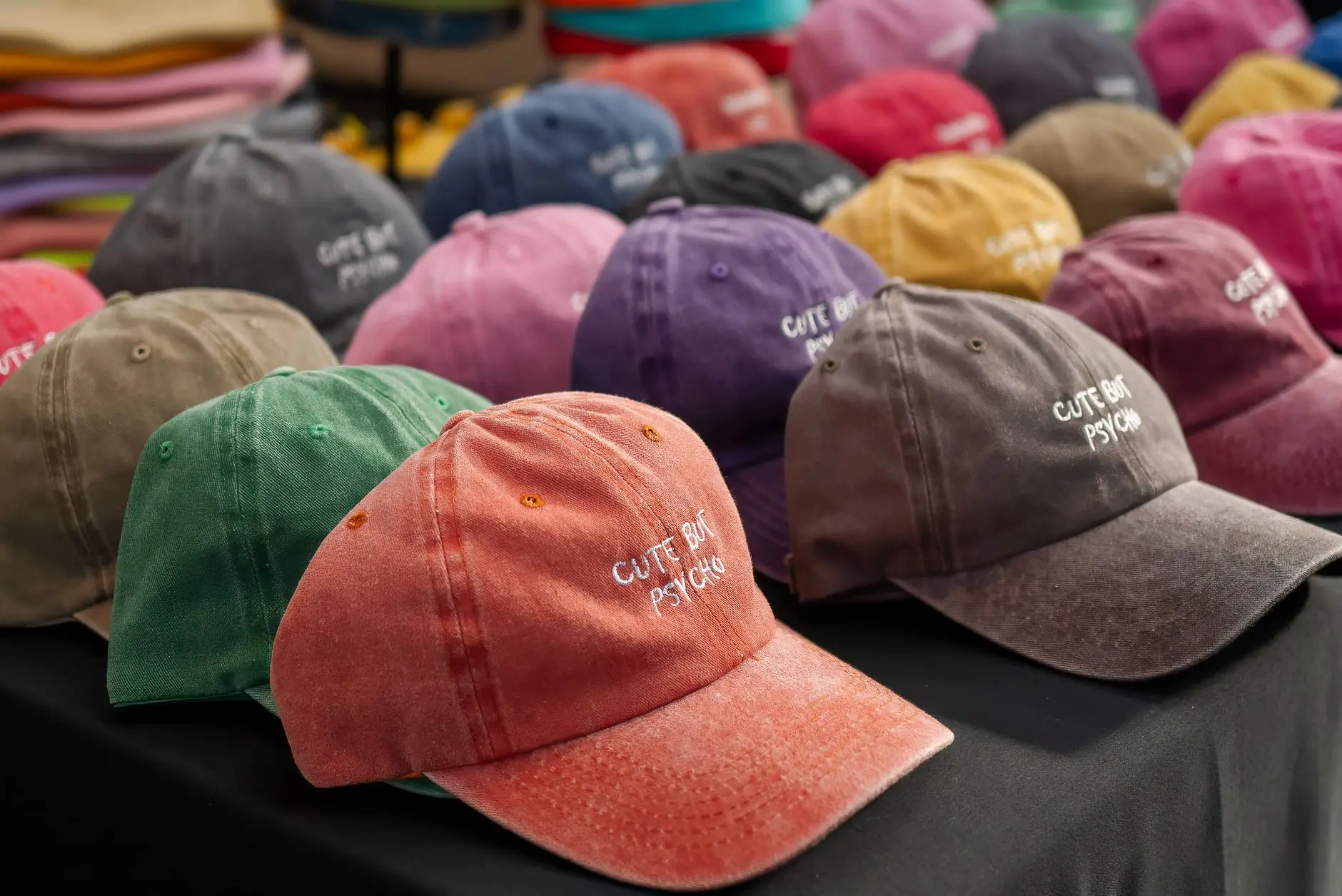
This one's underrated. When the shirts are comfortable and the embroidery looks sharp, people wear them off the clock too — to the gym, the grocery store, the kid's game — and that's free advertising you can't buy. Cheap, scratchy swag just lives in a drawer, which means you paid for branding that nobody sees. Spend a little more on the blank and the decoration, and your team becomes walking billboards happily.
What to put in your company store
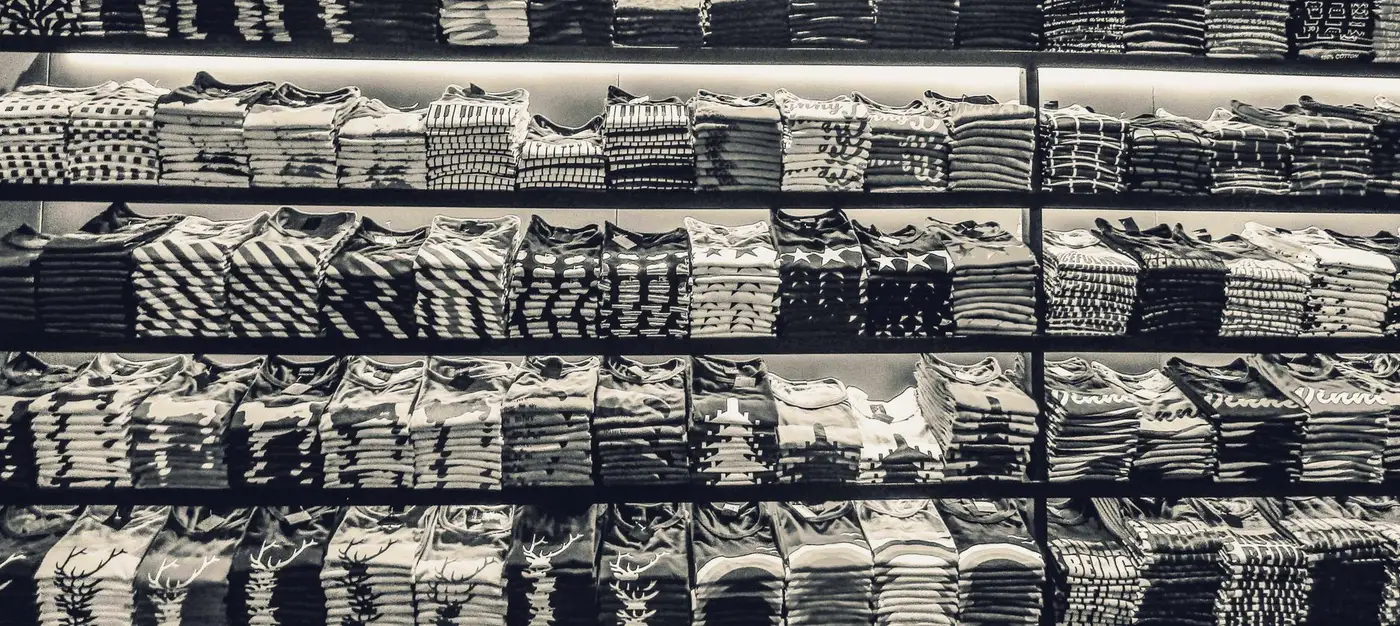
The best company merch lineups are short. Three to six solid pieces beat a catalog of forty nobody can choose from. I'd start with an embroidered polo, a soft tee, a hoodie or quarter-zip, and a cap — then add corporate swag like tumblers, tote bags, and beanies for events and client gifts. For field crews, add custom work uniforms and work shirts with a logo. You can always drop in seasonal or event items later.
A few specifics worth thinking through. On tees, decide between a budget workhorse blank for high-volume giveaways and a softer ring-spun or tri-blend for pieces people wear for years — the fabric is half of whether they actually reach for it. Polos come in cotton, performance poly, and blends, so match it to the environment (a warehouse crew and a front-desk team don't want the same shirt). Caps split into structured and unstructured, and outerwear — quarter-zips, softshells, beanies — tends to be the most-worn, most-appreciated item in the whole store, so it's worth including at least one.
One tip that saves headaches: pick garment brands that'll still be around next year so your reorders match. Nothing sinks a store faster than a hero polo getting discontinued and coming back a half-shade off. When a color does disappear on us, we track down the closest match from another brand — that happens more than you'd think, so it pays to work with a shop that will chase it down for you instead of quietly swapping in whatever's in stock.
Embroidered shirts vs. printed business shirts
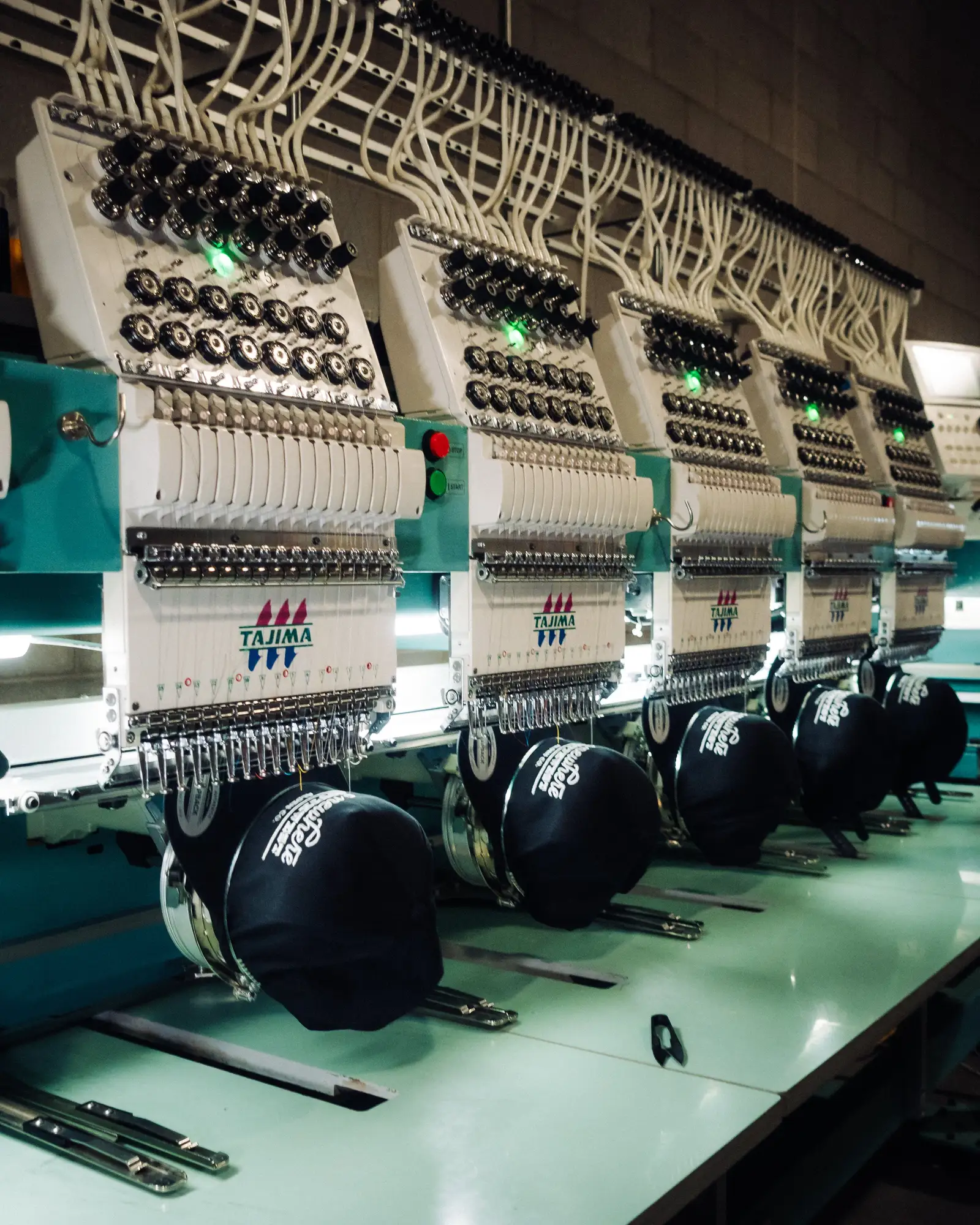
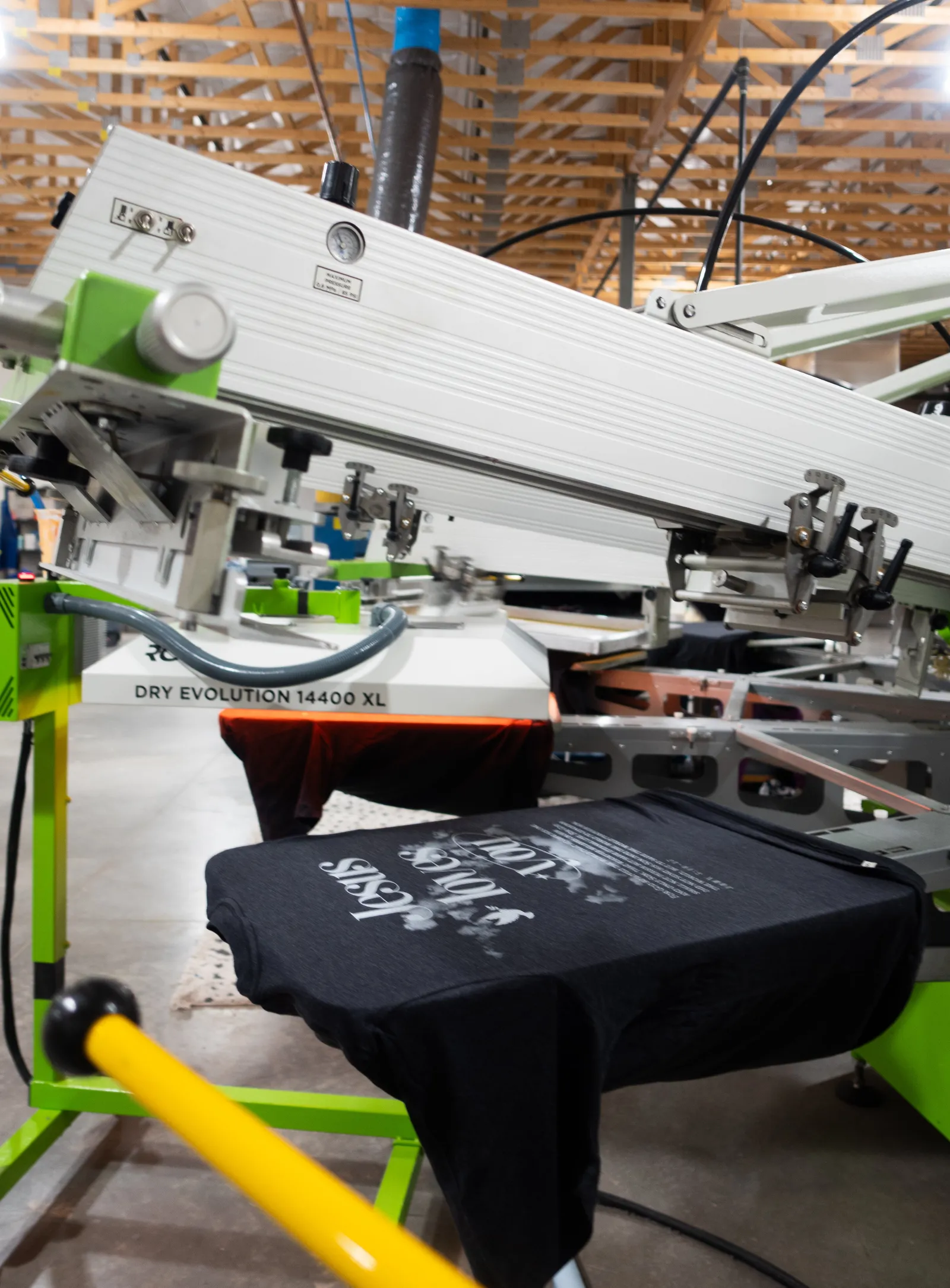
Most company stores lean on two decoration methods, and honestly the right one just comes down to the garment. Embroidered shirts — polos, quarter-zips, and caps — look premium and hold up for years, so they're what we reach for on anything staff wear day to day. Screen-printed or DTF business shirts are the better call for softer tees, event runs, and full-color art where heavy stitching would be too much.
My rule of thumb: if it's a collar or outerwear someone wears daily, go with logo embroidery. If it's a cotton tee or a big front-and-back design, print it. Left-chest logos usually embroider; full-color art usually prints. Most competitors' store pages skip this part entirely, but it's the decision that most affects how your gear looks and lasts — so a good store offers both and puts the right method on each piece. If you're weighing methods for a specific run, the basics of screen printing and embroidery are worth a quick read.
How businesses and churches use a company store
A store isn't just for staff uniforms. Here are the ways our clients actually use theirs.
Employee stores and uniforms
The classic use: staff polos, jackets, and custom work uniforms your team orders as needed. New hires get outfitted day one, reorders take one click, and everyone shows up looking like they work for the same company. For field trades and service crews, this is where embroidered work shirts with a logo earn their keep — they hold up on the job and advertise you at every stop.
New-hire welcome kits
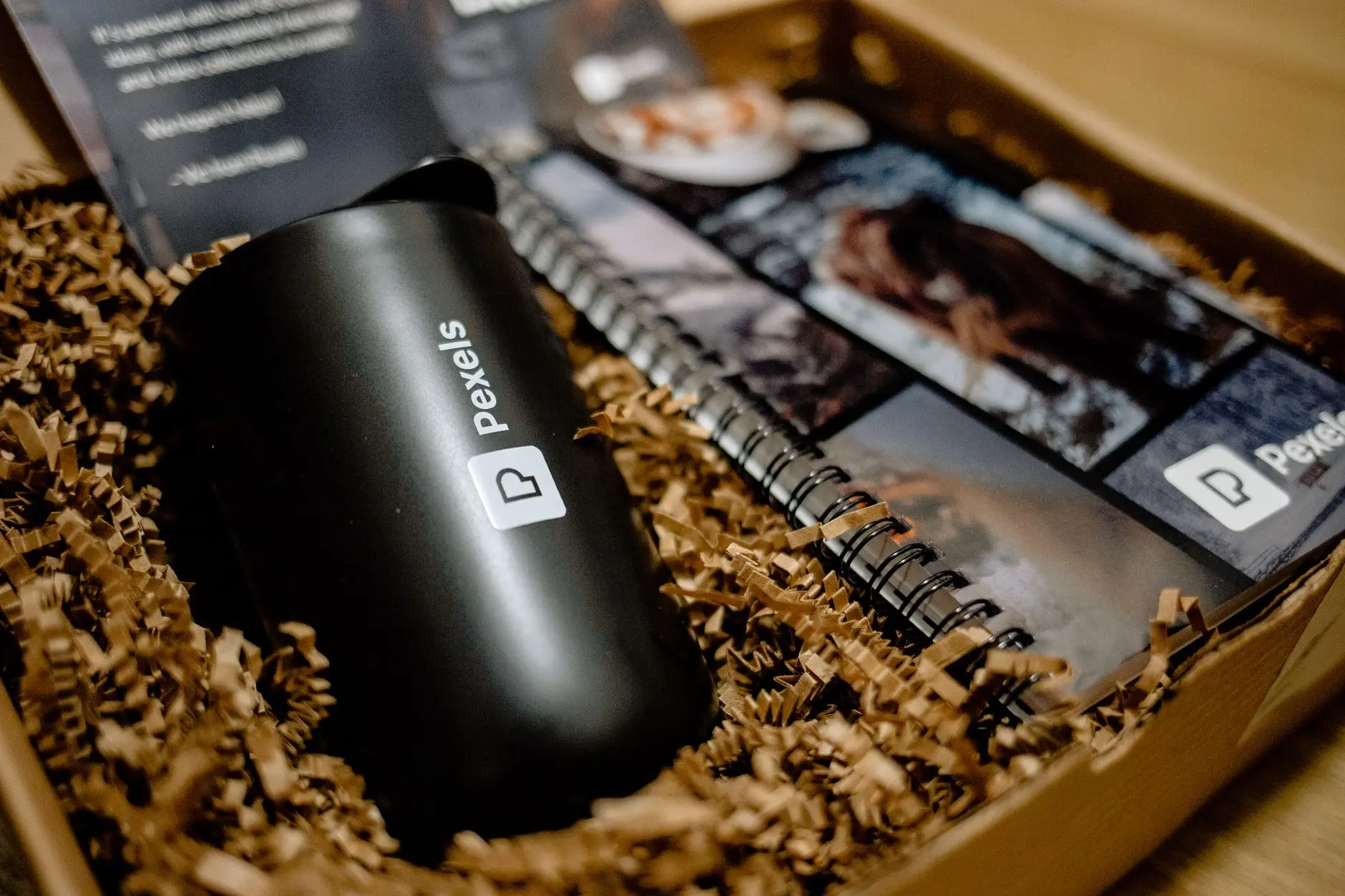
Bundle a tee, a cap, and a tumbler into a welcome kit that ships to a new hire before their first day. It's a small thing that makes people feel like part of the team immediately, and it beats handing someone a wrinkled shirt from a cardboard box during orientation. Set it up once and every new hire gets the same warm welcome automatically.
Recognition, rewards, and gifts
Hand out store credit for a work anniversary, a sales milestone, or a job well done, and let people pick their own reward. Corporate gifts with a logo land better when the person actually chose the item instead of getting a mystery size. The same setup works for client gifts and holiday thank-yous.
Events, trade shows, and client swag
Stock event tees, giveaways, and client gifts so any team member can pull what they need for a booth, a conference, or a big meeting without a last-minute rush order. When the swag matches your everyday brand, your trade-show table looks like an extension of your company, not a pile of random freebies.
Customer, fan, and church merch stores
Open the store to the public and it becomes a merch shop — fan gear for a brand, or volunteer tees, student-ministry merch, and retreat gear for a church. For congregations especially, one store covers every serve day, series, camp, and mission trip without re-collecting sizes each season, and volunteers can grab their own shirt instead of waiting on the office. It's also a simple, no-inventory way to raise a little money on merch if you want to.
Do you actually need a store, or just a bulk order?
A company apparel store earns its keep when ordering is ongoing: you hire regularly, you have multiple locations or remote staff, you reorder the same pieces, or you're running gifts and events throughout the year. If that's you, a store saves real time and keeps everything consistent.
But if you need 60 shirts for one event and that's it, a one-time bulk order is cheaper and simpler — no store required. A store shines on repetition; a single run doesn't need one. A rough rule of thumb: if you'll reorder branded gear three or more times a year, or you're onboarding people regularly, a store usually pays for itself in saved time alone. If it's a one-and-done, we'll just quote the bulk order and skip the setup. We'll tell you honestly which one fits — we'd rather set you up with the right thing than talk you into a store you won't use. No pressure either way. If it sounds like a fit, here's how our online company stores work.

How to set up a company apparel store
Getting one live is more straightforward than it sounds. Here's the path we walk clients through.
1. Nail down your lineup
Pick your three to six core pieces plus any swag, and decide the decoration method for each. Keep it tight — a focused store is easier to launch and easier to shop. You can always add seasonal or event items once it's running and you can see what people actually order.
2. Lock your branding
Send your logo (vector files like AI, EPS, or SVG are best) and any brand colors or Pantone numbers. We digitize the mark for embroidery, dial in sizing and placement on each garment, and send mockups for your sign-off. Once you approve, that's the locked standard every future order matches.
3. Decide how payment works
Company-paid, a per-person allowance, or employee-paid — you choose, and you can mix them (cover the polo, let people buy extras). This is also where you'd set order windows if you'd rather batch everyone together a couple times a year for better per-piece pricing instead of running fully on demand.
4. Set who gets access
Private and password-protected for staff only, or public for customers and fans. You control who can see the store and who can buy — handy if you want an internal uniform store and a separate public merch page down the road.
5. Launch it — and actually tell people
The one step most people skip: promote it. Announce the store in a team meeting or email, add the link to your onboarding docs, your intranet, and email signatures, and mention it every time someone new starts. A store nobody's reminded about just sits there — a little ongoing promotion is the whole difference between a store that pays for itself and one that collects dust.
A few mistakes to avoid
We've launched enough of these to see the same handful of stumbles, and none of them are complicated to dodge.
Overloading the catalog
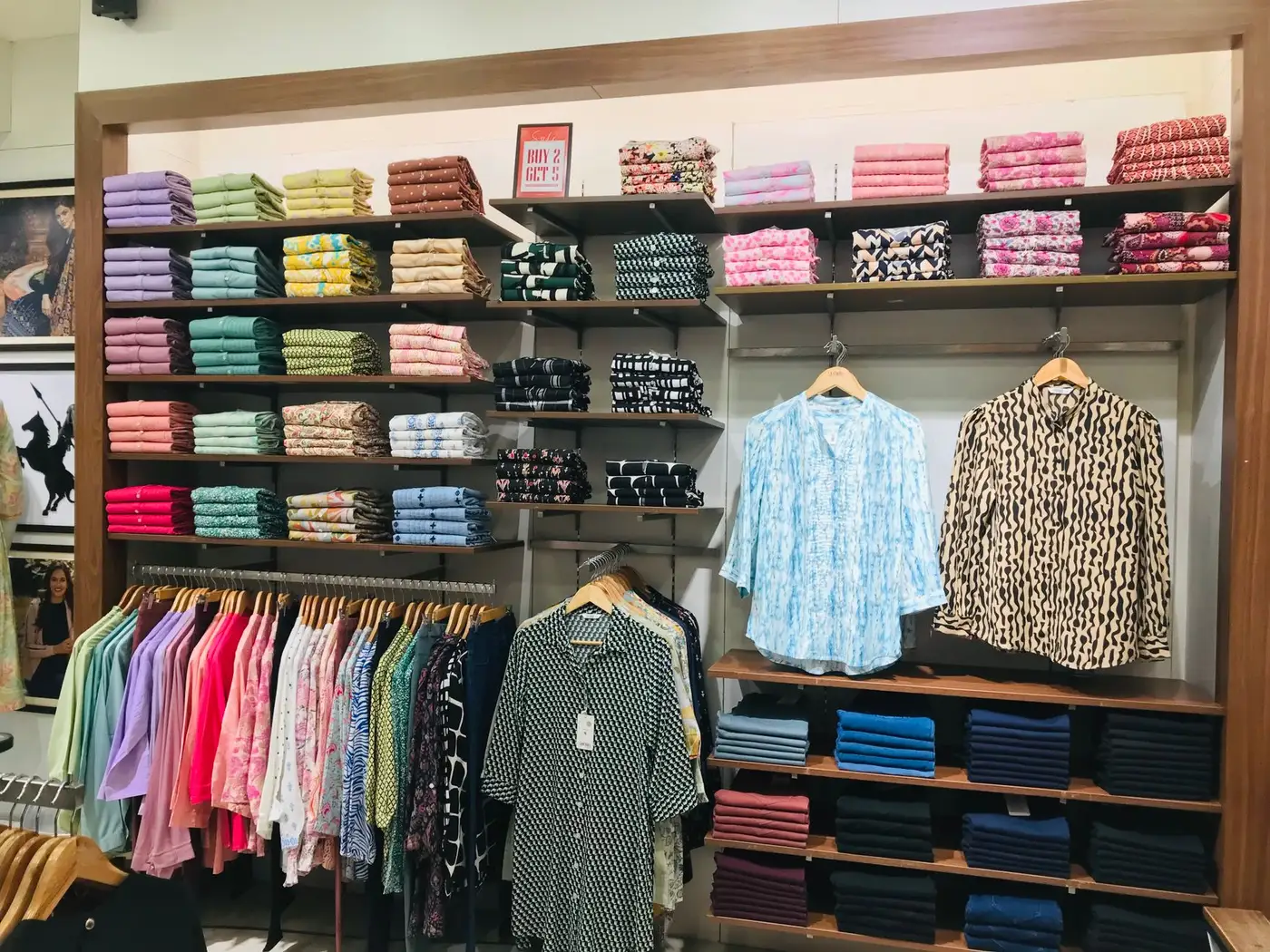
The instinct is to offer everything — five polo colors, three hoodie styles, every hat under the sun. Too many choices actually slow people down and dilute your brand. Start with a handful of great pieces; you can always add more once you see what people order.
Choosing the wrong decoration for the garment
Screen-printing a left-chest logo on a premium polo, or trying to embroider a big full-color back design, both end badly. Match the method to the piece — embroidery for collars and outerwear, print for tees and large art — and your store looks intentional instead of thrown together.
Picking garments that get discontinued
If your hero polo is a fashion blank that vanishes in a year, your reorders won't match. We steer you toward reliable, long-run garment brands so the store stays consistent season after season.
Launching it and going quiet
The most common one. A store nobody's reminded about just sits there. Announce it, link it everywhere, and mention it when new folks start — a little promotion is the difference between a store that pays for itself and one that collects dust.
How we run your store
We keep your logo digitized, your thread and ink colors locked, and your approved products on file — so reordering custom work shirts with your company logo takes one email, not another round of proofs. Everything's decorated in our own shop, so quality stays ours to keep, and your gear shows up folded, sorted, and labeled on the date we promised.
We work with businesses and churches first, so we already speak your calendar, your budget, and your reorder rhythm. Whether it's ten embroidered polos for the front office or a full online company store for a growing crew or congregation, we'll help you build a lineup that's easy to reorder and looks the same every time. Tell us what you're outfitting and we'll get you a free mockup and quote. In the Valley? We also do screen printing in Phoenix. Just let us know what you've got in mind!
Frequently asked questions
- What is a company apparel store?
- A company apparel store is a private online store where your employees, new hires, and customers order approved, branded apparel and swag on demand. You set the products, logos, and pricing once; everyone else picks their size and checks out, and every order comes out matching the last.
- How does a company apparel store work?
- We digitize your logo, lock your colors, and load your approved products onto a store at your own link. Your team self-orders and picks sizes, items are produced on demand (or in scheduled batches), and everything ships to each person or location — or waits for local pickup.
- Is there a minimum order for a company store?
- No. On-demand production means there's no bulk buy and no minimum — you can order a single polo for a new hire or a hundred shirts for an event. If a large one-time run makes more sense, we'll set up a batch order instead.
- How much does it cost to set up a company apparel store?
- For most small and mid-size businesses and churches, store setup itself is minimal — you're mainly paying for the gear you order. Costs scale with the garments, decoration method, and quantities you choose. Send us your lineup and we'll put together a clear quote with no surprise fees.
- How long does it take to launch a company store?
- A simple store can be up quickly once we have your logo and product picks; more complex stores with allowances and multiple locations take a bit longer to configure. We'll give you a realistic timeline up front and plan around any deadlines you have.
- Should company apparel be embroidered or screen printed?
- Embroidery is best for collared and everyday staff pieces like polos, quarter-zips, and caps — it looks premium and lasts for years. Screen printing or DTF is better for tees, event runs, and full-color designs. A good store offers both and matches the method to each garment.
- Can employees pick their own sizes and pay for their own gear?
- Yes. Everyone selects their own size and fit at checkout. You decide how payment works — company-paid, a per-person allowance, or employee-paid — so the store fits your budget and policies.
- Who is a company apparel store a good fit for?
- Any organization that orders branded gear on a regular basis: businesses with staff uniforms, growing teams that hire often, multi-location or remote companies, and churches outfitting volunteers and ministries. If you only need gear once, a one-time bulk order is usually the better call.
Need uniforms for your crew?
Tell us how many people need gear and what they wear on the job. We'll send a free logo mockup and a quote, and keep your logo on file so every reorder matches.
Get a free uniform quote