A practical, step-by-step guide to starting an employee uniform program — goals, garments, decoration, budget, and the on-demand online store that makes ordering and new hires effortless. From an Arizona shop that runs them.
A good uniform program is one of those quiet upgrades that makes a company look bigger and more buttoned-up than it is. Your team shows up matching, on-brand, and easy to spot — and nobody's scrambling to figure out what to wear or where to get it. Done right, it runs itself.
The catch is that most "programs" start as a box of shirts in a closet and fall apart the first time someone needs a new size. Here's how to set one up that actually lasts — the decisions that matter, the order they go in, and the one modern piece (an on-demand online store) that takes the headache out of the whole thing. We build these for businesses across Arizona, so this is the practical version.
What is an employee uniform program?
An employee uniform program is a structured system for choosing, branding, ordering, and replacing your staff's work apparel. It sets what employees wear, how they get it, and who pays — so your whole team looks consistent and on-brand without anyone guessing sizes or chasing down reorders. For plants and facilities crews specifically, our maintenance uniform page walks through what that program looks like.
At its simplest, a program answers a few questions once so nobody has to keep re-answering them: What does each role wear? Where do people order it? Who covers the cost, and how often does it get replaced? Nail those down, put them somewhere everyone can reach, and you've turned "figure out shirts" from a recurring headache into a solved problem — for current staff and every future hire.
Why set up a uniform program?
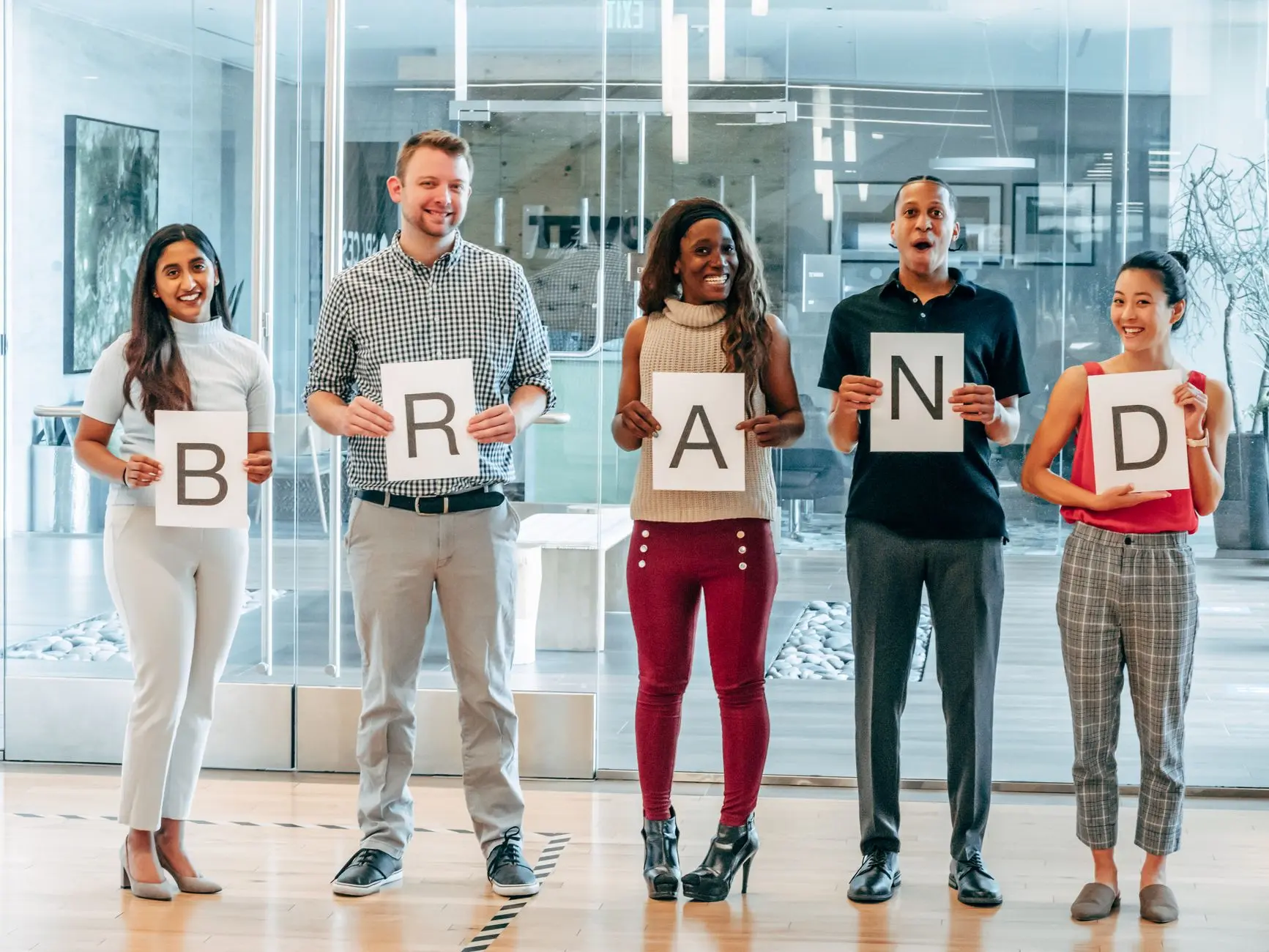
Beyond looking sharp, a uniform program earns its keep a few ways. Branding is the big one — a matching team is free advertising every time they're on a job, in the shop, or grabbing lunch, and it makes a five-person company read as a real operation. Professionalism and trust come with it; customers relax when they can tell at a glance who works there, whether that's a tech at their door or a rep on the floor.
There's an internal payoff, too. Team unity is real — people feel like part of something when they're all wearing the same colors, and a nice piece of gear doubles as a low-cost perk. And uniforms make safety and identification easier: hi-vis for the crew near traffic, a clear look that separates staff from customers, and no daily debate about what's appropriate to wear. It's a small investment that quietly pays off in image, morale, and fewer headaches.
There's even a retention angle. Handing a new hire a kit of nice, ready-to-go gear on day one signals that the company has its act together — a small thing that makes people feel like they joined somewhere real. And when the whole team looks the part on a job site or a sales floor, it changes how customers treat them, which changes how they carry themselves. A uniform is cheap next to what it does for how your business is seen, inside and out.
Step 1: Decide what you want it to do
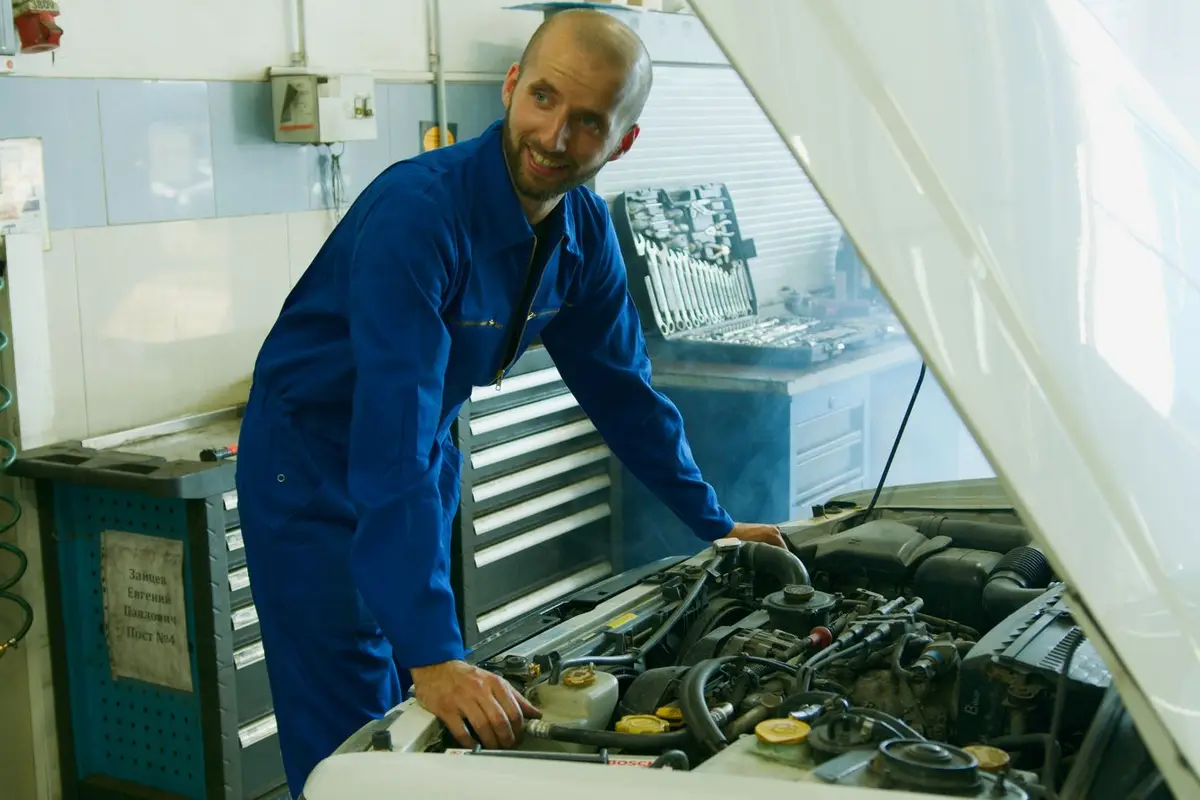
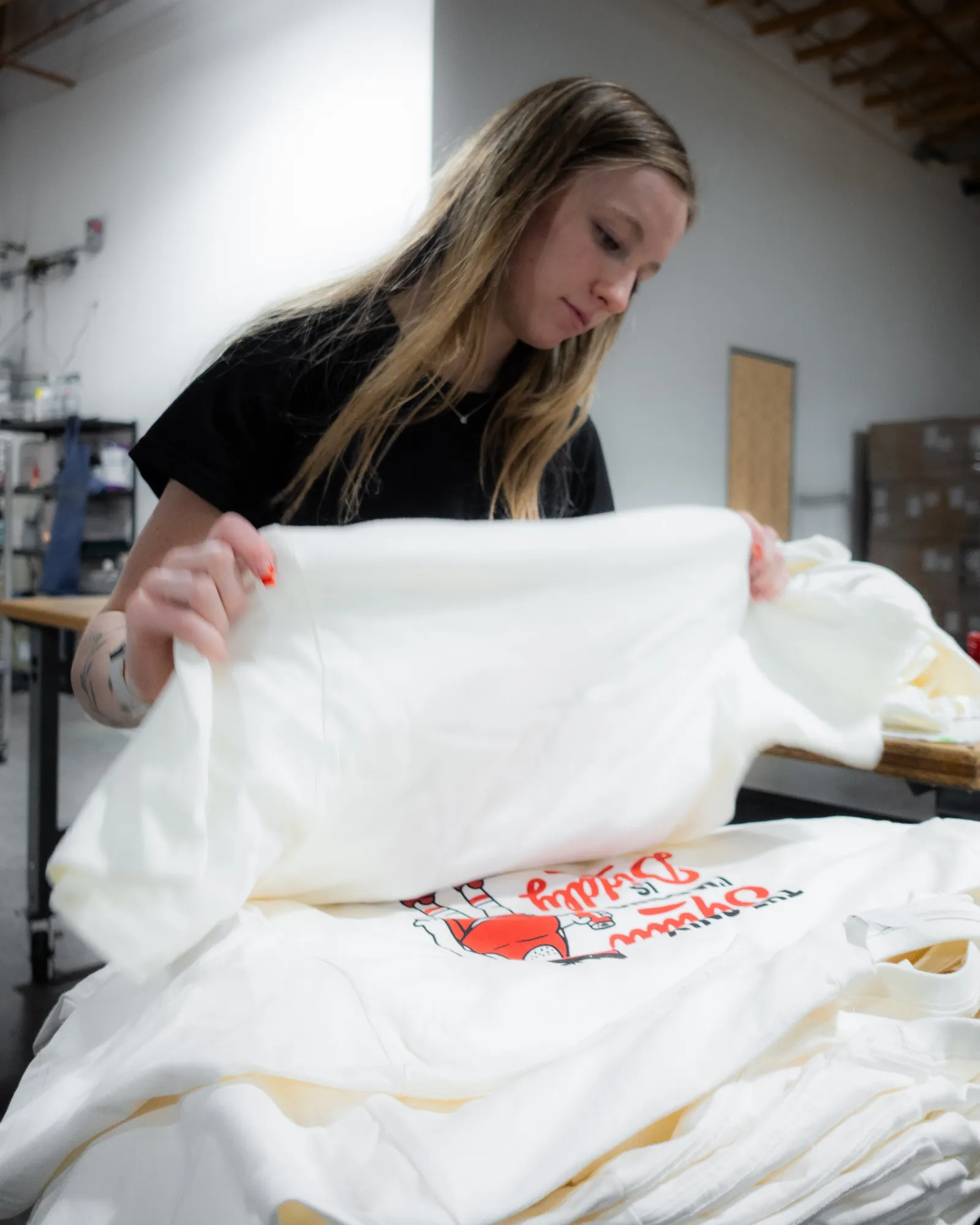
Before you pick a single shirt, get clear on what the program is for — it drives everything after. A client-facing office wants a polished, professional look; a landscaping or trades crew needs durable, hi-vis, weather-ready gear; a restaurant wants something sharp that survives a shift and a hot wash. Write down the two or three things you actually want out of it — look professional, be easy to spot, boost team pride, whatever fits — and let that steer the choices. (Restaurants are their own case — front and back of house need different pieces — and we cover that in restaurant uniform ideas.)
It's also worth a quick word with the people who'll wear it. A thirty-second gut-check on fit and comfort up front saves you from buying a hundred shirts nobody likes. You don't need a committee — just make sure the gear is something your team will actually want to put on, because a uniform that lives in the closet isn't doing any of the jobs above.
It helps to think a year out, too. The program you'll actually keep is the one that fits how your company runs — how often people need fresh gear, how fast you're hiring, whether crews rotate with the seasons. A five-person shop and a fifty-person operation with constant turnover need different systems, and matching the gear and the ordering setup to your real pace up front is what keeps a program from fizzling after the first enthusiastic order.
Step 2: Choose garments and how they're decorated
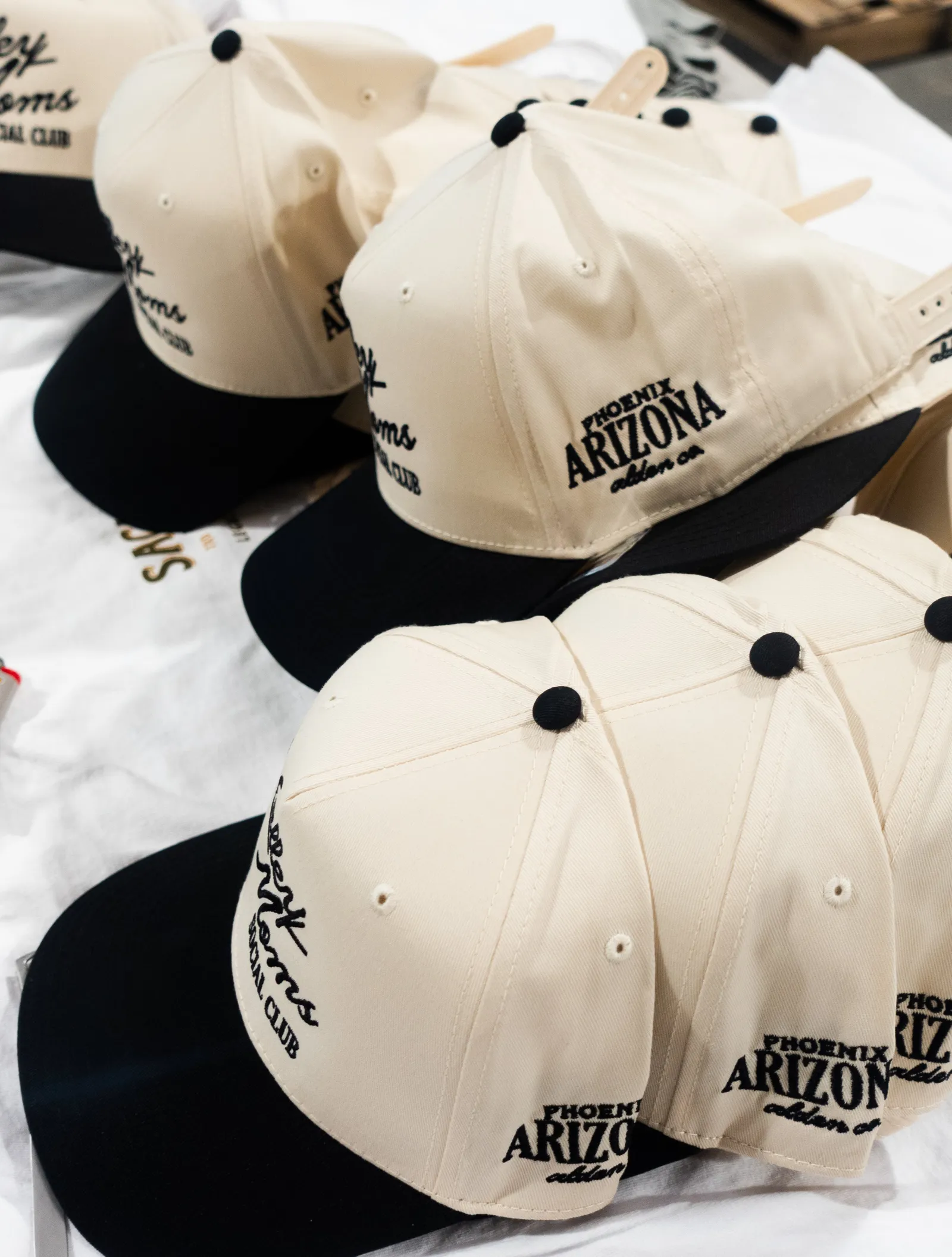
Now the fun part — picking the actual gear. The trick is to choose by role and environment, not to force everyone into one shirt. Common building blocks: embroidered polos and button-ups for client-facing and office staff, performance tees or work shirts for crews and warehouse teams, hi-vis for anyone near traffic, and caps, quarter-zips, and jackets to round out the look across seasons. Most programs run two or three core pieces per role, in your colors.
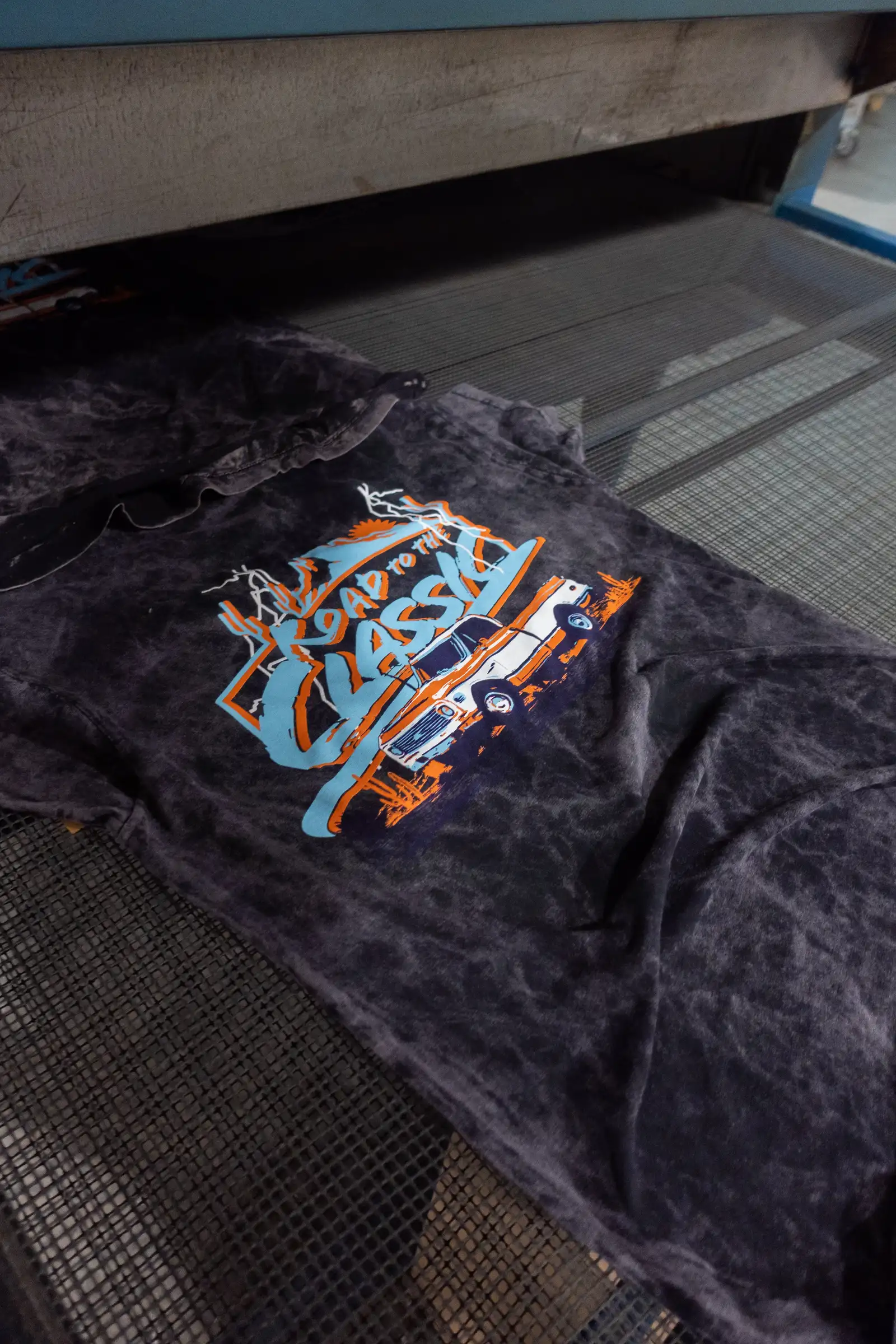
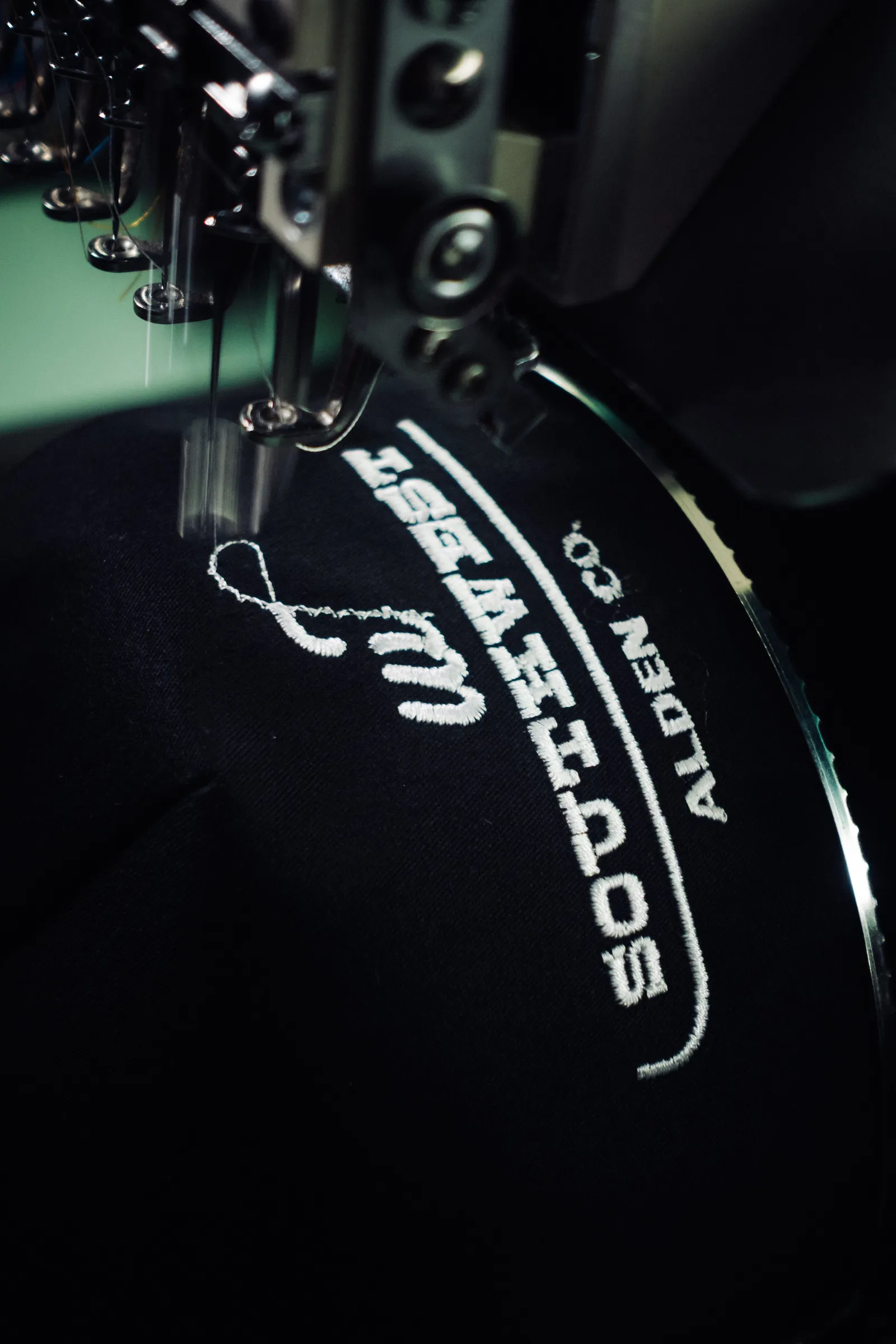
Then match the decoration to the garment. Embroidery gives polos, caps, and jackets a durable, premium, professional finish — it's the default for uniform wear. Screen printing is the most cost-effective way to do tees and hi-vis event shirts in bulk. And DTF handles full-color logos or small-batch pieces without a big minimum. You don't have to pick just one — a single program can embroider the polos and screen-print the tees. (If you're weighing it, our guide on embroidery vs. screen printing breaks down exactly when to use which.)
One more thing worth planning up front: layers and seasons. A program that only thinks about summer tees leaves everyone scrambling when it gets cold, so it's smart to build in a quarter-zip, hoodie, or jacket option from the start — same logo, same colors, so the look holds up year-round. Consistency is the whole point; a team that matches in July but turns into a grab-bag of random jackets in December undercuts the professional image you're paying for.
Step 3: Set a budget and decide who pays
A program only lasts if the money side is clear. What it costs depends on your garment mix, quantities, and decoration — a couple of embroidered polos per person lands differently than a full seasonal kit — plus a one-time setup like logo digitizing for embroidery (which you only pay once and reuse forever). Rather than guess, it's worth getting a real quote on your specific mix so you can plan per-employee.
Then decide who pays, because there are a few clean models. Many companies just cover it as a cost of doing business — simplest, and great for morale. Others give each employee an annual allowance or store credit to spend on their own sizes and pieces, which caps the spend and lets people choose. A quick note worth knowing: when a garment carries your logo or is required for the job, it's commonly the employer's cost rather than something you can push onto employees — the rules vary by state, so it's a good thing to check. Whatever you choose, write it down so it's the same for everyone.
A quick tip: keep it simple to start. You don't have to roll out a full seasonal wardrobe on day one — pick the one or two core pieces every role actually needs, get those dialed in, and add options as you go. It's far easier to expand a program people already like than to over-buy a bunch of pieces up front and hope the choices land. Start lean, then grow it.
Step 4: Make ordering easy with an online store
This is the step that separates a program that runs itself from one that becomes your problem. The old way — HR collecting sizes on a spreadsheet, buying a bulk box of every size, and stashing the leftovers in a closet — wastes money on dead inventory and still leaves someone guessing. The better way is an online company store.
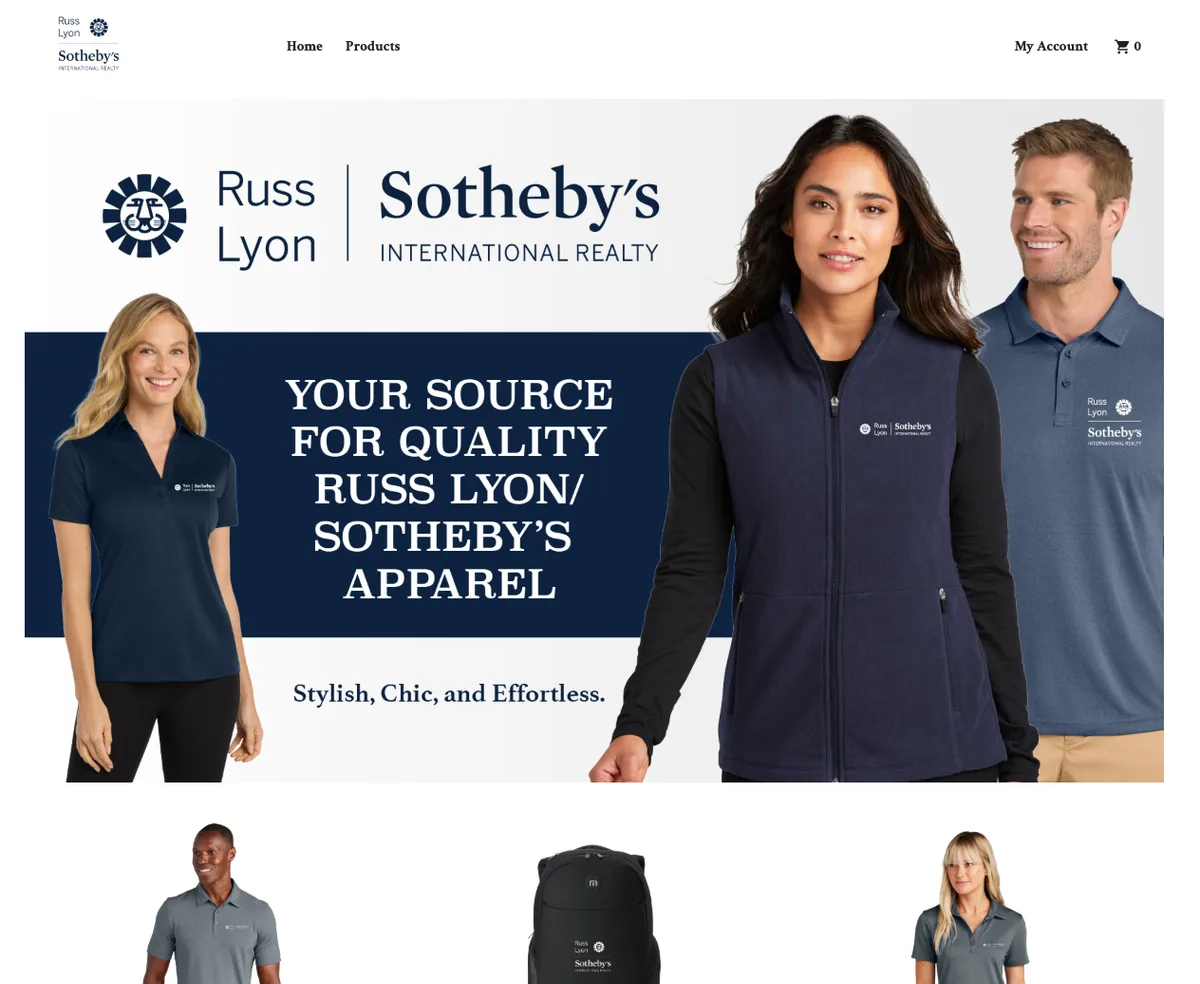
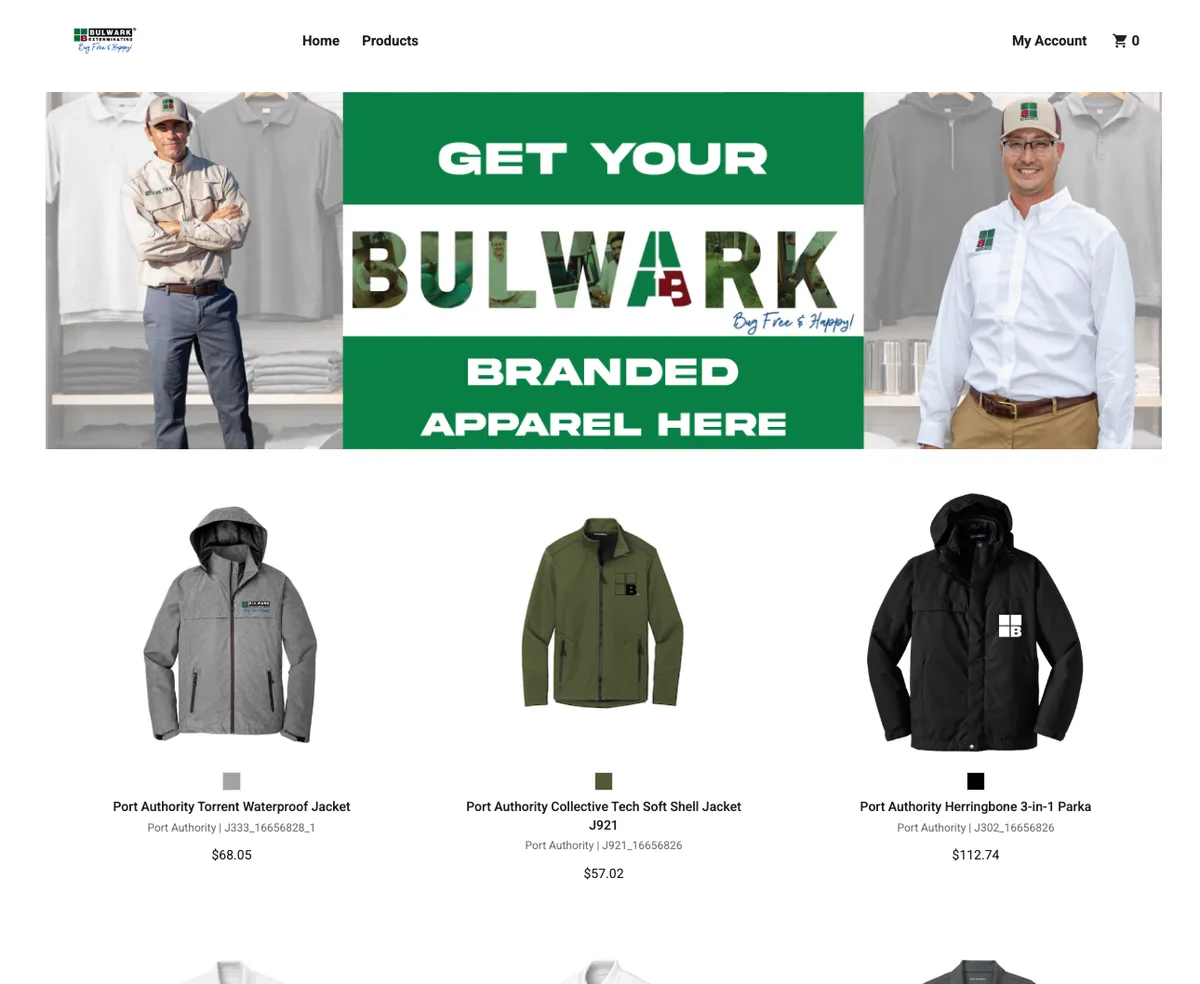
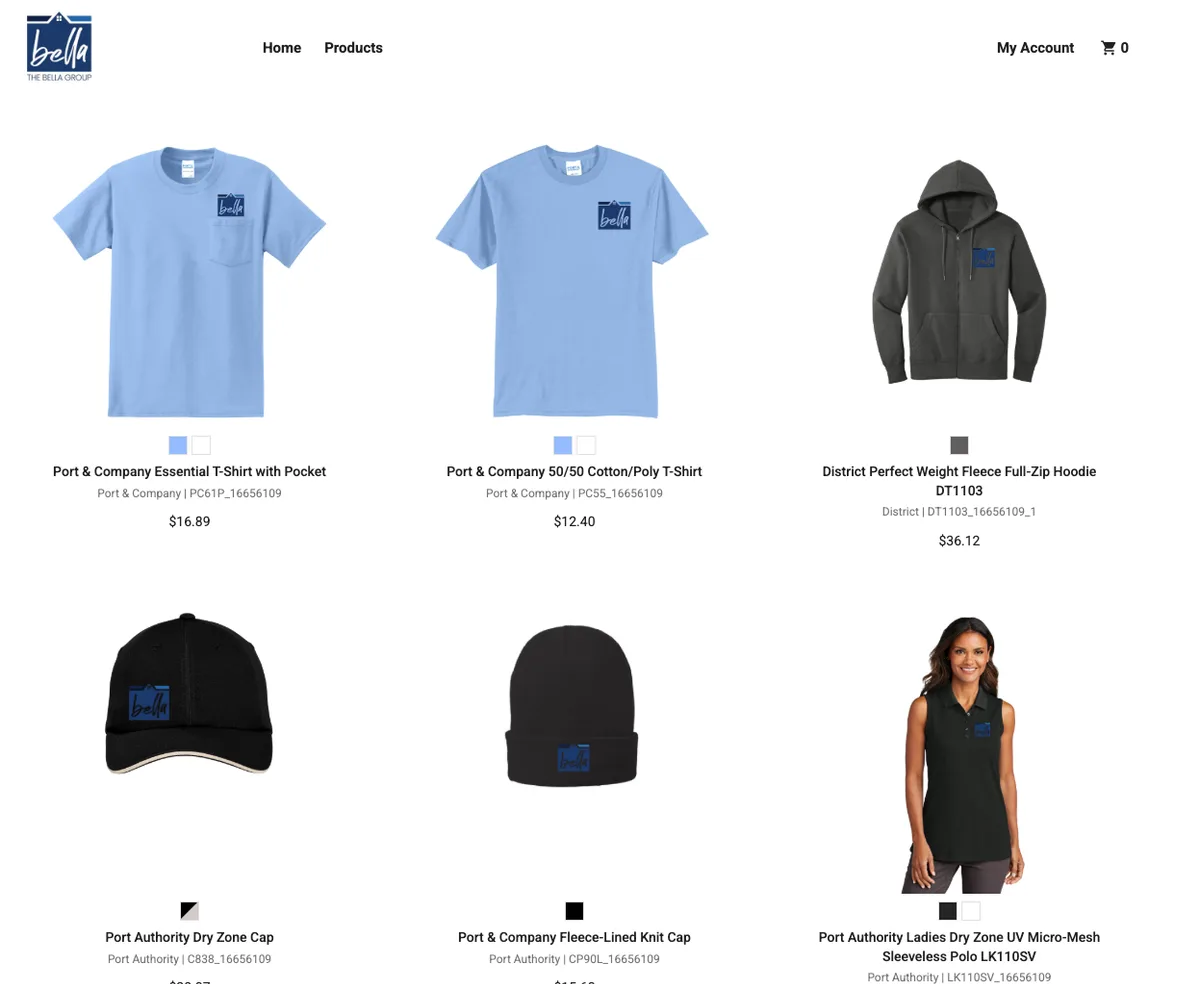
Here's how it works: we build your business a branded store with your approved uniform items, your logo already set, in every size. Employees log in and order their own correct sizes on demand — no HR guessing, no bulk-buying inventory that never gets worn, and no minimums, because each piece is made as it's ordered. You can set it up company-paid, or give each person an allowance or store credit and let them shop within it. It's the same on-demand setup we build for businesses across industries, and it's what turns a uniform program from a quarterly chore into a link you send once.
For whoever runs it, the store also means control without the busywork. You approve exactly which items and colors are available, so nobody orders something off-brand, and you can see who's ordered what. Set a spending limit or allowance per person and the budget manages itself. Best of all, it takes the whole thing off your plate — instead of fielding "where do I get a shirt" emails and digging through the closet, you send one link and the store handles the rest. That's the difference between a program you maintain and one that maintains itself.
Step 5: Write a simple uniform policy
You don't need a ten-page handbook — just a short, clear note so there are no gray areas. A good uniform policy covers a handful of things: when uniforms are required (all shifts? client-facing only?), how to care for them (wash cold, hang dry — small stuff that makes gear last), who pays and how often pieces are replaced, and what's allowed alongside them (approved pants, outerwear, whether people can add their own flair).
Keep it friendly and specific. The goal isn't to police people — it's to answer the questions before they come up, so a new hire knows exactly what to wear on day one and nobody's guessing whether the faded five-year-old shirt still counts. A few clear sentences beat a wall of rules every time.
Step 6: Handle new hires, reorders, and turnover
This is where most programs quietly break, and where an on-demand store quietly wins. When someone new starts, there's no digging through a closet hoping you have their size — they just order their kit from the store and it shows up, correctly sized. Because nothing is pre-stocked, you're never sitting on boxes of mediums you over-bought or stuck with a departed employee's leftover gear.
Reorders are just as painless. Your logo file is stored with us, so every reorder comes out identical with no repeat setup fee — the tenth run matches the first. Worn-out shirt, a growth spurt in the crew, a seasonal push — it's all the same simple order from the same link. That's the whole point of building it on a store instead of a spreadsheet: the program keeps working long after the initial rollout, with almost none of your time.
Build your uniform program with Heart & Hook
We build custom uniform programs end to end for businesses across Arizona and beyond — helping you pick the right gear, embroidering and printing it in our own Mesa shop, and setting up the on-demand online store that makes ordering, new hires, and reorders effortless. Embroidery, screen printing, and DTF all under one roof, so every piece in your program gets the method that fits it.
Tell us about your team — how many people, what roles, and the look you're after — and we'll come back with a free mockup and a clear quote to get your program rolling. Just let us know what you've got in mind!
Frequently asked questions
- What is an employee uniform program?
- An employee uniform program is a structured system for choosing, branding, ordering, and replacing your staff's work apparel. It defines what employees wear, how they get it, and who pays, so the whole team looks consistent and on-brand without anyone guessing sizes or chasing reorders.
- How do I start an employee uniform program?
- Define your goals, choose garments and a decoration method by role, set a budget and decide who pays, and — most importantly — set up an easy way to order, ideally an online company store where employees pick their own sizes. Then write a short policy and launch it to your team.
- How much does an employee uniform program cost?
- It depends on your garment mix, quantities, and decoration method, plus a one-time setup like logo digitizing for embroidery that you pay once and reuse. Rather than a blanket number, it's best to get a quote on your specific pieces and headcount so you can plan per employee.
- Does the employer have to pay for uniforms?
- Generally, when a garment carries your company logo or is specifically required for the job, it's commonly the employer's cost rather than something you can charge employees for. Plain clothing that just meets a dress code often doesn't have to be employer-paid. The rules vary by state, so it's worth checking.
- What is an online company store for uniforms?
- It's a branded ordering website where employees log in and order their own uniform items and sizes on demand, with your logo already set and no minimums. You can make it company-paid or give each employee an allowance or store credit — it removes the size-guessing and bulk-inventory headache entirely.
- Should uniforms be embroidered or screen printed?
- Embroidery suits polos, caps, and jackets and gives a durable, premium look — it's the default for uniform wear. Screen printing is more cost-effective for bulk tees and hi-vis event shirts, and DTF handles full-color or small-batch pieces. One program can mix all three by garment.
- How do you handle uniforms for new hires?
- With an on-demand online store, a new hire simply orders their sizes from your branded store and it ships to them — no pre-stocking a closet of every size. Your logo file is saved, so their gear matches everyone else's with no repeat setup.
- What should an employee uniform policy include?
- Keep it short and clear: when uniforms are required, how to care for them, who pays and how often pieces are replaced, and what's allowed alongside them (approved pants, outerwear, and so on). The goal is to answer the common questions before they come up.
- What are the benefits of a uniform program?
- Consistent branding and a more professional image, easier identification of staff for customers and safety, stronger team unity and morale, and far simpler ordering — especially when it runs through an online store that handles sizes, new hires, and reorders for you.
- How long does it take to set up a uniform program?
- Plan ahead to allow time for choosing gear, approving a proof, and the first production run — a bit more for embroidered items or large teams. Once your online store is live, reorders and new-hire orders are quick and ongoing. We'll give you a firm timeline when we quote your program.
Need uniforms for your crew?
Tell us how many people need gear and what they wear on the job. We'll send a free logo mockup and a quote, and keep your logo on file so every reorder matches.
Get a free uniform quote