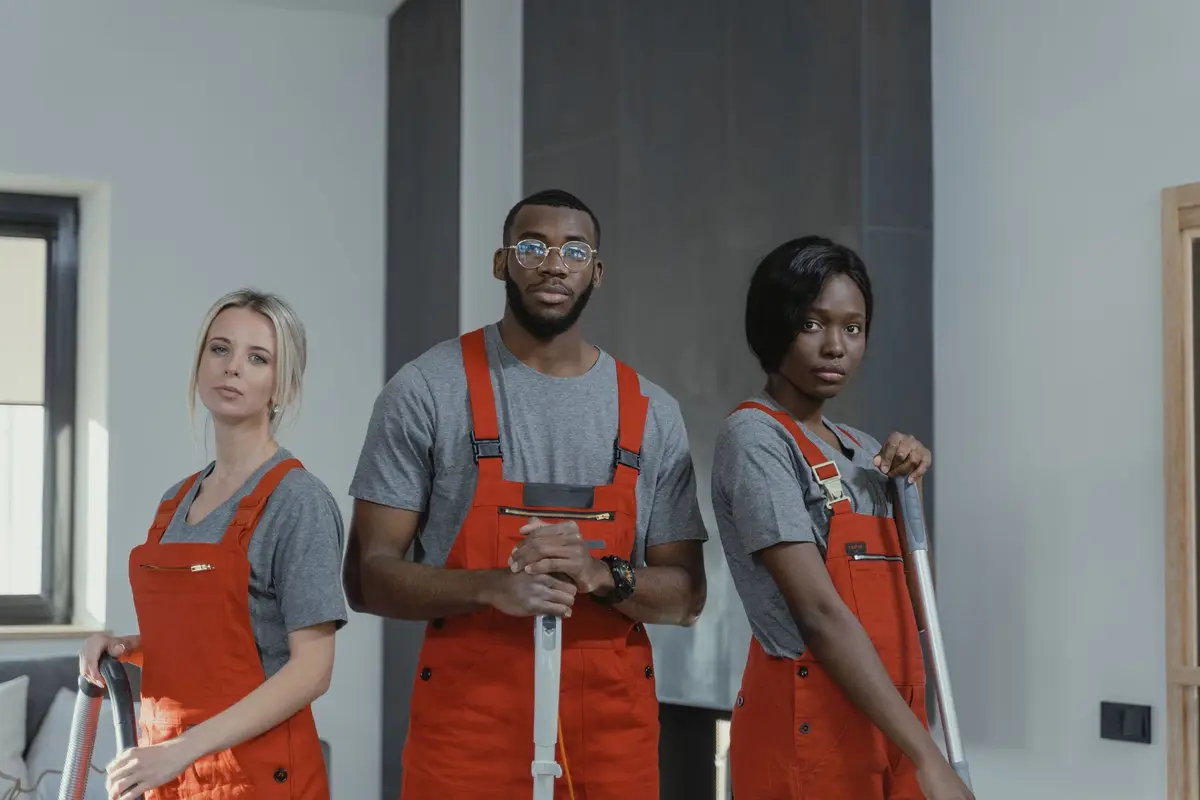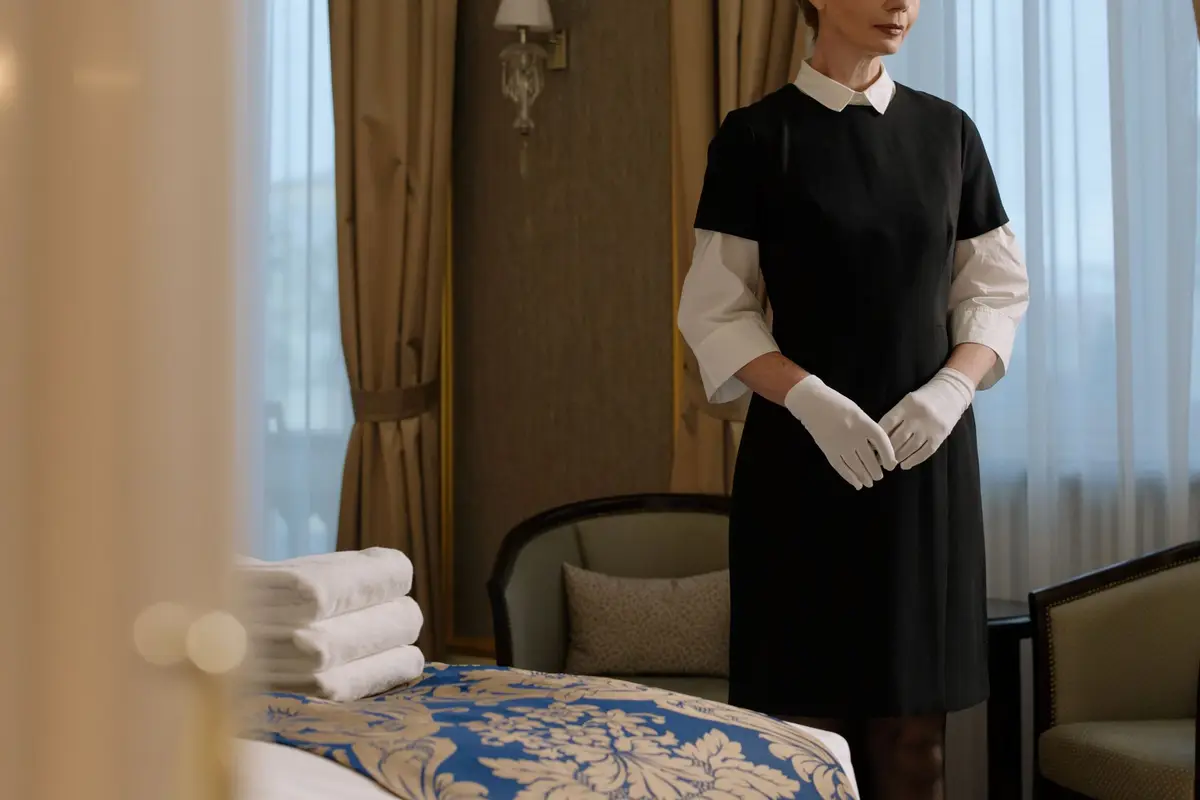
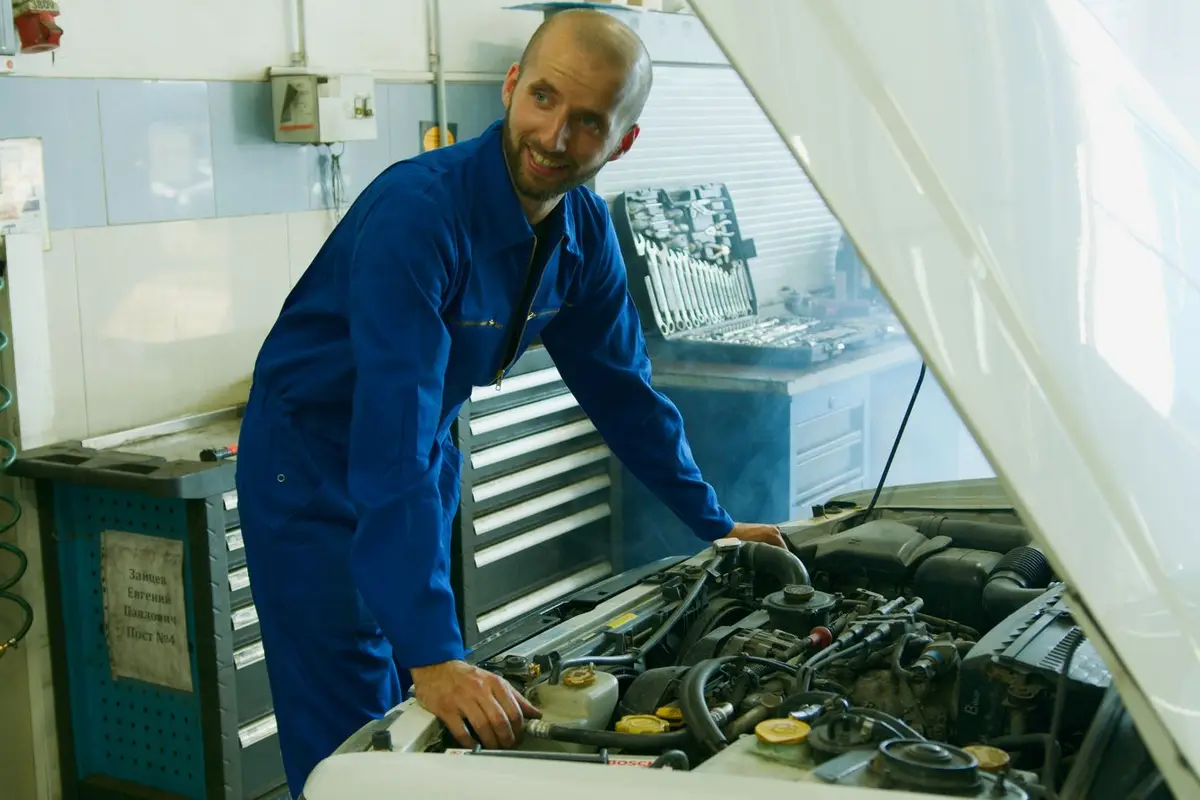
Uniform rental runs $4–$15 per employee per week before the fees kick in. Here's how the programs actually work, what they really cost over a contract, and when buying your own uniforms — through an online store your team orders from — is the better deal.
How does uniform rental work?
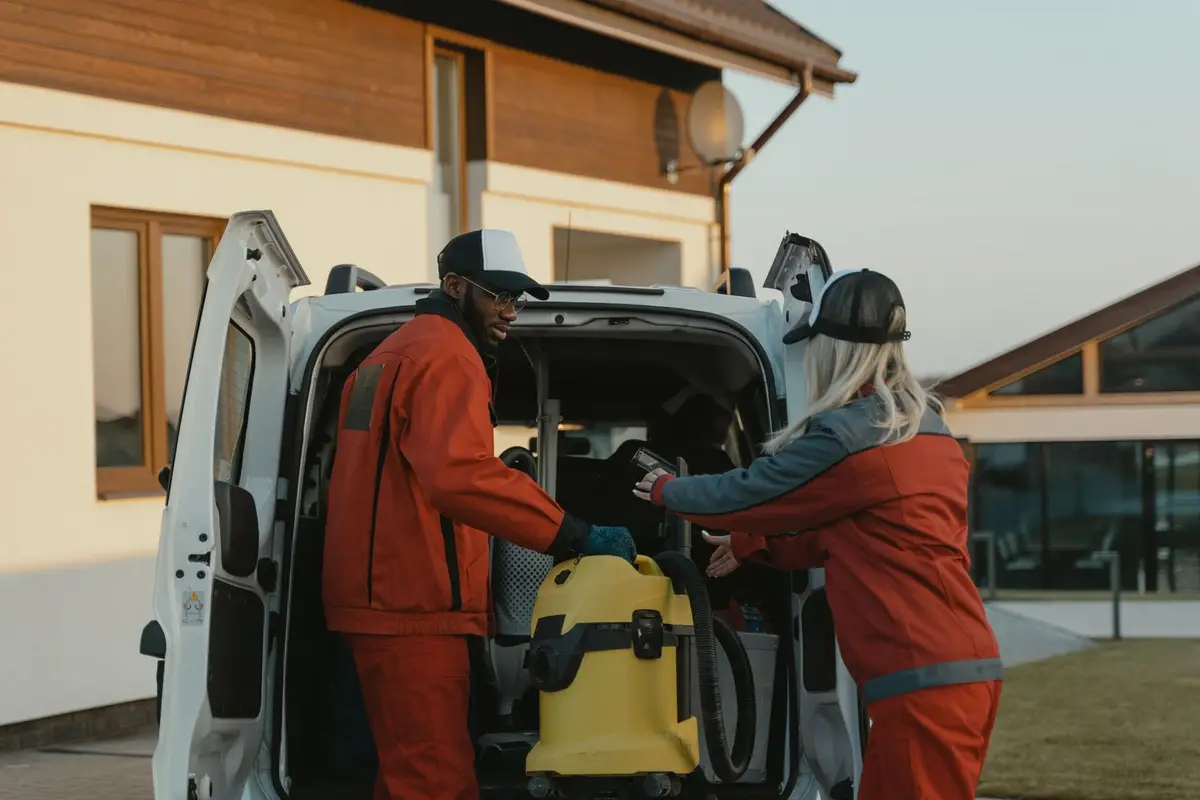
A uniform rental program leases your team's workwear instead of selling it to you. The rental company supplies each employee with a rotation of garments, picks up the dirty sets on a route each week, launders and repairs them, and delivers clean ones — for a weekly fee per person, on a multi-year contract. Running a plant or a facilities team? See our maintenance and manufacturing uniforms page.
The standard rotation is around 11 sets per full-time employee: five being worn through the week, five out for cleaning, and one spare. You never own the garments — you're paying for the service loop, and the shirts go back when the contract ends.
Full disclosure before we go further: we're a custom apparel shop, and we sell the *other* option — uniforms you own, decorated here and reordered through an online store as you hire. So yes, we have a horse in this race. But rental genuinely wins in some situations, and I'd rather tell you which ones up front than pretend it doesn't.

What uniform rental really costs
The industry's own numbers put uniform rental at $4 to $15 per employee per week depending on garment type, headcount, and how often the route runs. Cost auditors like P3 Cost Analysts — whose whole business is reviewing these invoices — report that the extras stacked on top of that base rate often add 25% or more to the real total.
The fees that show up after you sign
Setup and prep fees run $22–$66 per new employee — every time you hire. Loss and damage charges bill you replacement cost for garments that wear out doing the job they were rented for. Emblem fees charge per logo application. And a service charge of roughly 5–10% rides on top of the whole weekly invoice. None of these are on the teaser quote.
Run the math on your crew
Take a service business with ten techs at a middle-of-the-road $9 per person per week. That's $4,680 a year, every year, before setup fees, loss charges, and the service percentage — and at the end of it you own nothing. Over a typical 3-to-5-year contract, that ten-person crew spends well north of $15,000 on shirts that go back on the truck.
Buying the same crew seven or eight embroidered shirts each — enough for a full week plus spares — is usually a one-time spend in the $1,500–$2,500 range, replaced piecemeal as things wear out. Your washer handles the rest. That gap is the whole conversation.
Watch the contract term
Rental agreements typically run three to five years, and most renew automatically unless you cancel in writing inside a set window — one that often closes months before the contract actually ends. Missing it means another full term at whatever the escalated rate has climbed to. If you take one thing from this section: before you sign anything, ask for the renewal clause and the cancellation window in writing, and put a reminder on your calendar the same day.
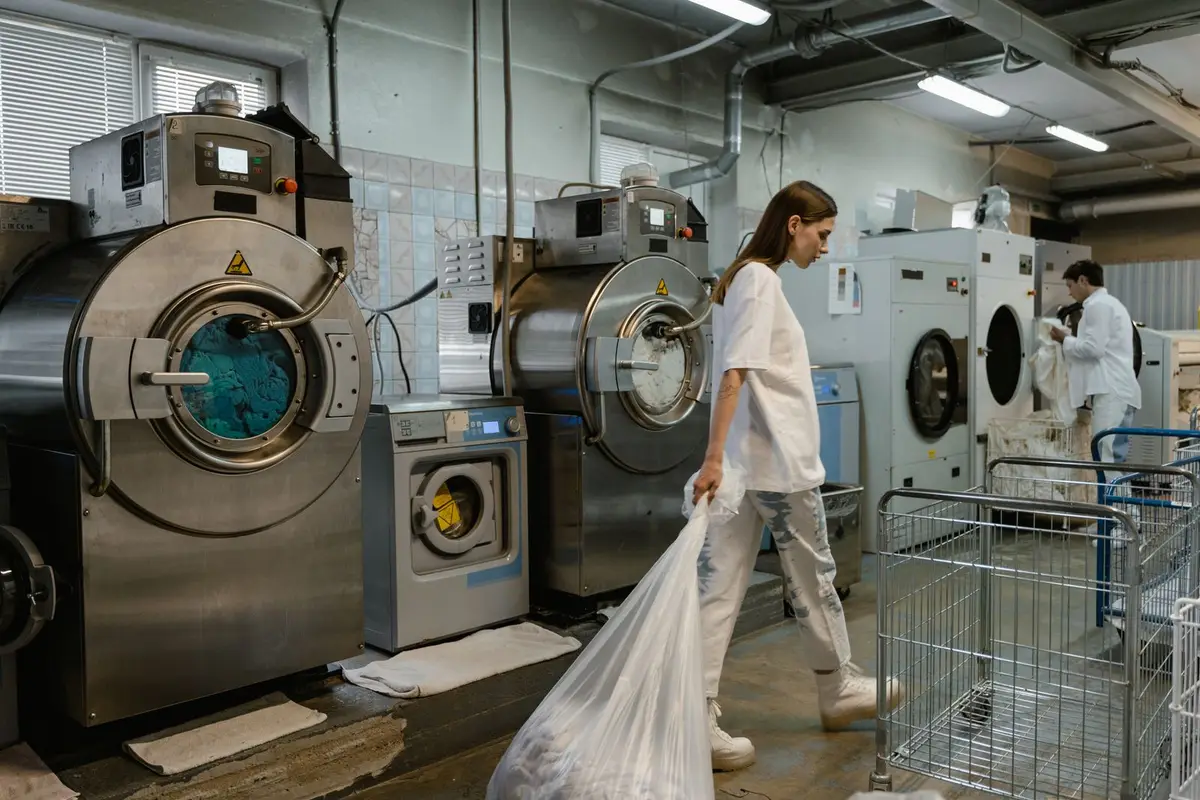
When renting genuinely makes sense
Here's the honest list. If you're on it, rent — and I'll happily say so to your face.
Your uniforms get industrially dirty. Grease, solvents, heavy soil — the stuff a home washer can't touch and shouldn't. Mechanics' coveralls and industrial shop garments are the classic case, and industrial laundering is the real service rental provides.
You need certified protective garments. Flame-resistant workwear and other OSHA-regulated protective equipment has to be maintained to spec, and rental programs manage that compliance for you. Same story for high-visibility clothing that has to keep its rating wash after wash.
Turnover is constant. If your crew changes monthly, a garment pool with size exchanges built in beats owning shirts for people who've already left.
That's the list! Notice what's not on it: polos, tees, hats, quarter-zips, softshells — the things most service businesses, restaurants, and franchise crews actually wear.
The alternative: own your uniforms, order them on demand
For everyone not on that list, the modern alternative isn't a giant bulk order and a storage closet. It's an online uniform store: your approved garments with your logo already applied, at a private link. A new tech picks their sizes on day one, the order is embroidered and shipped, and nobody is collecting sizes on a spreadsheet.
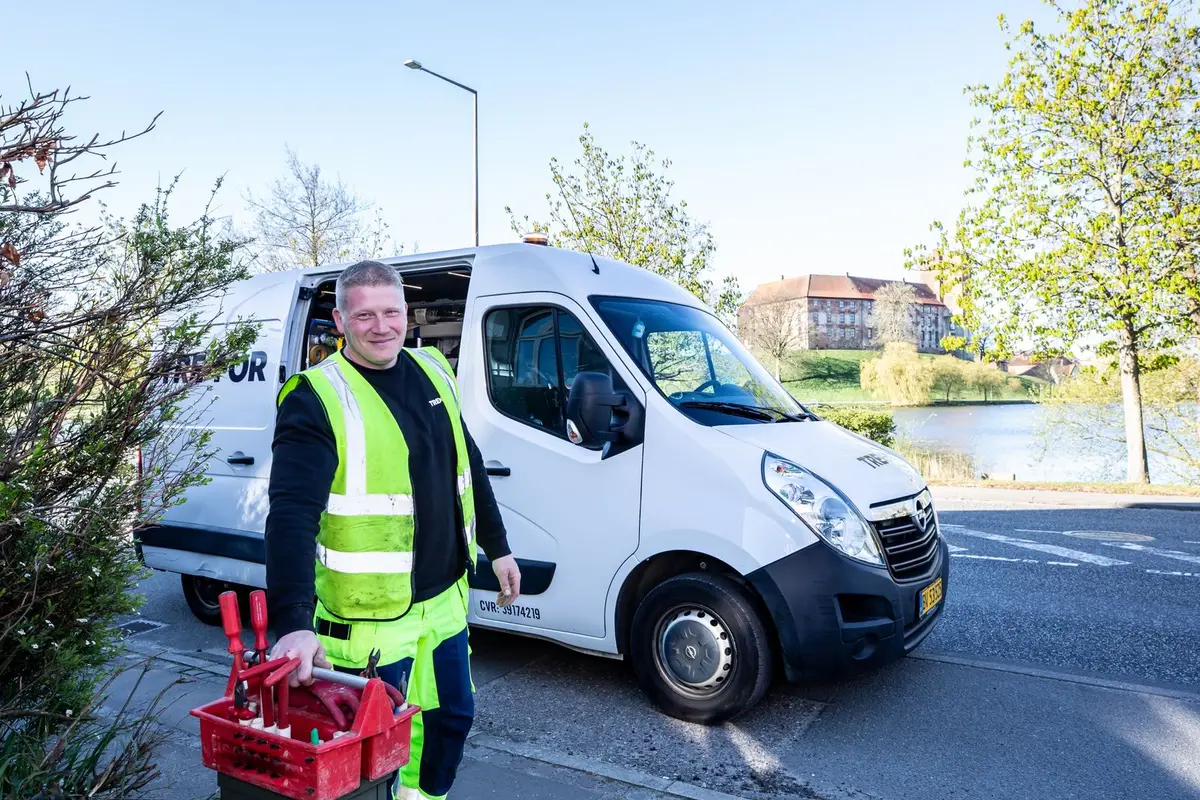
We build these for employee uniform programs of all shapes, and the businesses that get the most out of them look a lot alike: multi-location service brands and franchises. Plumbing, pest control, HVAC, restoration — crews spread across territories, hiring year-round, all needing to look like the same company.
Why franchises specifically
A franchise uniform has a harder job than most: a customer in Mesa and a customer in Tucson should see the exact same brand at their door. With a store, corporate approves the garments and logo placement once, and every location orders from that same approved catalog — same embroidery files, same colors, no local print-shop improvisation. New location opening? Send the link. Franchisee pays for their own crew's gear against their own card, so corporate isn't playing accounts-receivable either.
Compare that with rental, where each location signs its own multi-year contract at its own negotiated rate, and the 'uniform' part quietly stops being uniform. We've heard it from franchise operators more than once: two neighboring territories, same brand on the van, different shirt colors at the door because two different rental reps made two different substitutions. Nobody decided that. It just drifted.
The store also grows past uniforms without any extra setup. The same catalog that outfits your techs can hold the hats, tees, and jackets your customers and fans ask about — which turns your uniform program into a small swag store at zero additional cost. For a new franchise location's grand opening, that's giveaway merch and crew gear coming from one place, in one order, matching perfectly.
One more difference worth naming: rental garments are workwear stock with a patch sewn on. When you own the program, you pick the garments — a tech can be in a moisture-wicking polo that looks sharp at a customer's kitchen table, direct-embroidered, in your actual brand colors. That's the difference between passing a dress code and looking like the company worth calling back. If you're weighing decoration methods, our embroidery vs. screen printing breakdown covers it.
How to decide in five minutes
Rent if: garments come back industrially soiled; you need FR or certified hi-vis maintained to spec; or turnover is so fast that owning garments means constantly eating them.
Buy if: your team wears polos, tees, work shirts, or hats; employees can launder their own gear; you're a multi-location brand or franchise that needs every crew matching; or you'd simply rather spend $200 per employee once than $450+ per employee every single year.
Either way: get the rental quote itemized — base rate, setup, loss and damage, emblem charges, service percentage, and the contract term with its renewal clause. Then price the buy side against it. If you want that second number, send us your headcount and what your crew wears and we'll quote it with everything on the page. No contract, because there's nothing to lock you into!
Frequently asked questions
- How much does uniform rental cost?
- Industry averages run $4–$15 per employee per week, but the invoice total is usually higher: setup fees of $22–$66 per new hire, loss and damage charges, emblem fees, and a 5–10% service charge stack on top. Cost auditors report ancillary fees adding 25% or more to the base rate.
- How do uniform rental companies work?
- Each employee gets a rotation of about 11 garment sets. A route driver picks up soiled sets weekly, the company launders and repairs them at an industrial facility, and clean sets come back on the next delivery. You pay per wearer per week on a contract that typically runs 3–5 years.
- Is it cheaper to rent or buy work uniforms?
- For everyday garments — polos, tees, work shirts, hats — buying is almost always cheaper: a one-time $150–$250 per employee versus $450+ per employee every year, forever. Renting wins when garments need industrial laundering or certified safety maintenance, like FR workwear or heavily soiled coveralls.
- What happens to rented uniforms when an employee leaves?
- The garments go back to the rental company — you never own them. Most contracts charge a buyback or loss fee for any pieces that aren't returned in acceptable condition, which is one of the fees worth asking about before you sign.
- Do uniform rental contracts auto-renew?
- Most do. The standard term is 3–5 years with an automatic renewal unless you cancel in writing inside a specific window — sometimes as narrow as 30 days, months before the end date. Put the window on your calendar the day you sign.
- What's the best uniform setup for a franchise?
- An online uniform store with corporate-approved garments and logo files. Every location orders from the same catalog, so the brand looks identical in every territory, franchisees pay for their own crews, and a new location just needs the link — no per-location rental contracts to negotiate.
Need uniforms for your crew?
Tell us how many people need gear and what they wear on the job. We'll send a free logo mockup and a quote, and keep your logo on file so every reorder matches.
Get a free uniform quote