A housekeeping uniform gets seen by every guest and abused by every shift. Here's what actually works for hotel and residential teams — tunics vs. polos and tees, the fabrics that survive hot washes and bleach, colors that hide the work, and how to keep a high-turnover crew in matching gear.
Housekeeping is the department guests see most and think about least — until something's off. A housekeeper in a crisp, matching uniform in the hallway reads as *this place is run well*. The same person in a faded tee reads as the opposite, and the guest never consciously registers why.
So the uniform is doing real work, and it's doing it under the hardest conditions on the property: bending, lifting, chemicals, and a wash cycle that never stops. Here's what actually holds up — the styles that fit each kind of operation, the fabrics that survive bleach and hot washes, the colors that hide a shift, and how to keep a crew that turns over in matching gear without reordering the whole run every quarter.
What should a housekeeping uniform include?
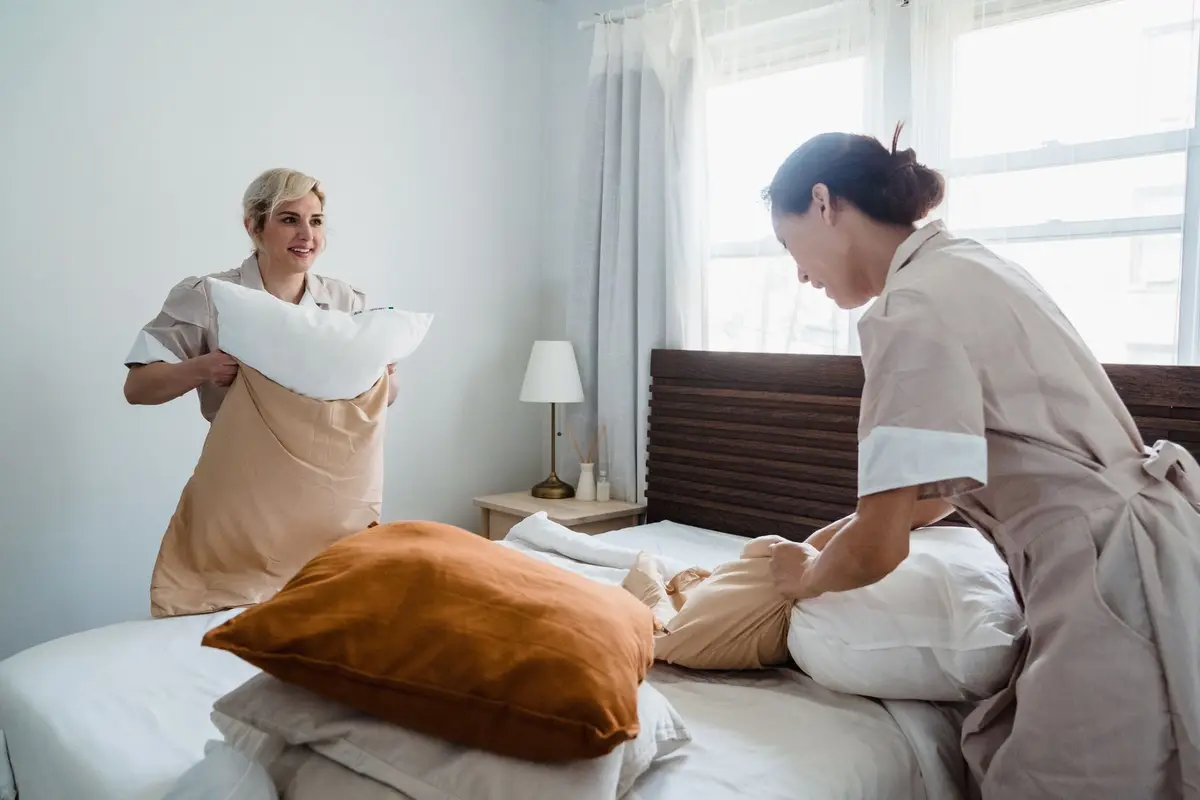
A housekeeping uniform is a tunic, polo, or tee in a mid-to-dark color with the property or company logo on the chest, matched pants, closed non-slip shoes, and usually an apron or utility pockets for supplies. Hotels lean toward tunics and smocks; residential and commercial cleaning teams lean toward polos and tees.
That's the whole kit for most operations, and the two decisions that matter are the style and the fabric. Everything else — names, color-coding, the apron — is a refinement you can add once the base is right.
Tunics, polos, or tees: match the style to the operation
Hotel and resort housekeeping: the tunic
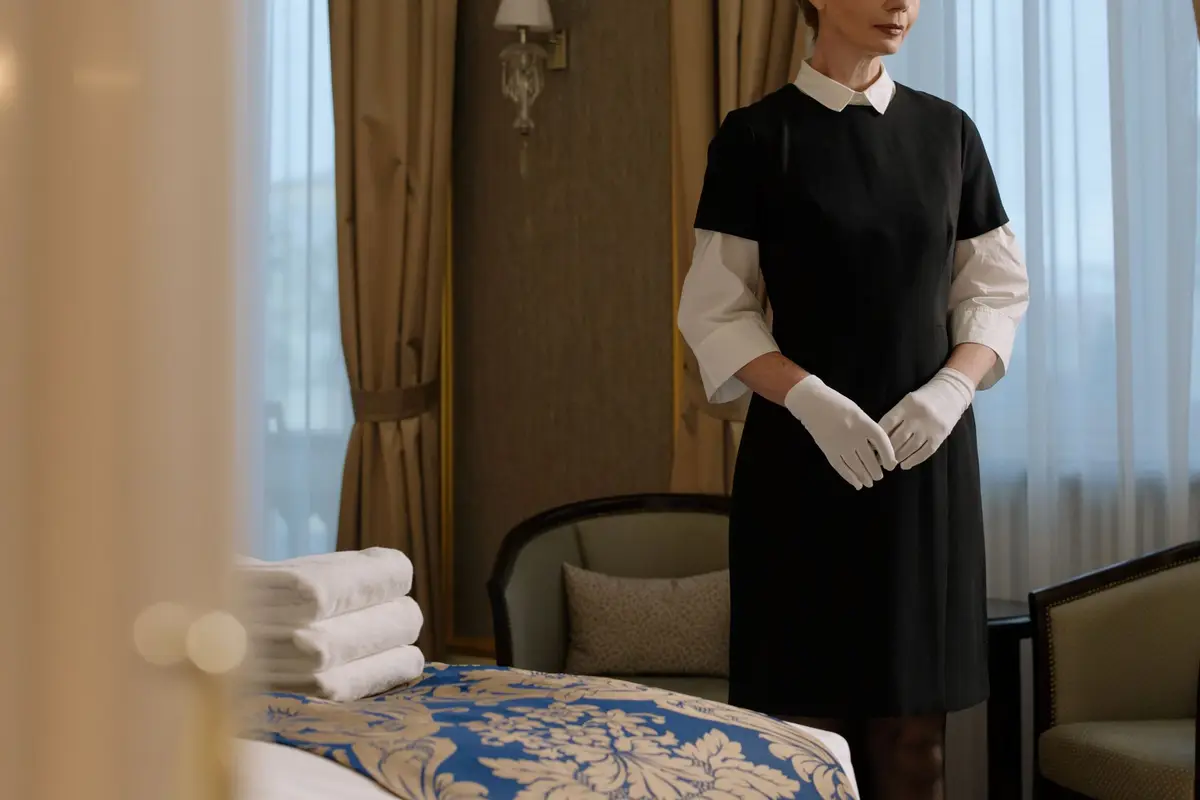
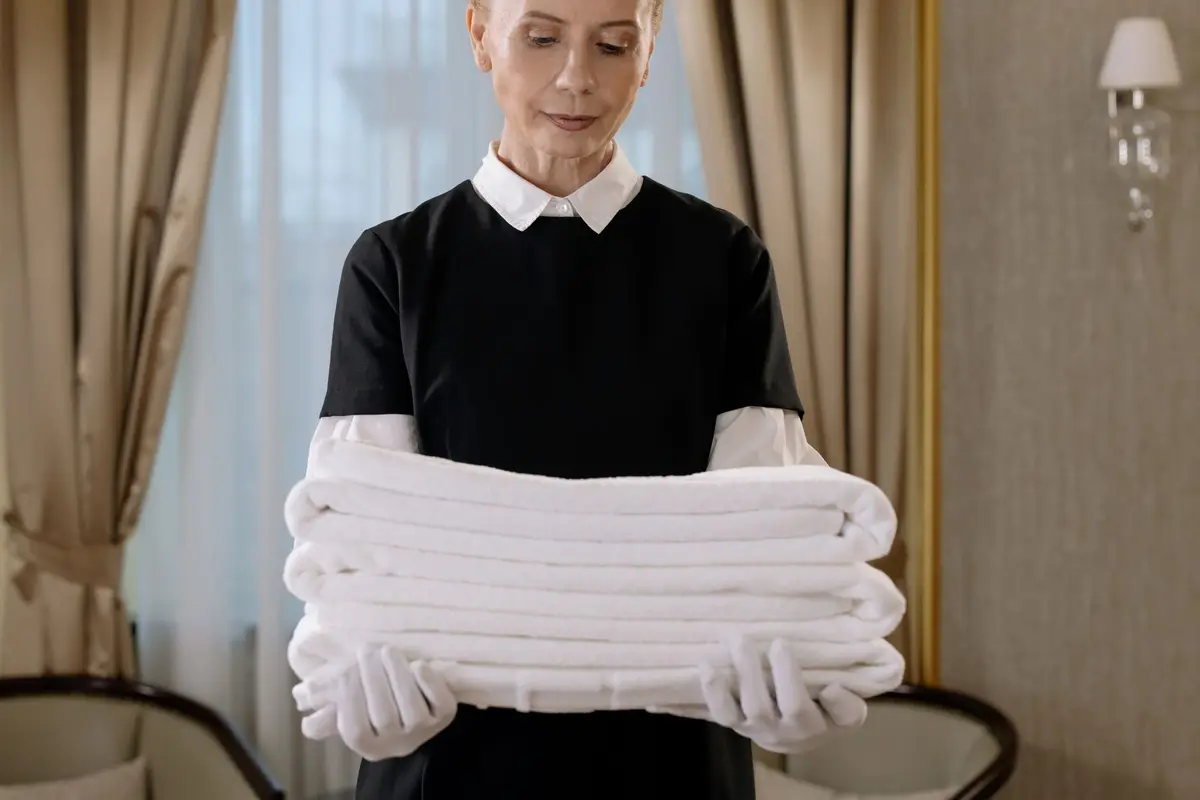
The classic housekeeping tunic — a longer, collared top with side pockets, often over dark pants — is still the standard in full-service hotels for good reasons. It reads as hospitality rather than janitorial, it hides a lot, and the pockets carry keys and cloths. A housekeeping dress is the more formal version in boutique and luxury properties. Either way, the logo is small and embroidered on the chest so it reads at corridor distance without shouting.
Residential and commercial cleaning teams: polos and tees
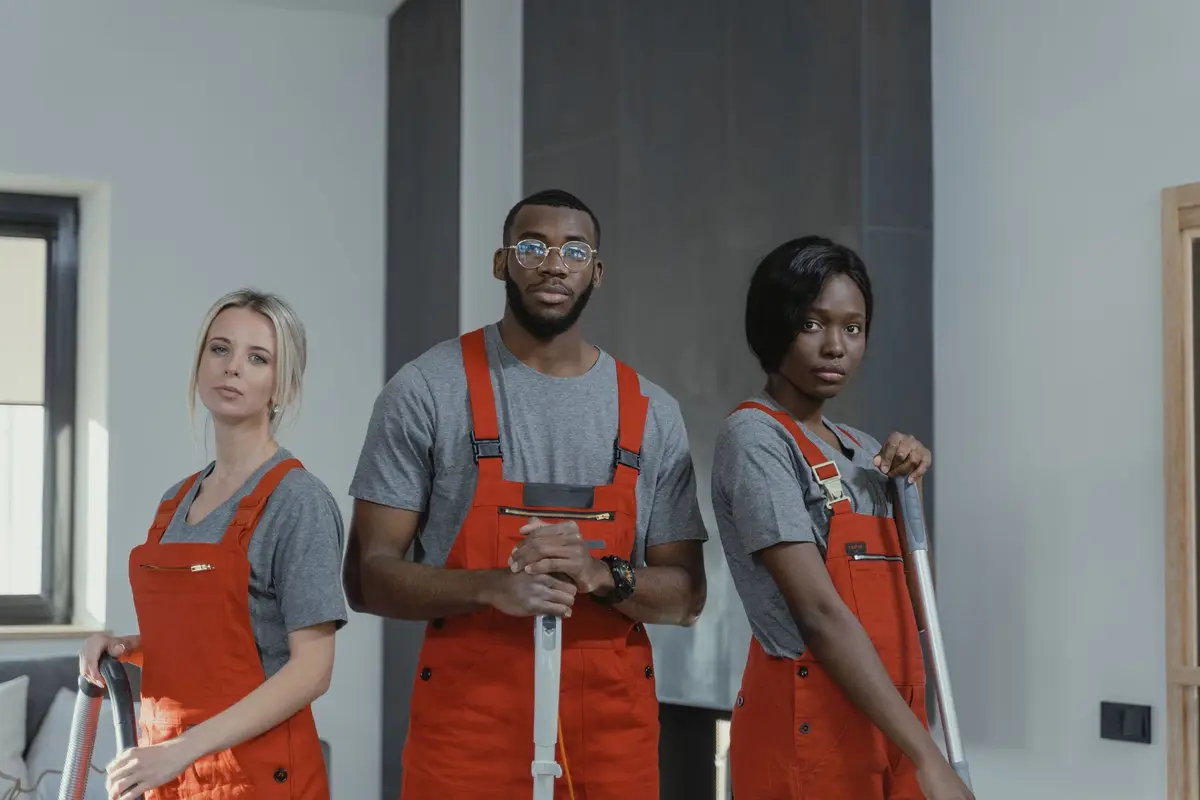
Home-cleaning and commercial janitorial crews get more mileage from a branded polo or performance tee with an apron — cheaper to replace, cooler to work in, and easier to color-code. If your crews work in customers' homes, the cleaning uniforms guide covers the trust-at-the-door side in more depth; this post is about the garment.
Aprons and utility vests
A branded apron protects the top, carries the spray bottles, and turns a plain shirt into a uniform for the price of one piece. It's also the cheapest way to refresh a look without rebuying every tunic. We stitch and print custom aprons in bib, waist, and cross-back cuts, and for a lot of teams the apron ends up being the piece that carries the logo.
Fabric: what survives bleach and a daily hot wash
Housekeeping garments get washed more than almost any other work uniform, and they meet bleach, disinfectant, and hot water on the way. Fabric choice is really a cost-per-wear decision.
Poly-cotton blends are the workhorse: they dry fast, resist wrinkles between rooms, hold color longer, and shrink less through repeated hot washes than pure cotton. Look for stretch if the job involves a lot of bending and reaching — every housekeeping job does — and a stain-release finish, which genuinely helps with the product spots ordinary fabric holds onto. Bleach-resistant fabrics exist and are worth it for teams that handle chlorine daily; regular dyed cotton goes orange in patches within weeks.
Whatever you pick, order one of everything and wash it ten times before you commit to a hundred. That's the cheapest test there is, and it has saved more than one of our customers from an expensive shrinking surprise.
Color: light says clean, dark stays clean
This is the trade-off every property wrestles with. White and pale colors signal hygiene — which is why they persist in luxury housekeeping — but they show every splash and fade under bleach. Navy, charcoal, black, and deep brand colors hide a full shift but can read as heavy in a bright, airy lobby.
The compromise most teams land on is a mid-tone or dark garment with a bright, contrasting embroidered logo, plus an apron that takes the abuse. If your brand is built on a light palette, put it in the logo and the apron trim rather than the whole tunic. And color-code roles once you're past a few people — supervisors in one color, room attendants in another, laundry in a third — so a manager can read a corridor at a glance.
Logo, names, and how it's applied
Keep the chest logo around 3.5 inches wide — the size that reads as a uniform rather than a billboard. For hotel teams that's usually the property mark; for cleaning companies it's the company logo plus a back print with the phone number, since a neighbor watching your crew is your cheapest lead.
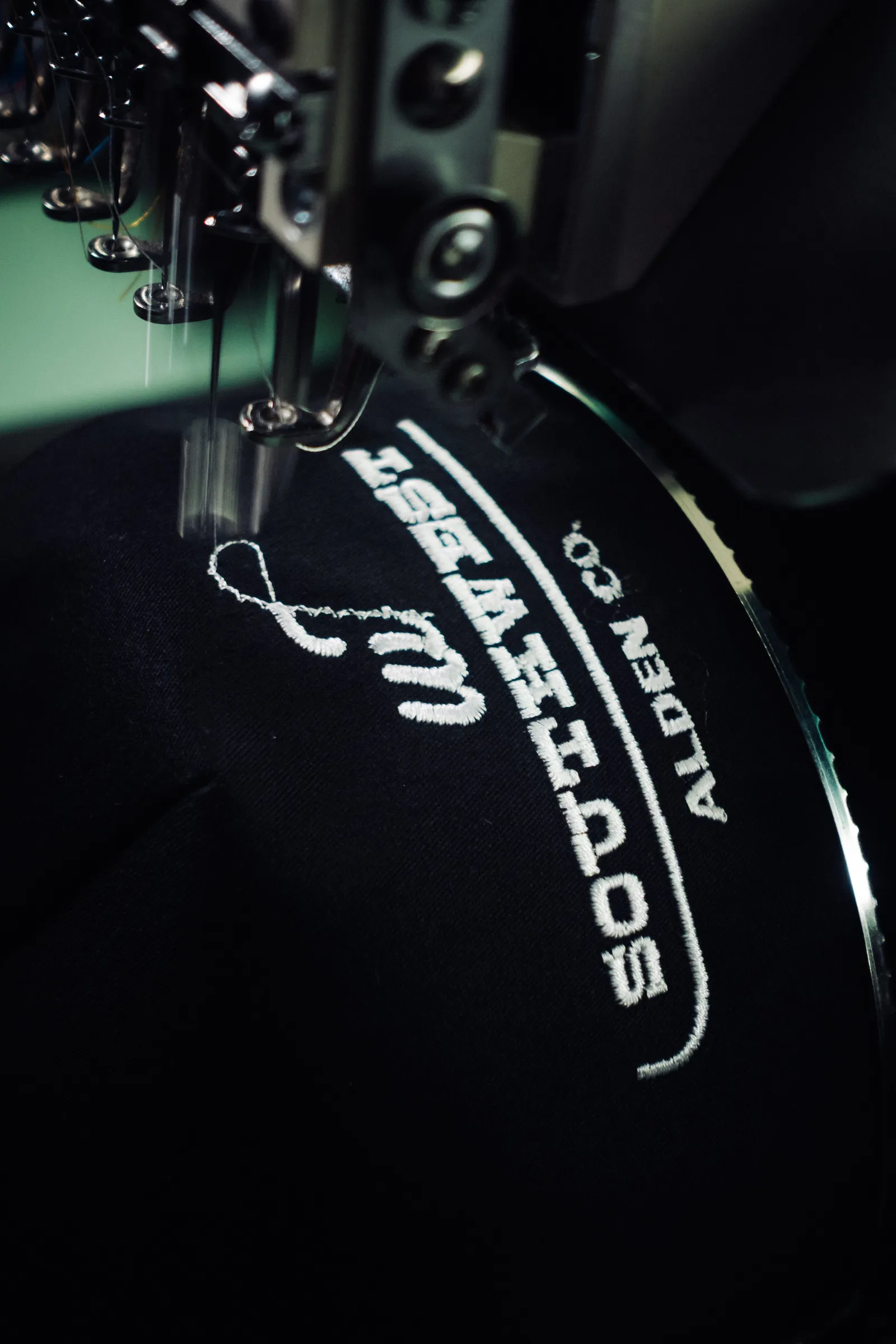
First names are worth adding for anyone who meets guests or homeowners — a name turns *the housekeeper* into *Ana*, and that matters when someone is being trusted with a room or a home. On decoration: embroidery is the default for tunics, polos, and aprons because stitched thread survives hundreds of hot washes; screen printing is the economical choice for a big run of tees; and DTF handles full-color logos and small batches. Skip iron-on vinyl — bleach and hot water lift it first.
One safety note that isn't a style choice: crews using disinfectants or restroom chemicals should have a long-sleeve option and gloves. OSHA puts the responsibility for protective equipment on the employer, so treat covered arms as part of the uniform program, not an upgrade.
Keeping a crew stocked through turnover
Housekeeping has some of the highest turnover in hospitality — maids and housekeeping cleaners are one of the largest occupations in the country, and most properties are onboarding somebody every month. Ordering forty tunics twice a year doesn't match that reality, and neither does an executive housekeeper re-collecting sizes on a clipboard.
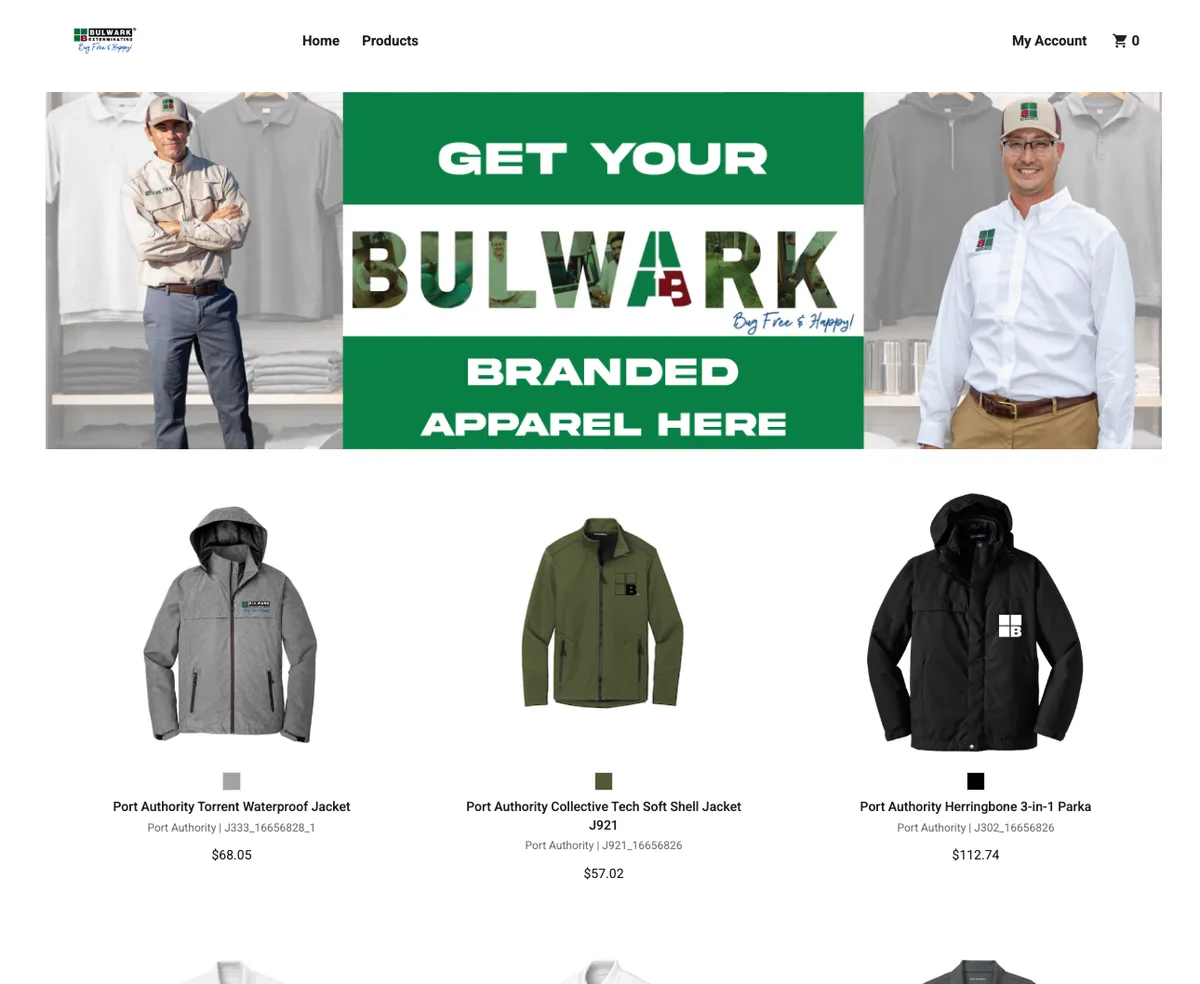
An online company store does. We load your approved garments, logo, and colors, and each new hire orders their own sizes from a link — no minimum, no artwork redo, no hunting for the file from two years ago. Run it company-paid, give each employee an annual allowance for replacements, or set it up as a formal uniform program with per-role kits and centralized billing. Multi-property groups get one store that every location pulls from, so the uniform in the second hotel matches the first.
For a one-time run, our minimums are screen printing at 48 pieces, embroidery and DTF at 12 — and through a store there's no minimum at all.
Custom housekeeping uniforms from Heart & Hook
We outfit hotels, resorts, hospitality groups, and residential and commercial cleaning teams across Arizona and ship anywhere — embroidered tunics and polos, printed tees, aprons, and caps, decorated in our own Mesa shop. Low minimums, an online store so new hires get their kit on day one, and a straight answer on which fabrics will survive your laundry routine.
Send over your logo, your headcount, and roughly how the team is split by role, and we'll come back with a free mockup and a clear quote. Just let us know what your team needs!
Frequently asked questions
- What should a housekeeping uniform include?
- A tunic, polo, or tee in a mid-to-dark color with the property or company logo on the chest, matched pants, closed non-slip shoes, and usually an apron or utility pockets for supplies. Hotels lean toward tunics and smocks; residential and commercial cleaning teams lean toward polos and tees.
- What color should housekeeping uniforms be?
- Light colors signal hygiene but show every splash and fade under bleach; navy, charcoal, black, and deep brand colors hide a full shift. Most teams pick a mid-tone or dark garment with a bright contrasting logo and let a branded apron take the abuse.
- What is the best fabric for housekeeping uniforms?
- Poly-cotton blends with some stretch and, ideally, a stain-release finish. They dry fast, resist wrinkles between rooms, hold color through hot washes, and shrink less than cotton. Teams that handle bleach daily should choose a bleach-resistant fabric.
- Do hotel housekeepers wear tunics or polos?
- Full-service hotels usually use tunics or smocks, sometimes a housekeeping dress in luxury properties, because they read as hospitality and carry pockets. Residential and commercial cleaning crews more often wear branded polos or performance tees with an apron.
- Should housekeeping uniforms be embroidered or printed?
- Embroidered for tunics, polos, and aprons — stitched thread survives hundreds of hot washes without cracking or peeling. Screen printing is the economical choice for large tee runs, and DTF covers full-color logos and small batches. Avoid iron-on vinyl, which bleach and hot water lift.
- Should housekeeping uniforms have names on them?
- For anyone who meets guests or homeowners, yes. A first name on the chest makes a housekeeper a person rather than a role, which builds trust fast when someone is being let into a room or a home. Names embroider cleanly under or opposite the logo.
- How do hotels handle housekeeping uniforms with high turnover?
- With an online company store: approved garments, logo, and colors stay loaded, and each new hire orders their own sizes from a link with no minimum. Multi-property groups run one store that every location pulls from so uniforms match across hotels.
- What is the minimum order for custom housekeeping uniforms?
- For a one-time run, screen printing starts at 48 pieces, embroidery and DTF at 12. Through an online company store there's no minimum at all, so a single new hire can be outfitted immediately.
Need uniforms for your crew?
Tell us how many people need gear and what they wear on the job. We'll send a free logo mockup and a quote, and keep your logo on file so every reorder matches.
Get a free uniform quote