
DTF Printing
Direct-to-film transfers print photo-quality, full-color designs with no color limits and just a 12-piece minimum — perfect for small batches, names and numbers, or intricate art.
- Small batches
- Photo prints
- Names & numbers
- Samples
What you get
- Great for small batches
- Great for photo prints
- Great for names & numbers
- Great for samples
Unlimited colors
Gradients, photos, and fine detail with no per-color charge.
Low minimum
Just 12 pieces — order a dozen or a thousand, and pricing scales smoothly.
Any fabric
Cotton, poly, blends, nylon, and performance wear all welcome.
How a dtf printing order runs
Upload art
High-resolution PNG or vector files give the crispest result.
Print & cure
We print and powder the film, then heat-cure for durability.
Press to garment
Pressed onto your goods or supplied as ready-to-press transfers.
What DTF is good at
DTF stands for direct-to-film. Your design is printed onto a clear film, coated with a powdered adhesive, cured, and heat-pressed onto the garment. The print sits on the surface as a thin, flexible layer.
The thing that makes it useful is what it doesn't need: no screens, no color separations, no setup per color. A one-color logo and a twelve-color photograph cost the same to produce. That single fact is why it changed the economics of small orders completely.
It also bonds to almost anything — cotton, polyester, blends, nylon, and performance fabric. If you're printing moisture-wicking jerseys or hi-vis, DTF sidesteps the dye migration that makes screen printing on polyester awkward.
When we'll recommend it over screen printing
Under 48 pieces. This is the big one. Screen printing has to recover its setup across the run, so below about 48 shirts DTF is genuinely cheaper — and we'll quote it that way even though it's usually the smaller sale.
Full-color artwork, photographs, or gradients. Screen printing can approximate those with halftone dots, but you'd be paying for six or eight screens and it still won't match your file.
Different designs across one run. Names, numbers, individual departments, one-off samples. Every piece can be different at no extra setup.
Polyester and performance fabric. No dye blockers, no low-cure inks, no pink-tinged white prints three weeks later.
The full comparison, including where screen printing wins, is in DTF vs. screen printing.
What it costs and what you need to send
DTF pricing is flat per piece — roughly the same whether you order 12 or 100, and the color count doesn't change it. That predictability is part of the appeal. Pricing is driven by print size rather than complexity: a small left-chest hit costs less than a full back.
Minimum is 12 pieces. No setup charge, no screen fee, nothing to recover.
On artwork, DTF wants resolution rather than vectors. A high-quality raster file is fine, but it needs to be 300 DPI at full print size with a transparent background. A logo pulled off a website at 600 pixels wide will look soft blown up to 11 inches — that's the single most common problem we see.
The honest limitations
You can feel it. DTF sits on top of the fabric rather than sinking into it. Modern DTF is far softer than the heat-transfer vinyl people remember, but a cured screen print still feels softer, especially on a large full-front design.
There's a cut edge. On artwork with hard outer edges you'll never notice. On something with wispy, feathered edges — smoke, watercolor, a soft glow — the transparent film can catch the light slightly.
Bulk economics favor screens. Past 48 pieces of a simple design, screen printing wins on price and hand feel, and we'll say so.
DTF Printing FAQs
- What is DTF printing?
- Direct-to-film. Your design is printed onto clear film, coated with adhesive powder, cured, and heat-pressed onto the garment. Because there are no screens to make, there is no setup cost per color — a one-color logo and a full-color photo cost the same to produce.
- What is the minimum order for DTF?
- 12 pieces. There is no setup or screen charge, so small runs are genuinely economical rather than just possible. Below about 48 pieces DTF is usually cheaper than screen printing, which is why we quote it that way.
- Is DTF cheaper than screen printing?
- Under about 48 pieces, yes, and by a clear margin — screen printing has to recover its setup across the run. Above 48 with a simple design, screen printing wins on both price per shirt and hand feel.
- Does DTF work on polyester?
- Very well, and better than screen printing does. It bonds to cotton, polyester, blends, nylon, and performance fabric without the dye migration that can turn a white screen print pink on a red poly shirt a few weeks in.
- How long does DTF printing last?
- A well-applied DTF print holds up through 50-plus washes without meaningful cracking or fading. Wash cold, turn the garment inside out, and skip high dryer heat. On synthetics it often outlasts screen printing.
- What file do you need for DTF?
- A high-resolution raster file is fine — it needs to be 300 DPI at the size it will actually print, with a transparent background. Vector works too. A small logo pulled off a website will look soft once enlarged, which is the most common issue we run into.
“Full-color art, low minimums, turned around fast. Perfect for our small-batch merch drops.”
Where we serve
DTF Printing for Heart & Hook customers with local pickup and fast shipping across our service area.
- Mesa, AZ
- Phoenix, AZ
- Scottsdale, AZ
- Tempe, AZ
- Chandler, AZ
- Gilbert, AZ
- Peoria, AZ
- Glendale, AZ
- Paradise Valley, AZ
- Flagstaff, AZ
- Tucson, AZ
Related
Other services
DTF Printing guides
What it costs, how it's made, and how to pick the right method.
 Guides
DTF vs Screen Printing: Cost, Quality & Which to Pick
DTF vs screen printing, from a shop that runs both. Where the cost flips, which lasts longer, how each feels — and the honest answer for your order.
Read article →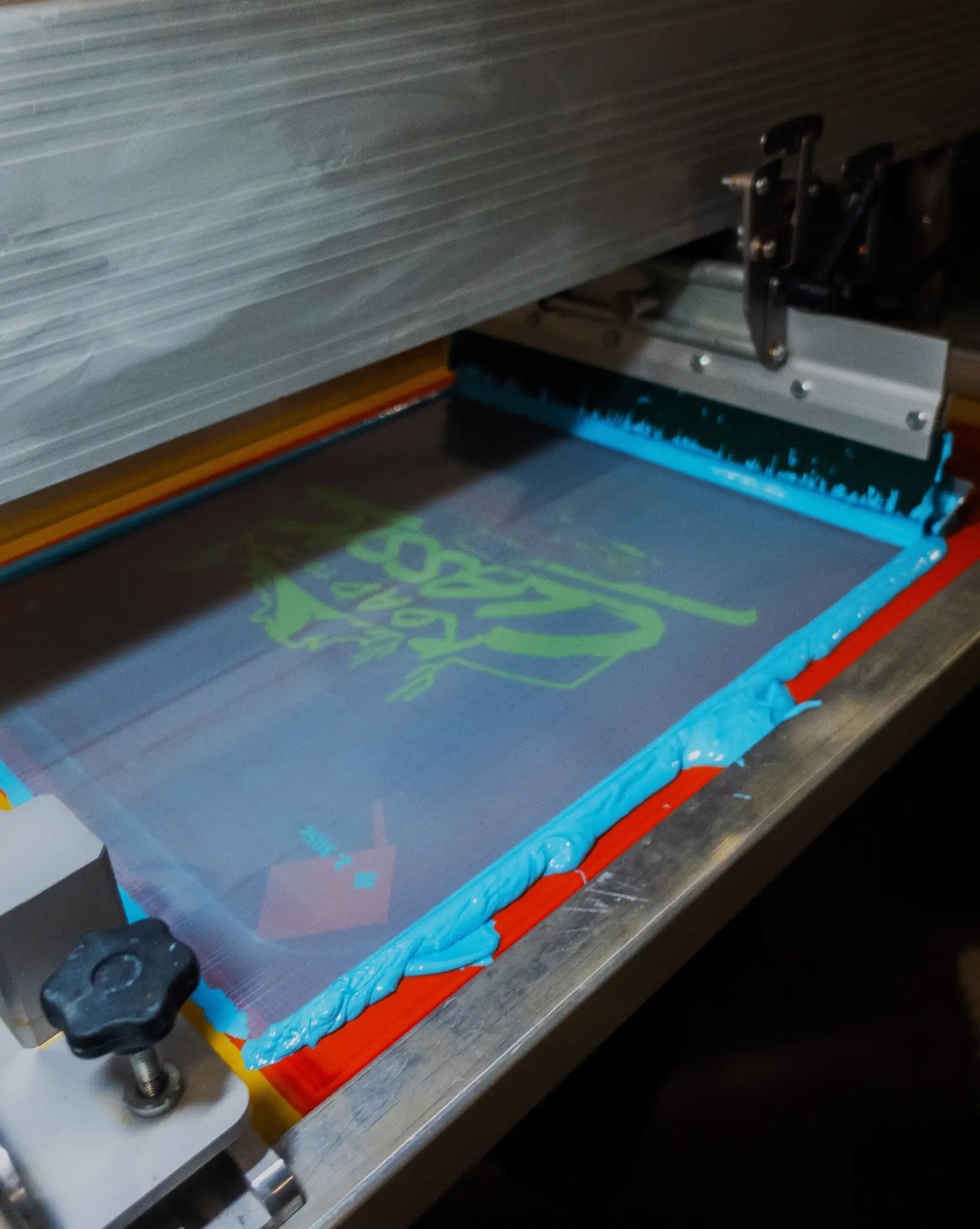 Guides
What Is Screen Printing? How It Works, Step by Step
Screen printing pushes ink through a mesh stencil onto a garment, one color at a time, then heat-cures it so it lasts. Here's the whole process from artwork to finished shirt, what it's genuinely good at, where it falls down, and how it stacks up against DTF and embroidery.
Read article →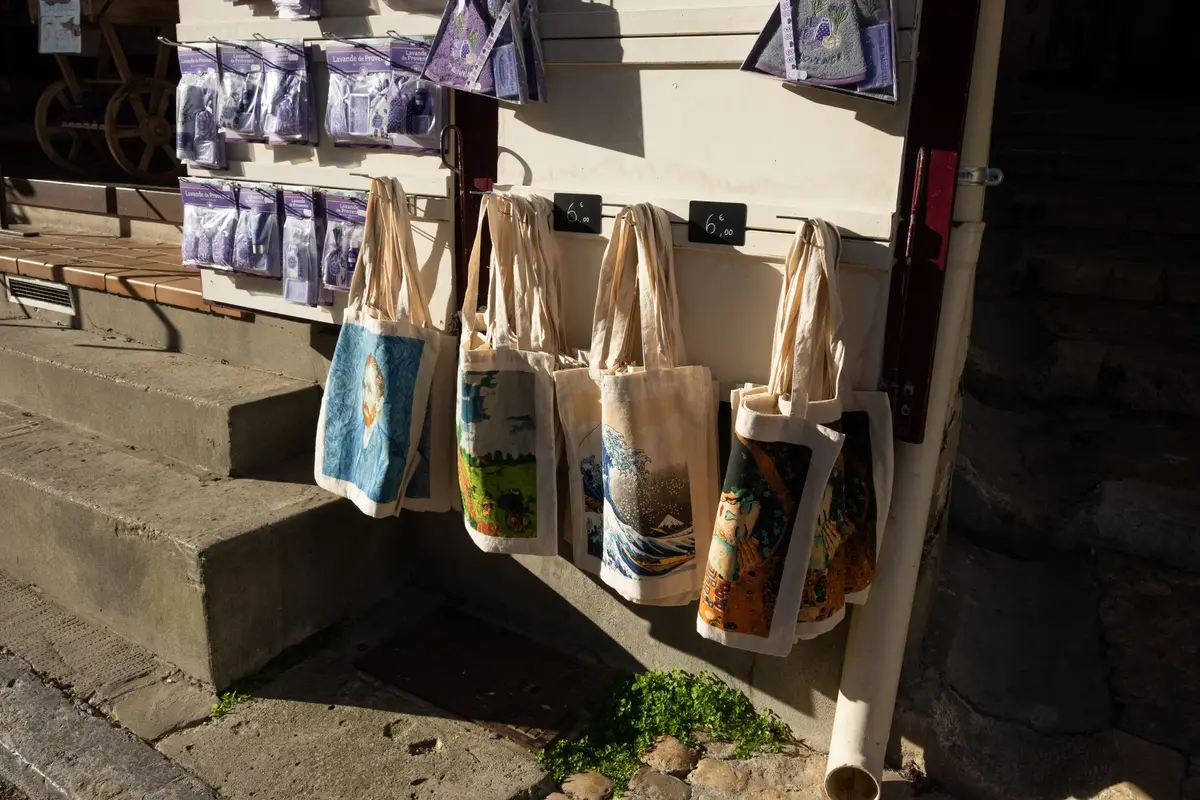 Guides
Custom Tote Bags: Canvas Weights, Printing & Costs
Most custom tote bags disappoint for one of two reasons: the canvas is too thin, or the design is something nobody wants to carry. Here's how canvas weights work, which style to pick, what printing method fits, and what actually drives the price.
Read article →Ready to start a dtf printing order?
Send us your idea and quantities — we'll come back with a free mockup and quote.