Most custom tote bags disappoint for one of two reasons: the canvas is too thin, or the design is something nobody wants to carry. Here's how canvas weights work, which style to pick, what printing method fits, and what actually drives the price.
Tote bags are the rare piece of swag that people genuinely keep. A conference pen is in a landfill by Friday; a good tote lives in somebody's car for five years and walks your logo through a grocery store every week. That's the best return in promotional apparel, and it's why totes keep showing up on every swag list.
But most custom totes disappoint, and it's almost always one of two reasons: the canvas was too thin to survive a real load, or the design was something nobody actually wanted to carry. Both are fixable at order time. Here's how canvas weights work, which bag style to pick, which printing method fits your art, and what really drives the price.
What to know before ordering custom tote bags
Pick your canvas weight first: 5–6 oz for cheap giveaways, 10 oz for everyday use, 12 oz and up for heavy loads. Then choose a bag with a bottom gusset if it needs to hold shape, decide between short handles and shoulder-length, and match the print method to your artwork — screen print for simple logos in bulk, DTF for full color.
Get those four decisions right and the rest is easy. Get the weight wrong and it doesn't matter how good the print is — a 5 oz bag with a laptop in it stretches out of shape in a week, and that's the version of your brand people remember.
Canvas weight, explained
Canvas is sold by ounces per square yard, and the number tells you almost everything about how the bag will feel and last.
5–6 oz: lightweight
Thin, soft, and cheap. Fine for conference giveaways, retail packaging, church welcome bags, and anything where the bag carries a program and a water bottle. It will not hold up to groceries, and it won't stand up on its own. Buy it knowing that's what it is — for a 500-piece giveaway at a low price point, it's the right tool.
8–10 oz: the sweet spot
This is what most people should buy. A 10 oz cotton canvas holds real weight, keeps its shape, feels substantial in the hand, and takes a print beautifully. It's the difference between a bag someone uses and a bag someone throws in a closet. If you only remember one number from this article, make it 10.
12 oz and up: heavy duty
Stiff, structural, and built for tools, books, or a full grocery run. These stand up on their own, often come with reinforced stitching and webbed handles, and cost more per bag. Worth it for retail totes you're selling, employee gifts, or anything you want to feel like a real product.
Non-woven polypropylene: the other category
The crinkly reusable bags you see at grocery checkouts. Cheapest per unit, lightweight, and easy to print big graphics on, but they don't feel or last like cotton. Good for high-volume events, less good as a gift.
Bag style: gussets, handles, and extras
A bottom gusset — the panel that gives the bag depth — is the difference between a flat envelope and a bag that holds a shape. If people will carry anything bulky, get a gusseted bag. A side gusset adds even more capacity. Flat totes are fine for documents and giveaways.
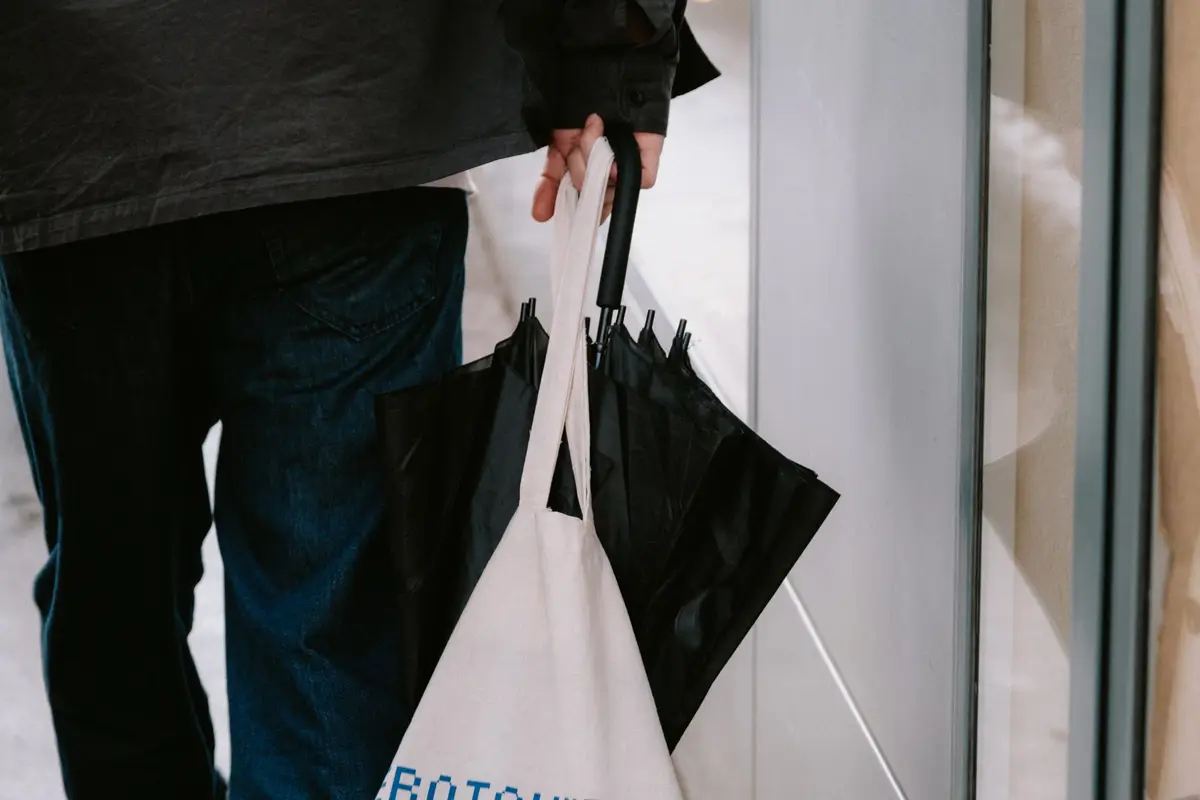
Handle length matters more than people expect. Short handles (about 20 inches total) are hand-carry only. Longer handles (24–30 inches) go over a shoulder, which is what people actually want for groceries, the gym, and the beach. Shoulder-length handles get carried more, and a bag that gets carried is the whole point.
Worth considering: an inside pocket for keys and a phone, reinforced stress-point stitching at the handle joins (that's where cheap bags fail first), a zipper top if it's going to be a beach or travel bag, and colored handles or trim as an easy way to pull in a brand color without printing it.
Printing methods for totes
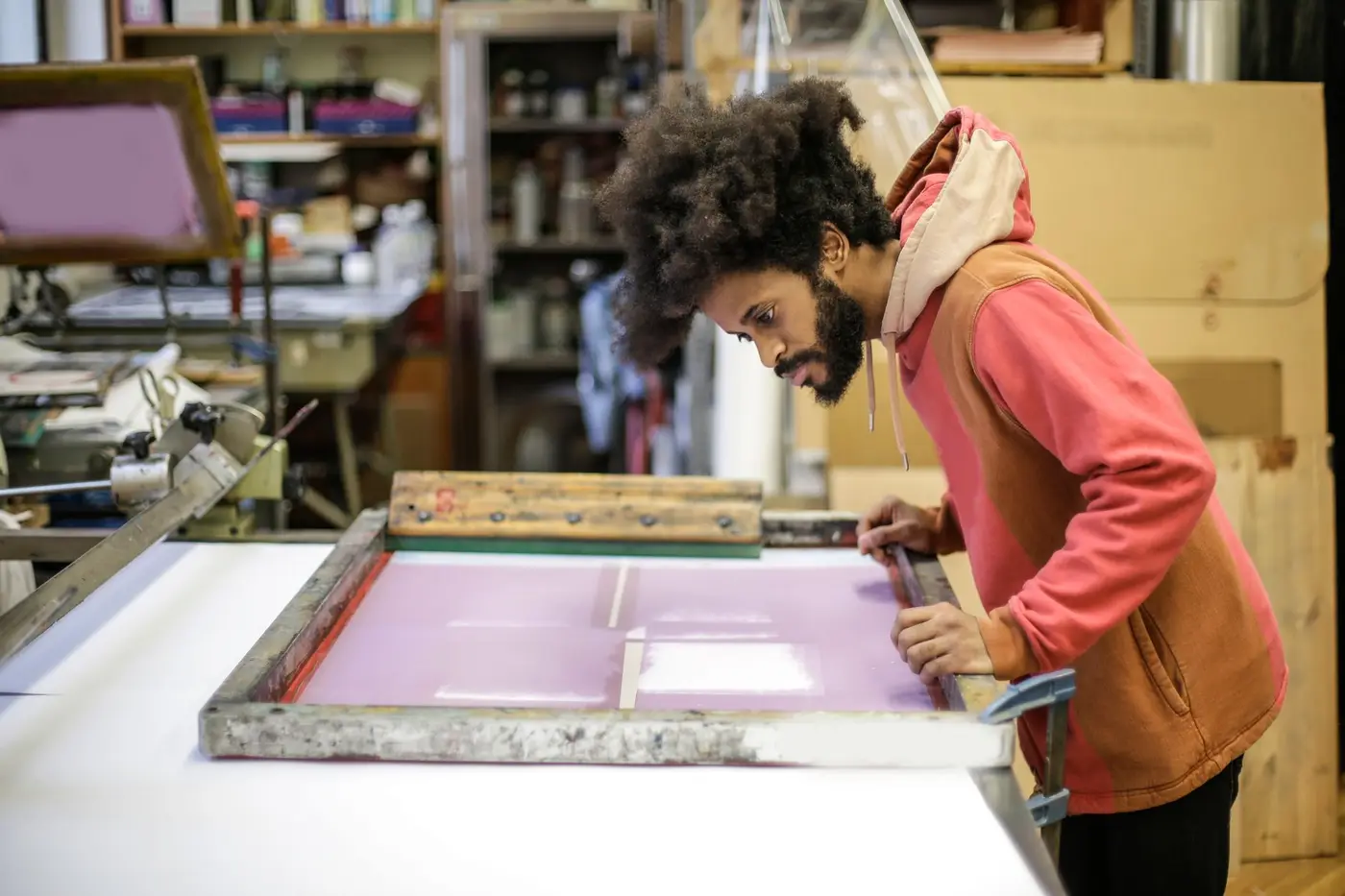
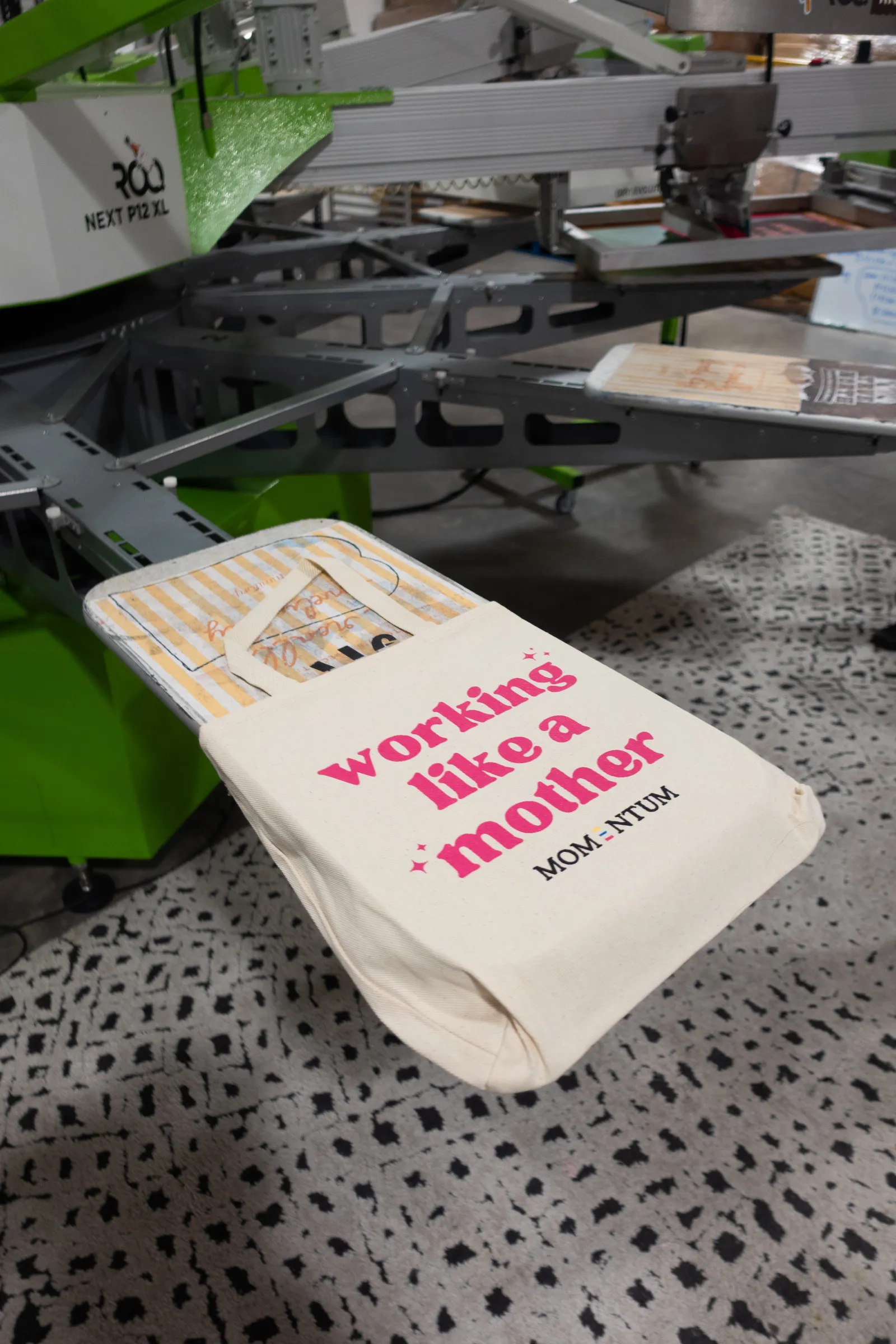
Screen printing is the workhorse for totes. Thick ink, excellent durability on canvas, and the lowest cost per bag once you're past about 48 pieces with a one- or two-color design. If your logo is simple and the run is real, this is the answer.
DTF handles full-color artwork, photographs, and gradients with no per-color setup and just a 12-piece minimum — the right call for small runs and detailed designs. Embroidery is the premium option: a stitched logo on a heavy canvas tote looks and feels like a retail product, which makes it a strong choice for client gifts and employee welcome kits. It costs more per bag and works best with simpler logos.
One practical note: totes print flat and the seams get in the way. Keep your design inside the flat front panel and away from the side seams and the bottom gusset fold — a design that runs into a seam prints unevenly. Send us the art and we'll size it to the panel before anything goes on press.
Design tips for a bag people actually carry
Here's the honest version, and it's the thing most swag guides skip: a cotton tote only beats a disposable bag if it actually gets used a lot. The Danish EPA's life cycle assessment of grocery carrier bags put the number for a conventional cotton bag at roughly 7,100 uses to offset a plastic bag reused once as a bin liner. You can argue with the methodology, but the practical takeaway is solid: an unused tote is worse than no tote. So the whole job is making a bag people want to carry.
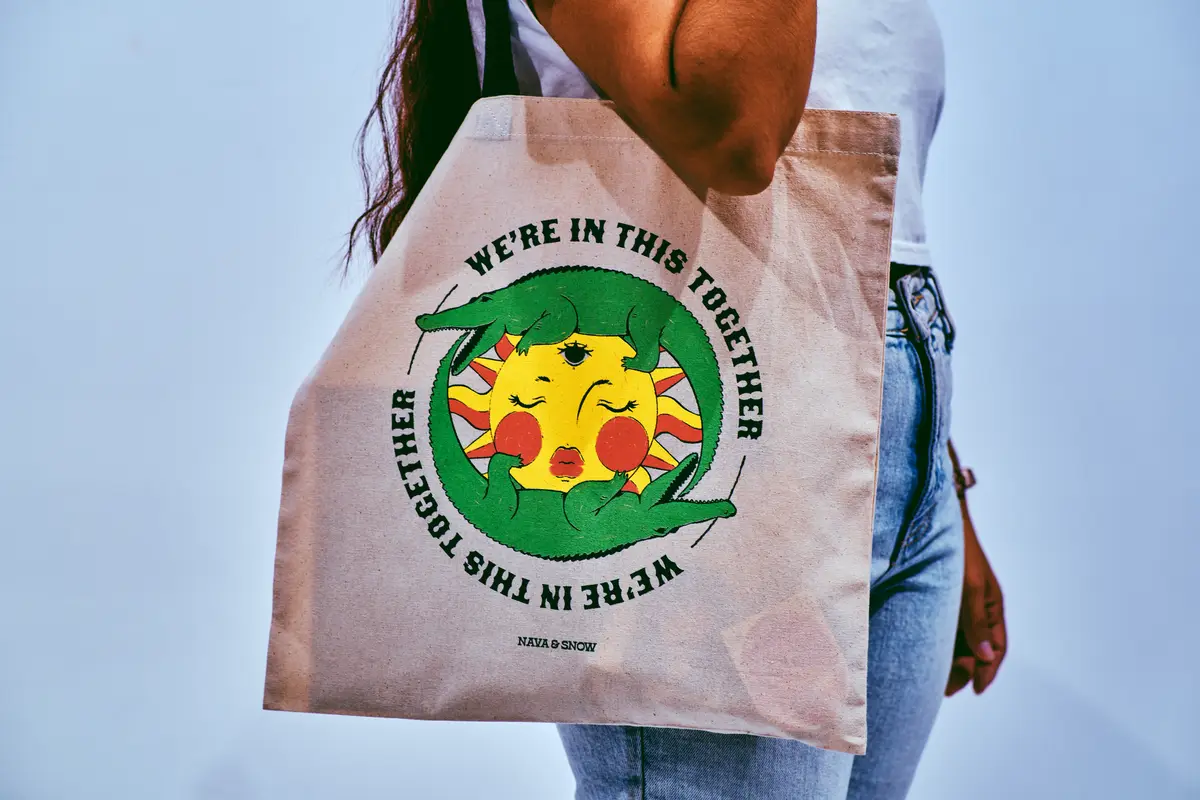
Which means going lighter on the branding than instinct says. A giant logo across the whole panel reads as an advertisement and stays home. A smaller logo placed low or off to one side, or a design where your brand is part of something people like — the mission, the city, a nice piece of art — gets carried for years. Your name doesn't have to be big to be seen when the bag is out in the world five days a week.
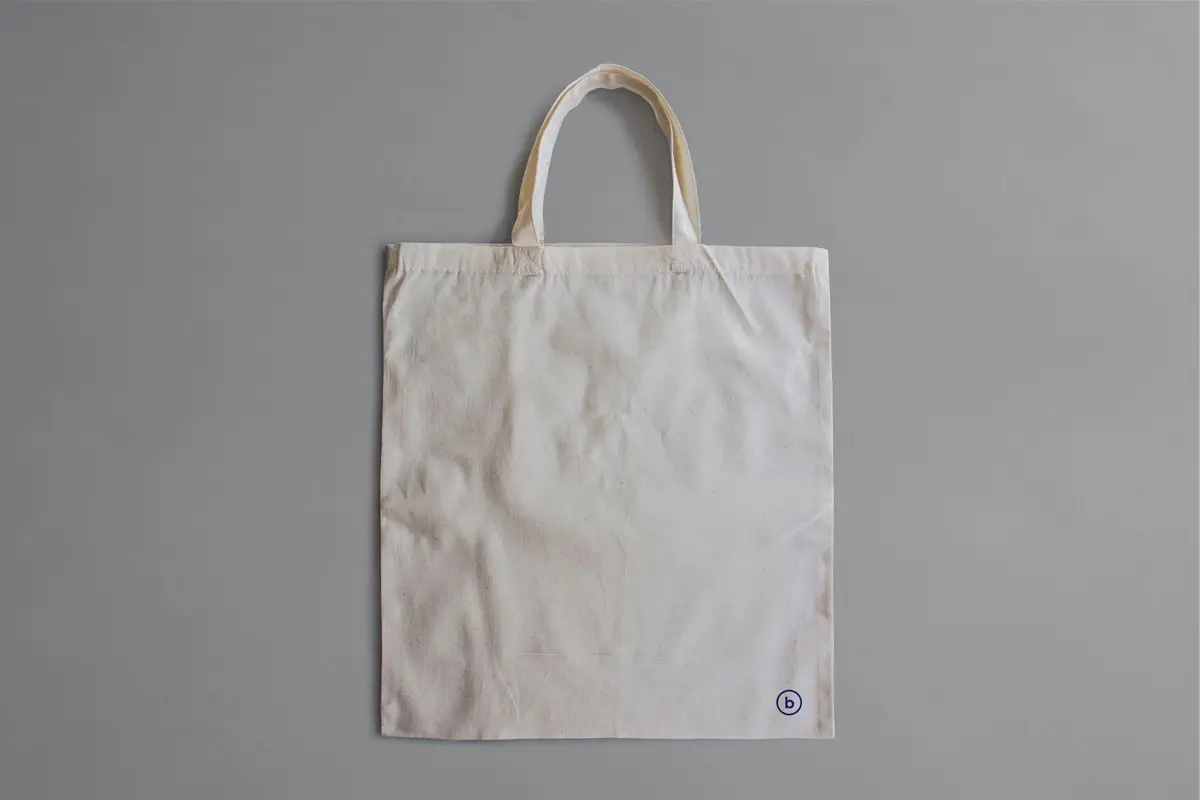
Natural canvas with a one-color print is the classic for a reason: it looks good with everything, it's the cheapest way to print, and it never looks dated. If you want color, put it in the handles.
What custom tote bags cost
Four things drive the price, and they're all under your control: the blank (a 5 oz giveaway bag versus a 12 oz gusseted tote is a big spread), the quantity (setup gets spread across the run, so 200 bags cost much less each than 24), the number of print colors (each color is another screen on a screen-printed job), and the decoration method.
The single biggest lever is color count. A one-color print on natural canvas at a real quantity is dramatically cheaper than a four-color print on 30 bags — and it usually looks better anyway. If your logo is complicated, we'll often suggest a simplified one-color version for bags and keep the full logo elsewhere. Our screen printing cost guide breaks down how the pricing math works in general.
For a one-time run, our minimums are screen printing at 48 pieces, embroidery and DTF at 12 — and through an online store there's no minimum at all.
Custom tote bags from Heart & Hook
We print and embroider tote bags for businesses, churches, nonprofits, and events across Arizona and ship anywhere — canvas totes, grocery bags, drawstring bags, and the rest of the promotional products lineup. They're a staple of the company swag and trade show giveaway orders we run, and they hold up better than almost anything else on the table.
Tell us the quantity, what people will actually carry in it, and send your logo — we'll come back with a free mockup and a straight quote, including an honest recommendation on canvas weight. Just let us know what you have in mind!
Frequently asked questions
- What canvas weight is best for a custom tote bag?
- 10 oz cotton canvas is the sweet spot for most orders — it holds real weight, keeps its shape, and feels substantial. Use 5 to 6 oz for cheap giveaways that only carry a program and a bottle, and 12 oz or heavier for tools, books, or retail totes you want to feel like a product.
- What is a gusset on a tote bag?
- The panel at the bottom or sides that gives the bag depth so it holds a shape instead of lying flat. If people will carry anything bulky — groceries, a laptop, supplies — get a gusseted bag. Flat totes are fine for documents and event giveaways.
- What is the best printing method for tote bags?
- Screen printing for simple one- or two-color logos in runs of 48 or more — it's the most durable and the cheapest per bag. DTF for full-color artwork and small batches, with a 12-piece minimum. Embroidery for a premium, retail-feeling bag, best with simpler logos.
- How much do custom tote bags cost?
- It depends on the blank, the quantity, the number of print colors, and the decoration method. Color count is the biggest lever — a one-color print on natural canvas at a real quantity costs dramatically less than a four-color print on a small run, and usually looks better.
- Are custom tote bags actually eco-friendly?
- Only if they get used a lot. The Danish EPA's life cycle assessment put a conventional cotton bag at roughly 7,100 uses to offset a plastic bag reused once as a bin liner. The practical takeaway is to make a bag people genuinely want to carry — an unused tote is worse than no tote.
- How big should the logo be on a tote bag?
- Smaller than you think. A giant logo across the whole panel reads as an advertisement and tends to stay in a closet. A smaller logo placed low or to one side, or a design people actually like, gets carried for years — which is where the real exposure comes from.
- What handle length should I choose for a tote bag?
- Shoulder-length handles, roughly 24 to 30 inches, get carried far more than short 20-inch hand-carry handles. People want to sling a tote over a shoulder for groceries, the gym, or the beach, and a bag that gets carried is the entire point.
- What is the minimum order for custom tote bags?
- For a one-time run, screen printing starts at 48 pieces, embroidery and DTF at 12. Through an online company store there's no minimum at all.
Got a project in mind?
Send us your idea and quantities — we'll come back with a free mockup and quote.
Get a free quote