What screen printing actually costs per shirt, what drives the number, the fees that don't always make it onto a quote, and how to bring your price down.
How much does screen printing cost?
Screen printing usually lands between $9 and $17 per shirt, and quantity moves that number more than anything else. A one- or two-color print on a standard tee runs about $12–$17 each at 48–71 pieces and settles around $9–$12 each past 1,000. Those are our real numbers, printed and shipped.
Those come straight off our own pricing, not an industry average. Two things surprise people: the curve is flatter than they expect — there's no cliff between 50 shirts and 500 — and there's no separate screen or setup fee on top. More on both below.
That's what this guide is for. I'd rather you understand what you're paying for than just take a number on faith.
What actually drives the price
1. Quantity — by far the biggest lever
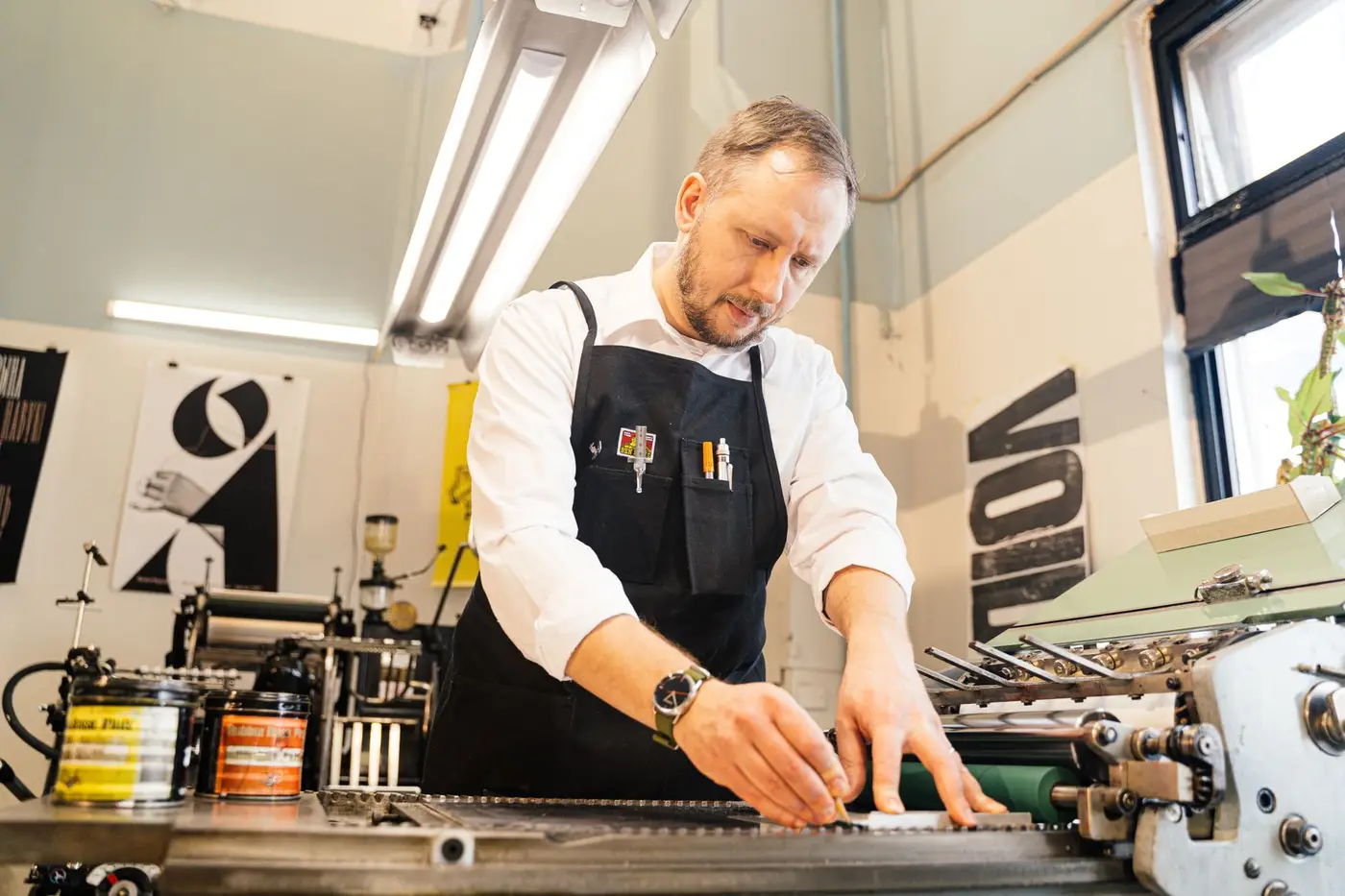
Screen printing has a fixed cost at the front of every job: burning screens, mixing ink, lining up registration, running test prints. That work takes the same amount of time whether you're printing 20 shirts or 500. Spread across 500 it's pennies each. Spread across 20 it's most of your invoice.
This is why the per-shirt price falls off a cliff as quantity climbs, and why every shop pushes you toward bigger runs.
2. Number of ink colors
Each color needs its own screen, its own setup, and its own pass through the press. A four-color design costs roughly four times the setup of a one-color design and takes longer to run. This is the easiest place to save money, and most designs look better with fewer colors anyway.
3. The blank garment
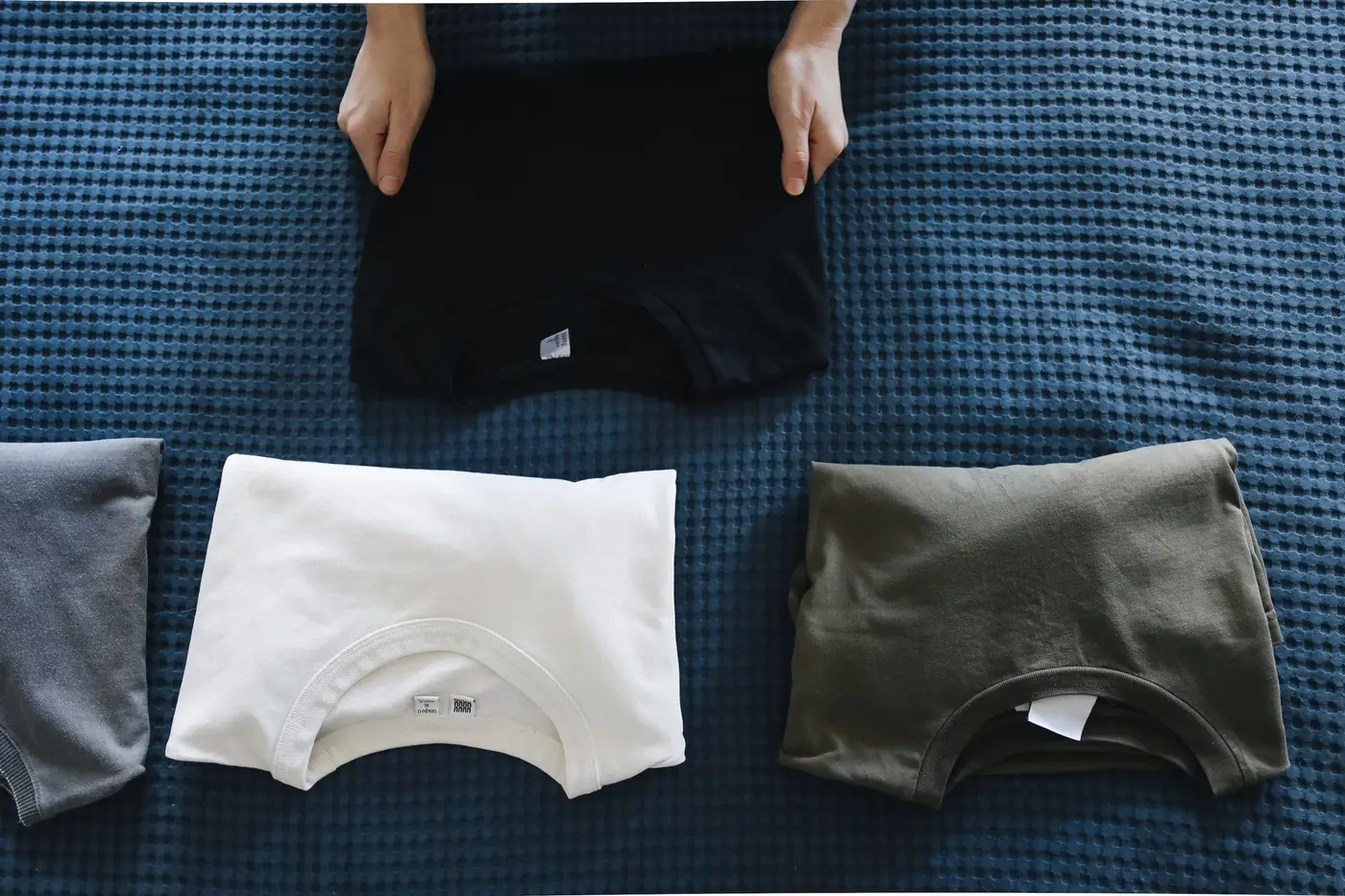
The shirt itself is often the single largest line on a quote, and it's the one people forget to ask about. A basic heavyweight cotton tee might be a few dollars. A soft ringspun or tri-blend can be double that. A branded performance polo, several times more.
When a quote comes back higher than you expected, the blank is usually why — not the printing. Always ask which garment you're being quoted on, because *"$9 a shirt"* means nothing without knowing what shirt.
4. How many places you print
Front and back is two print locations, which means two setups and two passes. Add a sleeve hit and you're at three. Each location adds roughly what a fresh single-color print would cost. A left-chest logo plus a big back design is the most common two-location layout and usually worth the extra.
5. Dark shirts
Printing a light design onto a dark garment requires laying down a white underbase first so the color doesn't sink into the fabric and go dull. That underbase is an extra screen and an extra pass — so it usually counts as an additional color. It's not an upcharge anyone invented to pad the bill; it's a genuine extra step.
Typical cost per shirt by quantity
These are our actual per-shirt prices for a one to two color print, one location, spanning a basic cotton tee at the low end to a softer mid-weight tee at the high end. Your quote will land inside these bands:
Under 48 shirts — we quote it as DTF, not screen printing. Priced by print size rather than color count: roughly $13–$16 for a small left-chest print, $16–$19 for a standard front, and $23–$31 for a large or full-back design. It's cheaper than screen printing at this size and there's no color limit.
48–71 shirts — about $12 to $17 each. Screen printing takes over here. This is the smallest run where it makes sense.
72–143 shirts — about $11 to $15 each. The most common size we print, and the sweet spot for most company, church, and team orders.
144–287 shirts — about $10 to $14 each. The press time per shirt keeps dropping.
288–999 shirts — about $9 to $13 each. Most of the savings available have landed by now.
1,000 and up — about $9 to $12 each. Approaching the floor, where you're mostly paying for the blank itself. Past 5,000 we'll quote it custom.
Add colors beyond two and every band shifts up. Pick a premium blank — a tri-blend, a performance polo — and they shift up again, because the garment is doing the work. But the shape of the curve never changes.
Setup fees, explained honestly
Most shops bill a screen fee of $20–$30 per color, per location, on top of the per-shirt price. We don't. Our setup is built into the per-piece rate you saw above — which is exactly why the small-run prices look higher and the large-run prices look flat.
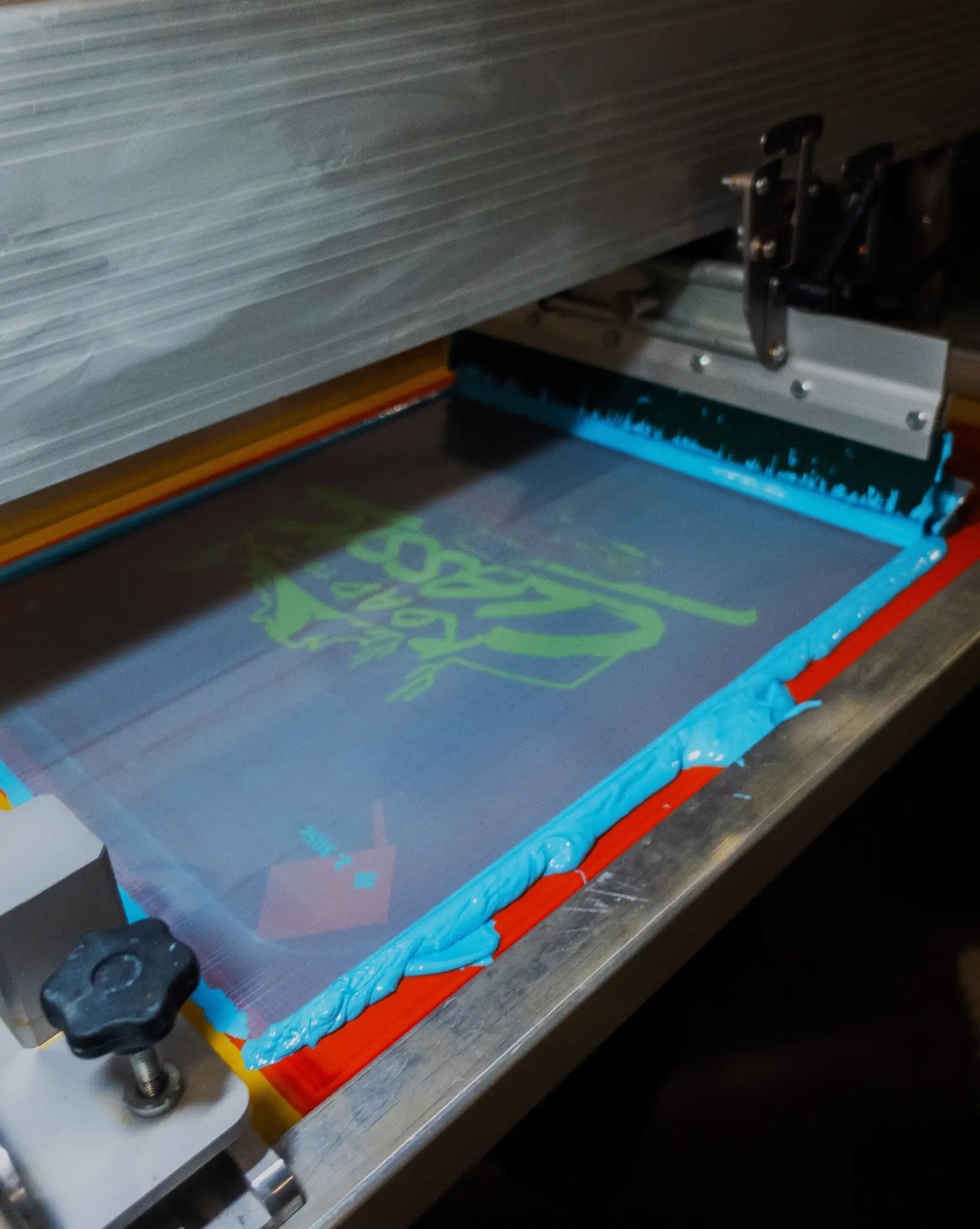
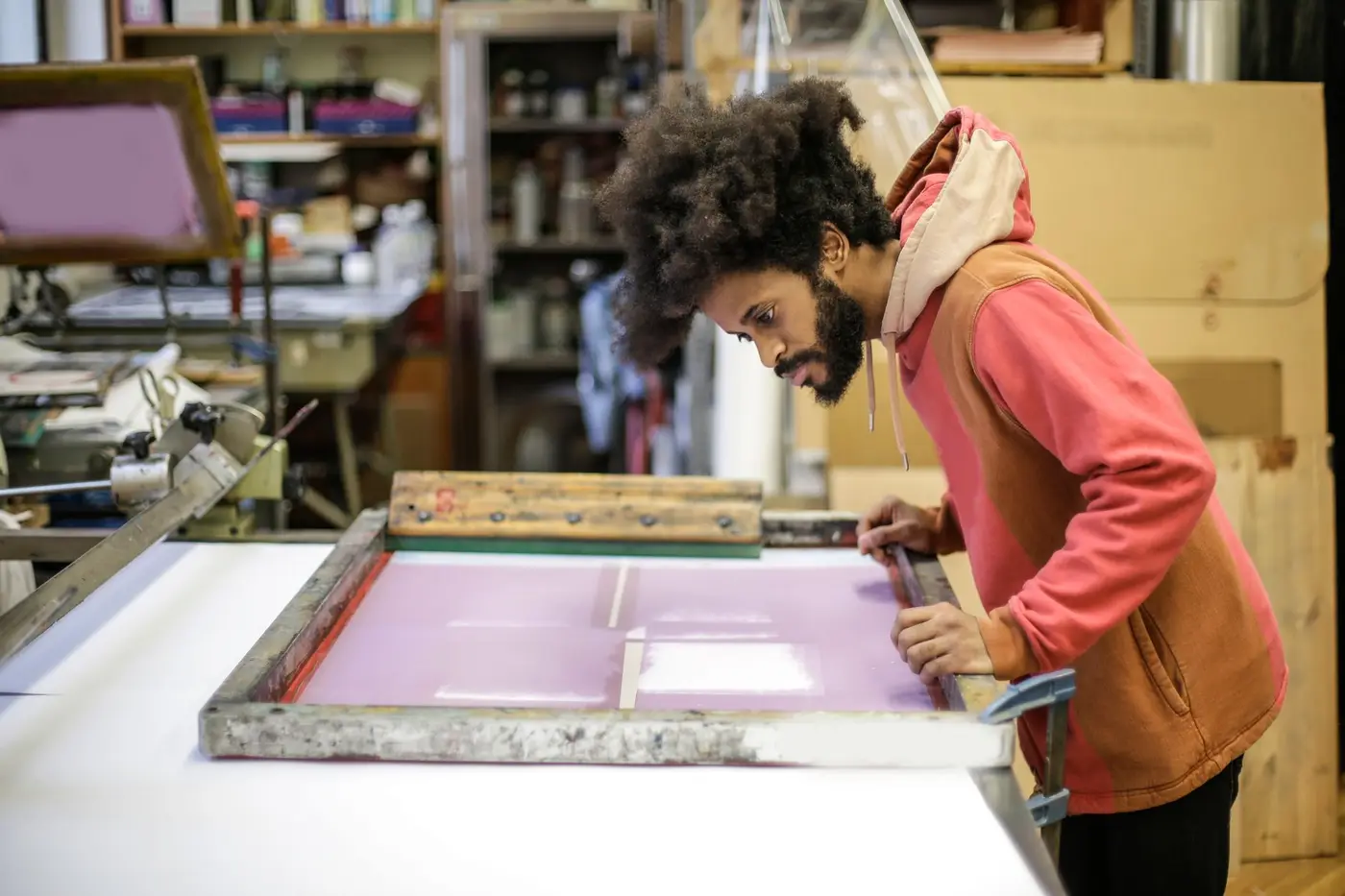
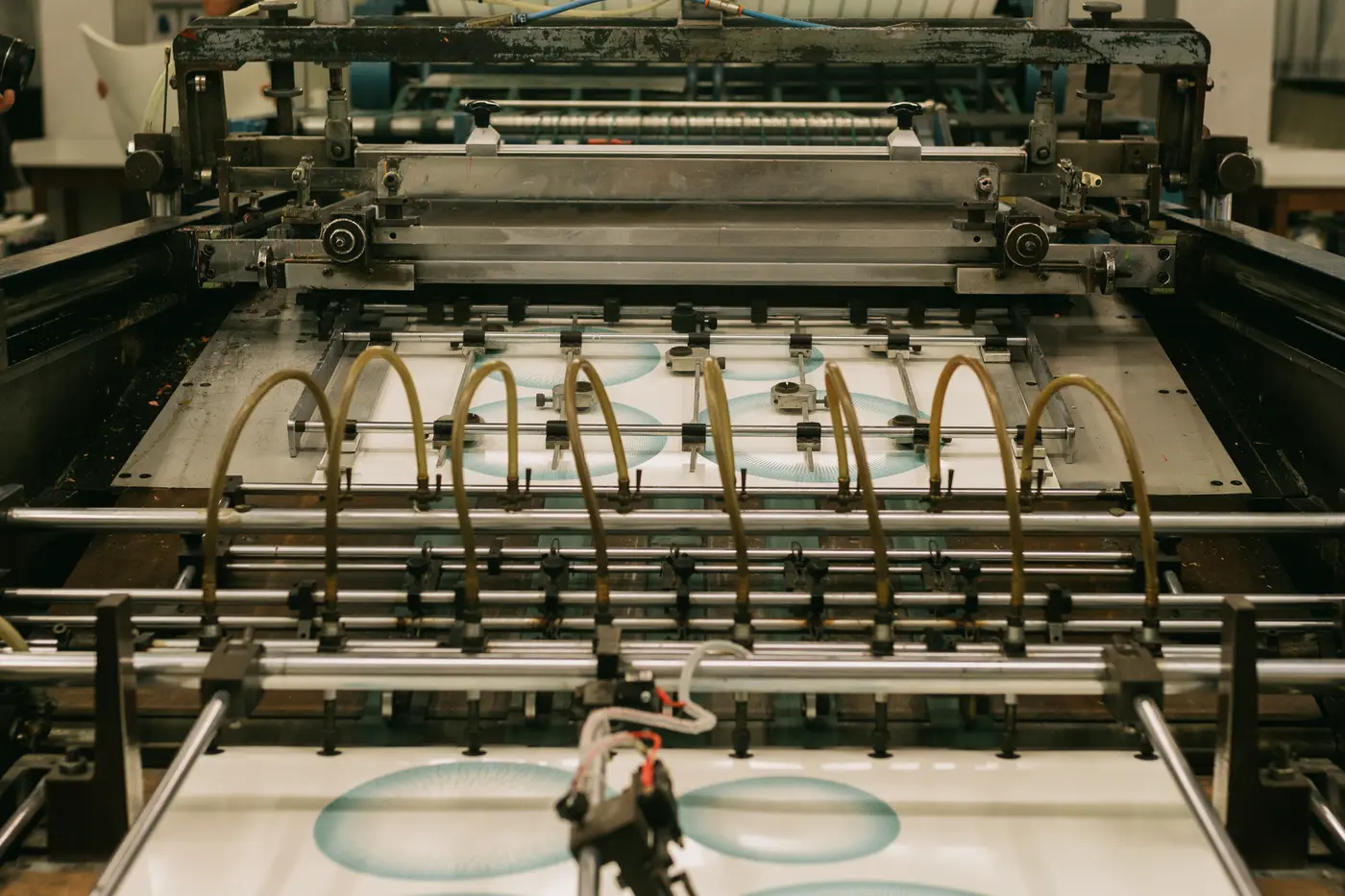
Your artwork gets separated into individual colors. Each color is output onto film. Each film is burned onto a mesh screen coated in light-sensitive emulsion, then washed out and dried. Each screen is mounted on the press and registered so the colors line up within a fraction of a millimeter. Then test prints run until the ink lays down right. Only then does the actual order start.
That's an hour or more of skilled work before shirt number one, and somebody pays for it either way. We'd just rather you saw one number than a low per-shirt price with a fee stapled underneath. When you compare quotes, add the setup line back in — a $6 shirt with $120 of screen fees on a 60-piece run is an $8 shirt.
We keep screens on file either way, so a reorder of the same design goes straight to press. Worth asking any shop how long they hold them.
The costs that don't always show up on a quote
This is the part I wish more shops put in writing. None of these are unreasonable — but finding out about them after you've approved a number is a bad afternoon. Ask about every one of these, including with us.
Art fees. If your logo needs redrawing, vectorizing, or real design work, that's a service with a real price. We charge for genuine design work and say so up front; small cleanups we generally just handle. Ask where a shop draws that line.
Rush fees. Standard turnaround is usually two to three weeks once artwork is approved. Need it faster and you're paying for someone's schedule to be rearranged.
Oversized prints. Anything beyond a standard print area can move you onto different equipment and different pricing.
Specialty inks. Puff, metallic, glow, water-based, and discharge all cost more than standard plastisol.
Individual names and numbers. Every shirt becomes its own job. Common on team uniforms and priced per piece.
Folding, bagging, and shipping. Usually modest, occasionally not, especially if shirts need sorting by size and name for distribution.
A quote worth trusting names all of these before you commit. If yours doesn't, just ask — a straight answer is a good sign about how the rest of the job will go.
How to bring your price down
In rough order of how much they actually save you:
Cut your color count. Going from four colors to two removes two screens, two setups, and two press passes. It's the single biggest saving available, and one- and two-color designs usually look sharper anyway.
Combine orders. Two departments ordering 40 shirts each separately pay small-run pricing twice. One 80-piece order pays it once. Same for a church running two events a quarter apart — print them together.
Print one location instead of two. A front-only design costs meaningfully less than front and back.
Be flexible on the blank. Ask what's comparable and cheaper. There's often a garment a dollar or two less that nobody will be able to tell apart once it's printed.
Print on light garments where you can. Skipping the white underbase on darks removes a color from the job.
Give yourself time. Rush fees are the most avoidable cost on this entire page.
Reorder the same design. No new setup, and you already know it looks right.
When screen printing is the wrong tool
Most pricing guides won't tell you this, because they're written by people who want to sell you screen printing. But the cheapest job is the one that uses the right method, so:
Under 48 shirts, DTF wins — so that's what we'll quote you. DTF has no per-color setup at all, so a small run with a complicated design costs far less than screen printing the same job. We compared the two in detail in DTF vs screen printing; the practical line for us is 48 pieces.
Full-color artwork, photos, or gradients? Also DTF. Screen printing can simulate those with halftones, but you'll pay for six or eight screens to get there and it still won't look like the file you sent.
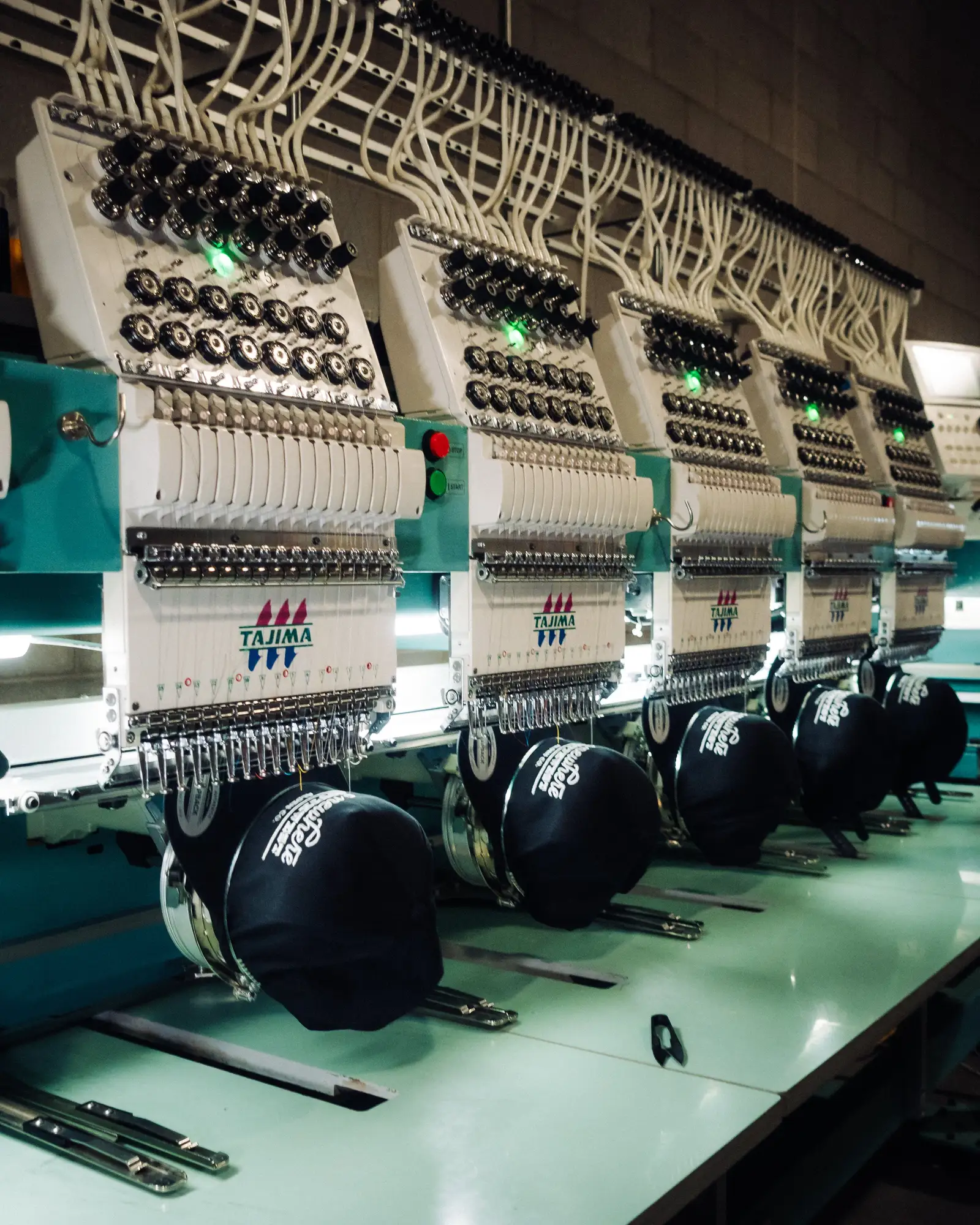
Polos, hats, jackets, or anything you want to look premium? Embroidery. Different cost structure entirely — you pay a one-time digitizing fee and then per stitch count, and it lasts the life of the garment.
Everyone getting a different name? Names and numbers on 30 shirts is 30 setups in screen printing. There are better ways.
If a shop only ever recommends the thing they're best at selling, that's worth noticing.
Get an actual number for your job
The bands above are real, but your exact number depends on your artwork, your quantity, and which blank you pick — so the fastest way to find out is to ask.
Send us your design, roughly how many you need, and what it's for. You'll get a free mockup and a quote with the garment named, the setup broken out, and nothing waiting to surprise you later. If a different method would cost you less, we'll say so — even when it's the smaller sale for us.
More on the process itself on our screen printing page, or just get in touch and we'll take it from there!
Frequently asked questions
- How much does screen printing cost per shirt?
- For us, about $9 to $17 per shirt. A one- or two-color print on a standard tee runs roughly $12 to $17 each at 48 to 71 pieces and settles around $9 to $12 past 1,000. There is no separate screen or setup fee on top — it is built into the per-piece price. The blank you pick swings the total more than anything else.
- Why is screen printing so expensive for small orders?
- Because the setup work is the same regardless of run size. Burning screens, mixing ink, and registering the press takes an hour or more before the first shirt prints. Across 500 shirts that cost disappears; across 15 it is most of the job. That is why under 48 pieces we quote DTF instead, which has no setup at all.
- What is a screen printing setup fee?
- At most shops, a one-time charge of roughly $20 to $30 per color per location, covering color separation, film output, burning and washing screens, and registering the press. We do not bill it separately — it is built into our per-piece price. When comparing quotes, add any setup line back in before deciding which is cheaper.
- Does the number of colors change the price?
- Yes, significantly. Each color needs its own screen, setup, and press pass, so a four-color design costs roughly four times the setup of a one-color design. Reducing your color count is the easiest way to lower a quote, and simpler designs usually print better anyway.
- Why does printing on black shirts cost more?
- A light design on a dark garment needs a white underbase printed first so the colors stay bright instead of sinking into the fabric. That underbase is an additional screen and an additional pass, so it generally counts as an extra color. It is a real production step, not an arbitrary upcharge.
- What is the minimum order for screen printing?
- For screen printing specifically, 48 pieces is where it starts making sense for us. There is no technical minimum — it is an economic one. Below 48 we quote DTF instead, which has no setup cost and handles a dozen shirts comfortably, so small orders are still very doable.
- Is screen printing cheaper than DTF or DTG?
- It depends on quantity and color count. Screen printing wins on larger runs of simple designs, where the per-shirt cost is unbeatable. DTF wins under 48 pieces and on any full-color or photographic artwork, since it has no per-color setup charge. That 48-piece line is where we switch.
- Do reorders cost less than the first order?
- Usually yes at shops that bill setup separately, since a reorder skips those fees. Our setup is already inside the per-piece price, so a reorder simply lands in whatever quantity band it falls into — order more at once and the rate drops. We keep screens on file so a repeat run goes straight to press.
- How can I make screen printing cheaper?
- Reduce your color count, order more at once rather than in several small runs, print one location instead of two, ask about a comparable cheaper blank, and give yourself enough lead time to avoid rush fees. Color count and quantity are where the real savings are.
Got a project in mind?
Send us your idea and quantities — we'll come back with a free mockup and quote.
Get a free quote