Embroidery vs. screen printing, compared straight — cost, durability, detail, and the garments each is best for, plus where DTF fits and a simple rule for choosing. From a Mesa shop that does all three in house.
It's the question we get more than any other: should this be embroidered or screen printed? Here's the good news — we do both (and DTF) under one roof here in Mesa, so we don't have a horse in the race. We'll tell you straight which one fits your job, even when it's the smaller sale for us.
The short version: neither is "better" in a vacuum. They're different tools, and the right one depends on your garment, your logo, and how many you're ordering. Let's break down how each works, put them head to head, and give you a simple rule for choosing.
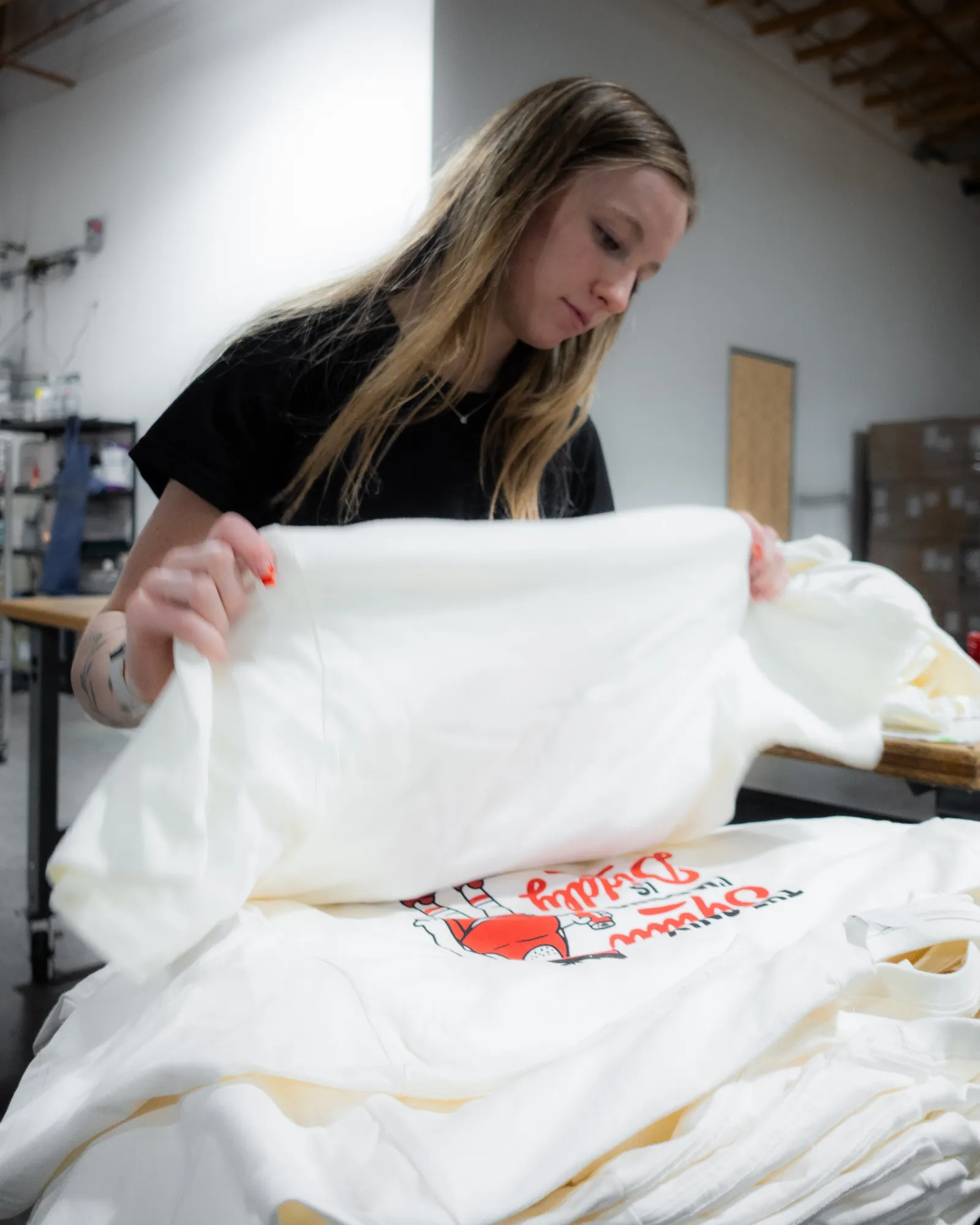
Embroidery vs. screen printing: which is actually better?
Neither embroidery nor screen printing is universally better — it depends on the garment, the logo, and the quantity. Embroidery is best for durable, premium logos on polos, caps, and jackets. Screen printing is best for large, colorful designs on tees and hoodies, especially at higher quantities, where it's cheaper per piece.
So the real question isn't "which is better," it's "which fits *this* job." A stitched left-chest logo on a company polo and a big full-color graphic on a stack of event tees are two completely different asks, and each has a clear winner. Once you know what each method is actually good at, the choice usually makes itself.
What is embroidery?
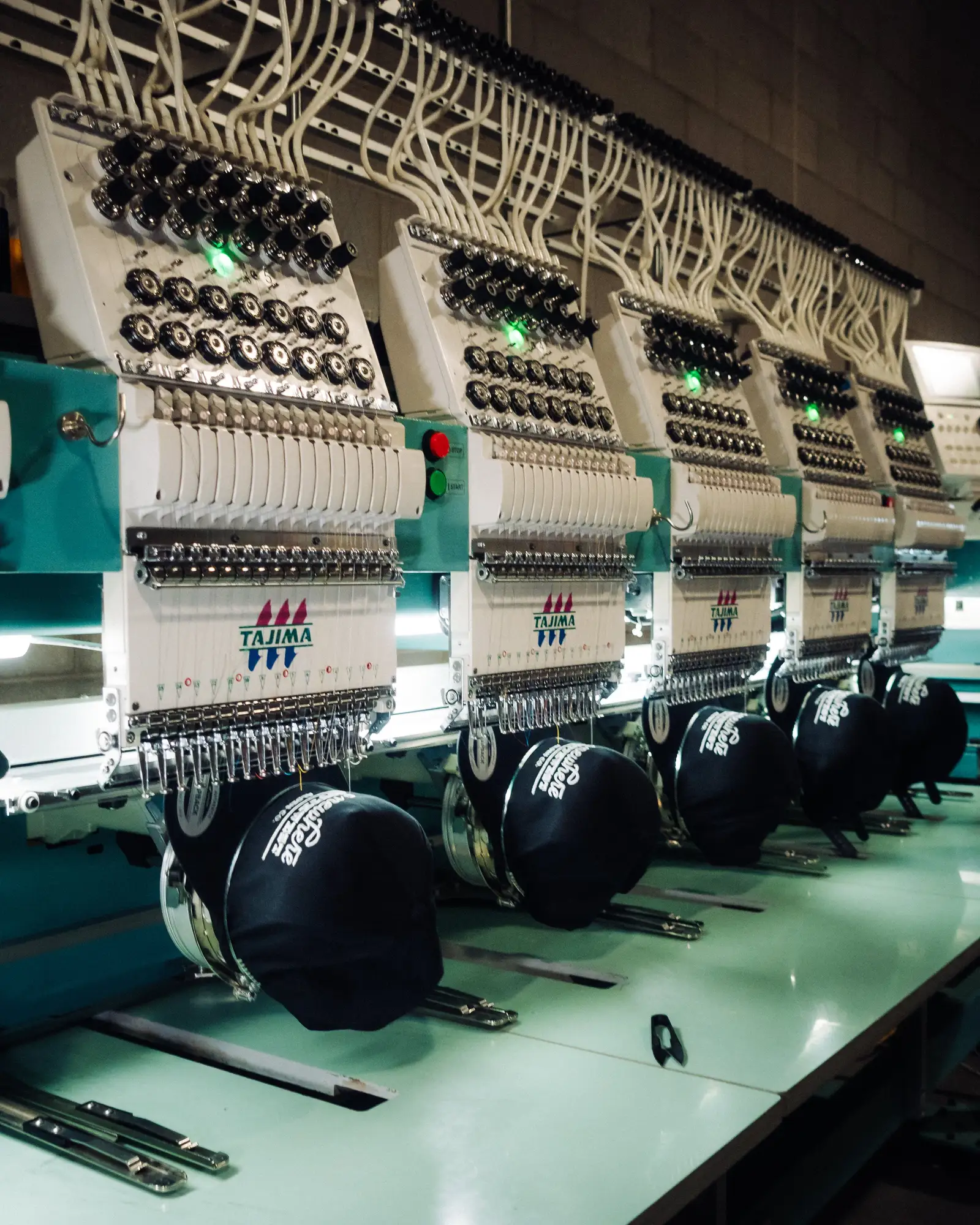
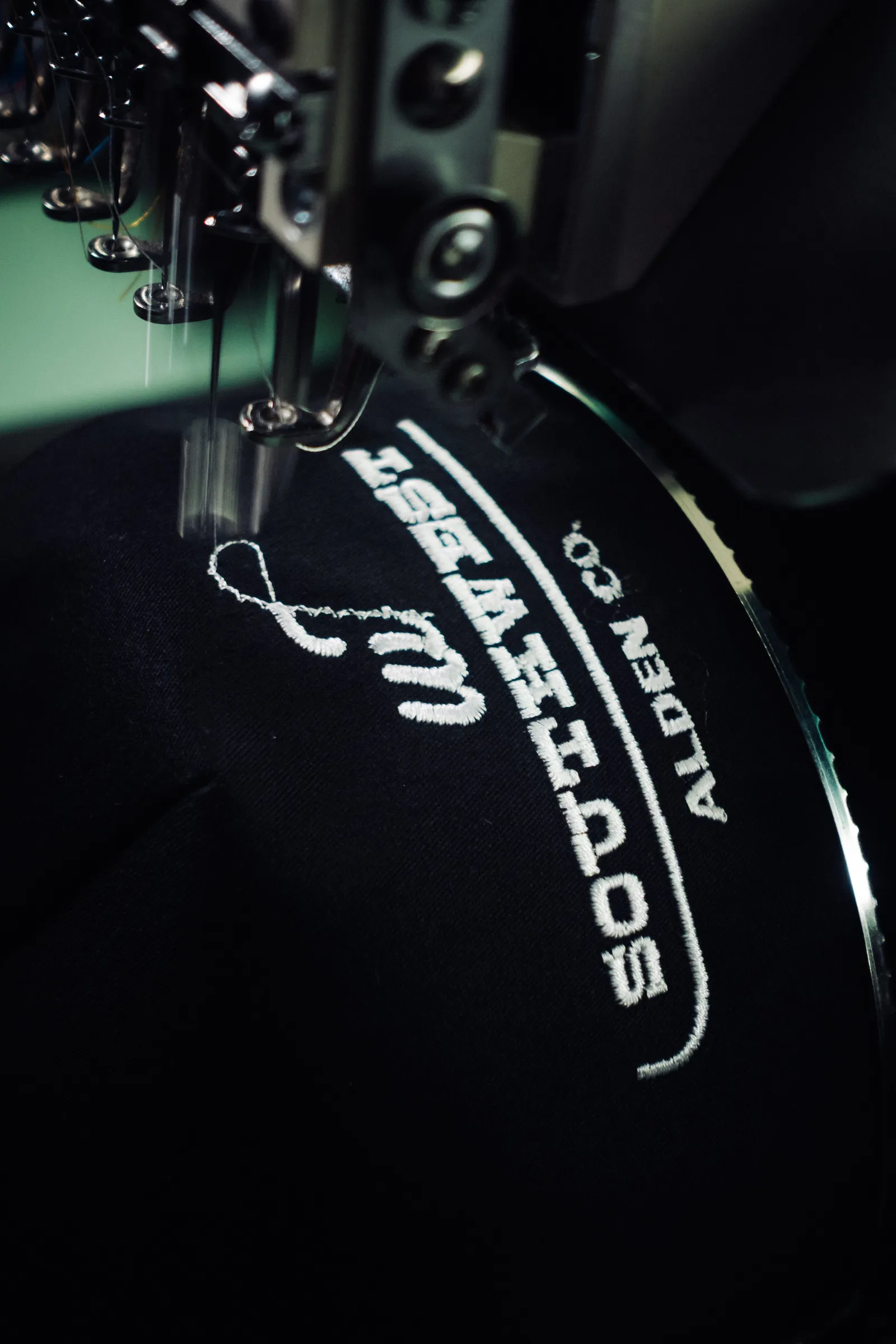
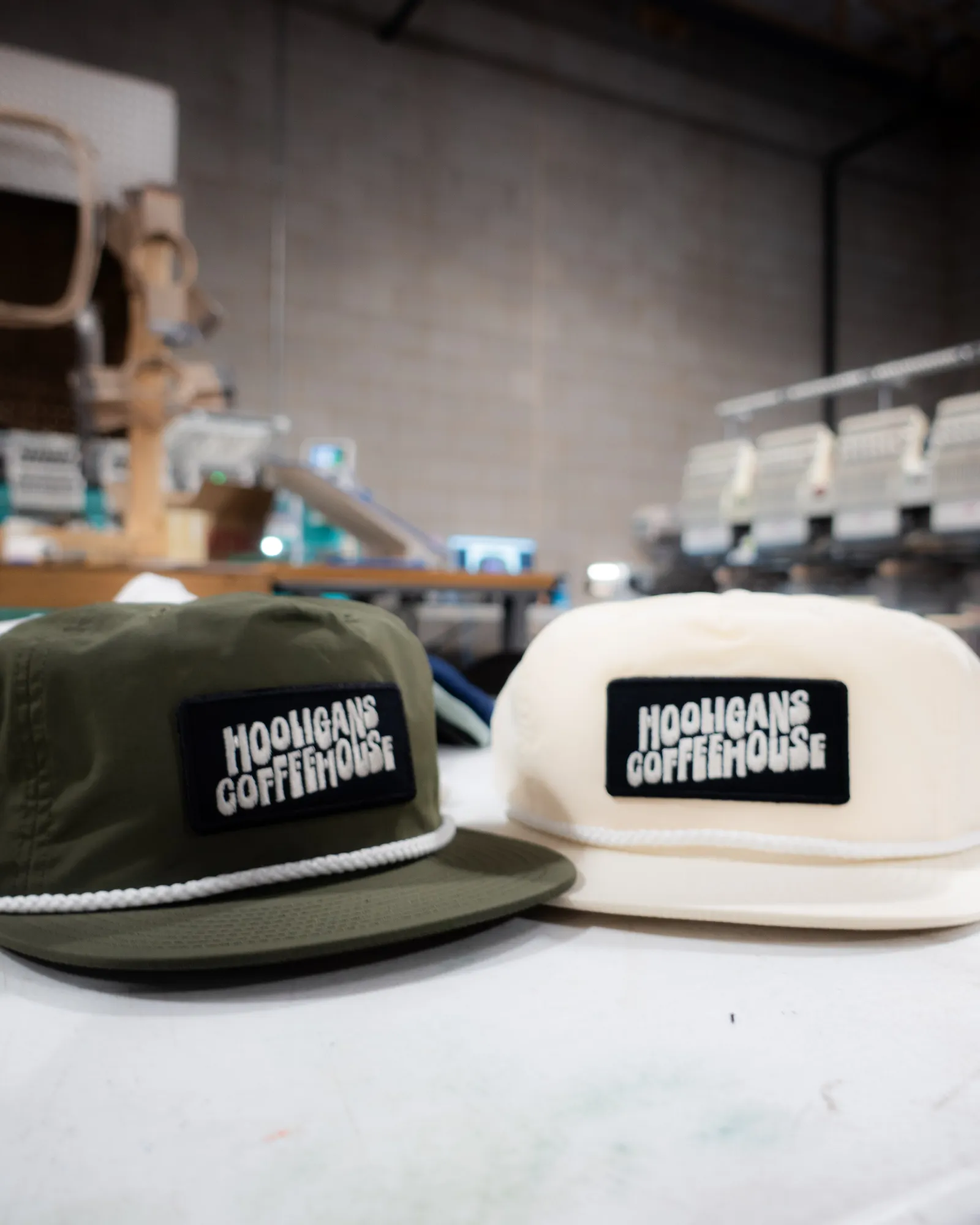
Embroidery stitches your design into the fabric with thread. Your logo gets digitized into a stitch file, the garment is hooped with a backing behind it, and a commercial machine sews the design color by color. There's no ink — the logo *is* thread, which is why it has that raised, textured, premium feel.
That makes embroidery the go-to for a polished, long-lasting logo: think company polos, caps, quarter-zips, jackets, and bags. It shrugs off wash after wash without fading or cracking, and it reads as professional and high-end. The trade-off is that thread can't hold fine detail, tiny text, or gradients the way ink can — so busy, colorful artwork isn't its strength. (If you want the full walkthrough, we wrote a whole guide on how logo embroidery works.)
What is screen printing?
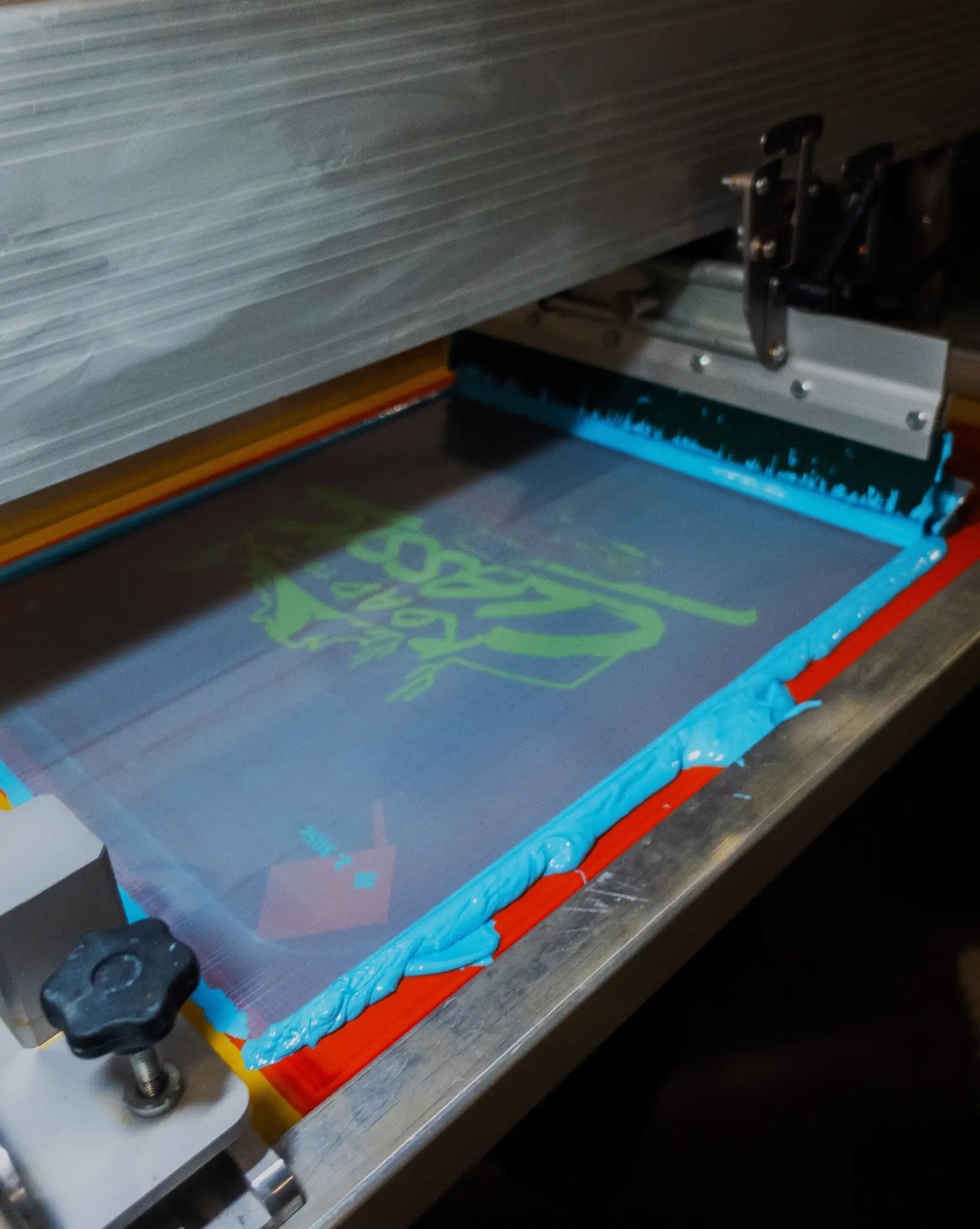
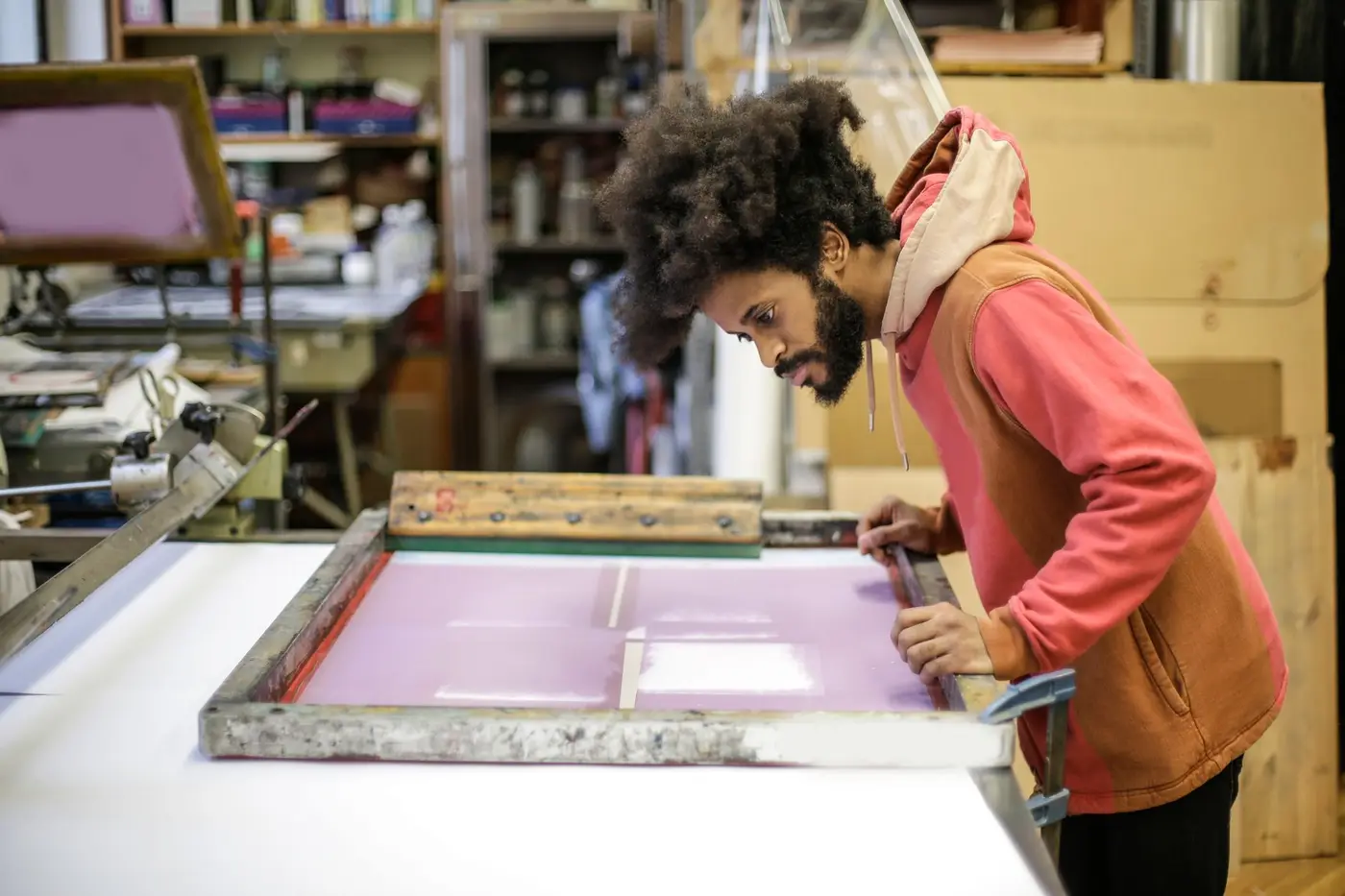
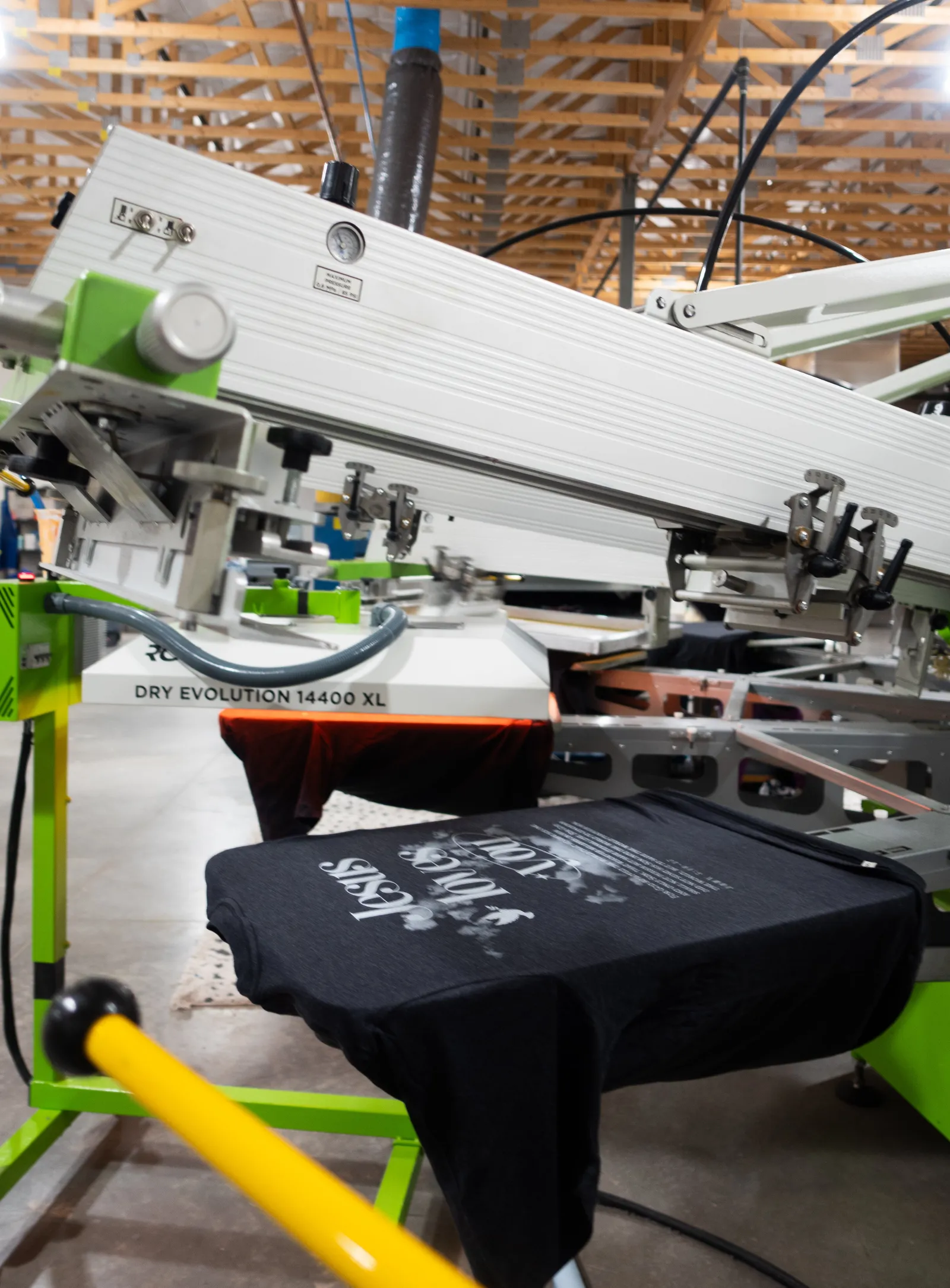
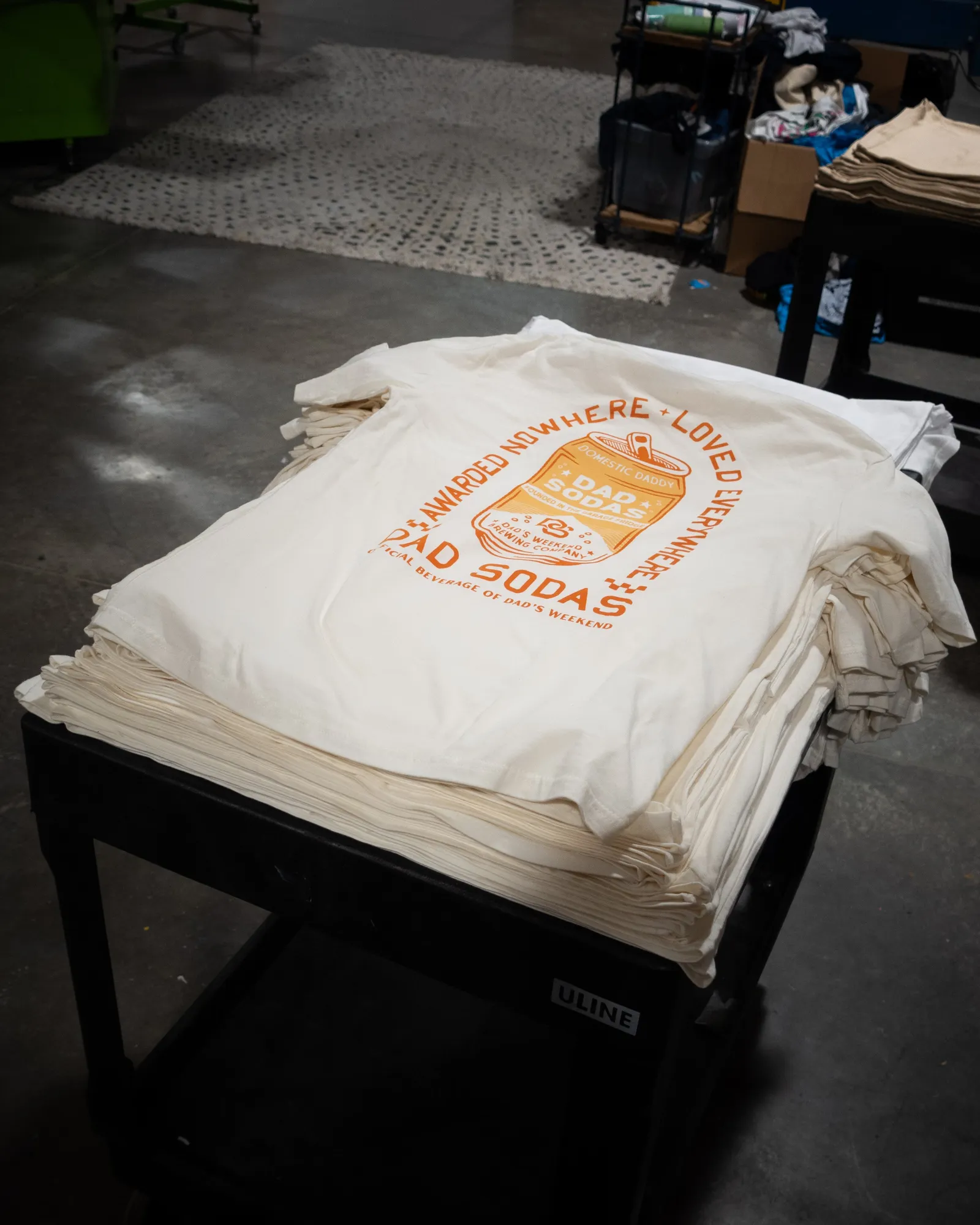
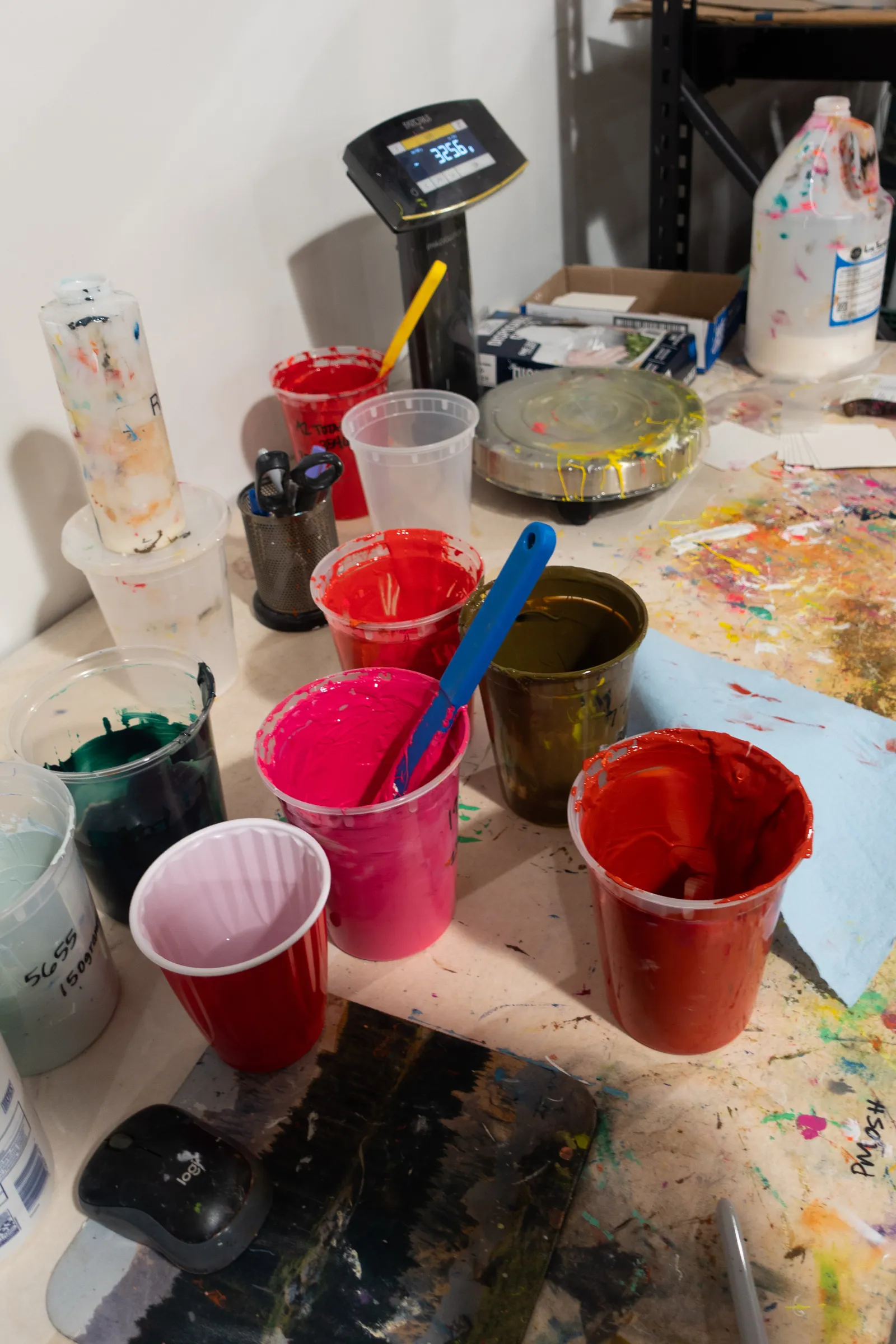
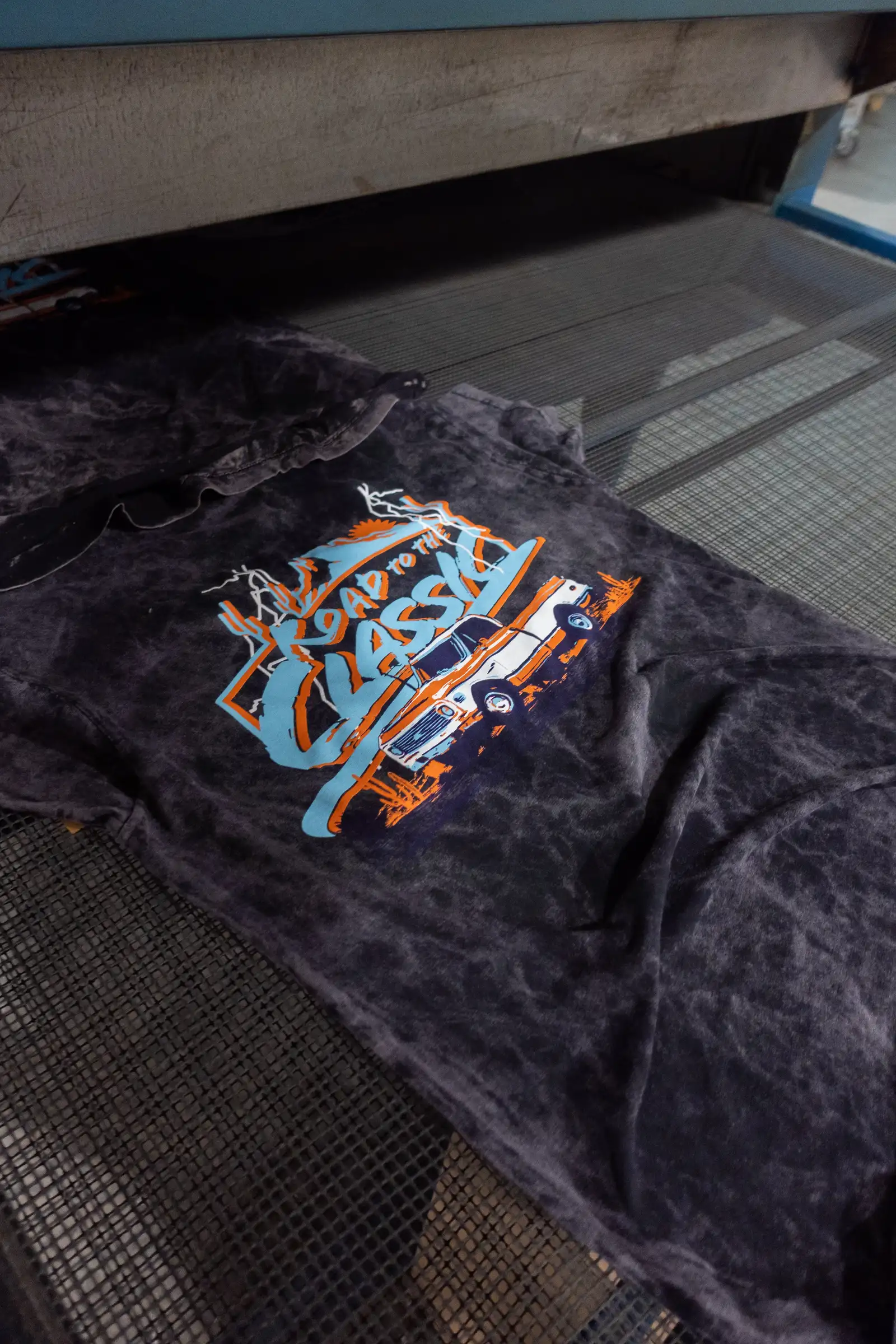
Screen printing pushes ink through a fine mesh stencil onto the garment. We burn a separate screen for each color in your design, line them up, press the ink through one color at a time, and cure it with heat so it bonds to the fabric. The result is a bright, smooth print that becomes part of the shirt.
It's the champion of tees and hoodies. Because the ink lays down thick and vivid and the per-color setup gets spread across the whole run, screen printing is the most cost-effective way to put a bold design on a lot of soft garments. It handles big prints and solid colors beautifully. The catch is that each color adds a screen and a setup, so it's built for quantity, not for a one-off — and very fine gradients have limits.
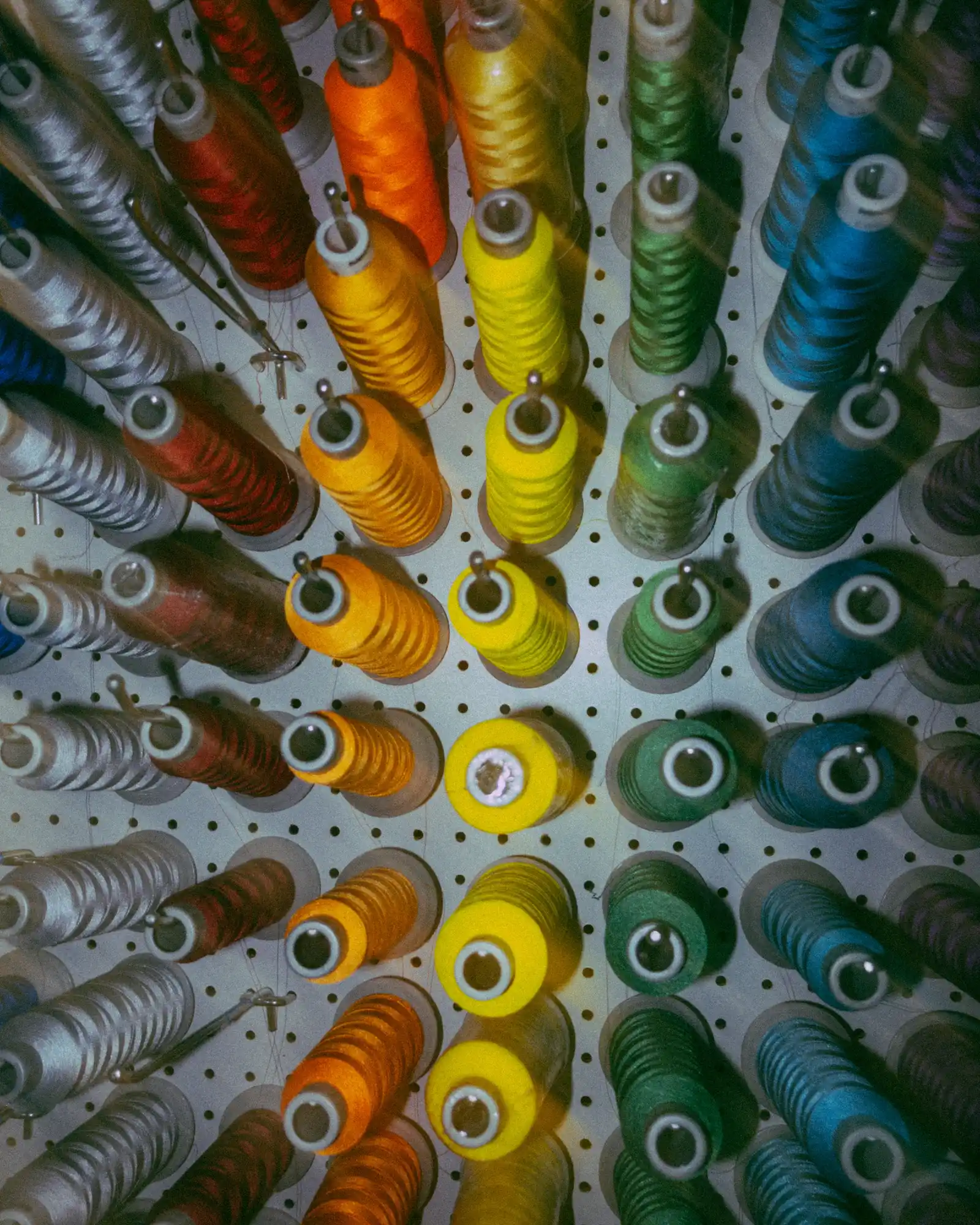
Embroidery vs. screen printing, head to head
Here's how the two compare on the things that actually decide a job:
Cost
Embroidery is priced mainly by stitch count, so the per-piece cost stays fairly steady no matter how many you order. Screen printing has a setup per color, but that cost spreads across the run — so the more shirts you print, the cheaper each one gets. Rule of thumb: small logos and small batches often favor embroidery; big designs at higher quantities favor screen printing.
Durability
Embroidery wins here. Stitched thread is essentially permanent — it won't crack, peel, or fade, and it looks sharp for the life of the garment. A quality screen print is durable too and holds up for years, but ink can eventually crack or fade with heavy washing. If it needs to survive daily wear and constant laundering, thread is the tougher choice.
Detail and color
Screen printing wins on artwork. It holds finer detail, small text, and big blocks of solid color far better than thread, and it's the way to go for large, graphic-heavy designs. Embroidery simplifies fine detail and is limited to a handful of thread colors with no true gradients. Busy, full-color logo? Print it. Clean, simple mark? Either works.
Look and feel
This one's about the vibe you want. Embroidery is raised and textured — it reads dressed-up and official, which is why it rules corporate and uniform wear. Screen printing is flat and soft; the design becomes part of the fabric, which reads casual and modern, perfect for tees, merch, and event shirts. Neither is nicer — they're different looks for different jobs.
Best garments
Embroidery loves structured, stable materials — polos, caps, twill, canvas, jackets, and bags. Screen printing loves flat, soft goods — tees, hoodies, and totes. A curved cap brim or a stretchy performance tee is a natural embroidery-or-print tell all by itself.
Minimums
Because screen printing has that per-color setup, it makes the most sense in bulk — our screen-printing runs start at 48 pieces. Embroidery's minimum is lower at 24, since there's no screen to burn. And if you need just a few, that's exactly what the third method is for.
The third option: DTF printing
Most "embroidery vs. screen printing" guides skip it, but there's a third method that solves a lot of the trade-offs above: DTF (direct-to-film). We print your design in full color onto a special film, then heat-press it onto the garment. It's the modern answer for the jobs the other two struggle with.
DTF shines when you want full color or photo-level detail — gradients, lots of colors, intricate art — without paying for a screen per color. And because there's no screen setup, it works at low quantities, even a handful, which makes it perfect for small-batch runs, prototypes, or a colorful design you only need a dozen of. It also sits nicely on performance and poly fabrics that can be tricky for the other methods. Our DTF minimum is just 12 pieces, the lowest of the three.
How to choose: a simple rule of thumb
When people ask us to just tell them what to do, here's the shortcut we use:
Choose embroidery if your logo is simple and you want it on a polo, cap, jacket, or bag — anything where a premium, durable, professional look matters. It's the default for uniforms and corporate wear.
Choose screen printing if you've got a bold or multi-color design going on tees or hoodies and you're ordering a good quantity (roughly 48+). It'll look great and cost the least per shirt.
Choose DTF if your design is full-color or highly detailed, or if you only need a small batch where screen printing's setup doesn't pencil out.
And a quick placement tip: a left-chest logo usually wants embroidery, while a big front or back graphic usually wants a print. When it's a close call, that's what a free mockup is for — we'll show you both.
Can you combine embroidery and printing?
Absolutely, and it's one of the best-kept secrets in custom apparel. You don't have to pick one method for a whole order — you match the method to each piece. A classic combo is an embroidered left-chest logo with a screen-printed design on the back of the same shirt: professional up front, bold statement behind. Or you embroider the caps and screen-print the tees in the same order, so the whole team looks coordinated with each item done the best way.
Because we run embroidery, screen printing, and DTF all in our own shop, mixing methods is no problem — it's just part of building the right order for you.
Get the right method with Heart & Hook
This is why doing all three in house matters: when you ask us embroidery or screen printing, the answer is about *your* job, not which machine we're trying to keep busy. We run embroidery, screen printing, and DTF out of our Mesa shop for businesses, churches, schools, and trade crews across Arizona and shipped nationwide — and we're happy to tell you when a print beats a stitch or the other way around.
Send us your logo, your garment idea, and a rough quantity, and we'll come back with a free mockup and a clear quote — including which method we'd use and why. Ordering in small batches over time? We'll set you up with an online company store so your team can reorder on demand with no minimum. Just tell us what you've got in mind!
Frequently asked questions
- Is embroidery or screen printing better?
- Neither is universally better — it depends on the job. Embroidery suits small, durable logos on premium or structured garments like polos, caps, and jackets. Screen printing suits large, multi-color designs on tees and hoodies, especially in bulk where it's cheaper per piece.
- Which is more expensive, embroidery or screen printing?
- Embroidery is usually more per piece and is priced by stitch count, staying fairly steady regardless of quantity. Screen printing has a per-color setup cost that spreads across the run, so it gets cheaper per shirt the more you order — making it the better value at higher quantities.
- Does embroidery or screen printing last longer?
- Embroidery lasts longer. Stitched thread is essentially permanent and won't crack, peel, or fade. A quality screen print is durable for years, but the ink can eventually crack or fade with heavy washing.
- Which looks more professional, embroidery or screen printing?
- Embroidery reads more premium and professional thanks to its raised, textured finish, which is why it's the standard for uniforms, polos, and corporate wear. Screen printing reads more casual and modern, ideal for tees, hoodies, and merch.
- What is the minimum order for embroidery vs screen printing?
- Screen printing typically has a higher minimum because each color needs a screen setup — ours starts at 48 pieces. Embroidery is lower at 24 since there's no screen to burn, and DTF printing goes as low as 12 for small runs.
- Is embroidery or screen printing better for hats?
- Embroidery is the standard for structured hats and caps — it looks sharp and durable on them. Screen printing doesn't work well on the curved, textured surface of a cap, so hats are almost always embroidered.
- Which is better for detailed or full-color designs?
- Screen printing handles fine detail, small text, and solid colors far better than embroidery, which simplifies detail and can't do gradients. For photo-level or many-colored art, DTF printing is often the best option of all.
- Can you combine embroidery and screen printing on the same garment?
- Yes — it's a popular combination. A common example is an embroidered left-chest logo paired with a screen-printed design on the back of the same shirt, giving you a professional front and a bold back in one piece.
- What is DTF and how does it compare?
- DTF (direct-to-film) prints your full-color design onto a film that's heat-pressed onto the garment. It handles photo-level detail and unlimited colors with no screen setup, works at very low quantities, and sits well on performance fabrics — filling the gap between embroidery and screen printing.
- How do I decide between embroidery, screen printing, and DTF?
- Choose embroidery for simple, durable logos on polos, caps, and jackets; screen printing for bold or multi-color designs on tees and hoodies in quantity; and DTF for full-color, highly detailed, or small-batch jobs. A left-chest logo usually wants embroidery, while a big front or back graphic usually wants a print.
Got a project in mind?
Send us your idea and quantities — we'll come back with a free mockup and quote.
Get a free quote