Trade show giveaways that earn a conversation instead of a tote bag graveyard — ideas by budget tier, what to skip, and how to run the booth around them.
What makes a trade show giveaway actually work?
A giveaway works when it does one of two things: gets someone to stop at your booth, or stays useful long enough to keep your name in front of them after the show. Cheap items do the first. Good items do the second. Almost nothing does both, which is why the smartest booths run two tiers instead of one.
The failure mode is the one everybody's seen: a table of branded pens that end up in a hotel bin, and a budget spent on nothing. That's not because giveaways don't work — it's because a single generic item is being asked to do two different jobs at once.
We print and stitch a lot of trade show gear, so this is written from the ordering side as much as the marketing side. If you're after branded merch more broadly rather than event-specific, our company swag ideas guide covers that.
The two-tier approach
This is the single most useful thing on this page, so it goes first.
Tier one is your volume item. Cheap, light, genuinely useful, and you hand it to anyone. Its whole job is to slow someone down long enough to start a conversation, and to not be embarrassing. Budget it at a dollar or two and order plenty.
Tier two is your qualified item. Noticeably better, kept behind the table, and given to people who've actually talked to you — booked a demo, scanned a badge, answered a real question. This is where apparel lives, and where your budget should be concentrated.
The mechanic matters as much as the items. *"Grab a sticker"* opens a conversation. *"If you've got two minutes for a demo, I'll grab you one of the good shirts"* closes one. The second item is worth more precisely because it isn't sitting on the table.
Under $5 — the volume tier
These are for everyone who walks past. Judge them on whether someone would actually use the thing, not on how much branding you can fit on it.
Stickers. Absurdly cheap, and people genuinely want good ones. A well-designed sticker ends up on a laptop and gets seen for years. The catch is that it has to be a design someone wants — a logo on a white circle isn't it.
Enamel pins. Slightly more than a sticker, considerably more memorable. They photograph well and people collect them.
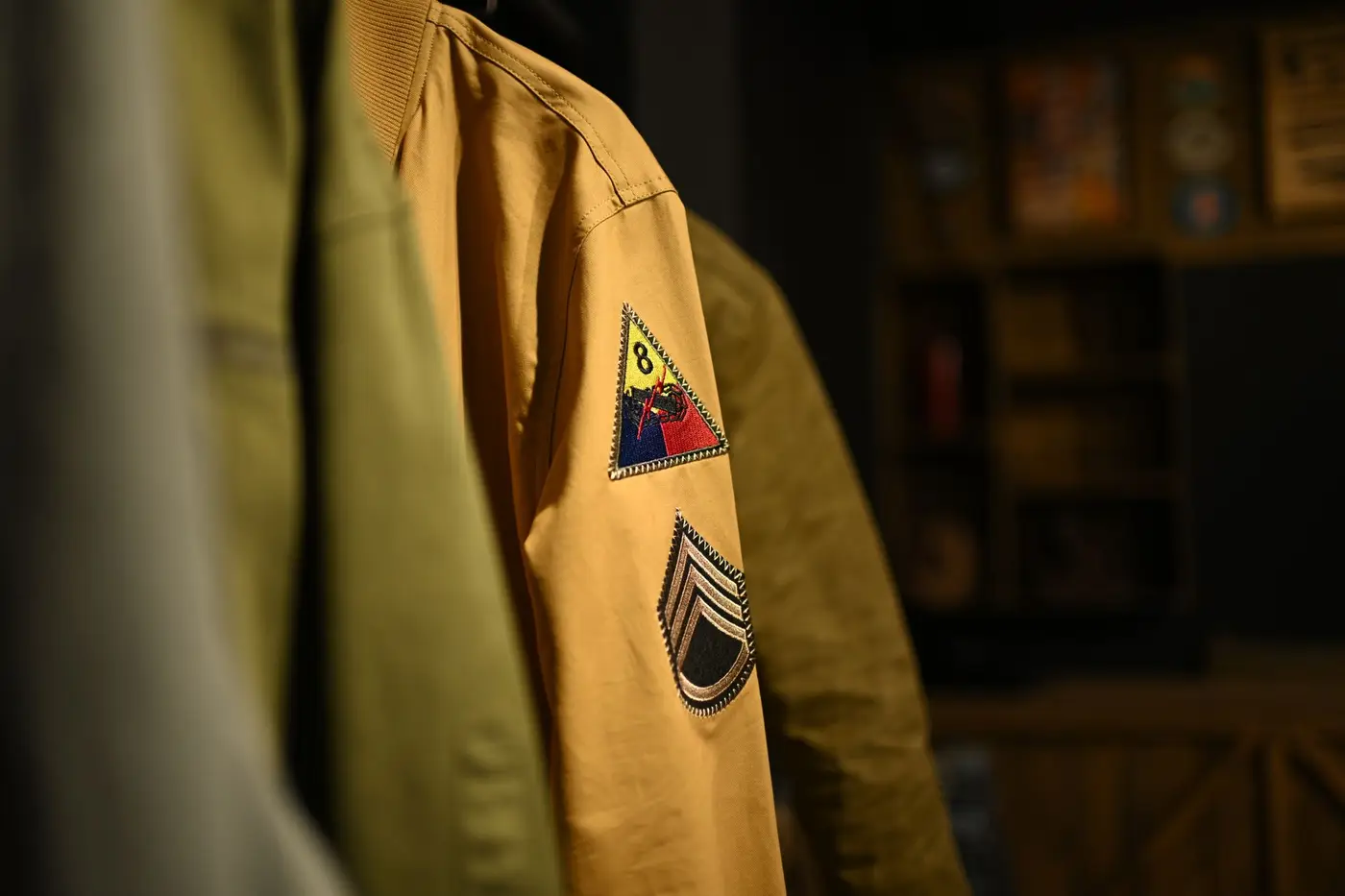
Patches. Same appeal as pins with more surface for a design, and they hit differently in workwear and outdoor industries. If you're going this route, patch type matters — woven holds detail, embroidered has texture.
Lip balm and hand sanitizer. Boring and unglamorous, and among the highest actual-use rates of anything on this list. Nobody throws them out.
Good pens. Not the hollow plastic ones. A pen with some weight gets kept and used; the cheap version is the thing everyone pictures when they roll their eyes at trade show swag.
Branded snacks. Candy, mints, or a small snack with a custom wrapper. Works especially well in the afternoon of a long show day, when everyone's flagging.
Phone stands and cable ties. Small, flat, cheap to ship, and used at a desk daily.

$5–$20 — the ones people keep
This is the sweet spot for most booths, and where a qualified-lead item usually sits.
T-shirts. The highest-mileage item on this list when you get the shirt right, and dead weight when you don't. More on that below, because it's worth doing properly.
Caps. Extremely well received, and they solve a problem tees have: one size works for nearly everyone. No size guessing, no leftover smalls. An embroidered cap reads as a real product rather than swag.
Tote bags. The eternal trade show item, and still effective for a practical reason — attendees are collecting things all day and need somewhere to put them. Your bag then advertises you around the whole hall. Make it a bag someone would use for groceries afterwards, not a flimsy one.
Water bottles and tumblers. Insulated ones get used daily for years. They're bulky to ship and to carry around a show, so they work better as a qualified-lead item handed over at the end of a conversation.
Notebooks. Underrated. People take notes at conferences, and a decent notebook stays on a desk long after.
Socks. Genuinely one of the best-performing giveaways going. One size, cheap to ship, and people find branded socks funny in a way they don't find branded pens funny.
Multi-tools and bottle openers. Strong fit for trades, construction, and manufacturing audiences — something that lives in a truck or a toolbox.
$20–$50 — for real prospects
At this level you're not handing things out. You're giving something to a person you've qualified, and the item should feel like it.
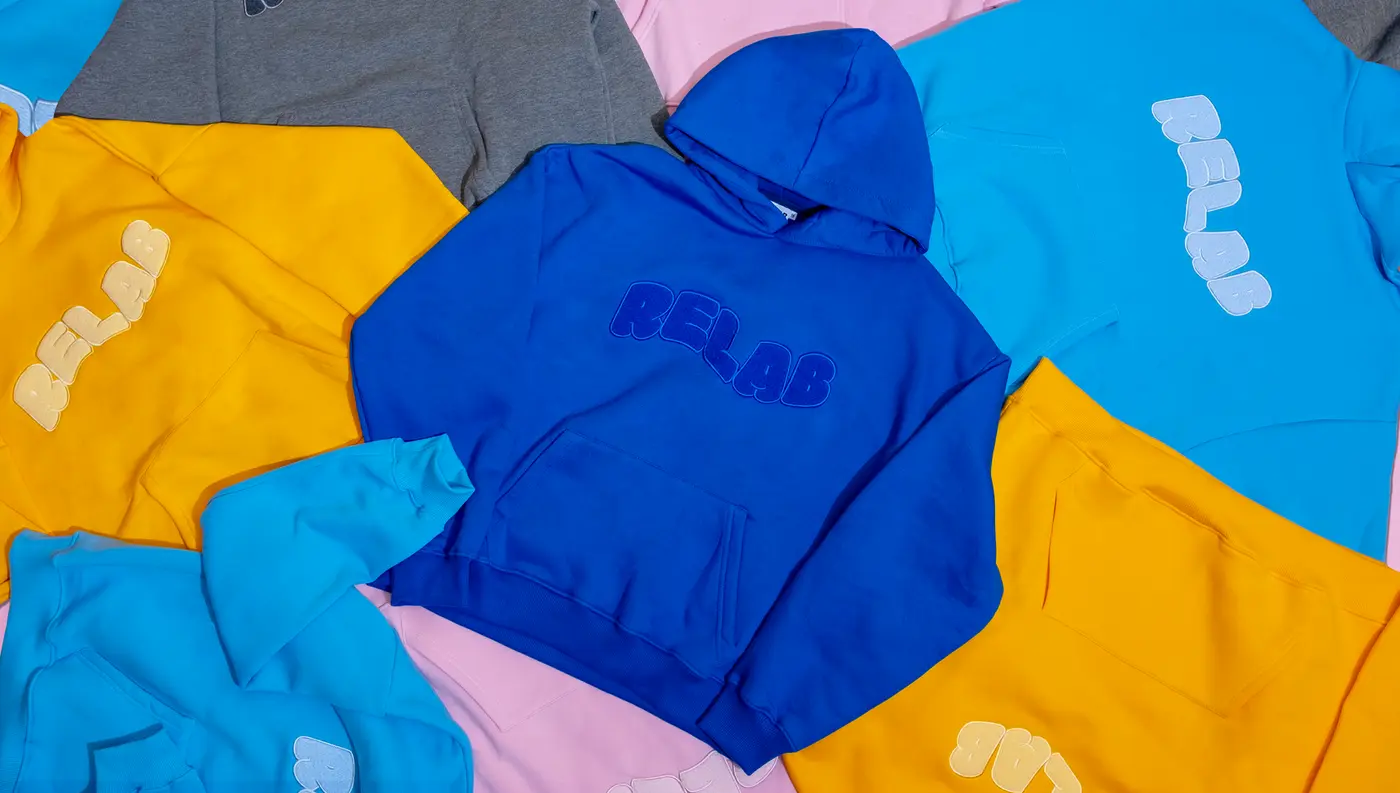
Quarter-zips and hoodies. The best item in this bracket by a distance. An embroidered quarter-zip gets worn in an office for years, and every time it does, your logo is in front of that person's colleagues. It's the closest thing to a renewable impression.
Premium drinkware. A proper insulated tumbler in the well-known brands' territory. Recognizable quality does the work here.
Power banks and charging gear. Useful and used, though be aware your audience may already have several.
Good backpacks and duffels. Expensive but enormously visible — a branded bag travels through airports.
Curated kits. Two or three coordinated pieces in decent packaging — a cap, a tee, and something small. Kits land better than a single item at the same total cost, because the unboxing does some of the work. Our corporate gifts page covers this side properly.
$50+ — VIP and post-show gifts
Reserve these for a handful of named people — a key account, a speaker, a prospect you've been chasing all year.
Honestly, the best use of this budget usually isn't at the show at all. Take a note of who mattered, and send the gift afterwards. A package arriving the week after a conference, referencing the conversation you actually had, lands far harder than something handed over at a booth among fifty other things. It also means you're not shipping expensive items to a show floor and carrying leftovers home.
Why apparel outperforms almost everything
We're a decorator, so take this with the appropriate grain of salt — but the reasoning holds up independently of who's making the argument.
Apparel gets seen by people who were never at the show. A pen gets used by one person in private. A hoodie gets worn to an office, a gym, a school pickup. The impressions compound in a way desk items don't.
It's kept longer than anything else. Branded apparel that fits and feels good stays in a wardrobe for years. Most promotional items have a shelf life measured in weeks.
It signals what kind of company you are. A soft, well-cut tee with a restrained logo says something different than a boxy one with a huge print across the chest. People read that instantly.
The catch, and it's a real one: bad apparel is worse than no apparel. A shirt nobody wears is money spent to remind someone you have poor taste. So:
Spend on the blank, not the print. A softer, better-fitting shirt costs a dollar or two more and completely changes whether it gets worn. That's the highest-use dollar in this entire guide.
Keep the branding restrained. A left-chest logo gets worn far more than a full-front billboard. You want people wearing it because they like it, not because they're doing you a favor.
Bring a real size range. Order heavier on medium and large, but bring the full spread. Nothing sours a giveaway like telling someone you've only got smalls left.
Consider caps and socks to dodge sizing entirely. One size, no leftovers, no awkward conversations.
What to skip
Not because they're offensive, but because the money reliably does more elsewhere.
Hollow plastic pens. The default that everyone expects and nobody keeps.
Stress balls. They had their moment, and it was a while ago.
Anything with your tagline in small print. Nobody reads it, and it makes the design worse. Logo only.
Fragile or bulky items. Attendees are walking a hall and flying home. If it won't survive a carry-on, it gets left behind.
Cheap electronics. Off-brand earbuds and chargers that fail after a couple of weeks attach your name to a bad experience.
Printed paper. Brochures and flyers go straight in the bin at the airport. A QR code and one good item beat a folder of literature.
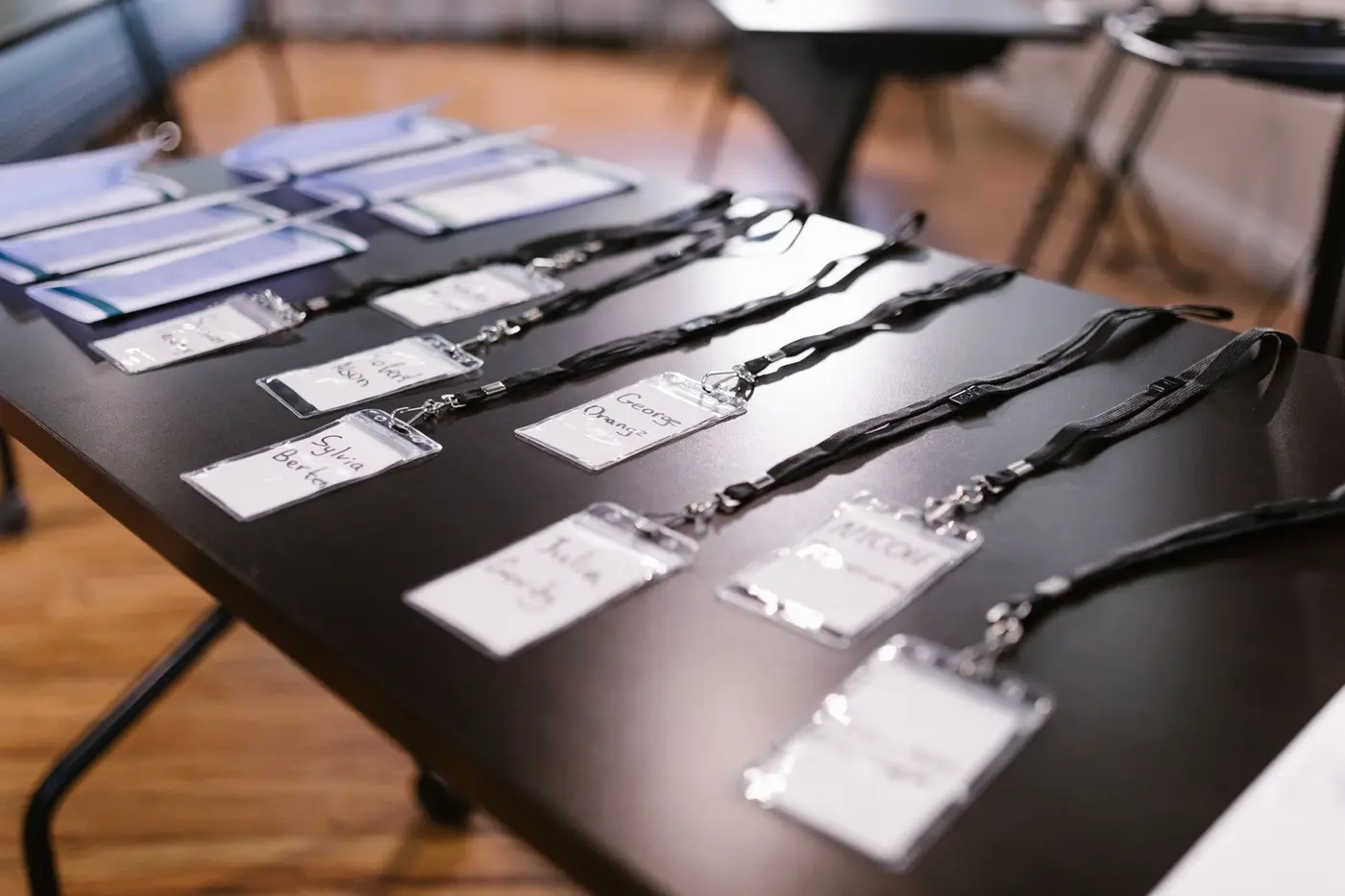
Running the booth around your giveaway
Make people earn the good item. A badge scan, a demo, a two-minute conversation. This isn't stinginess — it's the difference between a headcount and a lead list.
Put the volume item where people can reach it, and the good item where they can see it but can't. Visible-but-gated is what drives the conversation.
Dress your own staff in the apparel. Your team wearing the shirt is both a walking demo of the giveaway and a way for attendees to identify who works there. This is the easiest thing on this list and the most frequently skipped.
Don't run out on day one. Split your stock by day. A bare table on the last morning of a three-day show looks worse than never having a giveaway at all.
Take the leftovers seriously. Whatever comes home is your new-hire welcome stock or your next client mailing, so order in a way that makes leftovers useful rather than awkward.
Measuring whether it worked
Most booths don't measure this at all, which is why the same arguments about swag repeat every year.
Cost per qualified conversation is the number that matters — total giveaway spend divided by the number of real conversations, not badges scanned. If a $2 sticker produced 40 conversations and a $30 hoodie produced 12, you now know something concrete for next year.
Use a unique landing page or QR code on the item itself, separate from the one on your booth signage. Then you can see whether anyone actually acted on the thing they took home.
Ask in follow-up. *"Did the shirt fit?"* is a completely natural reopening line a week after a show, and it tells you whether the item landed.
Matching the giveaway to who's walking past
Every guide segments by price. Almost none segment by audience, which is odd, because who's at the show changes the answer more than your budget does.
Trades, construction, and field service. Anything that lives in a truck or a toolbox. Multi-tools, tape measures, good work gloves, insulated tumblers, and caps. This audience is genuinely hard on their gear and can tell the difference between a real tool and a novelty one — cheap items land badly here. Hi-vis anything gets used immediately.
Healthcare and education. Practical, quiet, everyday items. Lip balm, hand sanitizer, good pens, and notebooks all get real use. Loud branding tends to go unworn in these settings, so keep it small.
Tech and startups. Sticker culture is real here — a genuinely good sticker outperforms items ten times the price. Socks and quality hoodies are the other two that consistently land. This crowd already owns three power banks.
Restaurants and hospitality. Aprons, caps, and tees, because they're the things people in that industry actually wear at work. A branded apron handed to a chef gets used the next day.
Churches, schools, and nonprofits. Budget is usually tight and volume is high, so lean on the cheap tier and make it good — stickers, patches, and simple tees. A shirt that people wear to the next event is doing double duty.
Executive and enterprise buyers. Fewer, better, and ideally sent afterwards. One considered gift to a named person beats fifty items on a table.
A note on eco-friendly swag
Sustainable swag has gone from a differentiator to close to an expectation at a lot of shows, and it's worth being straight about what actually counts.
Organic cotton and recycled-poly apparel are the real thing, and they're now priced close enough to conventional blanks that the gap rarely decides an order. Recycled-material bags and bottles land the same way.
But the most environmentally sound choice isn't a material at all — it's not producing items nobody wants. A thousand cheap giveaways that get binned at the airport is the wasteful option regardless of what they're made of. Ordering half as many of something people keep is both better swag and a smaller footprint, and it's usually cheaper too.
The mistake that wastes the whole budget
It isn't picking the wrong item. It's ordering the giveaway before deciding what conversation it's supposed to start.
A booth that decides in advance what a good lead looks like — the demo booked, the question answered, the badge scanned — can build the giveaway around that moment, and the item does real work. A booth that orders a thousand branded pens in March and works out the plan in the taxi has already spent the money on nothing.
So before you order anything, write down the sentence your staff will actually say when they hand over the good item. If that sentence is just *"here you go"*, you don't have a giveaway strategy — you have inventory. Fix the sentence and the item choice usually becomes obvious.
Ordering: give yourself time
The most avoidable trade show cost is a rush fee, and it's the one we see most often.
Standard turnaround here is about two to three weeks from artwork approval, and approval usually takes longer than people plan for. Work backwards from the day you need boxes in hand — not the show date — and add a buffer. Four to six weeks out is comfortable.
On quantities: screen printing gets efficient from 48 pieces, embroidery from 24, and DTF from 12 — so a smaller booth run is very doable. If you'd rather not guess sizes at all, an online store lets your team and your leads order their own.
Want help putting a booth kit together?
Tell us the show, roughly how many people you expect, and your budget per lead. We'll put together options across both tiers — the volume item and the one worth earning — with a free mockup and a straight quote.
We print and stitch everything in house in Mesa and ship anywhere. We'll also tell you honestly if we think you're overspending on the wrong tier. Get in touch whenever you're ready!
Frequently asked questions
- What are the best trade show giveaways?
- Run two tiers. A cheap, genuinely useful item for everyone — stickers, lip balm, good pens, patches — to start conversations, and a better item for qualified leads, where apparel performs best. Caps, socks, and t-shirts get kept and worn far longer than desk items.
- How much should you spend on trade show giveaways?
- Think in cost per qualified conversation rather than per item. A common split is $1 to $2 for the volume item you hand to anyone, and $15 to $40 for the item you give people who booked a demo or had a real conversation. Concentrate the budget on the second tier.
- What are good cheap trade show giveaways?
- Stickers, enamel pins, patches, lip balm, branded snacks, and decent pens all land under about $5 and get genuinely used. The rule is that it has to be something someone would actually want — a logo on a white circle is not a sticker anybody keeps.
- Are t-shirts good trade show giveaways?
- Yes, when the shirt is good. Apparel gets seen by people who were never at the show and stays in a wardrobe for years. But a shirt nobody wears is worse than nothing, so spend the extra dollar or two on a softer blank, keep the branding restrained, and bring a full size range.
- What trade show giveaways should I avoid?
- Hollow plastic pens, stress balls, fragile or bulky items that will not survive a carry-on, cheap off-brand electronics, and printed brochures. Anything with a tagline in small print is also wasted — nobody reads it and it makes the design worse.
- How far in advance should I order trade show giveaways?
- Four to six weeks before the show. Production runs about two to three weeks from artwork approval, and approval nearly always takes longer than people expect. Work backwards from the date you need boxes in hand rather than the show date itself.
- How do I measure whether a giveaway worked?
- Track cost per qualified conversation — total spend divided by real conversations, not badges scanned. Put a unique QR code or landing page on the item itself, separate from your booth signage, so you can see whether anyone acted on it after the show.
- How many giveaways should I bring to a trade show?
- Enough for a good share of expected attendees on the volume item, and a much smaller number of the qualified item. Split your stock across days so you do not run out on day one — a bare table on the final morning looks worse than no giveaway at all.
- What is the minimum order for custom trade show apparel?
- Screen printing gets efficient from 48 pieces, embroidery from 24, and DTF from 12 — so even a small booth run works. If you would rather not guess sizes, an online store lets people order their own and ships direct.
Got a project in mind?
Send us your idea and quantities — we'll come back with a free mockup and quote.
Get a free quote