Embroidered, woven, PVC, chenille or printed — what each patch type does well, which backing to pick, and how to choose without wasting a run.
Embroidered vs woven patches: the short answer
Embroidered patches are stitched with thick thread onto a fabric backing — bold, raised, textured. Woven patches are woven from much finer thread, so the surface is flat and can hold far more detail. Pick embroidered for a classic, dimensional look. Pick woven when your design has small text or fine lines.
That's the decision most people are actually trying to make. But there are four or five other patch types worth knowing about, and picking the wrong one is an expensive mistake to discover after a run is produced — so here's the full picture.
Embroidered patches
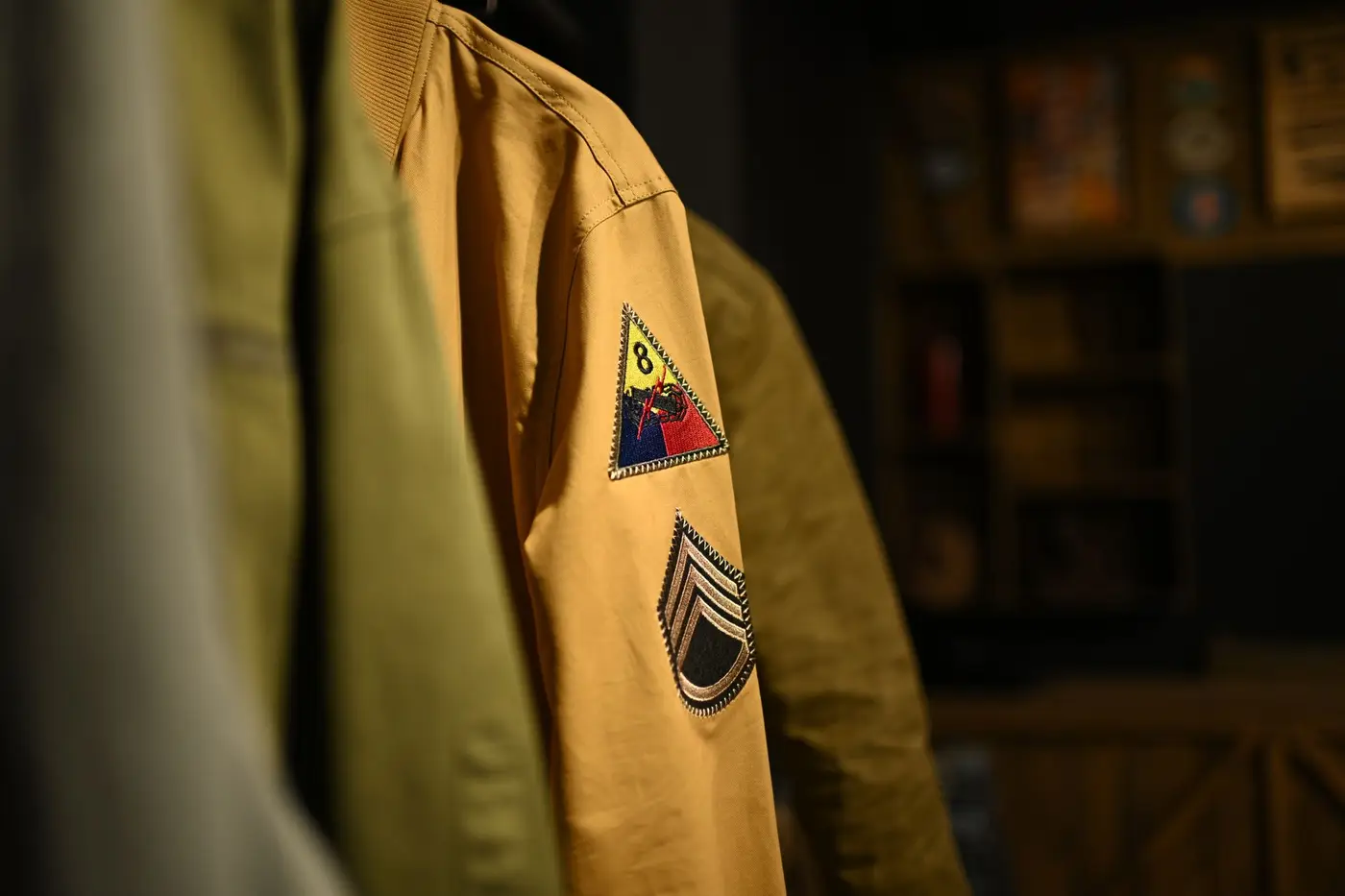
The classic. Embroidery thread is stitched onto a twill or felt backing, building the design up off the surface. You can feel it with a thumb, and that texture is most of the appeal.
They're good at: bold logos, block lettering, strong shapes, and anything that wants to look traditional or heritage. They're durable, they hide fraying well, and they're what people picture when they hear the word patch.
They struggle with: small text and fine detail. Embroidery thread has real thickness, so anything under about a quarter inch fills in and turns illegible. Gradients become solid blocks. If your logo has a tagline in small type, either drop it for the patch version or go woven.
You'll also choose a thread coverage: 100% embroidery covers the whole backing, while partial coverage leaves the twill visible as part of the design, which costs less and can look intentional.
Woven patches
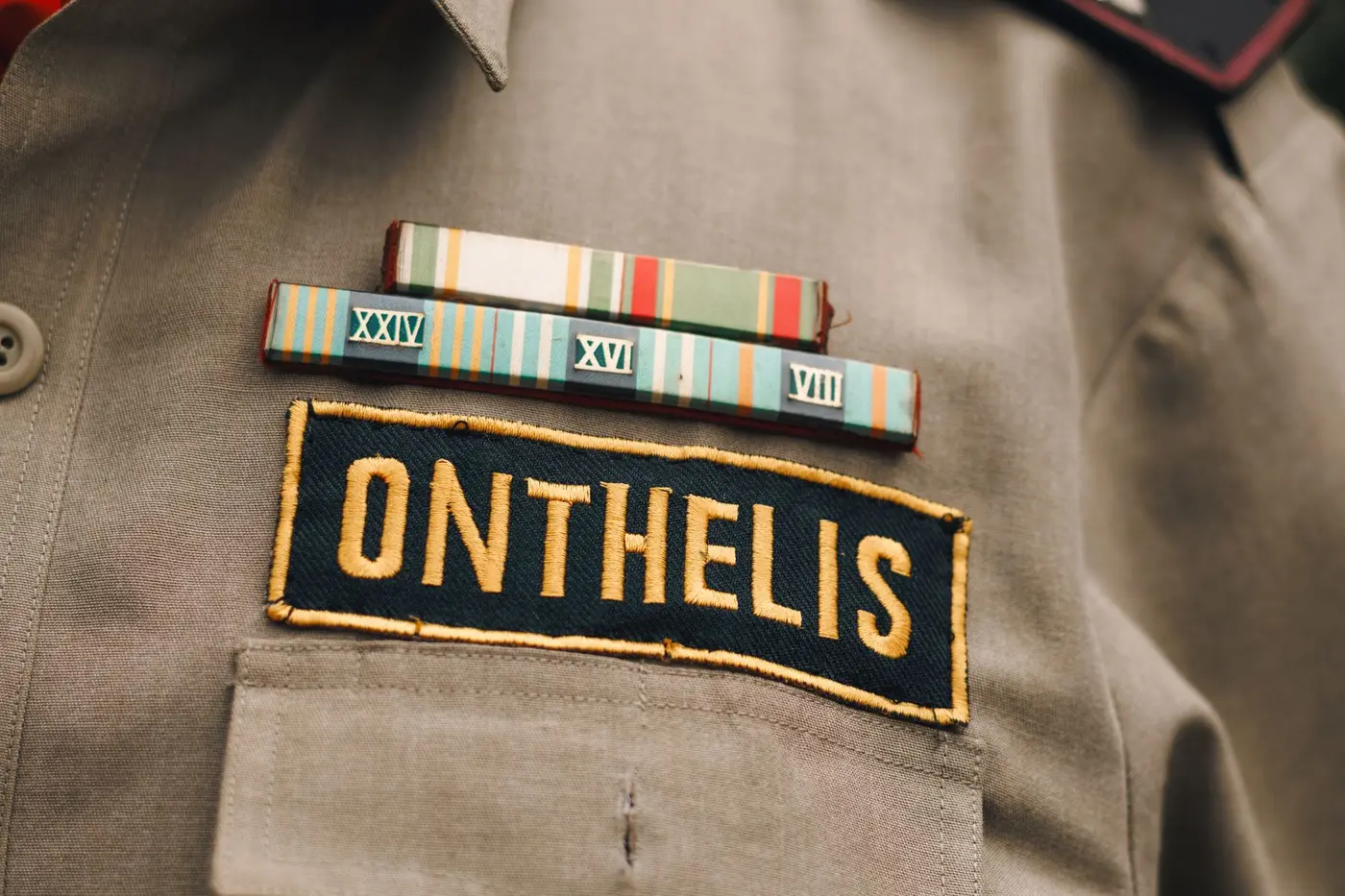
Woven patches are made on a loom using thread far thinner than embroidery thread. The result is a flat, smooth surface with much higher resolution — closer to printed fabric than stitched fabric.
They're good at: small text, fine linework, complex logos, and detailed illustration. If your design would need to be simplified for embroidery, weaving is how you keep it intact. They're also thinner and more flexible, which matters on lightweight garments where a stiff embroidered patch would hang oddly.
They struggle with: presence. There's no texture, so a woven patch reads flatter and, to some eyes, less premium. If the tactile, raised quality is the point, weaving loses it.
They're also typically a little cheaper than embroidered at the same size, since weaving is a faster process than stitching thousands of individual stitches.
The other patch types worth knowing
PVC / rubber patches. Molded soft plastic rather than fabric. Fully waterproof, extremely durable, and they hold 3D shapes and crisp edges that thread can't. The look is modern and technical — very common on outdoor gear, tactical wear, and tool bags. They cost more up front because a mold has to be made, so they suit larger runs.
Chenille patches. The fuzzy, raised varsity-letter patch. Almost exclusively used for that collegiate look — letterman jackets, team wear, spirit apparel. They're large by nature and can't hold detail, so they're a style choice rather than a general-purpose option.
Leather patches. Engraved or debossed leather, usually on hats. Different look entirely, and we covered them properly in custom leather patch hats.
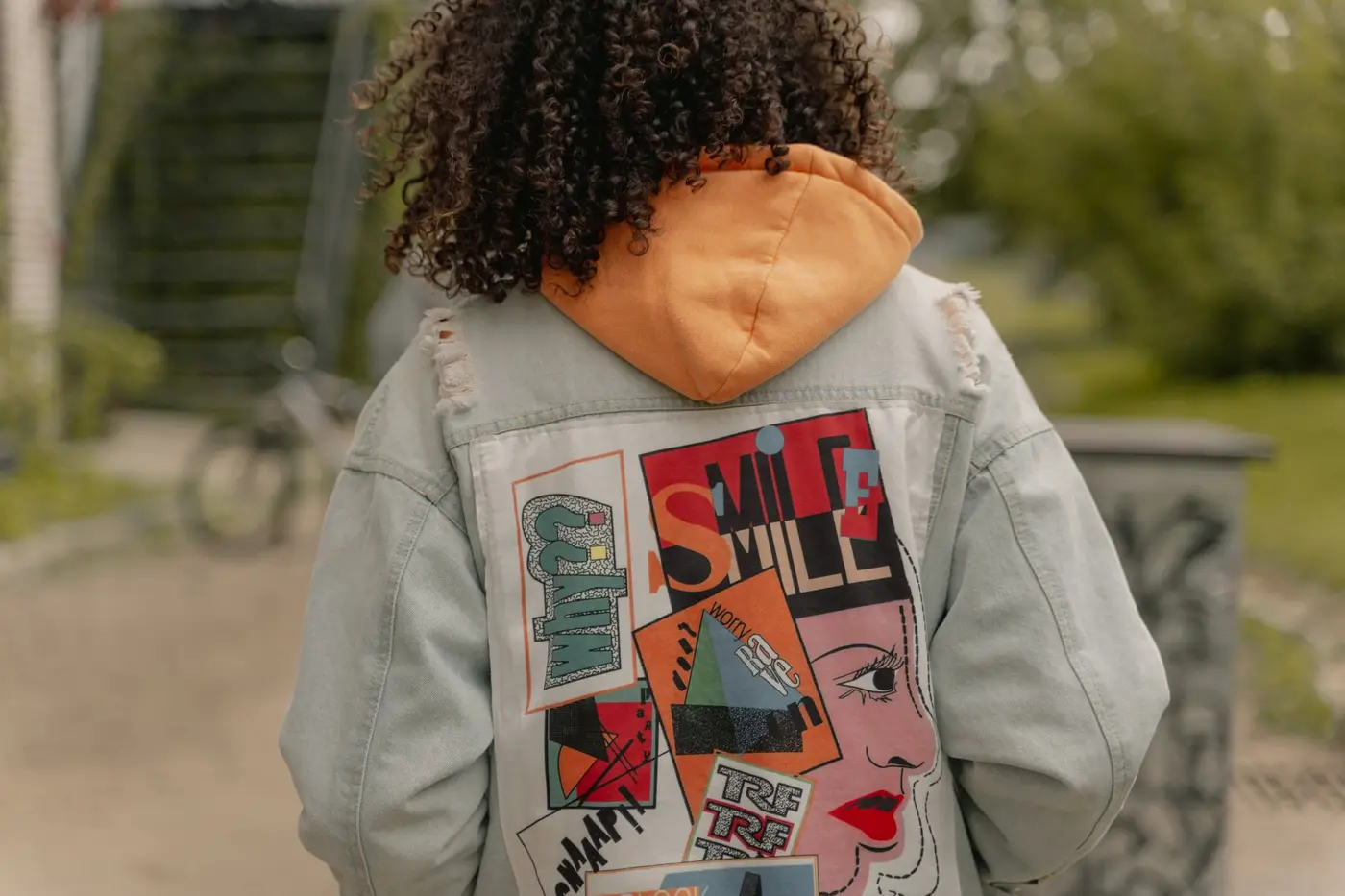
Printed / sublimated patches. The design is printed onto fabric, so unlimited colors, photographs, and gradients are all fine. The cheapest option for complex artwork, and the least durable of the group — good for events and short-term use, less so for workwear that gets washed weekly.
Backing: iron-on, sew-on, or velcro
This is a separate decision from the patch type, and people often don't realize they're being asked.
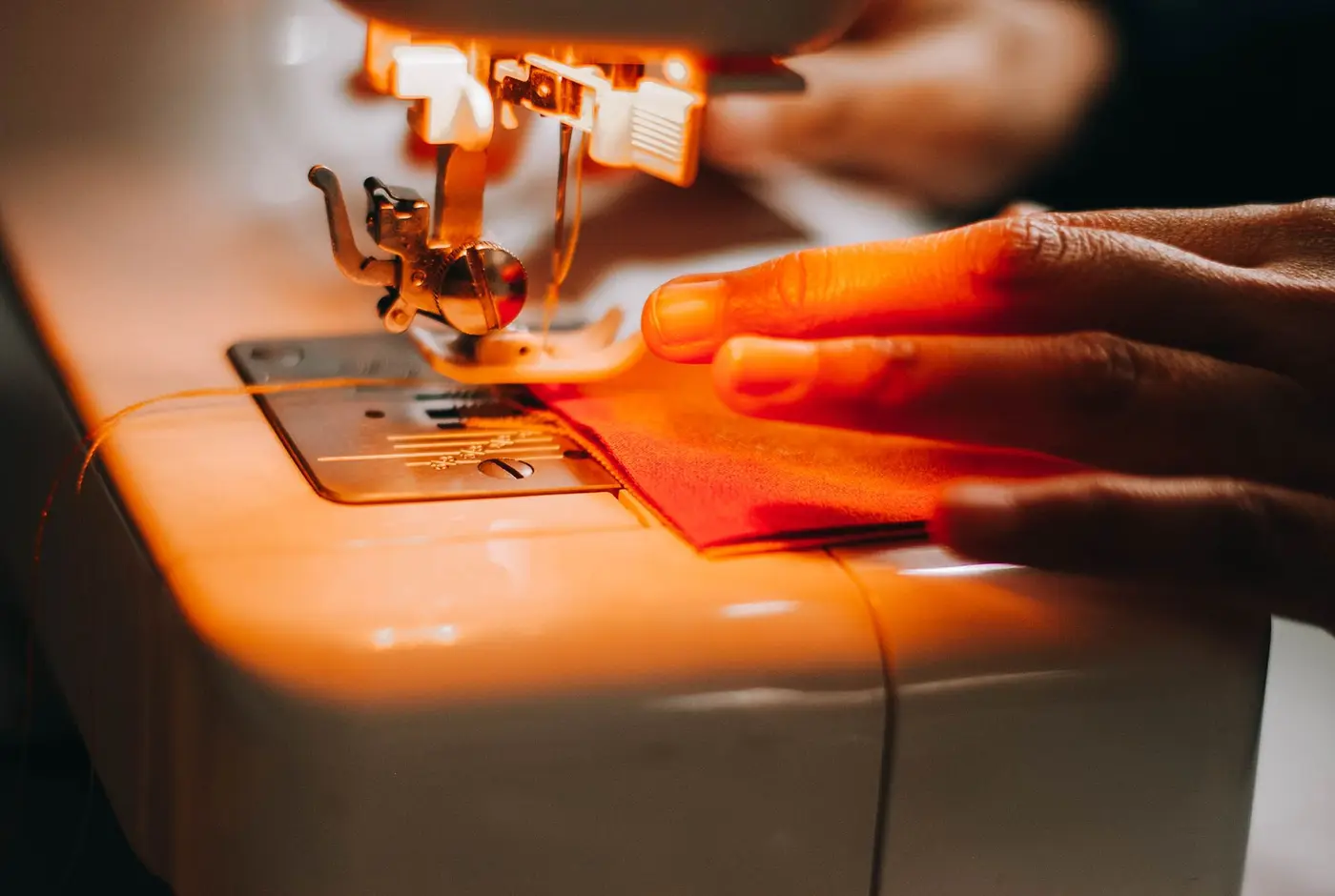
Sew-on is a plain backing you stitch through. It's the most permanent and the most durable, it survives commercial laundering, and it's what we'd recommend for anything on a work uniform. The cost is labor — someone has to sew each one.
Iron-on has a heat-activated adhesive on the back. Fast, no sewing, and fine for casual use. But heat and repeated washing degrade an adhesive bond over time, and iron-on won't hold reliably on nylon, waterproof fabrics, or heavy knits. Plenty of people iron a patch on and then stitch the border anyway, which is genuinely the best of both.
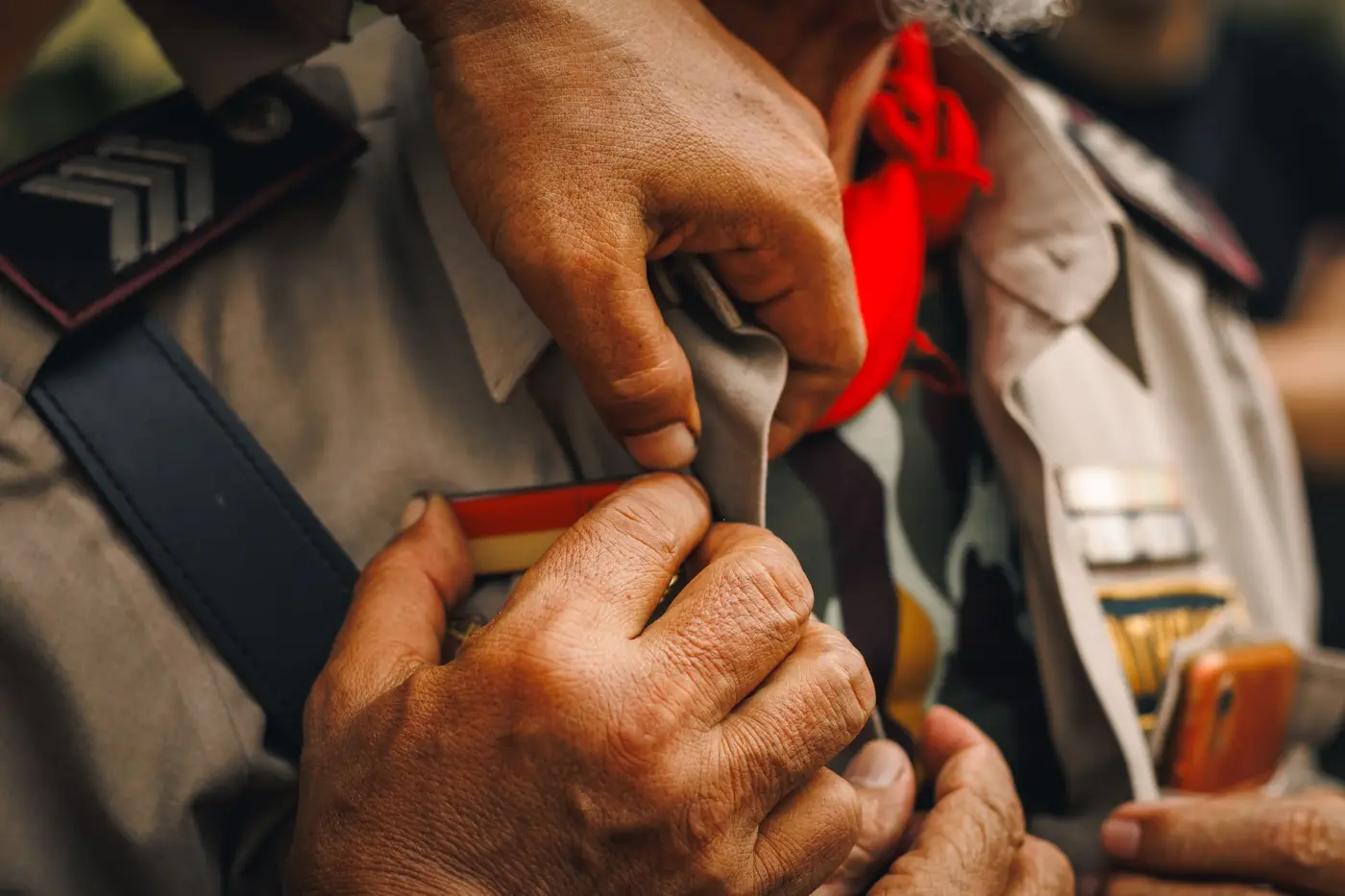
Velcro (hook-and-loop) makes the patch removable. Essential if the patch needs to change — name patches, rank, rotating client logos, or gear that's shared between people. You'll need the loop side attached to the garment as well.
Adhesive/peel-and-stick exists but is genuinely temporary. Fine for a one-day event, not for apparel.
How to choose without wasting a run
Work through it in this order and you'll land in the right place:
1. Look at your smallest text. If anything is under a quarter inch, embroidery is out. Go woven or printed.
2. Decide if texture matters. If the raised, tactile quality is part of what you want, that's embroidered or chenille. If you'd rather have detail, that's woven.
3. Think about where it lives. Outdoors and wet? PVC. Work uniform washed weekly? Embroidered or woven, sewn on. One-day event? Printed is fine and cheap.
4. Decide if it needs to come off. If yes, velcro, and plan for the loop side too.
5. Size it honestly. Bigger patches hold more detail and cost more. A 3-inch patch is the common sweet spot for a chest placement; sleeve patches usually run 2 to 3 inches. Don't try to fit a detailed logo into a small embroidered patch — that's the single most common mistake we see.
Minimums and getting a quote
Patch minimums vary a lot by type, mostly because of setup. Embroidered and woven runs are the most flexible. PVC needs a mold made, so it wants a larger quantity to make sense. Printed patches have almost no setup at all.
If you're putting patches on garments we're also decorating — work shirts, hats, or a uniform program — it's usually simpler and cheaper to do both in one place. And if you're weighing a patch against stitching the logo directly, logo embroidery covers that side.
Send us the artwork, roughly how many you need, and what it's going on. You'll get a free mockup and a straight quote, and we'll tell you which patch type actually fits your design — including when the cheaper one is the right answer. Get in touch whenever you're ready!
Frequently asked questions
- What is the difference between embroidered and woven patches?
- Embroidered patches are stitched with thick thread onto a fabric backing, giving a raised, textured surface. Woven patches are made on a loom from much finer thread, so they sit flat and hold far more detail. Embroidered looks classic and dimensional; woven handles small text and fine lines.
- Which patch type is best for small text?
- Woven, or printed for very complex artwork. Embroidery thread is physically too thick to form letters below about a quarter inch — they fill in and become unreadable. If your logo includes a tagline or fine print, weaving keeps it legible.
- Are woven patches cheaper than embroidered?
- Usually slightly, at the same size. Weaving is a faster process than laying down thousands of individual stitches. The gap is not dramatic though, so pick based on how your design looks rather than the small price difference.
- Should I get iron-on or sew-on patches?
- Sew-on for anything permanent, especially work uniforms that get washed often — the stitching holds mechanically and survives commercial laundering. Iron-on is fine for casual use but the adhesive degrades with heat and washing, and it will not hold reliably on nylon or waterproof fabric.
- What are PVC patches used for?
- Outdoor gear, tactical equipment, and anything that gets wet. They are molded soft plastic rather than fabric, so they are fully waterproof, very durable, and can hold 3D shapes and sharp edges thread cannot. A mold has to be made, so they suit larger runs.
- Can you put patches on hats?
- Yes, and it is one of the best uses for them. A patch covers the center seam on a structured cap, which otherwise limits an embroidered design, and it can hold detail embroidery cannot. Leather patch hats are their own thing and we covered them separately.
- How big should a custom patch be?
- Around 3 inches wide is the common sweet spot for a chest placement, and 2 to 3 inches for a sleeve. Bigger patches hold more detail and cost more. Trying to fit a detailed logo into a small embroidered patch is the most common mistake we see.
- Is there a minimum order for custom patches?
- It depends on the type. Embroidered and woven runs are the most flexible, printed patches have almost no setup, and PVC wants a larger quantity because a mold has to be produced first. Tell us what you are after and we will give you the real number.
Got a project in mind?
Send us your idea and quantities — we'll come back with a free mockup and quote.
Get a free quote