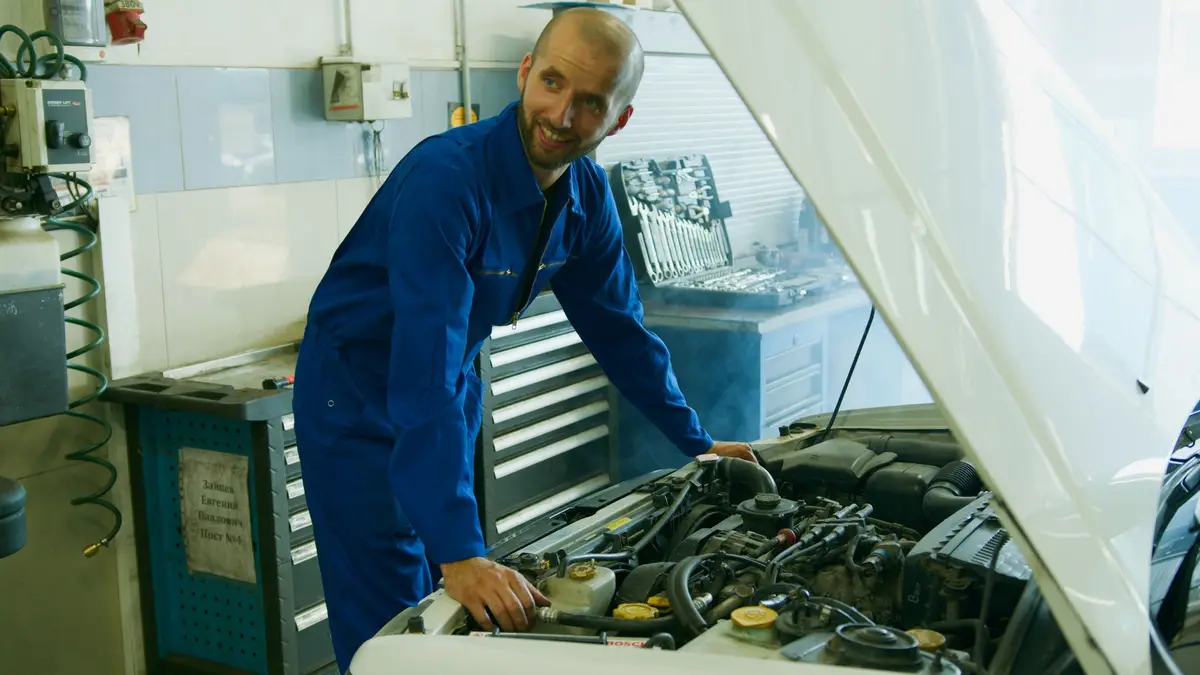
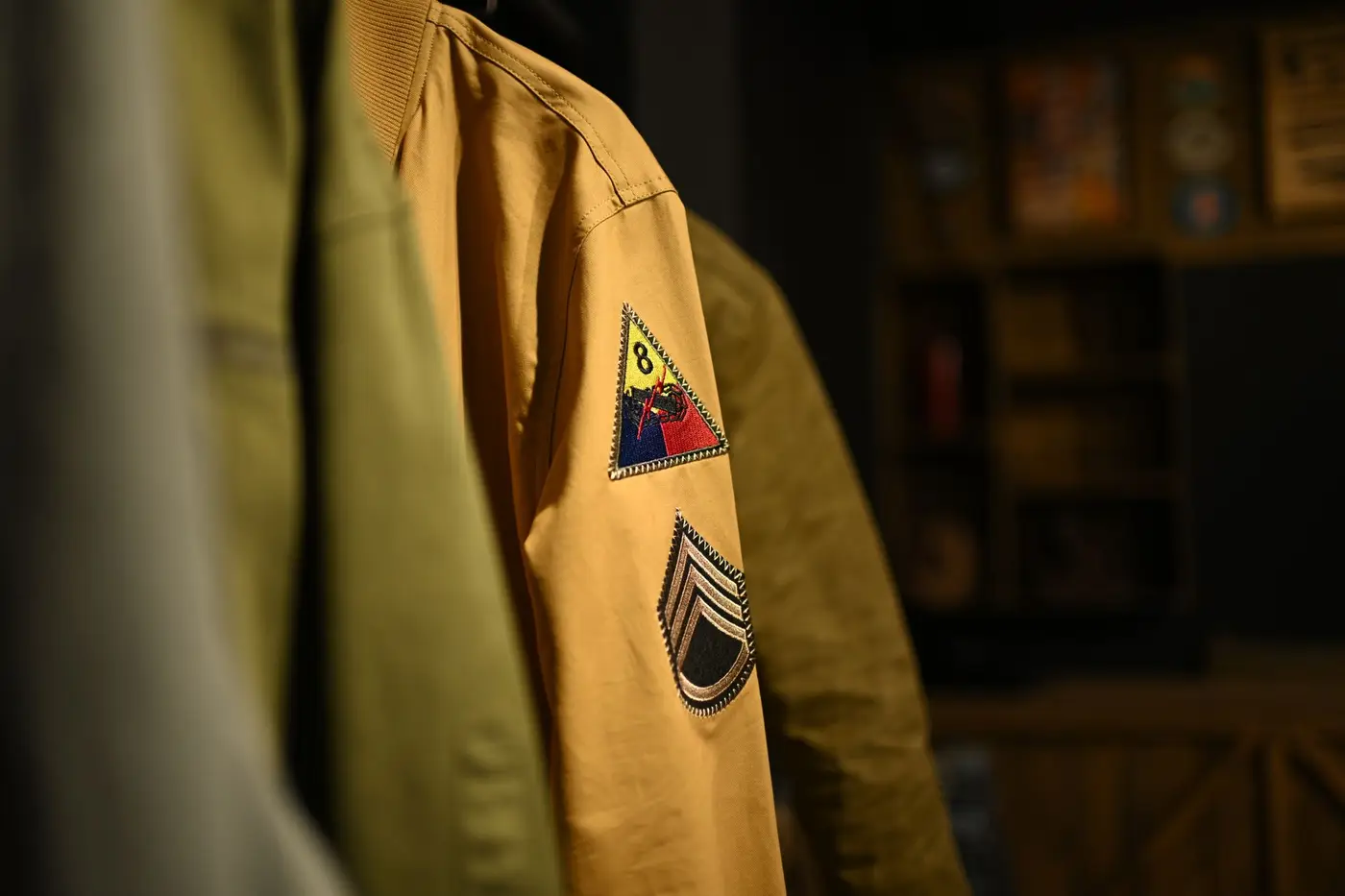
A name patch turns a generic work shirt into that person's work shirt. Here's how custom name patches are made, the sizes and backings that actually hold up, what they cost, and the one question worth asking before you order any — whether you need a patch at all.
Custom name patches are the cheapest upgrade you can make to a uniform. A shirt with a name on it stops being a generic shirt and becomes Dave's shirt — and people take noticeably better care of a shirt with their name on it. Customers pick up on it too. A tech who walks up with a name on his chest reads as accountable before he says a word.
Here's the practical version: what size to order, how the patch is actually made, which backing to pick (this is where most orders go sideways), what fonts survive a few years of washing, roughly what it costs, and the honest question of whether you need a patch at all.
What are custom name patches?
A custom name patch is a small embroidered badge carrying a person's name, title, or role, stitched onto a twill backing and attached to a garment by sewing, ironing, or velcro. The attachment method is the whole point: with velcro, one shirt can serve a new hire, a shift change, or a different role without replacing the shirt.
The format goes back a long way — embroidered patches have carried names and insignia on military and service uniforms for over a century, and the shape most people picture (an oval with a script first name) came straight off a gas-station shirt. That heritage is exactly why it still works. A name patch looks like a uniform in a way a printed name never quite does.
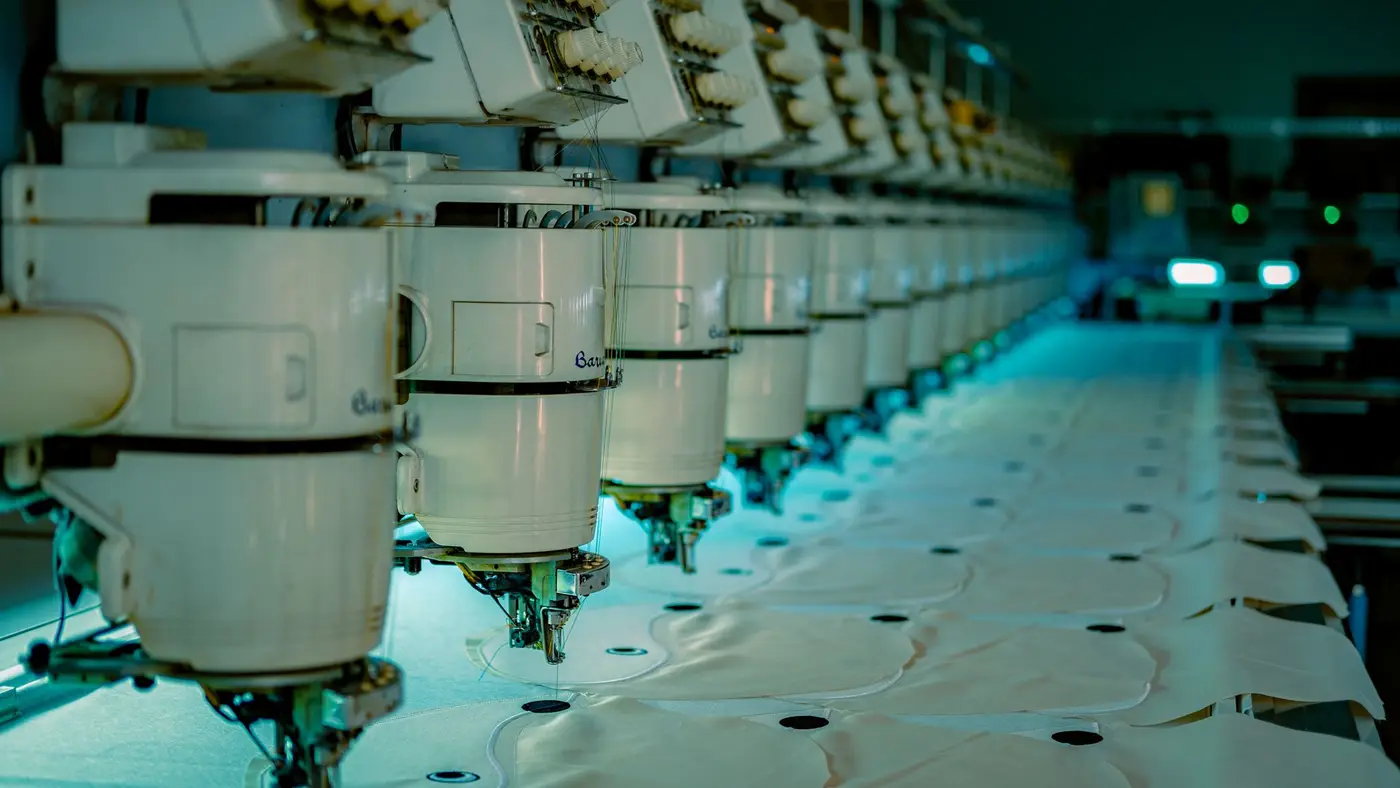
Standard name patch sizes
There are really only four sizes worth knowing, and picking the wrong one is the most common ordering mistake we see.
4" x 1" rectangle is the workhorse. It fits a chest panel on almost any work shirt, holds a first and last name comfortably, and is what most trade and service crews end up with. 5" x 1" is the military name-tape proportion, and it's a good pick if you want a longer, flatter look or you have genuinely long last names.
The oval, around 3.5" x 2", is the classic mechanic patch — script first name, room for a second line. It reads as more traditional and more personal, and it's the one people ask for by name. 2 to 3 inches wide is the range for caps, bags, and sleeve placements where the panel is small.
The one number that matters: letter height
Keep stitched letters at a quarter inch tall or bigger. Below that, thread stops resolving cleanly — the counters in letters like a, e, and o fill in, and a name that looked sharp on the proof turns into a blur after a dozen washes. This is the real constraint on how much you can fit, not the patch dimensions. If someone's full name won't fit at a quarter inch, use a first name, or go to the 5-inch patch.
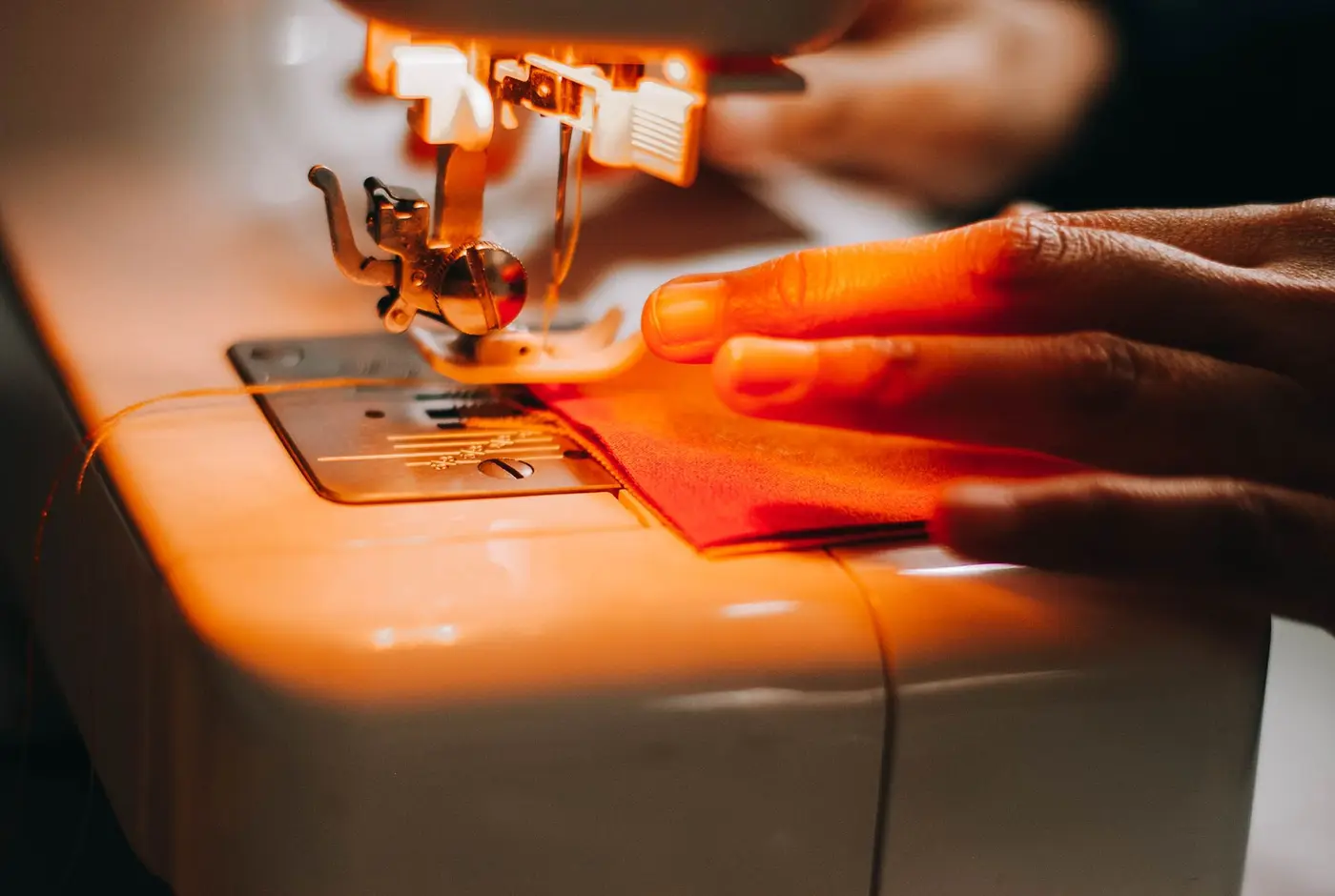
Backing: sew-on, iron-on, velcro, or adhesive
This is the decision that determines whether the patch is still on the shirt in two years, so it's worth thirty seconds of thought.
Sew-on
The most durable option, and the right answer when the name is permanent to that garment. Personal workwear, chef coats, jackets somebody will keep — anything headed for a hot industrial wash. A sewn patch outlasts the shirt it's on. The tradeoff is that it's permanent: when that employee leaves, the shirt goes with them or gets a seam ripped.
Iron-on
Fast and cheap, and genuinely fine on cotton, denim, and canvas that don't see heavy laundering. But the heat-set adhesive softens over repeated hot washes, and corners start lifting. If a garment gets washed weekly, stitch the edge down as well — iron it to position it, then sew it to keep it. Skip iron-on entirely on performance poly, which can scorch.
Velcro (hook and loop)
This is the one most businesses should be looking at. Hook-and-loop backing means the patch comes off and a different one goes on, so the garment outlives the assignment. Two versions exist: single velcro is hook backing only, for gear that already has a loop panel sewn on; double velcro includes the loop piece to attach to a plain shirt or jacket first.
The math is the argument. If you have real turnover, you buy the loop panel once per shirt and then only buy a $3 patch per person instead of a whole new decorated shirt. It also lets one person carry two roles — swap the patch, same garment.
Adhesive
Peel-and-stick. Genuinely useful for a one-day event, a conference, or a visitor badge, and not useful for anything else. It will not survive a wash.
Name patch or direct embroidery? The honest answer
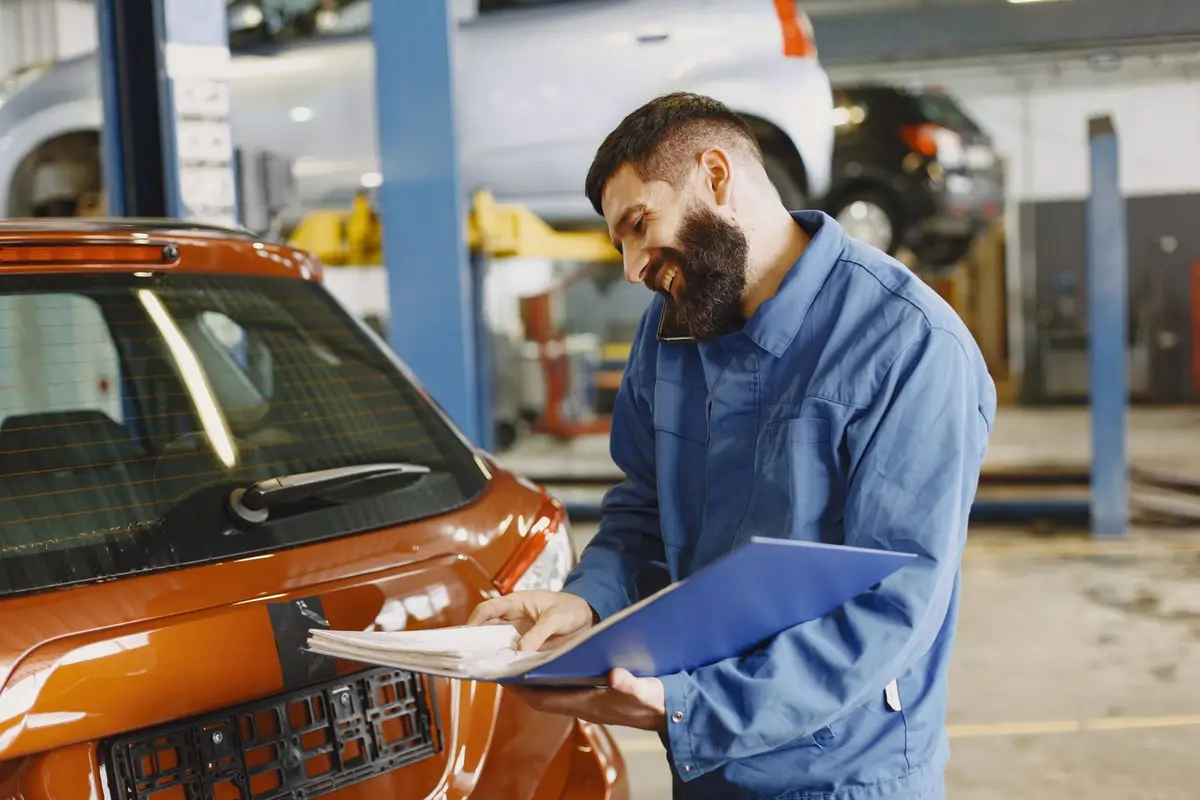
Most shops will happily sell you patches without asking this, so let's ask it: do you need a patch, or do you just need a name on a shirt? Because we can also stitch the name straight onto the garment, and it's usually cleaner and cheaper.
Go with direct embroidery when the shirt belongs to the person. It looks sharper — no border, no twill square sitting on top of the fabric — and it costs less because there's no separate patch to make and attach. For an office, a sales team, or a crew with low turnover, this is almost always the right call.
Go with patches when the garment needs to outlive the name on it. High-turnover crews, seasonal staff, shared jackets and coveralls, FR garments you can't afford to replace, and any rented or pooled uniform. Also go with patches when you want the traditional oval mechanic look, because direct embroidery simply doesn't give you that.
One more that tips the scales: if your shirts go through an industrial laundry, patches let you re-badge a garment that comes back and gets reassigned. We get into the full setup in our guide to running an employee uniform program.
Fonts, colors, and what to actually put on it
Keep it boring. A name patch is one of the few places where restraint is the whole design.
Use a clean block or simple script, and only one of them. Condensed fonts look great on screen and stitch badly — thin strokes and tight spacing are what cause letters to close up. For colors, high contrast is the entire game: white or gold on navy, navy on white, black on tan. A mid-tone name on a mid-tone patch is unreadable from six feet, which defeats the purpose.
On content: first name only reads friendlier, first and last reads more official. Trades and service crews that enter homes usually want the full name plus a role — customers like knowing who's in the house. Add a second line for the title if it earns its space ("Service Manager," "Lead Tech"), and leave it off if it doesn't. Certifications are worth a line when your techs have them — that's a real trust signal most shops leave unused, which is also true of the mechanic shirts we print.
What custom name patches cost
Three things move the price: the size, the quantity, and whether each patch is different. Name patches are the awkward case in embroidery pricing, because every single one is a unique file — twelve patches with twelve names is twelve setups, not one setup run twelve times. That's why per-piece pricing on names doesn't drop as fast as it does on a logo.
The practical range for a standard 4" x 1" embroidered name patch runs from a couple of dollars each at real quantity up to several dollars each for a handful, plus whatever the backing adds. Velcro costs a little more than sew-on, and the loop panel on the garment is a one-time add. Our embroidery cost guide walks through how the stitch-count math works in general.
The thing worth knowing up front: name patches are cheap; putting them on garments is where the labor is. If you're ordering patches to attach yourself, say so, because that's a meaningfully different quote than patches attached in our shop.
Ordering custom name patches from Heart & Hook
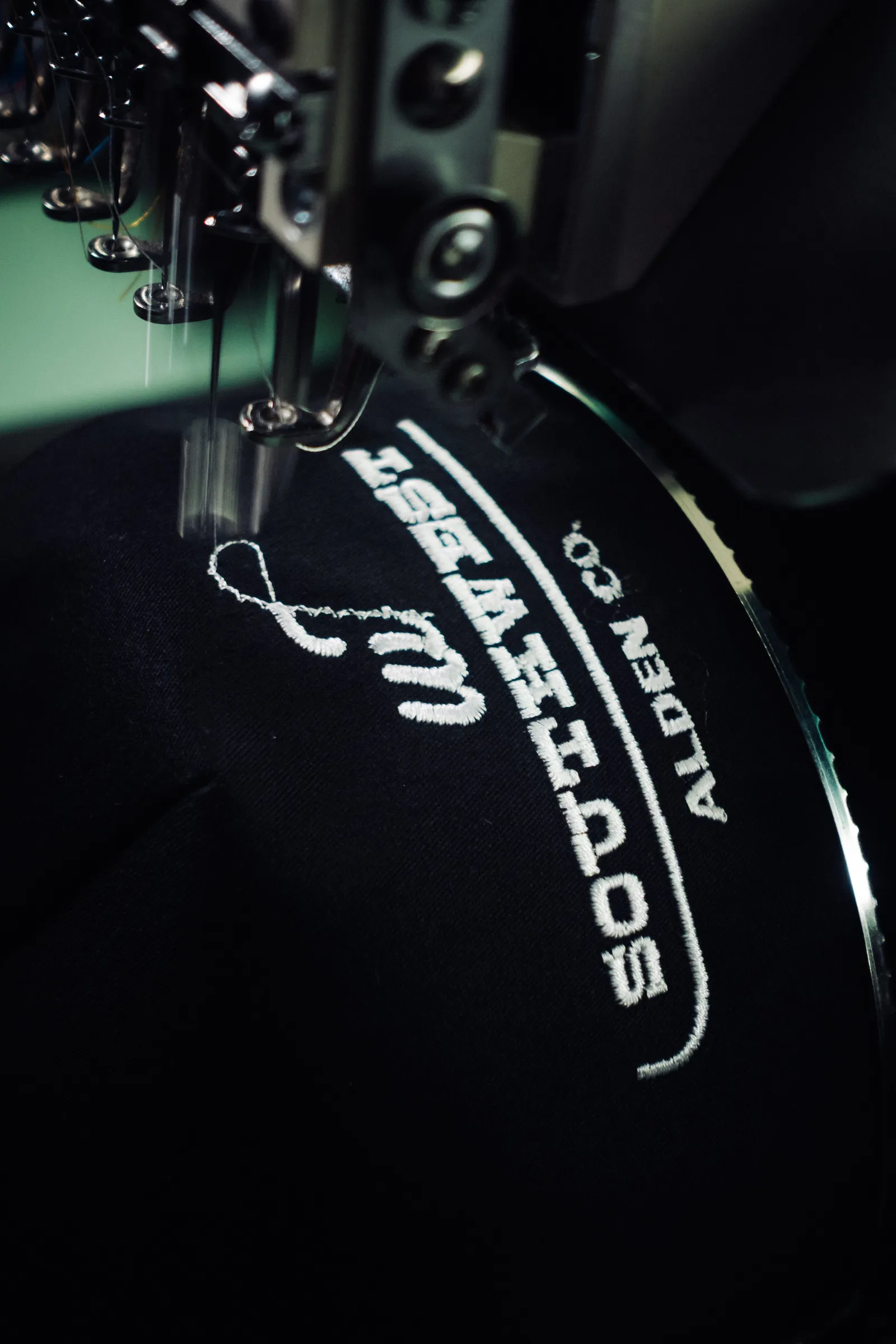
We stitch name patches and direct-embroidered names for trade crews, shops, restaurants, churches, and service companies across Arizona, and we ship anywhere. If you want the full comparison of patch construction — embroidered versus woven, borders, and the rest — we wrote that up in embroidered vs woven patches.
Send us the list of names, tell us the garment they're going on, and let us know your turnover situation. We'll come back with a free mockup and a straight quote, and an honest recommendation on whether patches or direct embroidery is the better buy for you — including when the answer saves you money. Just let us know what you have in mind!
Frequently asked questions
- What size is a standard name patch?
- 4 inches wide by 1 inch tall is the standard for work uniforms and chest placement. 5 by 1 inch is the military name-tape proportion, an oval around 3.5 by 2 inches is the classic mechanic patch, and 2 to 3 inches wide suits caps, bags, and sleeves.
- What is the best backing for a name patch?
- Sew-on if the name is permanent to that garment and it gets laundered hard. Velcro if the garment will outlive the person wearing it, which is most businesses with turnover. Iron-on is fine on casual cotton but should also be stitched at the edge if it gets washed weekly.
- Are velcro name patches worth the extra cost?
- For any crew with turnover, yes. You attach the loop panel to the shirt once, then only buy a small patch per person instead of a newly decorated shirt each time someone starts. It also lets one person swap between two roles on the same garment.
- Can you put a name patch on a hat?
- Yes, but keep it to 2 to 3 inches wide so it fits the front panel without wrapping toward the seams. On caps we'll often recommend direct embroidery instead, since a patch adds bulk on an already curved surface.
- Should I use a name patch or embroider the name directly?
- Embroider directly when the shirt belongs to that person — it looks cleaner and costs less. Use a patch when the garment needs to outlive the name on it: high turnover, shared coveralls, FR gear, or pooled uniforms. Patches are also the only way to get the traditional oval mechanic look.
- How small can the letters on a name patch be?
- Keep stitched letters at a quarter inch tall or larger. Below that the openings in letters like a, e, and o fill in with thread and the name blurs after washing. If a full name won't fit at that height, use the first name only or move up to a 5-inch patch.
- How much do custom name patches cost?
- Size, quantity, and backing drive it. Expect a couple of dollars each at real quantity up to several dollars each for small batches. Note that every name is a unique file, so per-piece pricing drops more slowly than it does on a repeated logo.
- Will an iron-on name patch survive the wash?
- Partly. The adhesive holds well at first but softens over repeated hot washes, and corners lift. On anything laundered weekly, iron it on to position it and then stitch the edge down. Avoid iron-on entirely on performance polyester, which can scorch.
Need uniforms for your crew?
Tell us how many people need gear and what they wear on the job. We'll send a free logo mockup and a quote, and keep your logo on file so every reorder matches.
Get a free uniform quote