How custom leather patch hats are made, real leather vs faux, laser engraving vs debossing, which hat styles work — and when embroidery is the better call.
What is a leather patch hat?
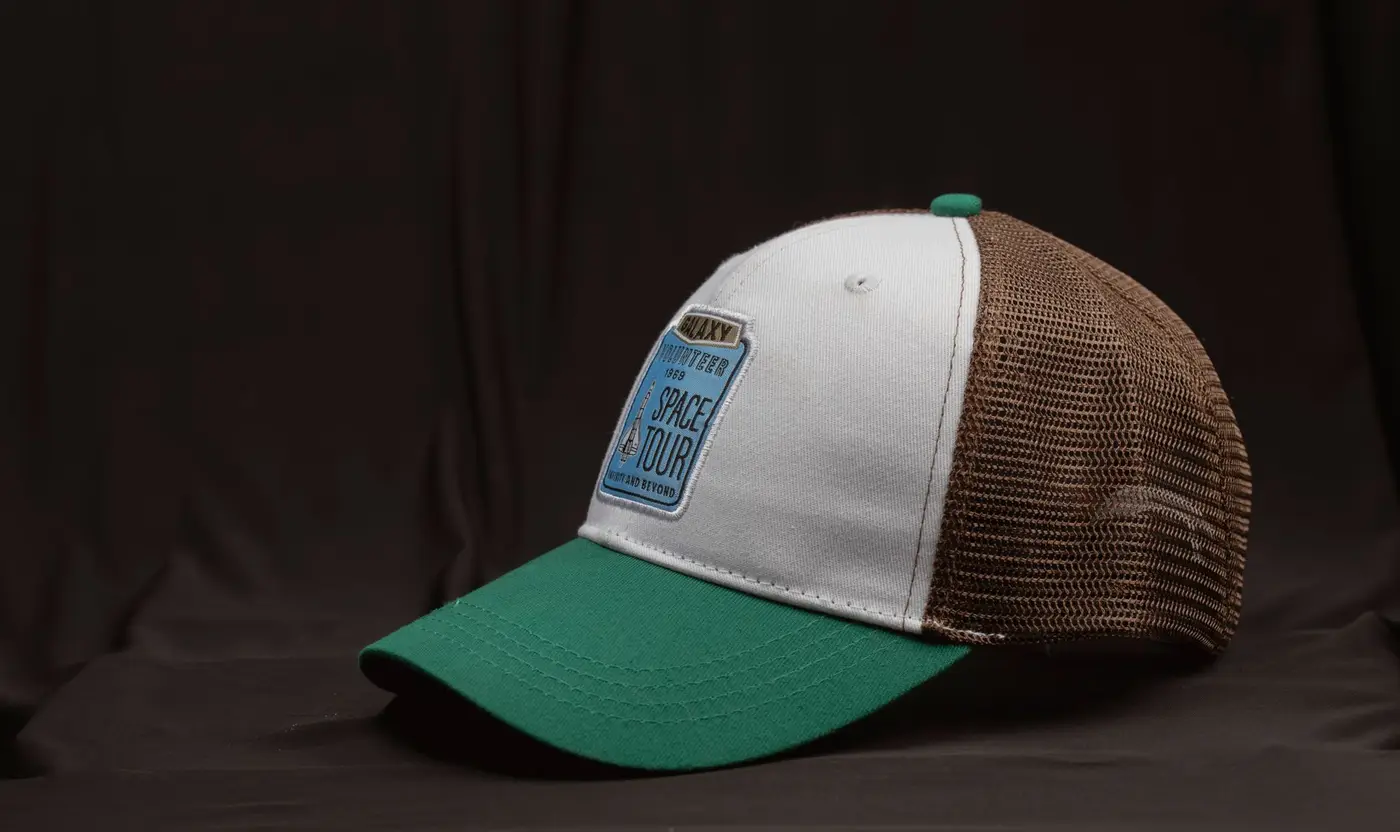
A leather patch hat is a cap with your logo engraved or debossed into a leather patch, which is then sewn or heat-pressed onto the front panel. The patch does the branding instead of stitching the design straight into the fabric — which is why it can hold detail that embroidery physically can't.
They've gone from a Western and outdoor-brand thing to something we make for breweries, construction companies, real estate teams, and churches. The look reads as rustic and premium at the same time, and it photographs really well — which is a bigger deal than it sounds when your team is posting event pictures.
Why a patch instead of embroidery?
Three real reasons, and one honest caveat.
Detail. Embroidery thread can't hold text below about a quarter inch — it fills in and turns to mush. A laser can engrave lettering far finer than that, so a logo with a tagline, an established date, or fine linework survives on a patch when it wouldn't survive stitched.
The center seam disappears. Most structured six-panel caps have a raised seam running straight up the middle of where your logo goes, and embroidery has to be designed around it. A patch sits on top and covers it completely, so you can center whatever you like.
The look. Leather against canvas or mesh reads as more considered than a stitched logo on the same hat. It's the reason the style took off.
The caveat: a patch is applied, and embroidery is part of the hat. A well-stitched logo will outlast almost anything. If you want maximum durability on a hat that's going to get beaten up daily on a job site, direct embroidery is still the tougher option. We'll tell you that even though patches are usually the bigger sale.
Real leather or faux?
Both work, and the right answer depends on what you want the hat to look like in two years.
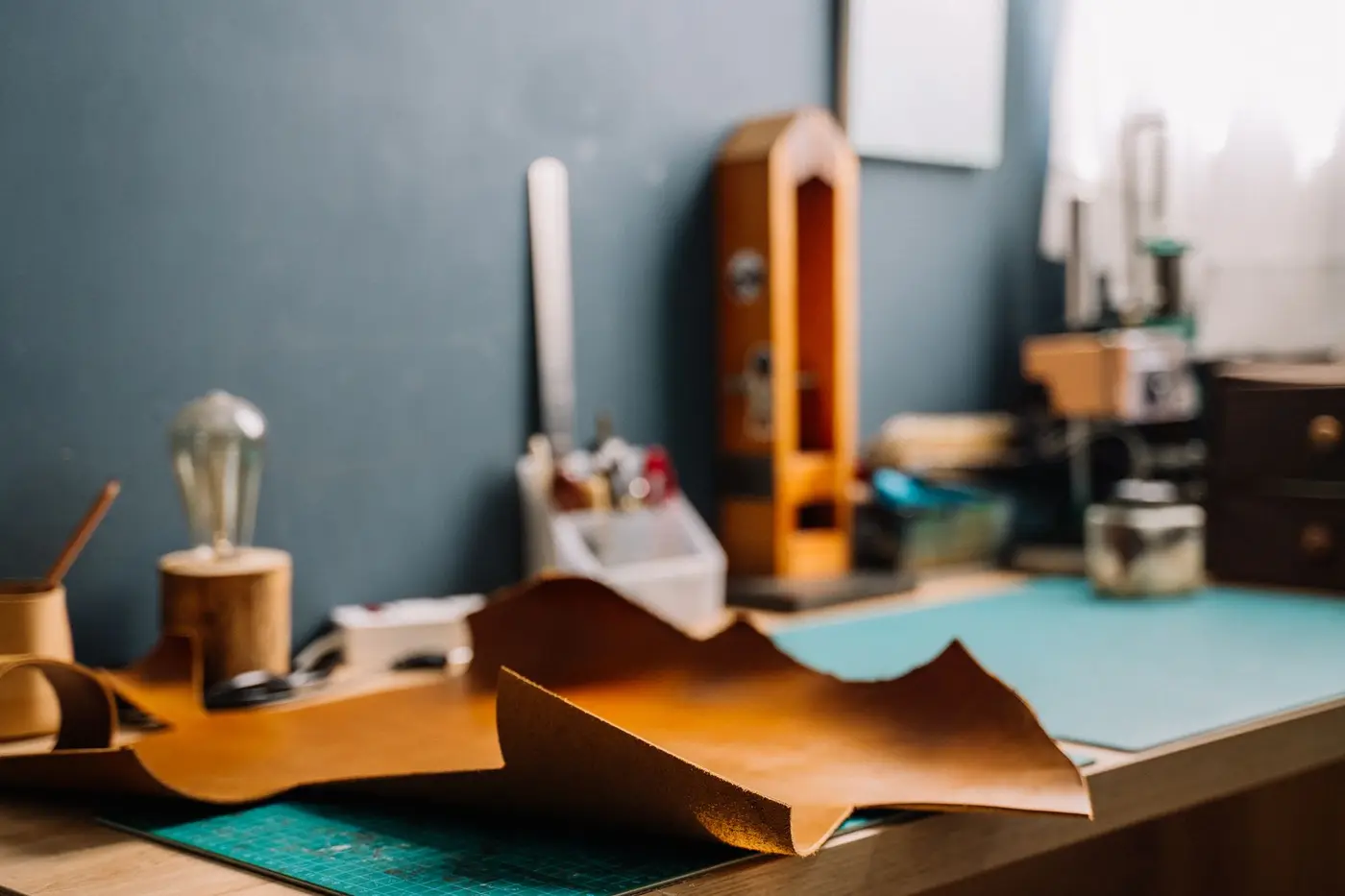
Real leather — usually vegetable-tanned — takes engraving beautifully and develops a patina. It darkens where it's handled, picks up character, and looks better worn than new. That's the whole appeal for a lot of people. It also costs more, and every hide is slightly different, so there's natural variation in tone across a batch. On a run of a hundred hats, that variation is a feature to most customers and a problem to a few. Worth deciding which you are before you order.
Faux leather engraves cleanly, costs less, and is perfectly consistent across a run — every patch is identical. It won't develop character the way real leather does, but it also won't darken unevenly. For corporate uniform work where matching matters more than patina, faux is often the better call.
There's also suede, which takes a debossed mark nicely but blurs fine engraving, and cork or canvas patches if you want the shape without the leather. We'll send samples if you're torn.
How the patch gets made
It's a short process, but each step decides something about the finished hat.
Your artwork gets prepped as vector. The laser follows paths, so an AI, EPS, or vector PDF is ideal. A raster logo can work if it's high resolution, but it'll be traced first, and tracing a low-res file is where quality gets lost.
The patch shape is cut. Rectangle, rounded rectangle, oval, shield, or a custom die shape. Standard sizes run around 2 to 3 inches wide for a front-panel patch.
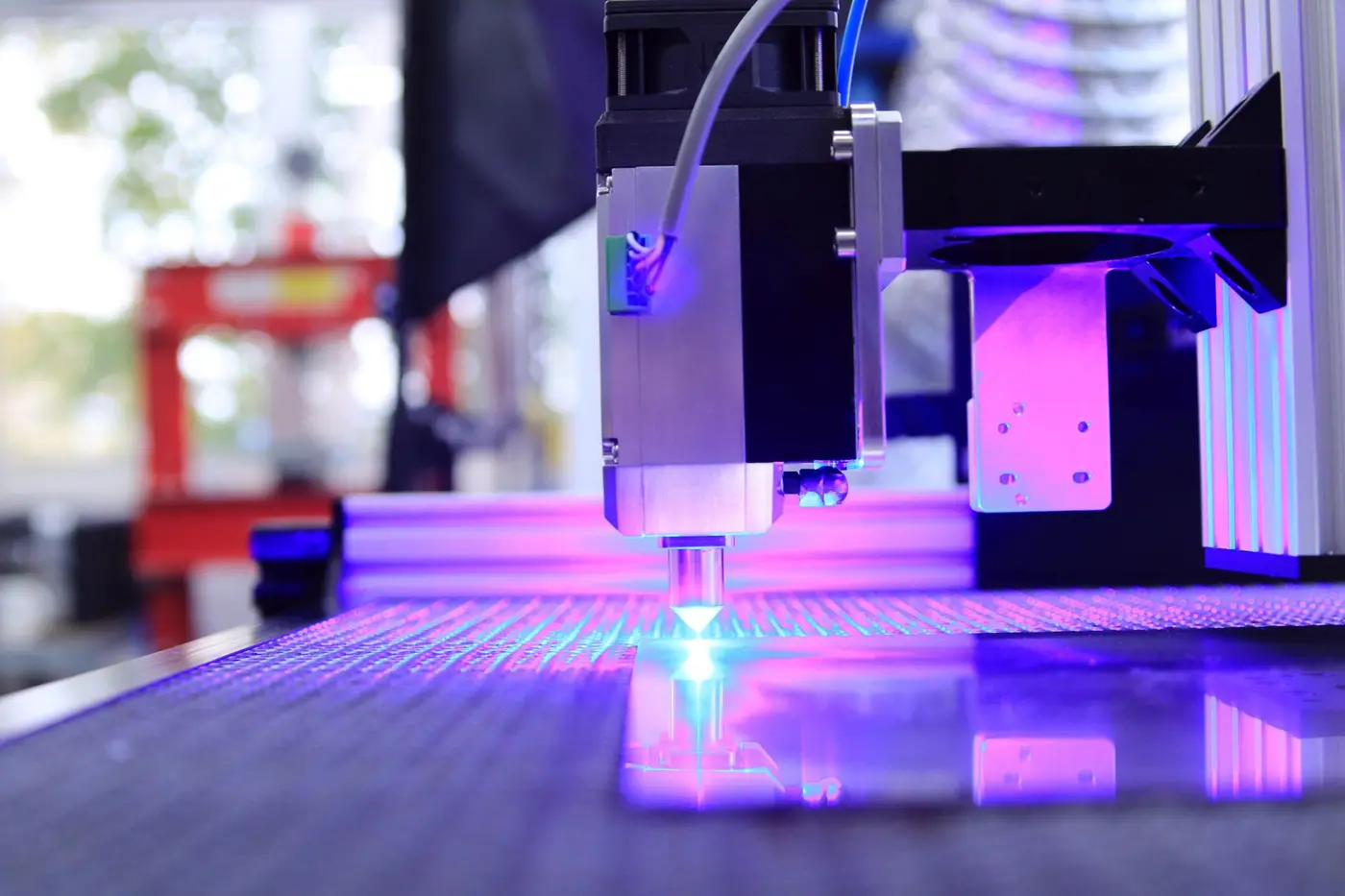
The design is engraved. A laser burns the design into the surface, which darkens it and creates contrast against the surrounding leather. Because it's burned rather than printed, there's nothing to crack, peel, or wash off — the mark is the material.
Debossing is the other option: a heated die presses the design in rather than burning it, giving a cleaner impression with less scorch tone. It looks more understated, and it needs a physical die made, so it makes more sense on larger runs.
Sewn on or heat pressed?
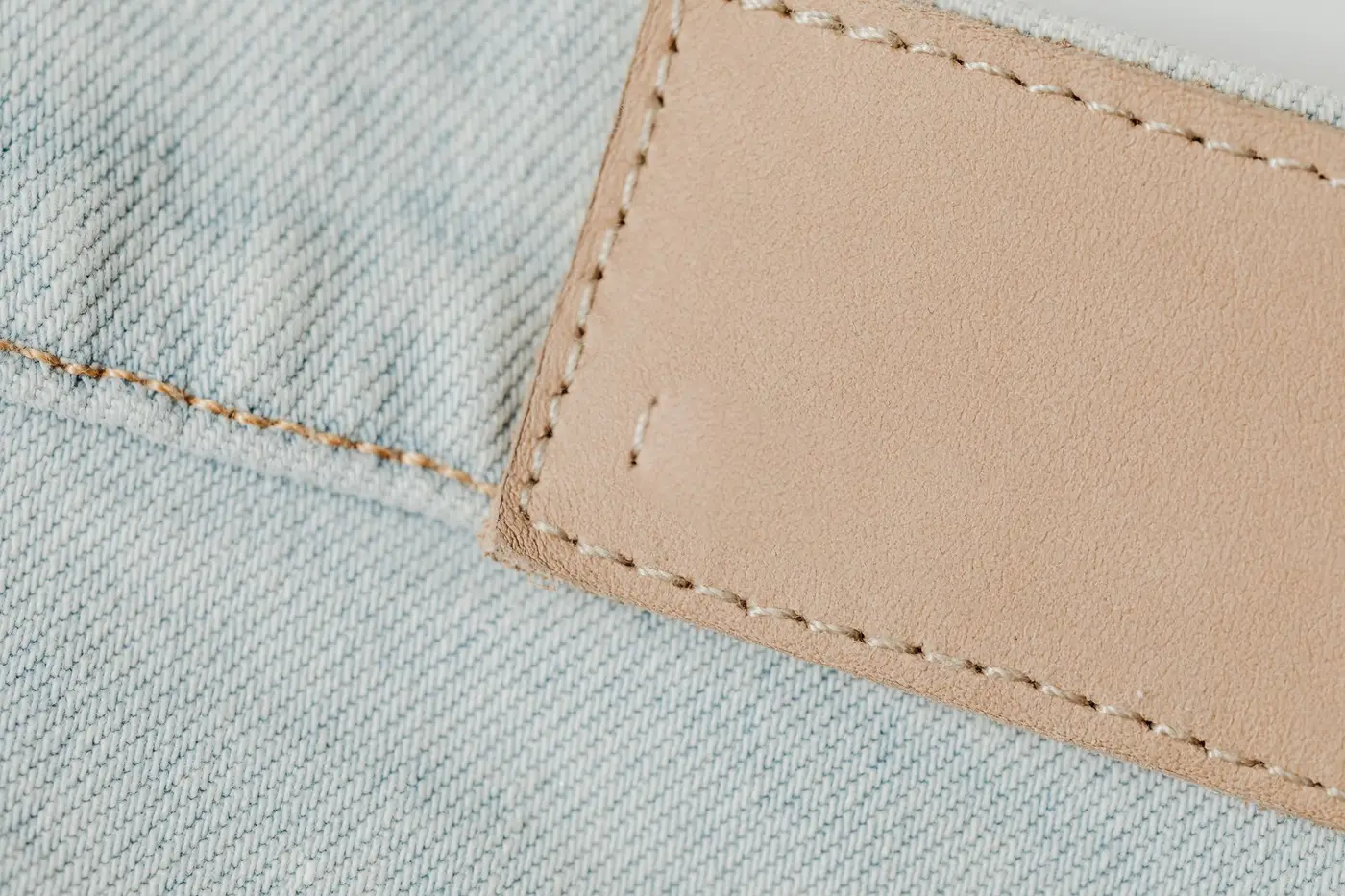
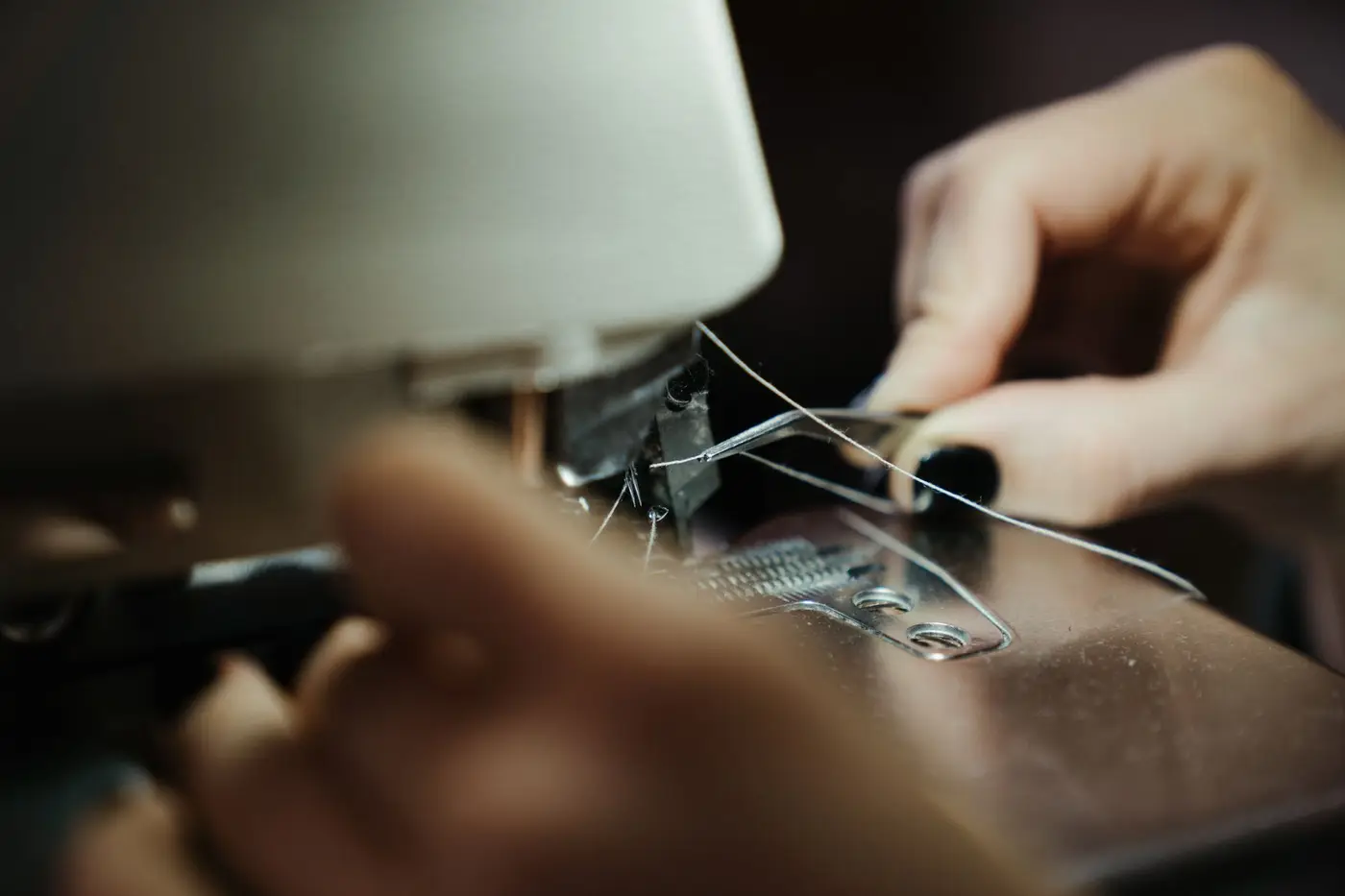
Sewn is the better job, and it's what we'd recommend for anything you want to last. A stitched border around the patch mechanically holds it to the hat, and the visible stitch line is part of the look — it's what makes the patch read as made rather than stuck on.
Heat pressing uses an adhesive backing and a press. It's faster and cheaper, and modern adhesives hold up far better than they used to. But heat, sweat, and washing are all working against a glue bond over time, and a corner lifting on a hat is very visible.
If a shop is quoting you unusually cheap patch hats, it's worth asking which method they're using. Both are legitimate; they're just not the same product.
Which hats work best
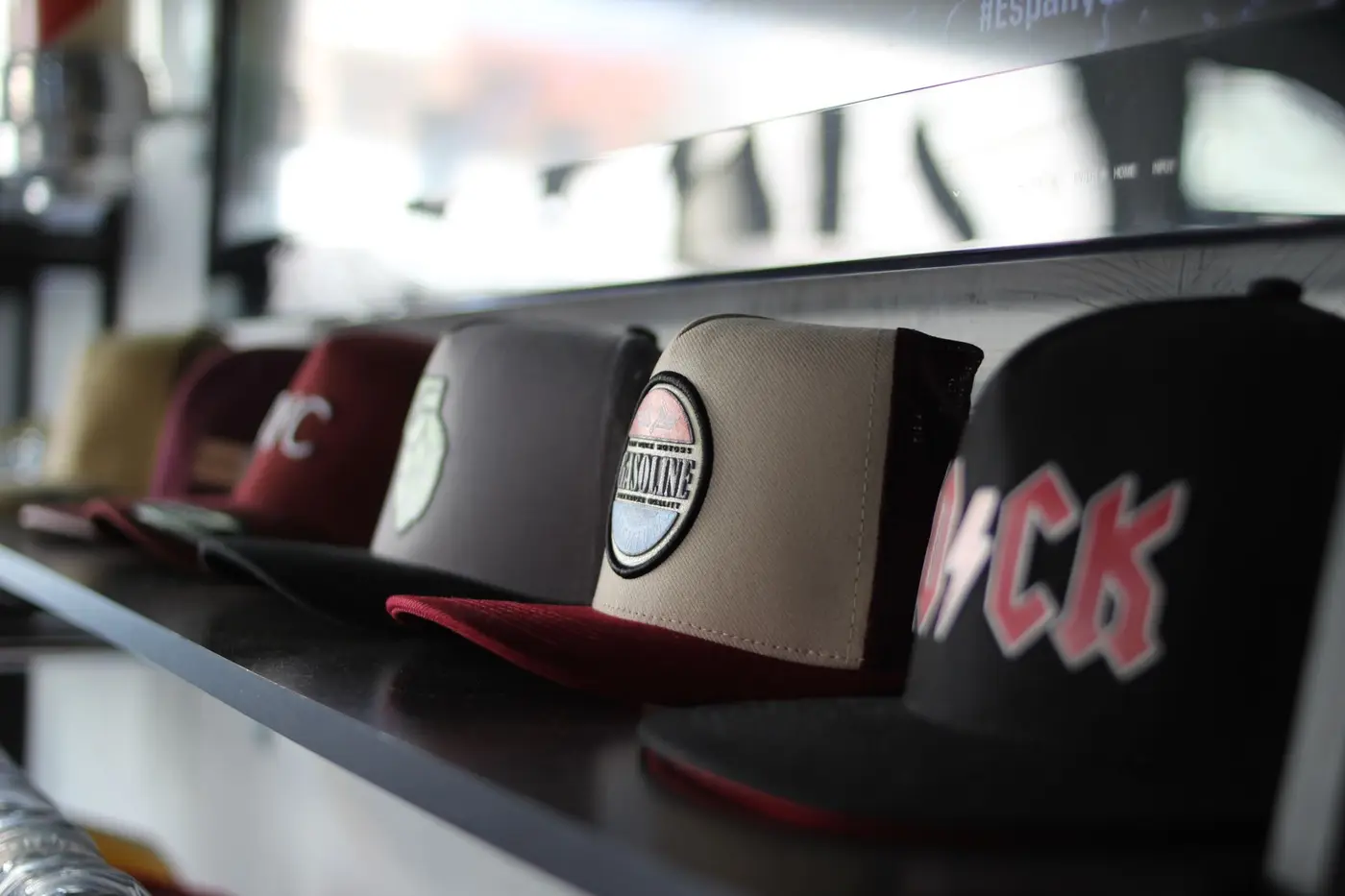
Trucker caps are the most popular by a distance. The foam front panel is flat, firm, and smooth, which is close to ideal for holding a patch, and the mesh back keeps them wearable in an Arizona summer.
Rope hats — a trucker with a braided rope across the brim — are the current favorite for a lot of brands. Same patch surface, slightly more style.
Structured six-panels work well, and the patch covers the center seam that would otherwise limit an embroidered design.
Dad hats and unstructured caps can take a patch, but the soft front panel means a large, stiff patch can pull the fabric out of shape. Keep patches smaller on these.
Beanies take a small leather tag nicely on the cuff — different look, same idea.
Ordering: minimums, artwork, and cost
Patch hats sit between our embroidery and print work on price, because there are two jobs in one: making the patch and applying it. Expect them to land above a plain embroidered cap and below a fully custom garment.
Artwork. Vector is best. High-contrast, reasonably simple logos engrave the cleanest — the laser is burning tone into leather, so a design that relies on subtle shading won't read. If your logo has a lot going on, we'll usually suggest a simplified patch version and show it to you first.
Minimums. Lower than most people expect. A small run for a team or a launch is very doable, and if you'd rather order a few at a time as you hire, an online company store removes the minimum entirely.
Timeline. Around two to three weeks from artwork approval, same as our other work. Tell us your in-hand date up front and we'll be straight about whether it's realistic.
Want to see yours on a hat?
Send us your logo and the hat style you're picturing, and we'll come back with a free mockup showing the patch on the actual cap, plus a straight quote. If we think embroidery would serve you better, or a different hat would hold your design more cleanly, we'll say so.
Everything is made in house in Mesa and ships anywhere. Have a look at our embroidered hats range, or just get in touch — happy to talk it through either way!
Frequently asked questions
- What is a leather patch hat?
- A cap with your logo engraved or debossed into a leather patch, which is then sewn or heat-pressed onto the front panel. The patch handles the branding instead of stitching the design into the fabric, so it can hold finer detail than embroidery can.
- Is real or faux leather better for hat patches?
- Real leather engraves beautifully and develops a patina, but every hide varies slightly so a large run will not be perfectly uniform. Faux leather costs less and is completely consistent piece to piece. For corporate uniform work where matching matters, faux is often the better choice.
- Do leather patches fall off hats?
- Sewn patches do not — the stitching mechanically holds them on. Heat-pressed patches rely on an adhesive bond, and heat, sweat, and washing work against that over time. If longevity matters, ask for sewn, and ask any shop which method their quote is based on.
- Can you engrave small text on a leather patch?
- Yes, and this is the main advantage over embroidery. Thread cannot hold text below about a quarter inch, but a laser engraves much finer. Taglines, established dates, and fine linework all survive on a patch when they would fill in if stitched.
- What hats work best with a leather patch?
- Trucker and rope hats are the best fit — the foam front panel is flat, firm, and has no center seam. Structured six-panels also work well, and the patch conveniently covers the seam. On soft dad hats keep the patch smaller, since a large stiff patch can distort the panel.
- How do you clean a leather patch hat?
- Spot clean only. Do not put it through a washing machine — water and agitation are hard on leather and can warp the patch. Wipe the leather with a slightly damp cloth, let it air dry away from direct heat, and it will be fine for years.
- What file do you need for a leather patch?
- Vector is ideal — AI, EPS, SVG, or a vector PDF — since the laser follows paths. A high-resolution raster file can be traced, but tracing a low-resolution logo is where quality gets lost. Send whatever you have and we will tell you honestly whether it will engrave cleanly.
- Are leather patch hats more expensive than embroidered hats?
- Usually a little, because there are two jobs involved: producing the patch and applying it. They land above a plain embroidered cap and below fully custom garments. On larger runs the gap narrows considerably.
Got a project in mind?
Send us your idea and quantities — we'll come back with a free mockup and quote.
Get a free quote