How hat embroidery actually works — why caps are harder than shirts, where the design goes, size limits, and when a patch beats direct stitching.
How does hat embroidery work?
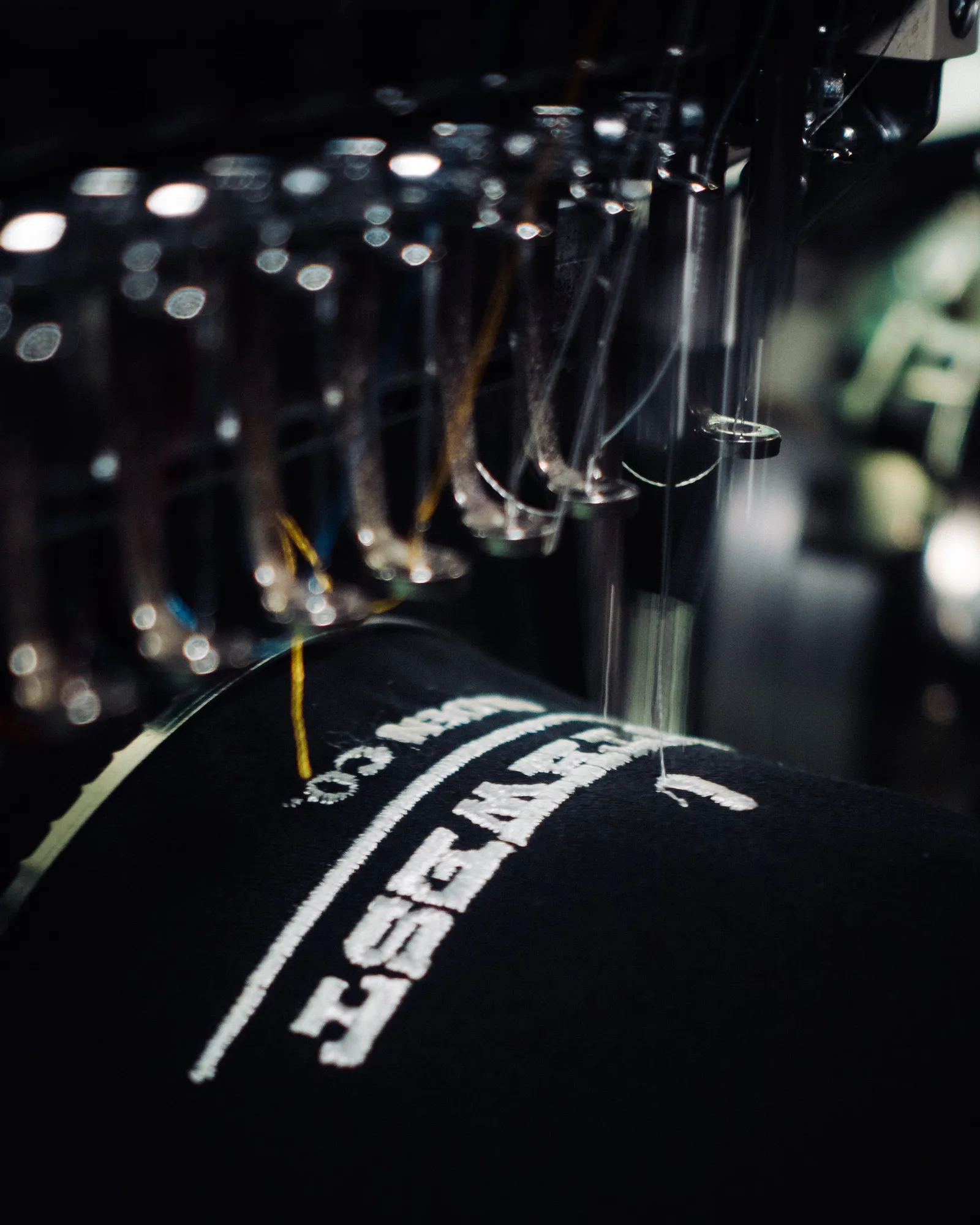
A hat gets clamped into a curved cap frame on a multi-needle machine, stabilizer goes behind the panel, and the design stitches from the bottom up and center outward so the fabric doesn't shift on the curve. Front designs max out around 2.25 inches tall by 5 inches wide.
That's the short version. Hats are the single most common thing people ask us about after t-shirts, and they're also the thing that goes wrong most often when someone tries it without the right setup. So here's the honest walkthrough — how it works, what fits, and where it gets tricky.
Why hats are harder than shirts
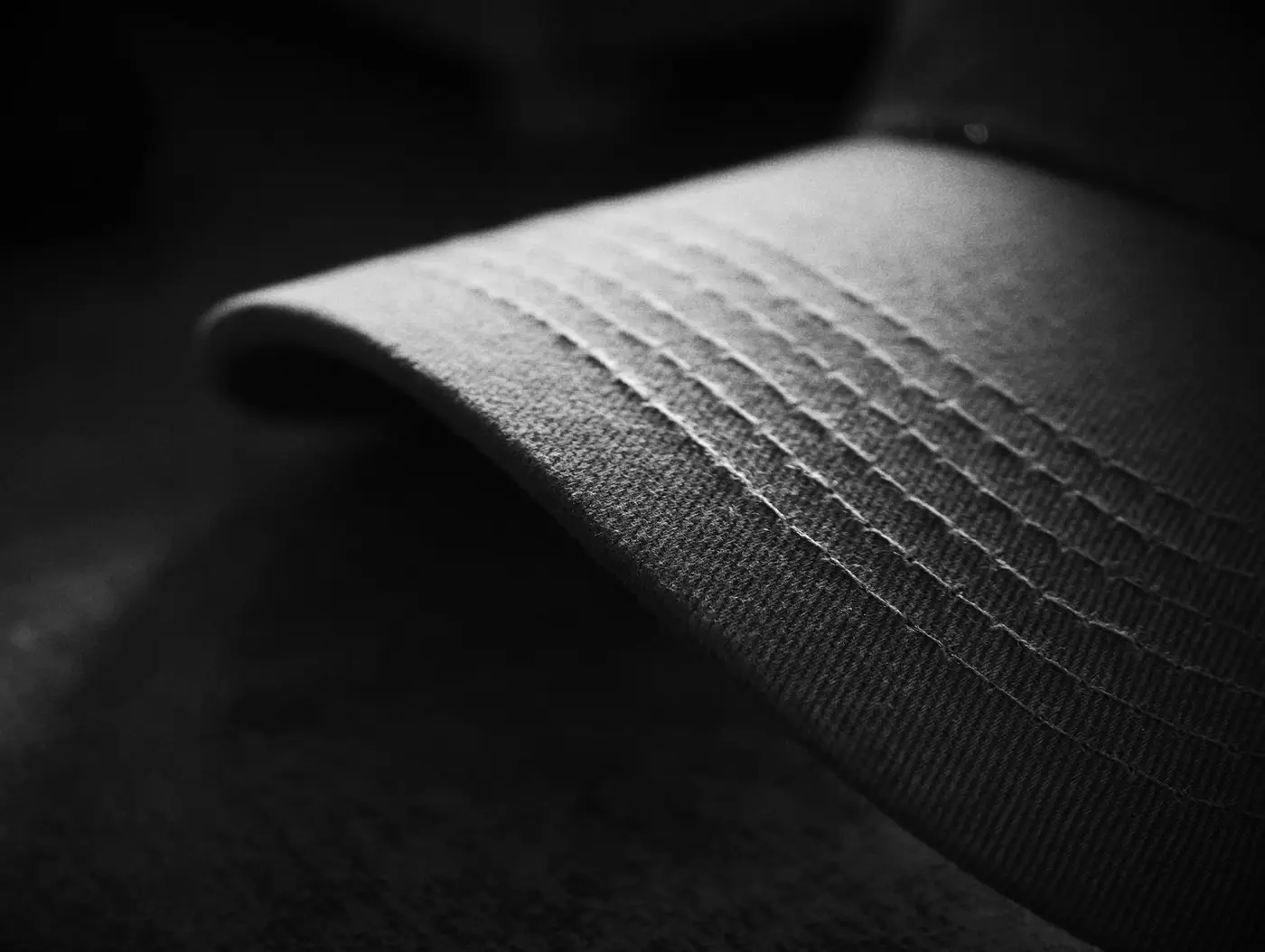
A t-shirt is flat. You hoop it, it lies still, the needle goes straight down into it. A hat is none of those things, and every difference creates a problem to solve.
It's curved. The crown bends in two directions at once, so a design digitized flat will distort — letters lean, circles go oval. It has a center seam. On most six-panel caps there's a raised seam running right up the middle of where your logo goes, and stitches can dive into it or ride up over it. It's structured. Many caps have a stiff buckram lining behind the front panels that a needle has to punch through. And there's a sweatband and a brim physically in the way of the machine.
None of that makes hats hard, exactly — it just makes them unforgiving. Get the setup right and caps stitch beautifully. Get it wrong and you'll break needles and waste blanks.
Hat styles and how each one embroiders
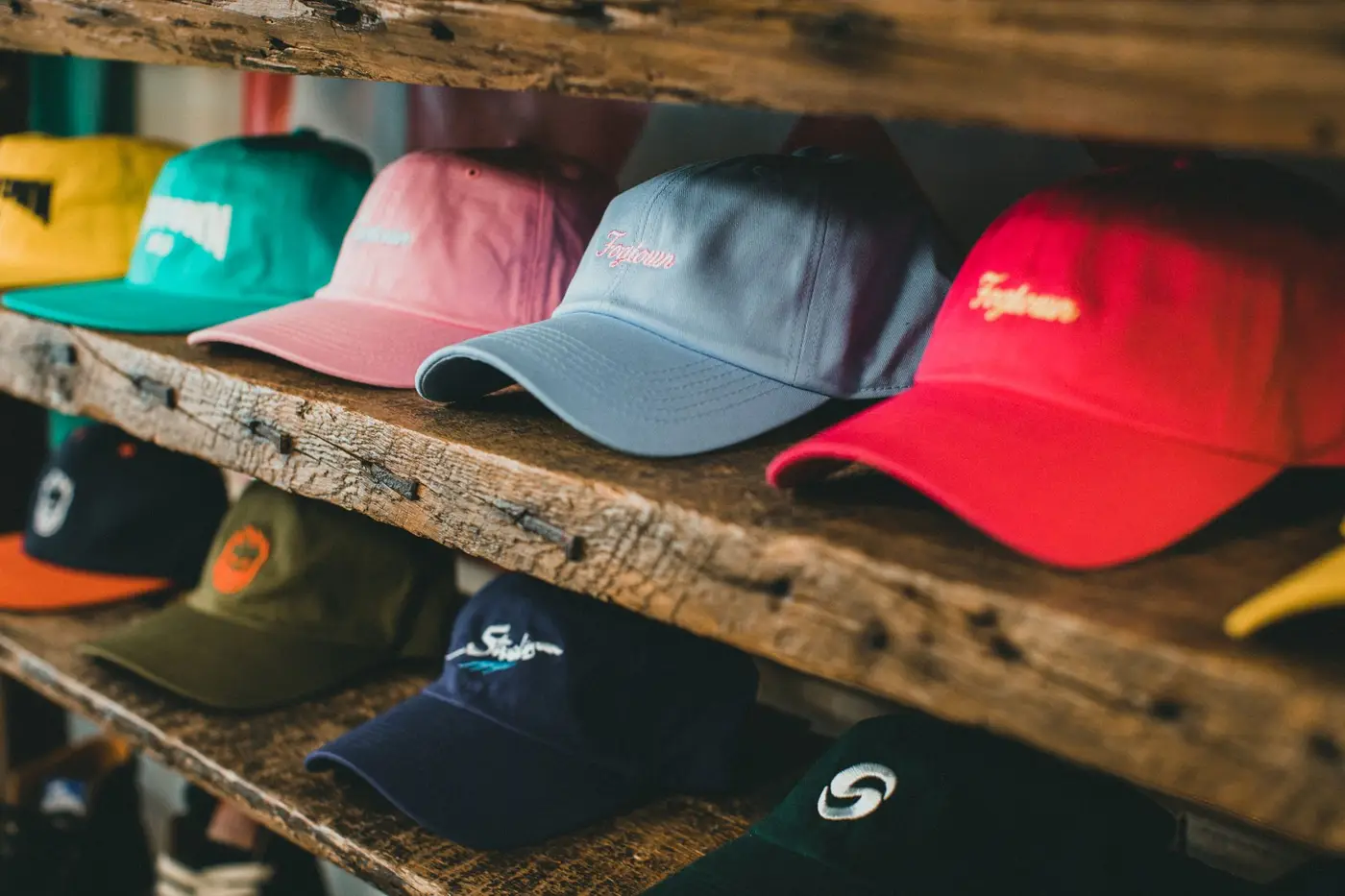
Structured six-panel caps
The classic. Stiff buckram front, center seam, holds its shape off your head. Great for crisp logos because the panel stays taut — but that center seam limits what you can do. Designs that work here are ones that either straddle the seam symmetrically or sit off to one side.
Trucker and one-piece-front hats
Trucker hats are the easiest hat to embroider well, and honestly my favorite to recommend. The front is one solid piece with no center seam, so you get a clean uninterrupted canvas — bigger logos, wider text, no seam to design around. The mesh back keeps them cool, which matters here in Arizona. If you're ordering embroidered trucker hats for a crew, you'll get the most design freedom of any style.
Dad hats and unstructured caps
Soft, low-profile, no buckram. Very popular right now and very comfortable. The tradeoff: with no stiffener behind the panel, dense designs can pucker the fabric. Keep it lighter — outlined logos and simple text look great, heavy solid fill less so. If you're weighing structured vs unstructured, structured holds detail better and unstructured feels better.
Snapbacks and flat-brim caps
Usually structured with a flat brim and a plastic snap closure. They embroider like a structured six-panel. The taller flat crown actually gives you a bit more vertical room than a curved cap, so slightly larger logos fit.
Beanies
Knit and stretchy, which is the whole challenge — the fabric moves under the needle and the design has to survive stretching later. Keep beanie designs small, simple, and on the cuff. A left-chest-sized logo is about right.

Where the design goes — placement and size limits
Front center
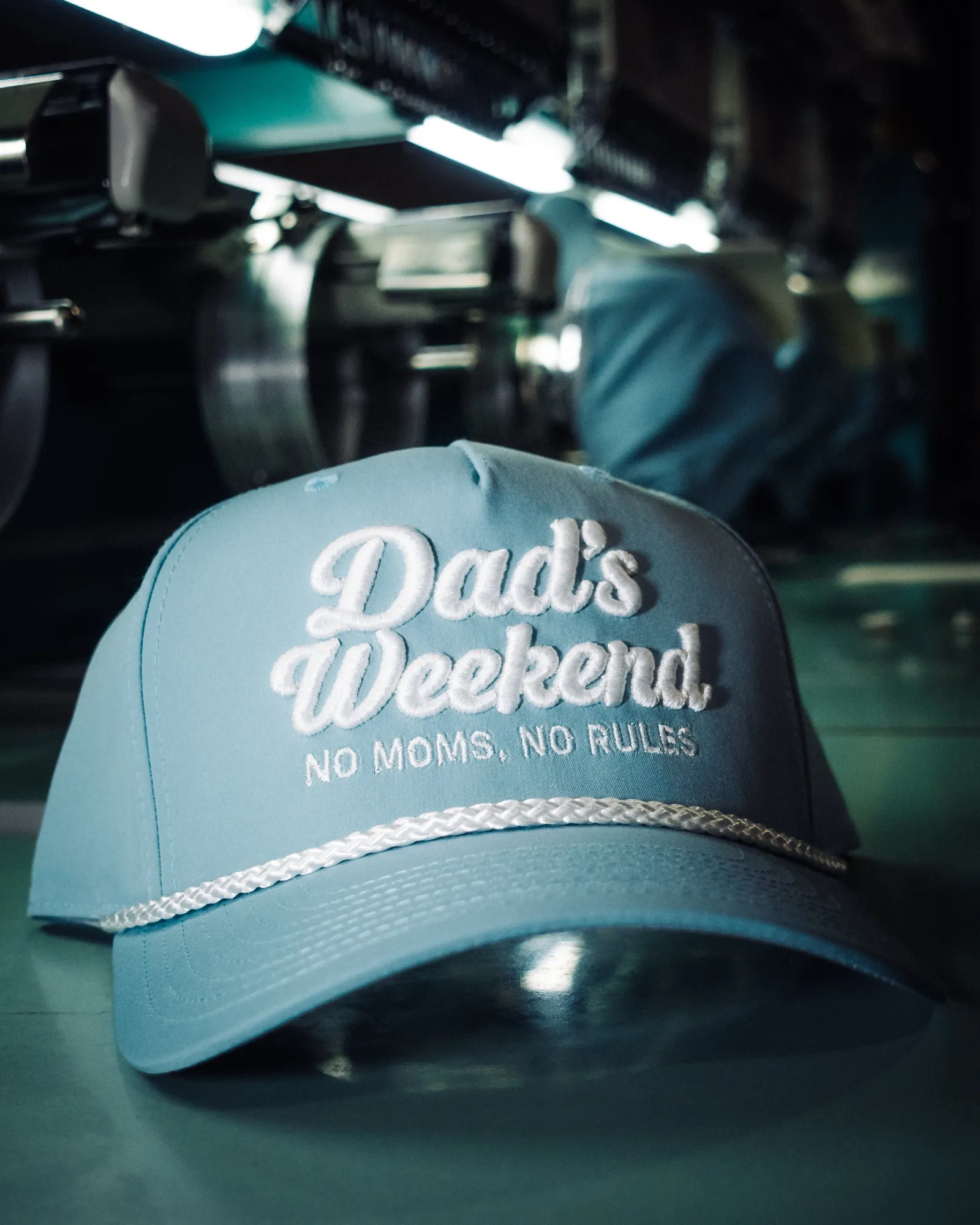
The default and the most visible. Keep it within about 2.25 inches tall and 5 inches wide. That's a real physical ceiling, not a style preference — the cap frame and the crown height decide it. Logos that are wide and short work far better on hats than tall ones, which is why a lot of companies use a horizontal version of their logo for headwear.
Side panel
A smaller hit on the left or right side, usually around 2 inches wide. Understated and sharp — great for a small icon, a monogram, or a date. Common pairing: main logo on the front, small mark on the side.
Back
Above the closure, small — an inch or two wide. Good for a website, a city name, or a year. On trucker hats the back is mesh, which doesn't embroider well, so back hits usually only work on solid-back caps.
The brim
Doable and it looks great, but it needs a different clamp and the design has to be small and simple. Ask about it if you want it — just know it's a specialty placement, not a default.
Digitizing: the step that decides everything
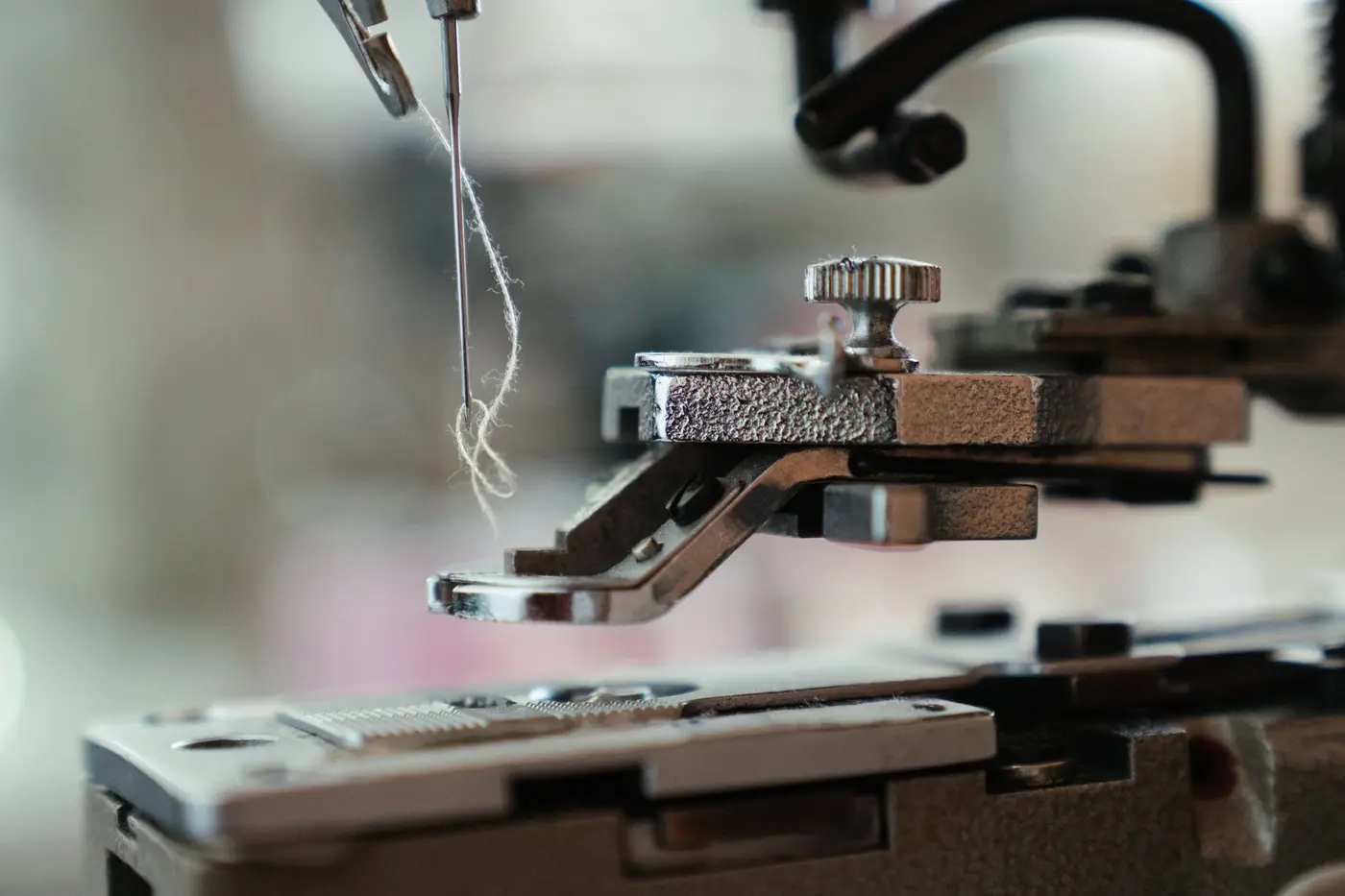
Your logo file can't be stitched directly. It has to be digitized — converted into a stitch file that tells the machine every needle position, direction, and density. This is a skilled manual job, not a button you press, and it is where hat embroidery is won or lost.
Cap digitizing follows different rules than flat digitizing. Stitches run bottom-up and center-out so the fabric doesn't push ahead of the needle and bunch at the top. Pull compensation gets dialed up because the curve stretches the design outward. Underlay is heavier to lock the design onto a structured panel. A file digitized for a t-shirt will stitch out badly on a cap — same logo, wrong instructions.
A few things simply don't survive at hat size. Text under about a quarter inch turns to mush — the thread is physically too thick to form those letters. Gradients become solid blocks, because thread has no half-tones. Very fine linework closes up. If your logo has any of that, it needs a simplified headwear version, and any decent shop will make one for you.
Digitizing is usually a one-time cost per design. After that the file is yours and reorders stitch straight from it — which is why the second hat order is always cheaper than the first.
Patches vs. direct embroidery
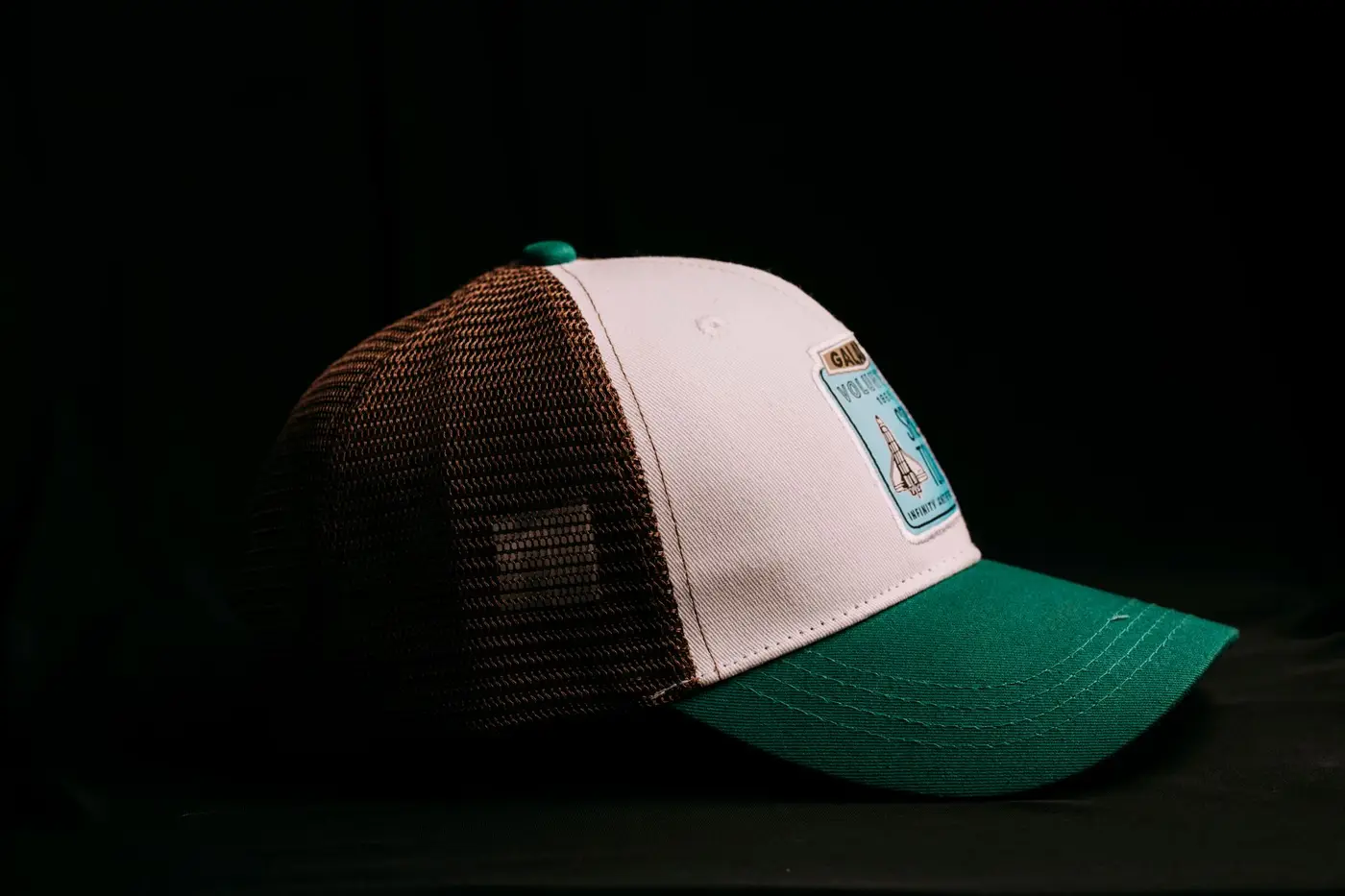
This is the option most guides skip, and it solves a lot of problems. Instead of stitching your logo into the cap, the design goes onto a patch which is then sewn or heat-applied to the front.
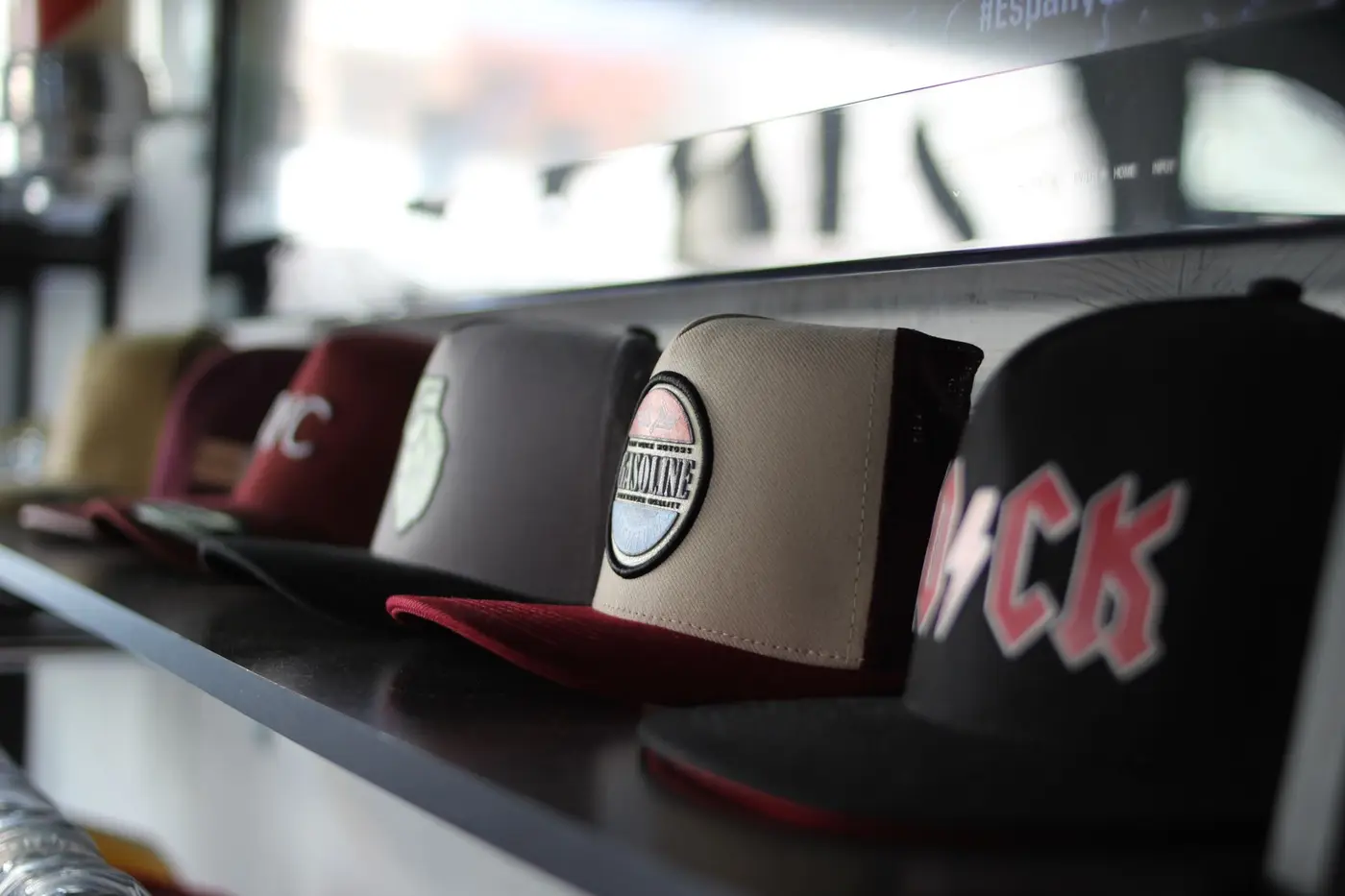
Go with a patch when your logo has fine detail, lots of colors, gradients, or small text that direct embroidery can't hold. Leather and faux-leather patches give that outdoor, heritage look. Woven and printed patches handle nearly unlimited detail. Patches also cover the center seam completely, which frees up your design on a structured six-panel.
Go with direct embroidery when your logo is simple and bold, when you want the cleanest and most classic look, and when you want the design to feel like part of the hat rather than something applied to it. It's also usually the cheaper of the two on straightforward logos.
Both hold up fine. If you're torn, send us the logo and we'll tell you which way it'll look better — we stitch embroidered hat patches and direct designs both, so we've got no reason to steer you.
Doing it yourself vs. having it done
I'll be straight with you here, because it depends entirely on how many hats you need.
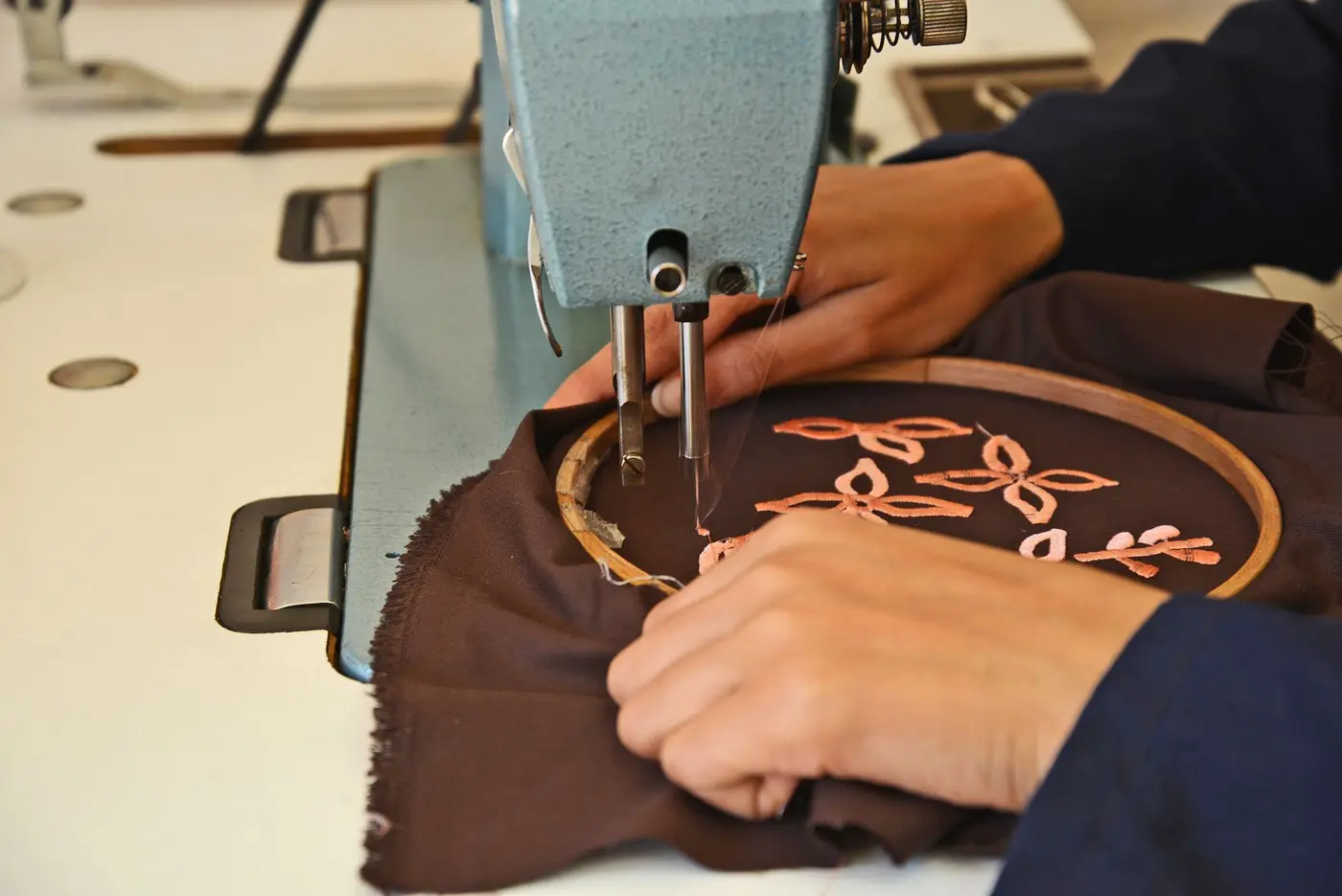
If you want to embroider a few hats at home, it's genuinely doable. You need a machine that accepts a cap attachment or cap frame — a flat hoop won't work, the brim gets in the way. You'll want cut-away stabilizer, a sharp 75/11 needle, and a slower machine speed than you'd use on flat goods. Digitize bottom-up and center-out, or buy a design that already is. Expect to ruin a couple of blanks learning. That's normal.
If you need a dozen or more with your logo on them, the math stops working. Between the cap attachment, the digitizing, the blanks you'll burn learning, and your own hours, you'll spend more than having them done — and the first one out of a commercial machine will look better than your tenth. That's not a sales pitch, it's just where the numbers land.
Ordering custom embroidered hats
Most shops set a minimum on hats because of the setup involved. Ours is low — we know a small business or ministry team doesn't need 144 caps — and we'll tell you honestly if a smaller order makes more sense as something else entirely.
Send us your logo and we'll come back with a free mockup showing exactly how it'll sit on the cap, a straight quote, and a recommendation on hat style. If your logo needs simplifying for headwear, we'll show you the adjusted version before anything gets stitched. Have a look at our embroidered hats or the full embroidery service, and see logo embroidery if you want more on prepping artwork.
We stitch in house in Mesa and ship anywhere. Get in touch whenever you're ready — happy to talk it through either way!
Frequently asked questions
- Can you embroider a hat with a regular embroidery machine?
- Only with a cap attachment or cap frame. A standard flat hoop cannot hold a hat because the brim and crown get in the way of the needle. Some single-needle machines accept a cap hoop as an add-on. Without one, the usual workaround is to embroider a patch flat and then attach it to the hat.
- How big can an embroidered logo be on a hat?
- About 2.25 inches tall by 5 inches wide on the front of a standard cap. That is a physical limit set by the cap frame and crown height, not a style choice. Side designs run around 2 inches wide and back designs an inch or two. Wide, short logos fit hats far better than tall ones.
- What is the best hat for embroidery?
- A trucker or one-piece-front cap. There is no center seam on the front panel, so you get a clean uninterrupted area to stitch and more room for wider designs. Structured six-panel caps also hold detail well, but the center seam limits your layout.
- Can you embroider small text on a hat?
- Not below about a quarter inch. Embroidery thread has real thickness, so letters smaller than that fill in and turn illegible. If your logo has a tagline or fine print, we usually drop it for the hat version or convert the design to a patch, which can hold much finer detail.
- Why does my hat embroidery look crooked or distorted?
- Usually the design was digitized flat rather than for a curve. Cap designs need to stitch bottom-up and center-outward with extra pull compensation, or the fabric shifts and letters lean. Loose hooping and skipping the right stabilizer cause the same symptoms.
- Is a patch or direct embroidery better on a hat?
- Direct embroidery looks more classic and usually costs less on simple, bold logos. A patch is better when your design has fine detail, many colors, gradients, or small text that thread cannot hold. A patch also covers the center seam, which gives you more layout freedom on a six-panel cap.
- Do embroidered hats have a minimum order?
- Most shops set one because of the setup involved, though minimums vary a lot. Ours is low enough for a small team or ministry group. Digitizing is a one-time cost per design, so reorders are cheaper than your first run.
- How long does hat embroidery last?
- Basically the life of the hat. Stitched thread does not crack, peel, or fade the way a print can, which is why embroidery is the standard for headwear. Wash gently and let it air dry, and the design will outlast the cap itself.
Got a project in mind?
Send us your idea and quantities — we'll come back with a free mockup and quote.
Get a free quote