Restaurant uniform ideas for every style — from fine dining to food trucks. Here's how to pick uniforms by role, which fabrics hold up, and how to brand them.
What makes a good restaurant uniform?
A good restaurant uniform is comfortable, durable, and on-brand. It's breathable, stain-hiding fabric that survives a busy shift and dozens of washes, a fit your staff actually like, and your logo where guests will see it. Match the style to your dining room and the pieces to each role, and you're most of the way there.
The uniform is doing two jobs at once. It's workwear — it has to hold up to spills, heat, and a hundred trips across the floor — and it's marketing, because every server is a walking version of your brand. The restaurants that get this right pick pieces that look intentional, hold their color, and make it obvious who works there. The ones that don't end up with mismatched black shirts from three different stores and a logo nobody can read. (If you're past the ideas stage, our custom restaurant uniforms page covers what we make and what it costs.)
It also quietly shapes how guests feel about the place. A sharp, consistent team reads as "this restaurant has it together," and that impression starts before the food ever arrives. It's one of the cheapest upgrades to the guest experience you can make — and unlike a menu change or a remodel, it pays off on day one.
Below are the ideas we walk restaurant owners through most — organized by dining style, then by role, then by the individual pieces — plus the practical stuff: fabric, dress codes, and the easiest way to keep everyone outfitted as you hire.
Restaurant uniform ideas by dining style
The right uniform depends first on your dining room. A steakhouse and a taco shop shouldn't dress their teams the same way. Here's where each style tends to land:
Fine dining
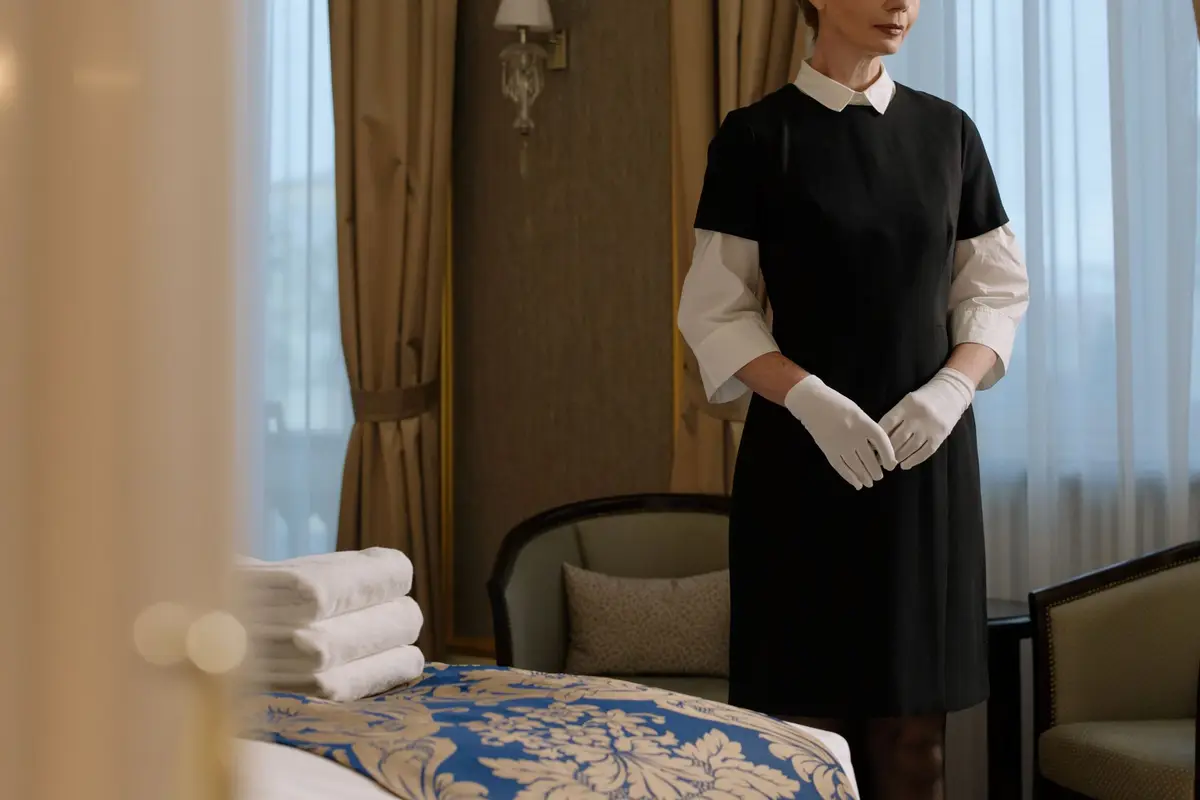
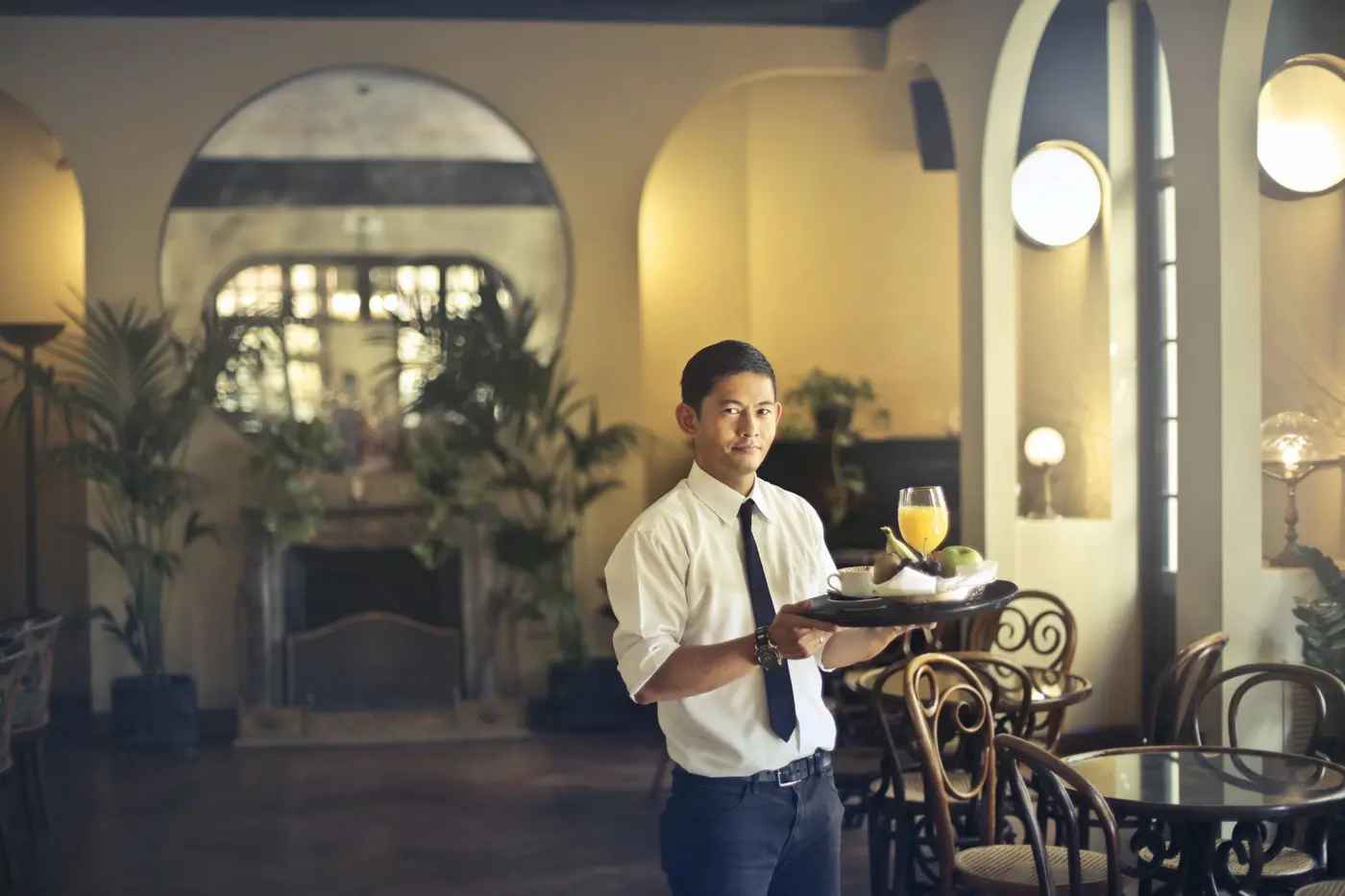
Classic and understated: a crisp white or black dress shirt, a tailored vest or long apron, dark trousers, and clean shoes. Keep branding subtle — a small embroidered logo on the chest or apron says quality without shouting. Black-on-black or black-and-white is timeless here.
Casual dining & gastropubs
A branded polo or a quality tee with a bib or waist apron. Dark denim reads relaxed but put-together. This is the sweet spot for embroidery — a stitched logo on a polo looks sharp and lasts far longer than a print.
Cafés & coffee shops
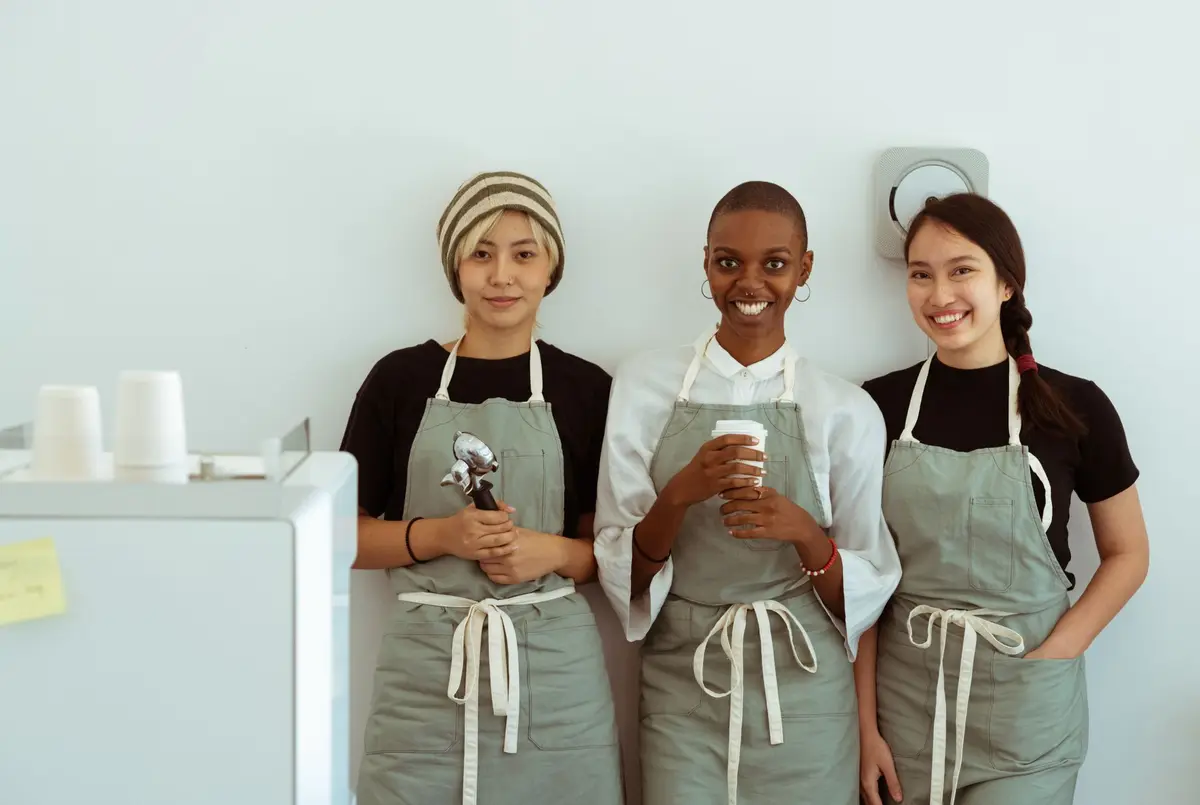
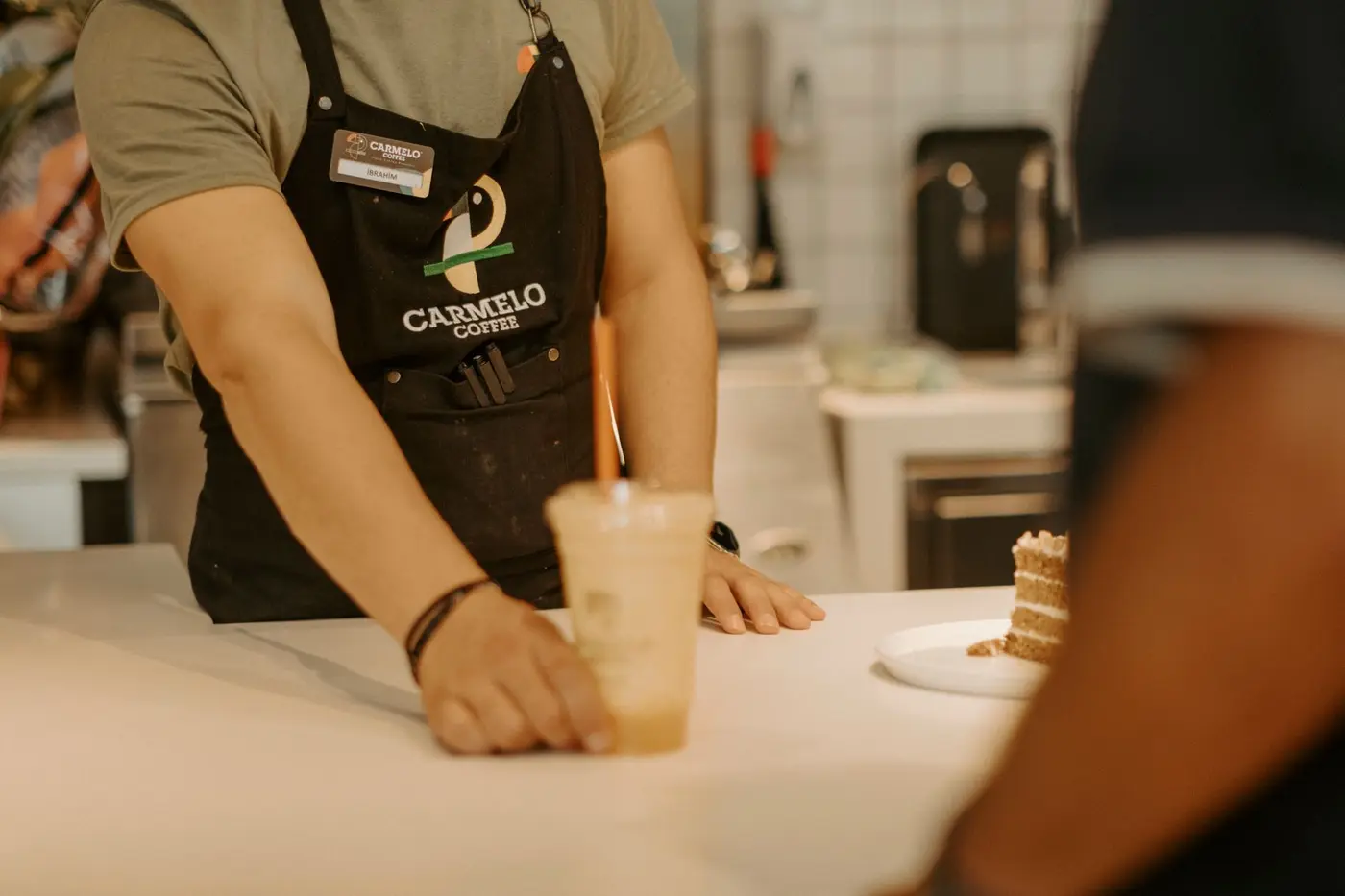
Comfortable tees or short-sleeve button-ups under a durable apron, often in an earthy or on-brand color. Aprons take the most abuse here, so make them the workhorse and let the shirt underneath be simple.
Food trucks & fast casual
Graphic tees are perfect — laid-back, friendly, and a big canvas for your logo or a fun design. Add a matching cap and a short waist apron and the whole crew looks unified from across a parking lot.
Rustic & farm-to-table
Plaid or chambray shirts, brown duck-canvas aprons, and muted earth tones. The look is intentionally down-to-earth, so natural fabrics and a hand-worn feel work in your favor.
Build the uniform by role: front vs. back of house
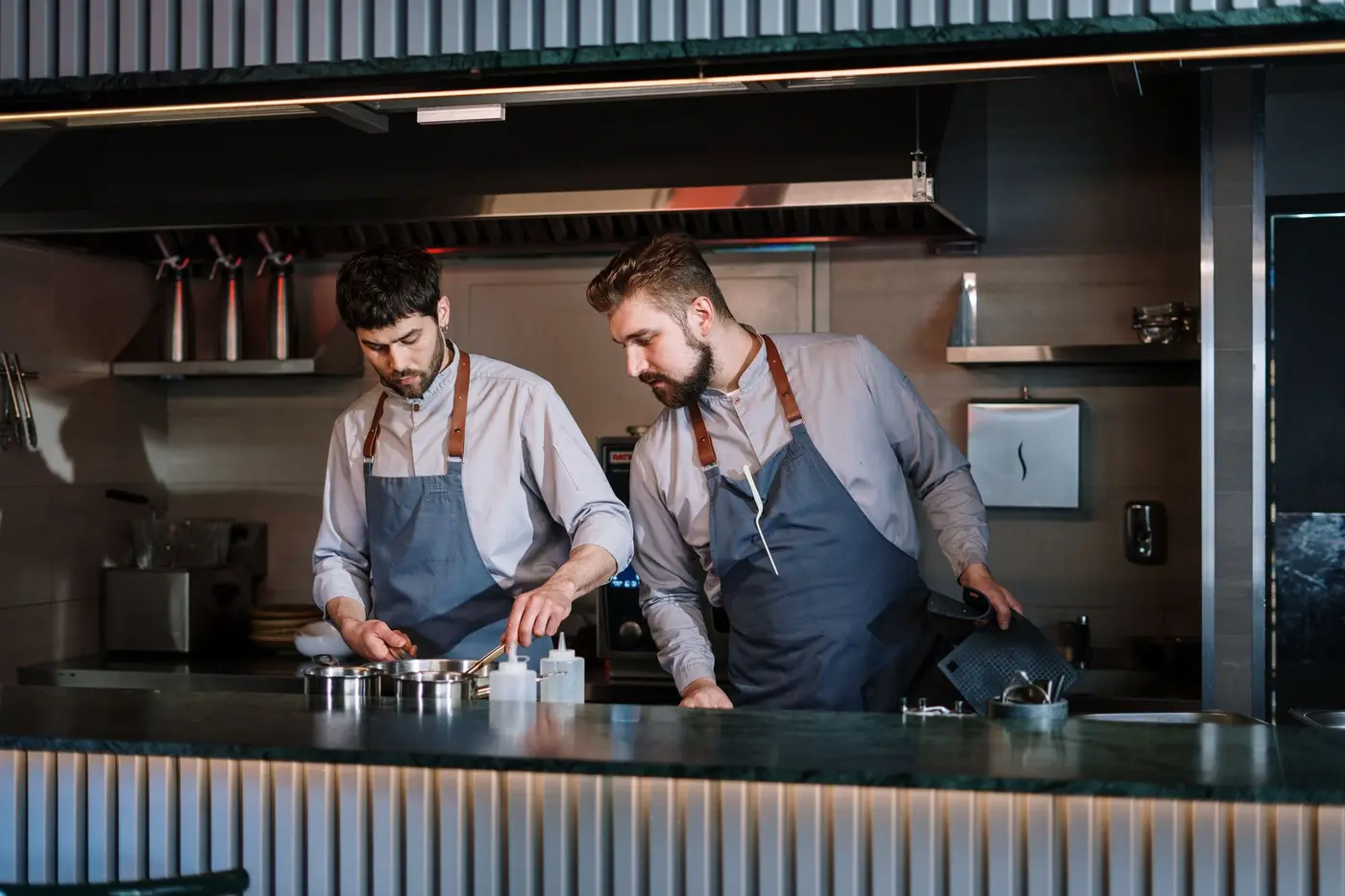
Once you've got the overall look, split it by role. Front-of-house and back-of-house face totally different conditions, and a smart front of house uniform system dresses each for the job.
Front of house
Servers, hosts, and bartenders are the face of the restaurant, so their uniforms lean a little more polished — branded polos or button-ups, a clean apron, and a consistent color story. Comfort still matters (they're on their feet for hours), but presentation leads. Little touches read as intentional here: a waist apron in a brand color, a name embroidered next to the logo, or a consistent shirt across the whole front-of-house so the team looks like a team.
Back of house
Cooks and kitchen staff need function first: durable chef coats or work tees, sturdy bib aprons, and materials that shrug off heat and grease. Slip-resistant footwear and breathable fabric matter more than logo placement back here.
A simple trick that pays off: separate roles or stations by shirt or apron color. It makes the team easy to read at a glance for both staff and guests, and it looks deliberate rather than thrown together.
The building blocks: aprons, shirts, and hats
Most restaurant uniforms come down to a handful of pieces. Get these right and the rest falls into place. (For the apron specifically — cuts, fabrics, and where the logo goes — see our custom aprons page.)
Aprons
The hardest-working piece in the building, and the best canvas for your logo. Bib aprons for kitchen and barista work, waist aprons for servers, and cross-back styles when comfort over a long shift matters. Look for enough pockets for pens, pads, and a wine key, and a fabric that wipes clean. Go with a durable canvas or poly-cotton blend, and embroider the logo so it survives daily washing. Embroidered aprons are one of our most common restaurant orders for exactly this reason — a stitched logo on an apron looks sharp for years, long after a print would have cracked.
Shirts and polos
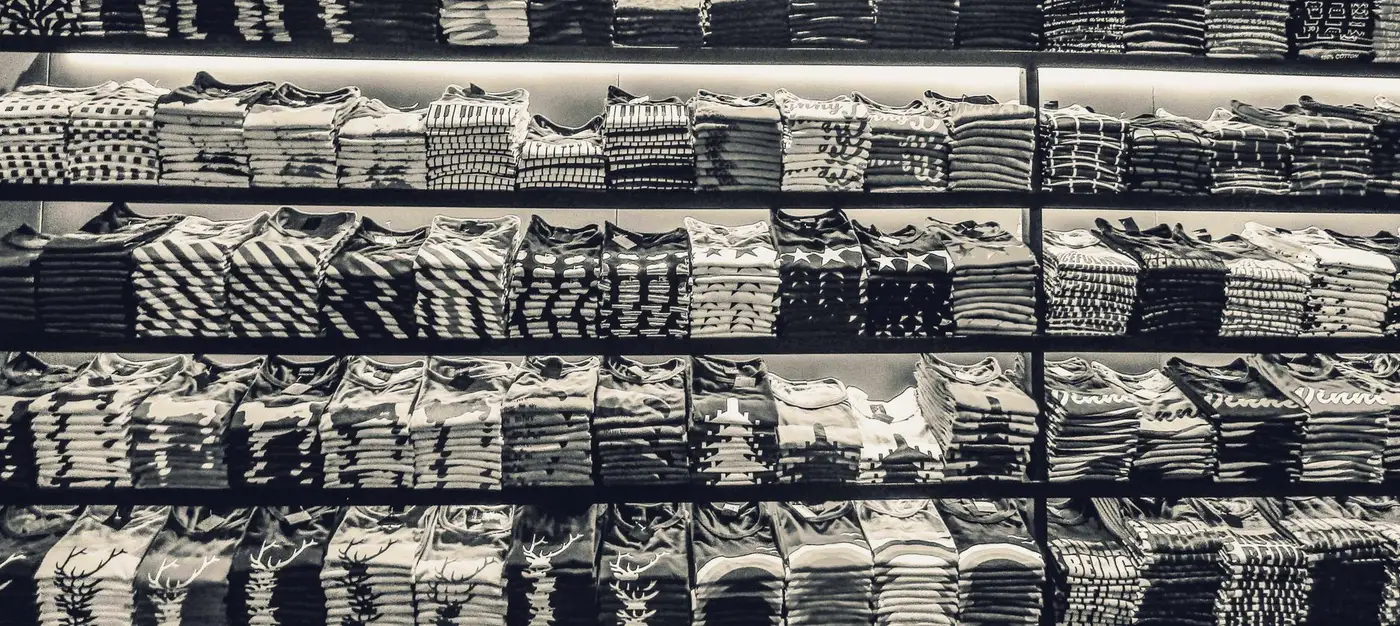
Your everyday base layer. Performance polos breathe and wick sweat for hot kitchens and patios; cotton blends feel softer for a front desk or café. For a big front-and-back graphic — think food trucks — a printed tee is the move.
Hats and caps
Caps and beanies are practical (they keep hair back and sun off) and one-size-fits-most, which quietly solves your sizing headache. An embroidered cap is an easy, cheap way to reinforce the brand.
Outerwear for patios and cold kitchens
Don't forget the layer. Patio servers in the evening and staff running to a walk-in all appreciate a branded quarter-zip or lightweight jacket. It's the most-worn, most-appreciated piece in a lot of programs — and it keeps your brand consistent even when it's cold out.
Embroidered vs. printed restaurant uniforms
Most restaurant gear uses one of two decoration methods, and the right one just depends on the garment. Here's the rule of thumb:
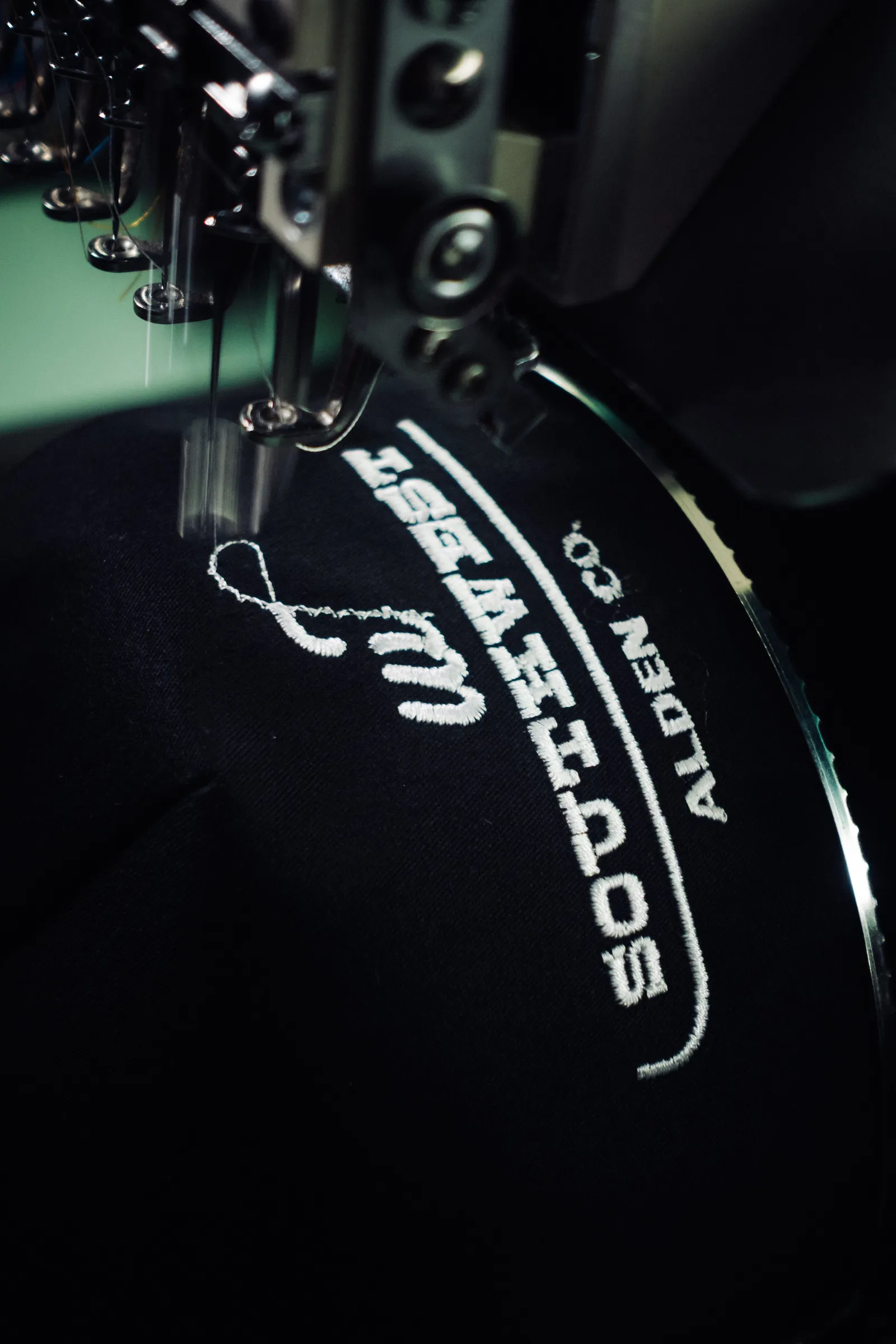
Embroider collars, aprons, and caps; print big graphic tees. Embroidery — a stitched logo — looks premium and survives constant washing, so it's what we reach for on polos, button-ups, and aprons that staff wear every shift. Screen printing or DTF is the better call for graphic tees, food-truck designs, and full-color art where heavy stitching would be too much.
Quick version: a left-chest logo on a server polo? Embroider it. A bold full-front design on a food-truck tee? Print it.
Restaurant uniform mistakes to avoid
We've outfitted enough restaurants to see the same stumbles over and over. None are hard to avoid once you know to look for them.
Over-branding everything
A giant logo on the chest, the back, the sleeve, and the hat is too much — it reads like a billboard, not a uniform. One well-placed mark (a left-chest logo, or a logo on the apron) does more than five. Restraint looks more expensive.
Choosing looks over comfort
A uniform that photographs well but bakes your kitchen staff or won't let a server move isn't going to get worn well. Your team is in these clothes for eight-hour shifts — breathable, well-fitting, and easy to move in beats trendy every time. Comfortable staff take better care of the uniform, too.
Cheaping out on the fabric
The cheapest blank feels like a saving until it pills, fades, and shrinks after a month of hot washes — then you're reordering anyway. A slightly better garment lasts several times longer, so the cost per wear is actually lower. Spend on the blank; it's the thing your team touches all day.
Ordering blind on sizes
Guessing sizes off a list gets you a stack of shirts nobody wears. Let staff pick their own size — an on-demand store handles this automatically — and keep a small buffer of common sizes for the next hire. Include the full size range up front so nobody's left out.
Dress code, fabric, and reordering without the hassle
A few practical calls make or break a uniform program. Fabric first: pick durable, easy-clean, stain-forgiving materials — a cotton-poly blend is the usual winner for comfort and longevity, and darker colors hide the inevitable spills. Performance poly wins for hot kitchens and patios because it breathes and dries fast; softer cotton blends suit a host stand or a slower café. Buy enough that each person has a few, so nobody's stuck in a stained shirt on a double, and keep a small buffer of the common sizes on hand for your next hire.
Write a simple dress code so the look stays consistent: which pieces are required, what shoes, how it should fit, and what's not allowed. Keep it short and put it in your onboarding docs. On who pays — that varies by state and by how you handle it, so check your local labor rules, but many restaurants cover the branded pieces and treat them as part of the setup.
The last piece is reordering. Turnover is real in restaurants, and re-figuring-out the uniform every time someone starts is a time sink. We keep your logo, colors, and approved pieces on file — often in a simple online store or uniform program — so a new server is outfitted their first shift and every reorder matches the last. Multiple locations pull from the same store, so your brand looks identical across all of them. Tell us what your team wears and we'll send a free mockup and quote. We work with restaurants and hospitality all the time — just let us know what you've got in mind!
Frequently asked questions
- Why are uniforms important in restaurants?
- Uniforms make your team instantly recognizable to guests, reinforce your brand on every server, and set a standard that makes the whole operation look more professional. They also solve practical problems — a consistent, durable, stain-hiding outfit means nobody shows up in the wrong thing, and your brand travels out the door on every shirt and cap.
- What are the different types of restaurant uniforms?
- It depends on your dining style and roles. Fine dining leans on dress shirts, vests, and long aprons; casual spots use branded polos or tees with waist or bib aprons; cafés lean on aprons over simple shirts; and food trucks favor graphic tees and caps. Back-of-house adds chef coats and heavy-duty bib aprons built for heat and grease.
- How do I choose restaurant uniforms?
- Start with your dining style, then dress each role for its conditions — polished and comfortable for front of house, durable and functional for back of house. Pick easy-clean, stain-forgiving fabric, keep the color story consistent, and put your logo where guests will see it. Buy a few per person and write a short dress code so the look stays consistent.
- Should restaurant uniforms be embroidered or printed?
- Embroider anything with a collar or an apron that's worn every shift — polos, button-ups, and aprons — because stitching looks premium and survives constant washing. Screen print or DTF graphic tees and full-color food-truck designs. Most restaurants end up using both, matched to each piece.
- Do restaurants have to buy employees' uniforms?
- It depends on your state's labor rules and how the uniform is handled, so check your local requirements. In practice, many restaurants cover the branded pieces (shirts, aprons, caps) and treat them as part of onboarding, since it keeps the look consistent and the logo on brand. We can't give legal advice — just apparel.
- How many uniforms should each employee get?
- Enough that they always have a clean one — usually at least two or three of each core piece, more for high-volume spots or messy stations. With an on-demand store you can reorder as needed instead of overbuying up front, so staff never run short and you're not sitting on inventory.
- What is a waiter's uniform?
- A classic waiter's uniform pairs a clean shirt (a dress shirt for fine dining, a branded polo or tee for casual) with a waist or bib apron, dark trousers, and non-slip shoes. Fine-dining versions often add a vest, tie, or long apron. The goal is a look that's polished, comfortable for long shifts, and clearly on-brand.
- How often should you replace restaurant uniforms?
- It depends on the fabric and how hard the pieces work, but plan to refresh shirts and aprons as they fade, stain, or wear through — often once or twice a year for high-volume spots. Buying a slightly better garment up front stretches that timeline. An on-demand store makes replacing a worn piece a one-click job instead of a whole reorder.
- What is the standard uniform for a restaurant?
- For most restaurants it's a branded shirt or polo for front of house, a chef coat or plain tee for the kitchen, an apron for anyone handling food or tables, and a consistent pant and shoe rule. The style shifts with the concept — a button-up and long apron for fine dining, a printed tee and cap for a food truck — but the pattern is the same: one look per role, all carrying the same logo.
- Where can I get restaurant uniforms with our logo?
- A custom apparel shop that does embroidery and screen printing in house, so aprons, polos, and caps come from the same place and match. Look for low minimums and an online store option so new hires can order their own sizes instead of you running a bulk order every time someone joins.
Need uniforms for your crew?
Tell us how many people need gear and what they wear on the job. We'll send a free logo mockup and a quote, and keep your logo on file so every reorder matches.
Get a free uniform quote