

Corporate gift ideas for clients that actually get kept — how much to spend, where your logo belongs, what to avoid, and the compliance and timing details most guides skip. From a Mesa shop that builds branded client gifts.
A good client gift does a quiet, powerful thing: it reminds someone you value the relationship without asking for anything back. Get it right and it sits on their desk for years, your name a soft reminder every time they reach for it. Get it wrong and it's regifted by January.
Here's how to land in the first camp — how much to spend, where your logo actually belongs, the ideas that get kept, and the compliance and timing details most gift guides skip. We build branded client gifts for businesses out of our Mesa shop, so this is the practical version, not a product list.

What makes a good corporate gift for a client?
A good corporate gift for a client is genuinely useful, feels personal rather than promotional, and matches the value of the relationship. Lead with the client — their name or a handwritten note — and keep your logo a quiet signature, not a billboard. A quality item they'll actually use beats an expensive one that screams "swag" every time.
That's the whole game: thoughtful, not transactional. The gifts that work reflect well on you precisely because they don't feel like marketing. A soft embroidered quarter-zip, a genuinely nice insulated tumbler, a small curated kit — pieces a client is glad to keep. The gifts that flop are the ones with a giant logo slapped on something cheap, because those read as an ad, and nobody keeps an ad.
It helps to picture the gift in your client's actual life a year from now. The winners are the ones still in use — the jacket in their closet rotation, the tumbler on their desk. The losers are in a regift pile or the trash by spring. If you can't picture the person genuinely liking and using the item apart from the fact that you sent it, keep looking. The real test of a client gift is whether it would be a good gift even without your name anywhere on it — and the best ones clear that bar easily.

How much should you spend? Match the gift to the relationship
There's no single right number, but the smart approach is tiers — spend more on the relationships worth more. Most companies put the majority of the budget toward their top accounts and keep the broader list to a simpler, well-made gift. A common rule of thumb: a modest but quality gift for the wide list, and a premium, gift-boxed piece for the clients who move your business.
The trick is that a lower budget doesn't have to look cheap. A single beautifully-made item — one great tumbler, one soft embroidered piece — reads as more considered than a big box of filler. Set two or three budget tiers, match each client to a tier, and you can gift your entire list thoughtfully without blowing the budget or agonizing over each one. Tell us your list and your tiers and we'll build kit options to fit each level.
The common mistake is spreading the budget evenly across everyone, which usually means every client gets something forgettable. Be uneven on purpose instead: put the bulk of the budget toward the handful of relationships that actually drive your business, and give the long tail a smaller but still-genuine gift. A client who brings you six figures a year should feel that in the gift; a once-a-year account doesn't need the same. Tiering isn't playing favorites — it's matching the gesture to the relationship so the ones that matter most actually feel valued instead of getting the same mug as everyone else.
Branded or not? Where your logo belongs on a client gift
This is the nuance almost every guide misses, and it's the difference between a gift and an ad. The instinct is to plaster your logo on everything — resist it. On a client gift, your branding should be a quiet signature, not the main event.
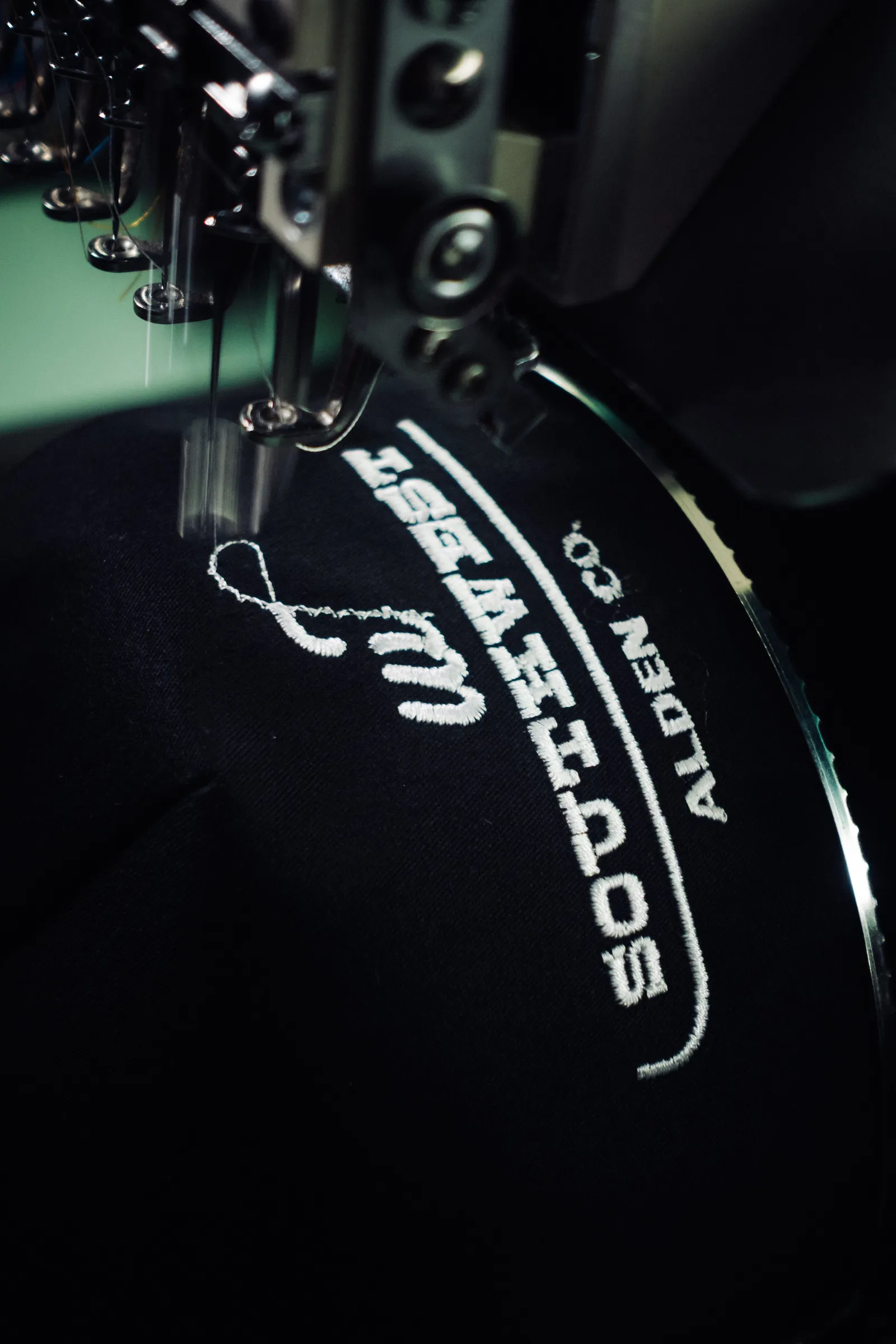
The best approach is co-branding done with restraint: lead with the recipient — their name or initials embroidered or engraved on the front — and place your logo small and tasteful, on a sleeve, a back hem, or the underside. It says "we made this for you," not "here's our billboard." Because we decorate in house — embroidery, print, and engraving — we can put the client's name where it belongs and keep your mark subtle, and we'll mock it up so you see the placement before anything's made. When in doubt, err toward less logo: a client keeps a nice unbranded jacket forever; a heavily-logoed one goes to the gym bag graveyard.
Here's a simple gut-check: would the client display this gift, or hide the logo? If the branding is subtle enough that they'd happily wear the jacket to a weekend event or leave the tumbler on their desk in a meeting, you've hit the right balance. If they'd only use it at home where nobody sees the logo, it's tipped into swag. When you're gifting a client — versus outfitting your own team — that balance leans much further toward *their* name and away from yours. Your logo's job on a client gift is to be a quiet signature on the back of a thank-you note, not the headline.
Client gift ideas that don't get regifted
The gifts that get kept are the ones people actually use. A few categories that reliably land:
Premium apparel
An embroidered quarter-zip, vest, or soft jacket is the gift a client reaches for on a cool morning for years. It's the standout for a top-tier client — genuinely nice, subtly branded, and worn in public. Spend a tier up on the blank; the difference between a cheap fleece and a great one is obvious the second someone puts it on.
Quality drinkware
A really good insulated tumbler or bottle lands on a desk and stays in daily rotation. It's the easy, always-welcome gift for a broad list — useful, unisex, and hard to get wrong. Engrave the client's initials to lift it out of swag territory.
Curated gift kits
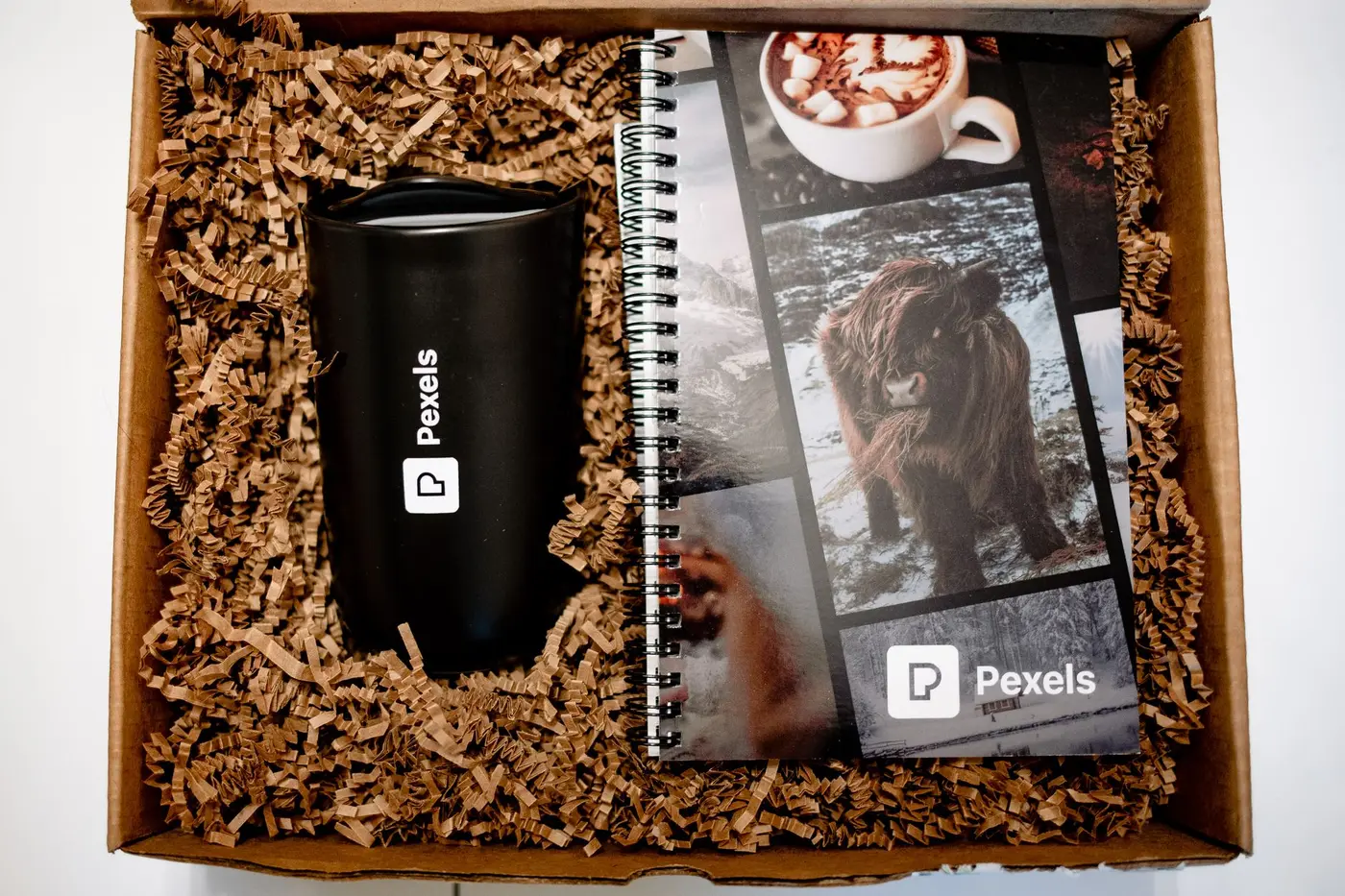
Bundle two or three complementary pieces — a soft pullover and a tumbler, say — into a boxed kit that feels intentional. A well-made kit reads as an event, not a handout, and it's the natural pick for a big thank-you or a signed deal. Presentation matters as much as the contents here: a kit that arrives boxed, ribboned, and with a handwritten note lands completely differently than the same items dropped in a poly mailer — and it's the detail that makes a client feel like more than a line on your gift list.
Food, treats & comfort
Gourmet snacks, coffee, or a cozy blanket are universally appealing and safe for a client you don't know well — just mind dietary restrictions and skip alcohol unless you know they'd welcome it. Consumables are low-risk; a blanket or throw is the comfort gift that quietly overperforms.
The VIP tier
For your handful of most important relationships, go beyond the standard kit — a premium embroidered jacket, a high-end bag, a curated box of genuinely nice things, or a gift that's clearly personal to them. The point of the VIP tier isn't just spending more; it's showing you thought about *this person* specifically. A gift that nods to a shared win, their alma mater's colors, or a known interest — done tastefully, your logo whisper-quiet — is the one that gets remembered, and often mentioned back to you months later. These are the relationships worth over-investing in, because the gift is really a small marker of how much the partnership means.

Ship it straight to your client — and let them choose
Two headaches kill client-gifting programs: guessing sizes and collecting addresses. Both are solved the same way — a recipient's-choice gift link. Instead of guessing whether your client wears a medium or lives at the address you have on file, you send a link. They pick their own size, style, and color, enter their own address, and we ship the gift straight to their door, gift-boxed and ready.
It removes the guesswork, dodges the sizing and dietary misses, and means you never touch a mailing label or warehouse a box of guesses. For a business that gifts clients regularly, we set the whole thing up as a standing gift store with your approved options, so client thank-yous and holiday gifts go out in a click all year — the same on-demand engine behind our online company stores.
Worth flagging what this quietly fixes: address collection. Asking a client for their home address to send a gift is awkward, and defaulting to the office address means it might sit at a front desk or get lost between locations. A gift link sidesteps all of it — the client enters their own preferred address, so the gift arrives exactly where they are. For a firm gifting dozens or hundreds of clients, that alone turns what used to be a week of chasing spreadsheets into a single link you send out and forget.
Gift limits, compliance, and taxes — the part nobody mentions
Client gifting comes with a few rules worth knowing before you pick a tier. This isn't tax advice — check with your accountant — but two things trip people up.
First, the tax side: in the U.S., the IRS generally lets a business deduct only up to $25 per recipient per year for gifts, though incidental costs like engraving, packaging, and shipping usually don't count toward that cap, and branded items that clearly advertise your business can be treated differently. It rarely changes what you *should* give a key client, but it's good to know going in. Second, your client's own policy: many regulated fields — finance, healthcare, government, insurance — cap the value of gifts an employee can accept, sometimes at a low number. A quick check on their gift policy before you send a premium item saves an awkward return. When in doubt, a genuinely thoughtful gift within a modest budget is never wrong.
One practical habit worth keeping: track what you sent each client and when. It sounds fussy, but it prevents the two classic misfires — sending the same person the same tumbler two years running, and forgetting a key account entirely. A standing gift store keeps that order history for you, so next year's gift is an easy, informed choice instead of a guess, and you can vary the gift while keeping the quality consistent.

When to send client gifts (and why to order early)
Timing matters more than people expect. For holiday gifts, order early — think 8 to 10 weeks out, by early November — because custom and embroidered items need production time and everyone else is hitting the same suppliers at once. Leaving it to December means picking from what's left and paying for rush shipping, or missing the window entirely. For your own team, the same timing applies — see Christmas gifts for employees.
And don't feel boxed into December at all. An off-peak gift — a New Year's thank-you, a gift marking a project win or a contract renewal, a "thinking of you" in a quiet month — often lands harder precisely because it's not competing with a pile of holiday gifts on the client's desk. The best-timed client gift is the one that arrives when they least expect it and most feel appreciated.
If you gift clients year-round rather than just at the holidays, plan the calendar the way you'd plan a marketing one — a welcome gift when a client signs, something at the contract anniversary, a small surprise mid-year. Spreading gifts across the year costs about the same as one big holiday push but keeps your name in front of the relationship far more often, and it dodges the December pile-up entirely. A standing gift store makes it trivial: the options are set and approved, so any gift goes out in a click whenever the moment calls for it, without a fresh scramble each time.
Client gifts, handled — with Heart & Hook
We help businesses across Arizona and beyond send corporate gifts clients actually keep — curated kits, premium embroidered apparel, and quality drinkware, branded with restraint in our own Mesa shop and shipped straight to each recipient. Tiered to your budget, your logo kept tasteful, and set up as a standing gift store if you gift year-round.
Tell us who you're gifting and roughly what you'd like to spend, and we'll build a few kit options, send a free mockup, and get them ready to ship. Just tell us what you've got in mind!
Frequently asked questions
- How much should you spend on a corporate gift for a client?
- Spend in tiers matched to the relationship — a modest, quality gift for your broad list and a premium, gift-boxed piece for top clients. There's no single number; a well-made single item reads as more thoughtful than a big box of cheap filler, so quality matters more than the price tag.
- Are corporate gifts to clients tax deductible?
- Generally yes, but in the U.S. the IRS typically caps the business-gift deduction at $25 per recipient per year, though incidental costs like engraving, packaging, and shipping usually don't count toward it. Rules have nuances and change, so confirm the specifics with your accountant.
- Should you put your logo on a client gift?
- Keep it subtle. Lead with the client — their name or initials — and make your logo a small, tasteful signature on a sleeve or hem rather than a big front-and-center print. A quiet logo reads as thoughtful; a loud one reads as an ad and gets regifted.
- What are the best corporate gifts for clients?
- Useful, premium pieces they'll keep: embroidered quarter-zips or jackets, quality insulated drinkware, curated gift kits, and gourmet food or comfort items. Personalize with the recipient's name and match the gift's tier to the relationship's value.
- When should you send corporate client gifts?
- For the holidays, order 8 to 10 weeks ahead — by early November — so custom and embroidered items clear production and shipping before the rush. Off-peak gifts, like a New Year or milestone thank-you, often stand out more because they're not competing with a pile of December gifts.
- What corporate gifts should you avoid giving clients?
- Overly branded swag, anything cheap-feeling, alcohol or culturally specific items when you don't know the person's preferences, and gifts that ignore dietary restrictions. When in doubt, choose a genuinely useful, universally appealing item and keep your logo understated.
- Can you ship client gifts directly to each recipient?
- Yes. We can ship each gift straight to the client's door anywhere in the country, or send a gift link that lets them pick their own size and item and enter their own address — which also solves the sizing and address-collection headaches for you.
- Are there rules or limits on giving gifts to clients?
- Often, yes. Many regulated industries — finance, healthcare, government, insurance — cap the value of gifts an employee can accept, sometimes at a low amount. It's worth a quick check of your client's gift policy before sending a premium item so it isn't returned.
- How do you personalize a corporate gift for a client?
- Add the recipient's name or initials via embroidery or engraving, keep your own logo small and tasteful, and include a short handwritten note referencing a specific win or the relationship. Personalization to the recipient — not to your brand — is what makes a gift feel considered.
- Should every client get the same gift?
- No — tier your gifts by relationship value so top accounts get a premium piece while the broader list gets a well-made but simpler one. Keep the quality consistent across tiers so no one feels shortchanged, and personalize within each tier so it still feels individual.
Got a project in mind?
Send us your idea and quantities — we'll come back with a free mockup and quote.
Get a free quote