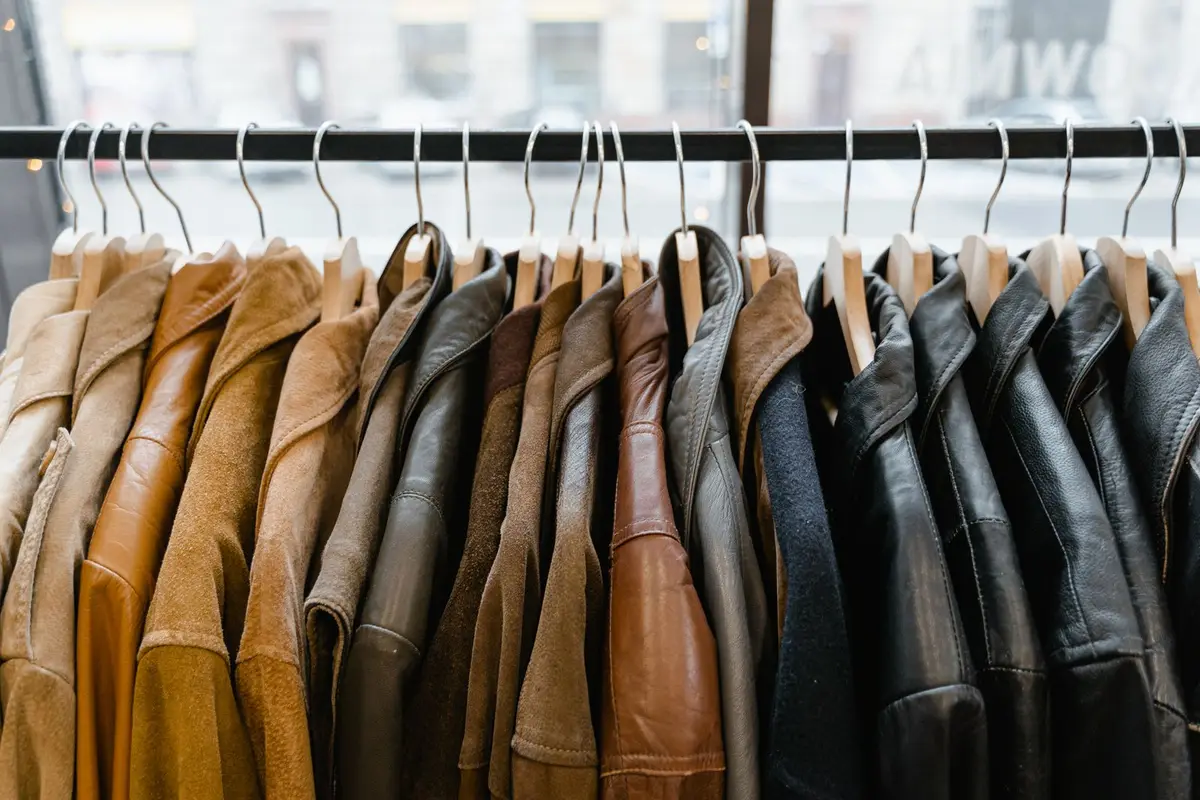
Luxury corporate gifts are premium, genuinely useful pieces with quiet branding — a good jacket with a tonal embroidered logo, not an expensive thing with your name shouted across it. Here's what's worth the money, what to spend by recipient, and how to brand a gift so it still feels like a gift.
Here's the short version: the best luxury corporate gifts are things people would happily buy for themselves, made well, and branded so lightly they don't feel like marketing. Price helps, but it isn't what makes a gift feel high end. Restraint does.
Picture two gifts. One company spends $150 a head on a gift that ends up in a closet because the logo is the size of a dinner plate. Another spends $90 on a soft quarter-zip with a small tonal logo on the chest, and the client wears it to their kid's soccer game for the next three years. Guess which one people remember.
Below is what makes a gift read as luxury, what to spend for each kind of recipient, the gift ideas that actually earn the money, and the part most guides skip: how to put your logo on a nice thing without ruining it. We embroider and gift-box these in our shop in Mesa, so this leans practical.
What makes a corporate gift luxury?
A luxury corporate gift is a premium item the recipient would choose for themselves: noticeable quality the moment they touch it, real everyday use, and subtle branding (a small tonal logo, an engraving, or a debossed mark) instead of a big promotional print. The quality and the restraint do the talking.
That definition matters because "luxury" gets slapped on a lot of things that are really just expensive promo products. Here are the four things I'd check before calling a gift high end:
1. It feels expensive in the first five seconds. Weight, texture, a zipper that doesn't snag, a box that opens smoothly. People judge a gift the moment it's in their hands, long before they think about what it cost.
2. They'll use it constantly. A great tumbler gets used every morning. A crystal paperweight gets used never. Daily use is what turns a one-time gesture into a reminder of you that shows up all year.
3. The branding is quiet. Heavy logo treatment is the fastest way to turn a gift into an ad. Small, tonal, or tucked away (a sleeve, the back of the neck, the inside of a lid) keeps it feeling personal.
4. The name means something, or the craftsmanship does. A recognizable brand like The North Face, YETI, or Peter Millar carries built-in value. So does something obviously well made with no famous label at all, like a full-grain leather folio or a heavyweight waxed canvas bag. You need one or the other.
Luxury vs. promotional gifts
A promotional product is built to spread your name: lots of units, low cost, logo front and center. Pens, stress balls, and event tees are promo, and that's fine for a trade show booth. A luxury gift flips the priorities. It's built to make one person feel appreciated, so the item comes first and the logo comes second (or third). If you'd be a little embarrassed to hand it to someone without your company name on it, it's promo.
Both have a place. Just don't mix them up. Sending a VIP client a promo item with a fancy box doesn't make it luxury, and handing out $150 jackets at a booth is a fast way to burn a budget. Our trade show giveaways guide covers the promo side.
Luxury doesn't have to mean expensive
Some of the best gifts we've put together cost well under $100. A soft, well-cut quarter-zip with a tonal logo feels more luxurious than a $200 gadget nobody asked for. The trick is choosing the best version of a smaller thing: the nicest hat instead of a mediocre jacket, the real YETI instead of a no-name bottle, a single great piece instead of five forgettable ones. Quality per item matters far more than the total.
How much to spend on luxury corporate gifts
There's no magic number, but these three bands match how most companies actually gift. The point is to tie spend to the relationship, so your biggest gifts go to the people who matter most to the business.
$75–$150: premium everyday pieces
This is the sweet spot for most clients and for recognizing standout employees. Think an embroidered performance quarter-zip, a YETI tumbler with a laser-engraved logo, a leather-patch hat, or a nice canvas tote. A single great item lives here. So does a small two-piece set.
$150–$300: the statement gift
For key accounts, senior leaders, and big milestones. This is where a North Face or Peter Millar jacket comes in, or a curated box with a hero item and two supporting pieces, gift-boxed with a handwritten note. Most of our premium gift kits land in this range.
$300 and up: the top handful
Reserve this for your very top relationships: the client who's been with you ten years, a board, a founding team. At this level you're usually looking at premium outerwear plus a leather bag or a cooler, or a fully custom kit. Honestly? Most companies don't need this tier, and that's fine.
A quick note on taxes
Your accountant should weigh in here, not me, but it's worth knowing going in: the IRS caps the deduction for business gifts at $25 per recipient per year, which hasn't changed in decades. Shipping, packaging, and engraving generally don't count toward that $25, and gifts to employees follow different rules than gifts to clients. The details are in IRS Publication 463. The takeaway: luxury client gifts are a relationship investment, not a tax play.
12 luxury corporate gift ideas worth the money
These are the gifts I'd actually recommend, roughly in order of how often they land. Apparel is heavy on this list on purpose: a great jacket gets worn in public for years, which is more mileage than almost anything else you can give.
1. A premium jacket
The king of luxury corporate gifts. A North Face fleece or softshell, a Peter Millar quarter-zip jacket, or a Carhartt Detroit for a field crew. Small embroidered logo on the left chest or right sleeve. One heads up: not every premium brand will take a corporate logo (Patagonia stopped for new customers in 2021), so check our rundown of high end corporate apparel before you fall in love with one.
2. A performance quarter-zip
The office-friendly middle ground. Soft, works over a button-down or a tee, and gets worn year round. A tonal embroidered quarter-zip is one of the most-worn gifts we make.
3. A leather-patch or premium embroidered hat
A good structured cap with a leather patch looks like something from a boutique, not a trade show. It's also one of the most budget-friendly ways to give something that feels premium. We walk through how they're made in our leather patch hat guide.
4. Premium drinkware
YETI, Stanley, and Hydro Flask all do corporate orders with laser engraving, and the engraving looks great on powder-coated steel. It's the classic daily-use gift for a reason. Pair a tumbler with something soft and you've got a solid kit.
5. A leather folio or journal
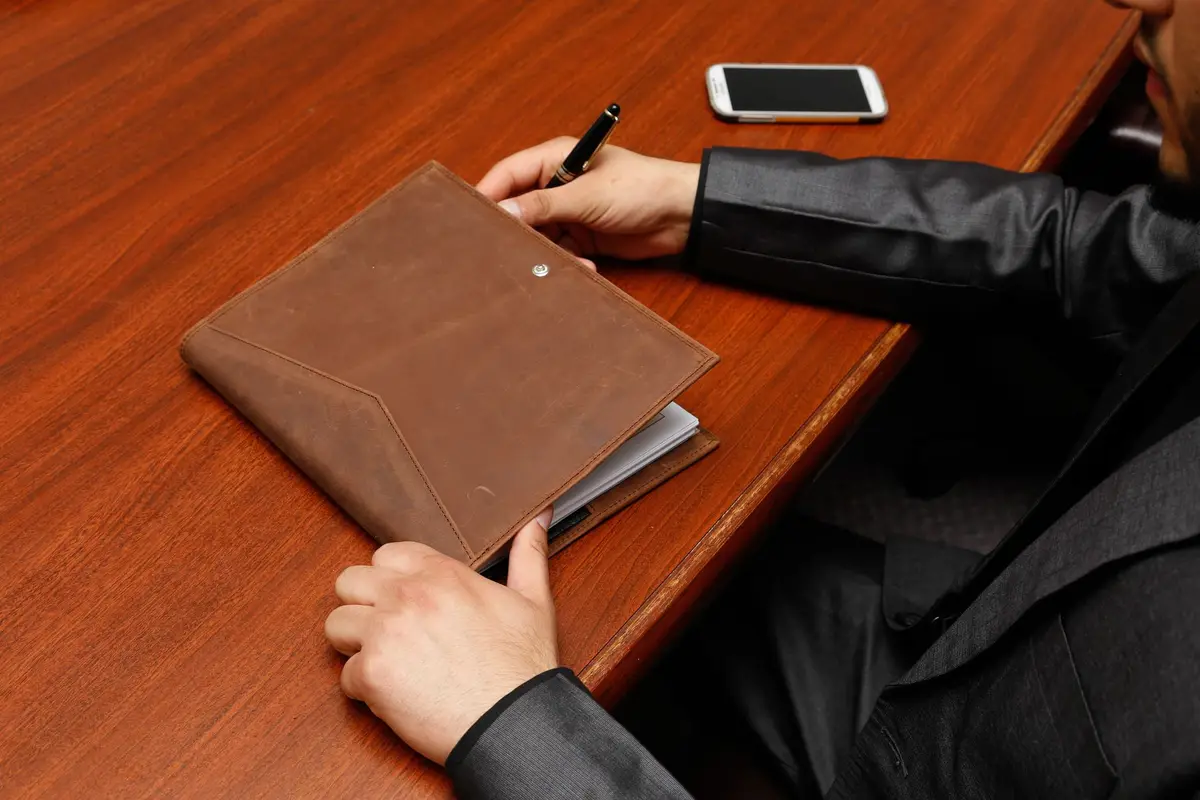
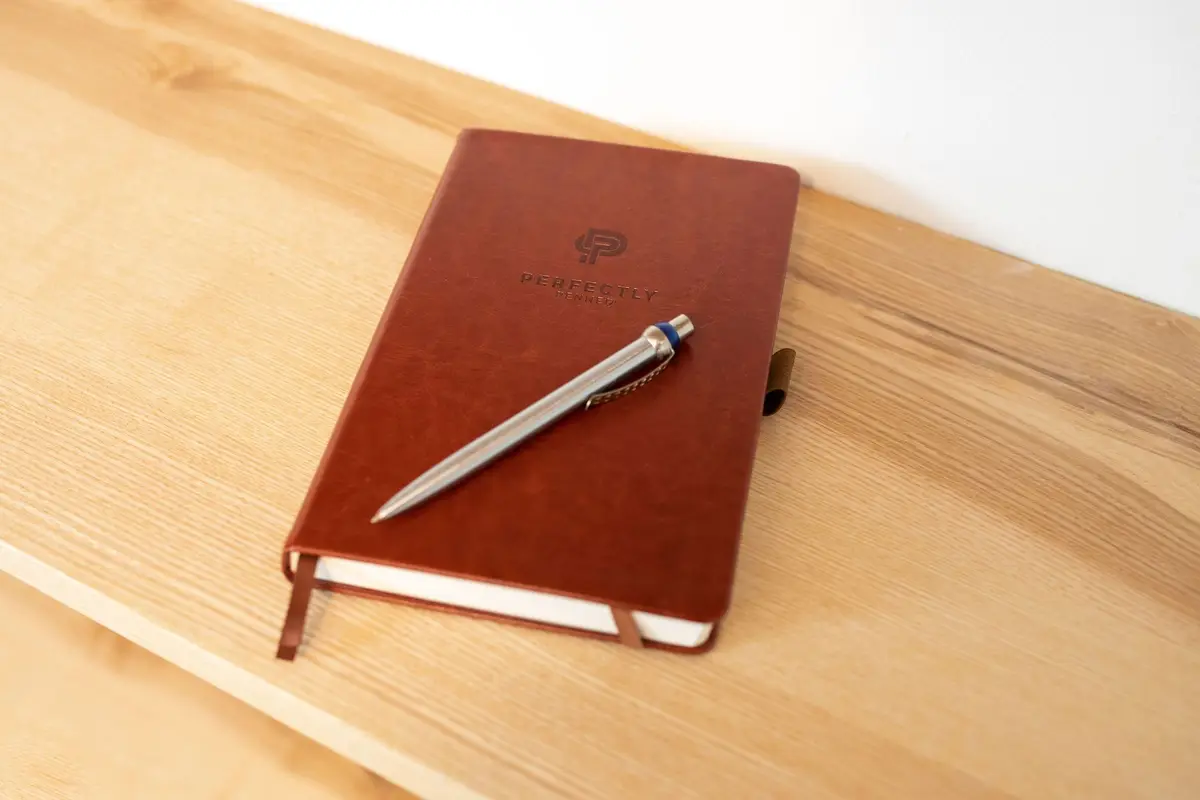
A full-grain leather folio with a debossed logo is old-school in the best way. Great for executives, lawyers, and anyone who still takes notes in meetings.
6. A real bag
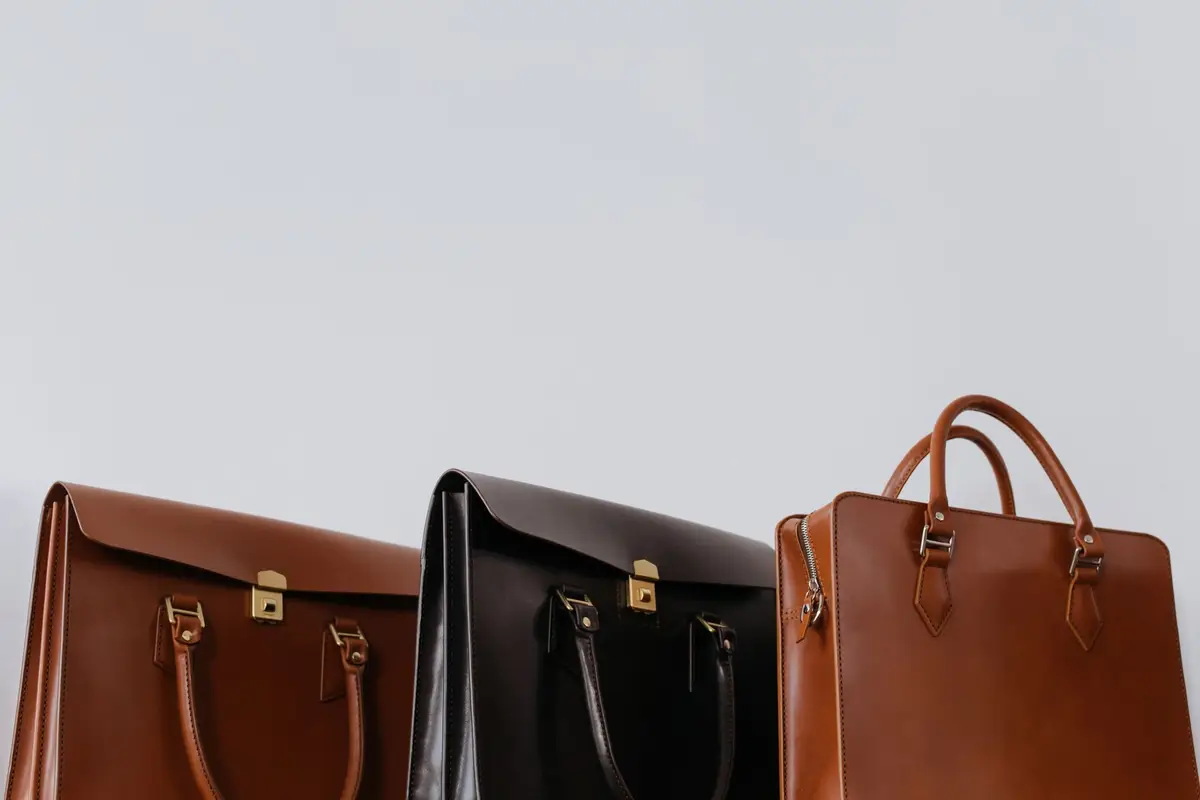
A leather duffel, a premium laptop backpack, or a heavyweight waxed canvas tote. Bags are one of the few gifts people carry everywhere, which makes them excellent for quiet branding. Here's more on canvas weights in our custom tote bag guide.
7. A cooler
A branded hard or soft cooler is a big hit with construction, real estate, and anyone who spends weekends at the lake. It's bulky to ship, so budget for that.
8. A premium polo
For golf outings and client-facing teams, a Peter Millar or TravisMathew polo with a small chest logo is a classic. Just get the size right (more on that below).
9. A cozy throw blanket
A heavyweight sherpa or knit throw with a small embroidered corner logo is a surprisingly loved gift, especially at the holidays. It lives on the couch, which means it gets seen.
10. Quality tech
Good headphones, a wireless charging stand, or a slim power bank. Stick to names people trust, keep any branding small, and skip the off-brand gadgets that die in six months.
11. Gourmet food or drink
Done right, a beautiful box of good chocolate or local coffee feels warm and personal. Just be careful with alcohol (plenty of people don't drink, and some companies don't allow it), and with anything perishable shipping into a hot Arizona mailbox.
12. A curated gift box
Two or three coordinated pieces, beautifully packed, often beats one bigger item at the same price because the unboxing does some of the work. A jacket, a tumbler, and a handwritten card is a combo that rarely misses. Our swag box guide covers how to build one.

Luxury gifts for executives, VIP clients, and employees
Same budget, very different gifts depending on who's opening the box. Here's how I'd think about each group.
For executives and CEOs
Executives are the hardest to gift because they can buy anything. So aim for quality and thoughtfulness over price. A great jacket in the right size, a leather folio, or something tied to a real interest (golf, coffee, fishing) beats a generic expensive item. Keep branding minimal or move it somewhere subtle, like the back of the neck. And skip anything that feels like it came from a catalog.
For VIP clients
With luxury branded gifts for executive clients, the goal is for them to think of you kindly every time they use it. That means something useful with your brand present but quiet. A premium quarter-zip with a small tonal logo works. A tumbler with an engraved mark works. A gift with your logo, phone number, and website on it does not. That's a flyer.
Also, check their gift policy. Plenty of companies cap what employees can accept, and anyone working for the federal government is generally limited to gifts of $20 per occasion and $50 a year from a single source. Sending a $250 jacket to someone who has to send it back is awkward for everyone.
For employees
For a team, luxury usually means one great piece instead of a bag of okay stuff. A real jacket for a work anniversary, or a premium quarter-zip as the year-end gift. And let people pick their own size and color when you can. If you're marking milestones, our employee anniversary gifts guide has ideas by year.
For a whole client team
Sometimes the relationship is with an office, not one person. In that case, one shared gift often beats a dozen small individual ones: a premium cooler for the break room, a nice coffee setup, or a box of matching tumblers for everyone on the account. It's easier on gift policies too, since many companies allow gifts that are shared by the whole team.
How to brand a luxury gift (without making it look like swag)
This is the part almost every luxury gift guide glosses over, and it's the part we live in every day. My honest take: the bigger the logo, the cheaper the gift looks. Here's how we handle it.
Embroidery beats print on premium apparel
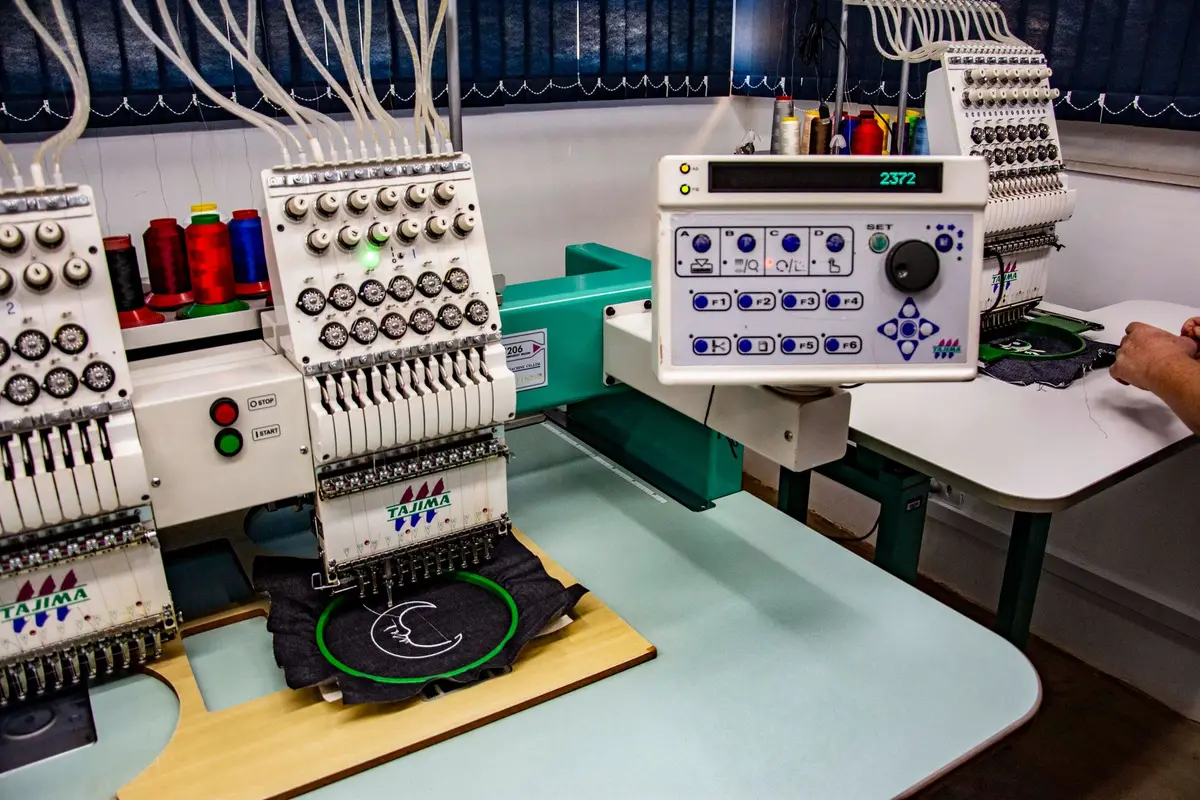
Stitching has texture and depth, which is why nice brands use it. A small embroidered logo on a jacket or quarter-zip reads as a design detail. A big screen print on the same jacket reads as merch. Save print for event tees and volume giveaways.
Go tonal
Tonal decoration means thread one or two shades off the garment color: charcoal on black, navy on navy, cream on oatmeal. Up close the logo is there. From across the room it just looks like a really nice jacket. It's the single best trick for making branded apparel feel high end.
Shrink it and move it
A left-chest logo on luxury pieces usually wants to be smaller than you'd think, around 2.5 to 3 inches wide. Even better, try a less obvious spot: the right sleeve, the back of the neck, or the left cuff. They're the quiet spots premium brands use themselves.
Use the right method for the material
Embroidery for apparel and soft goods. Laser engraving for steel drinkware. Debossing for leather. A leather patch for hats and bags. Each of these looks like it belongs to the product rather than stuck on afterward, which is the whole point.
Brand the packaging, not just the item
Here's a move I love: keep the gift itself nearly unbranded and put your logo on the box, the tissue, or the card. The recipient still knows exactly who it's from, and they get a gift they'd happily wear anywhere.
Packaging and presentation
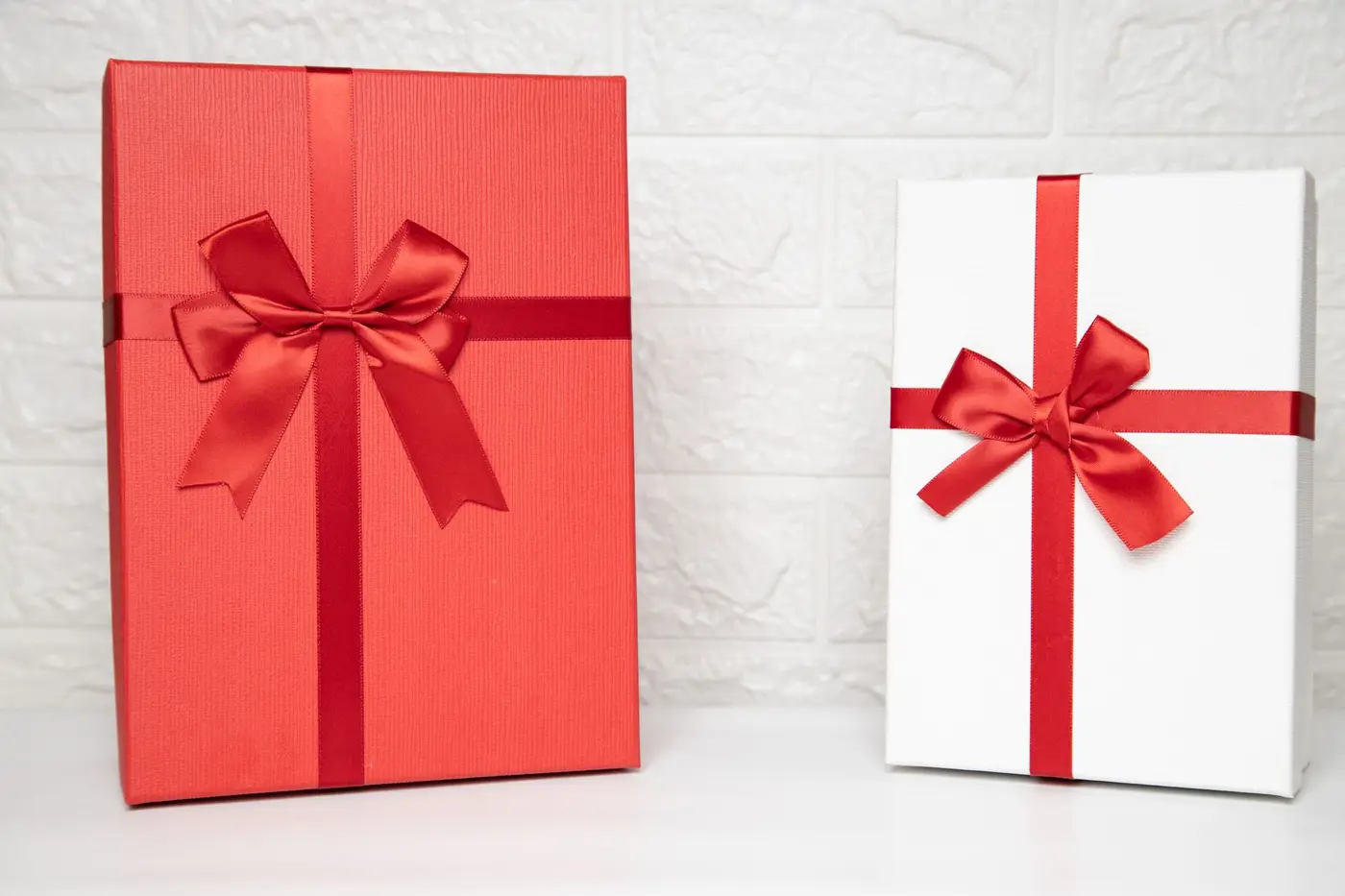
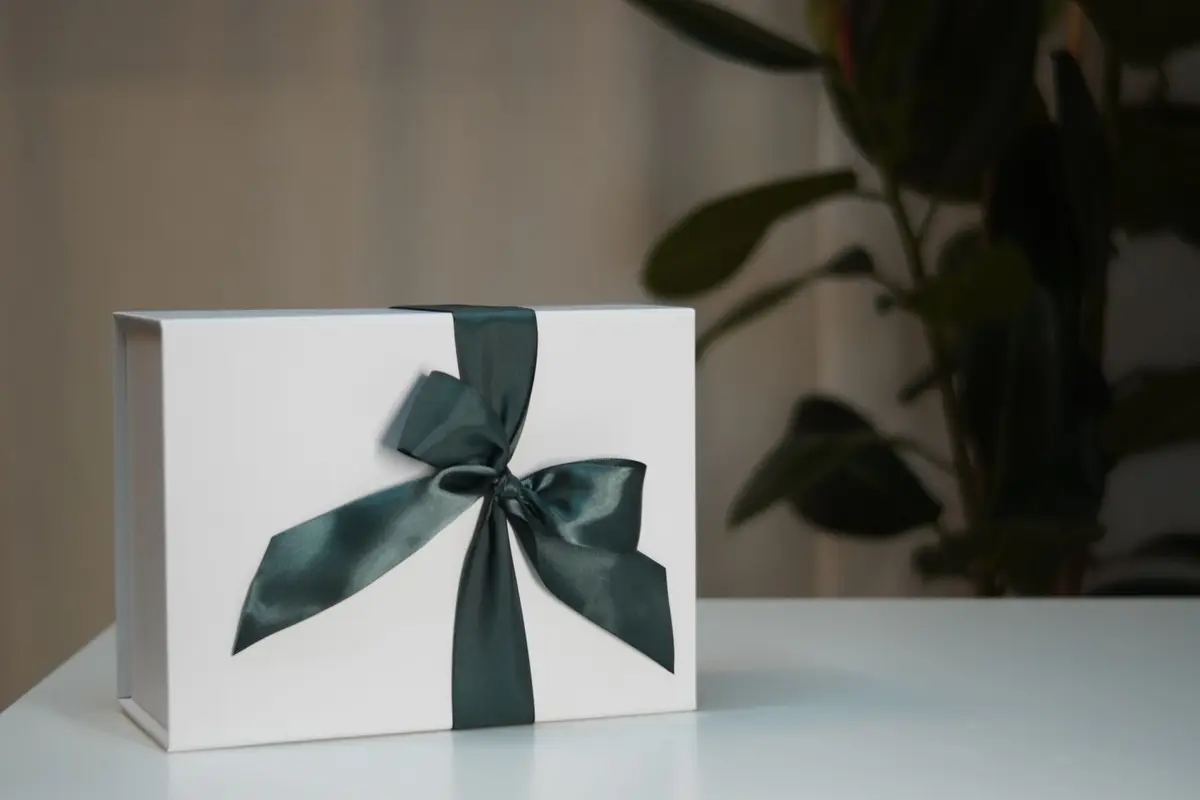
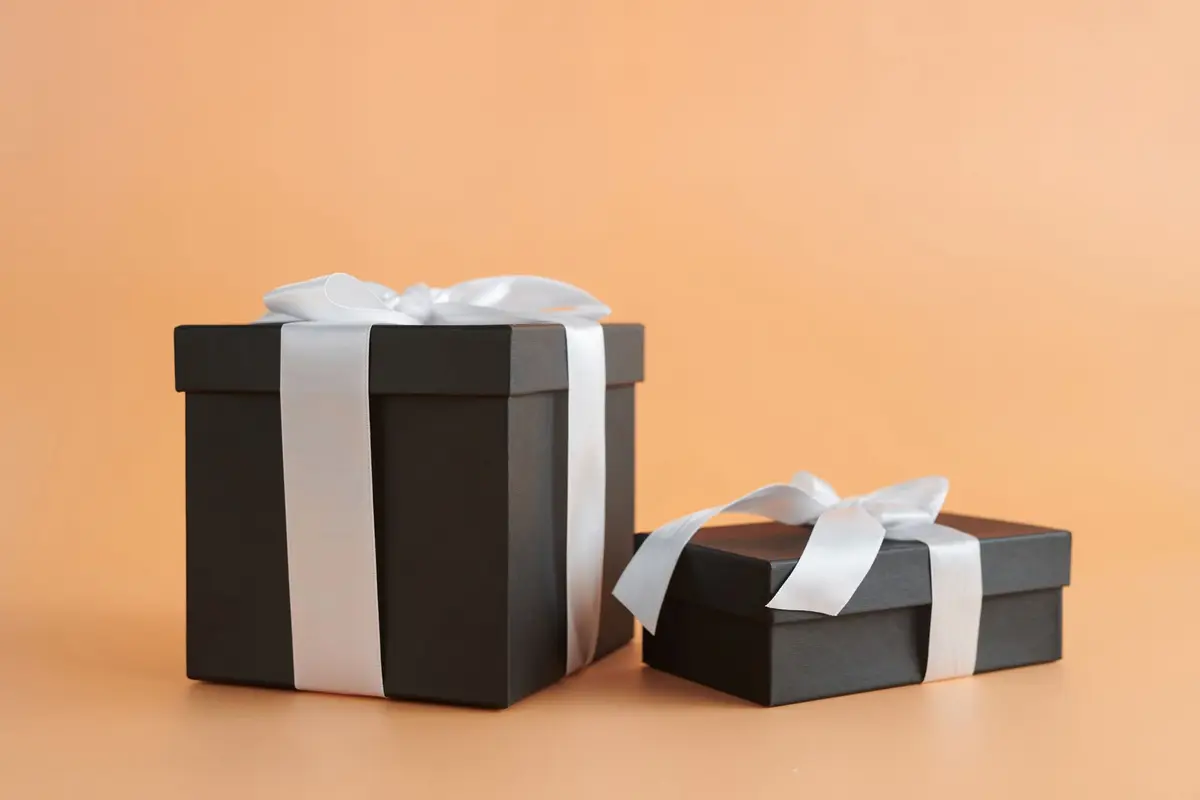
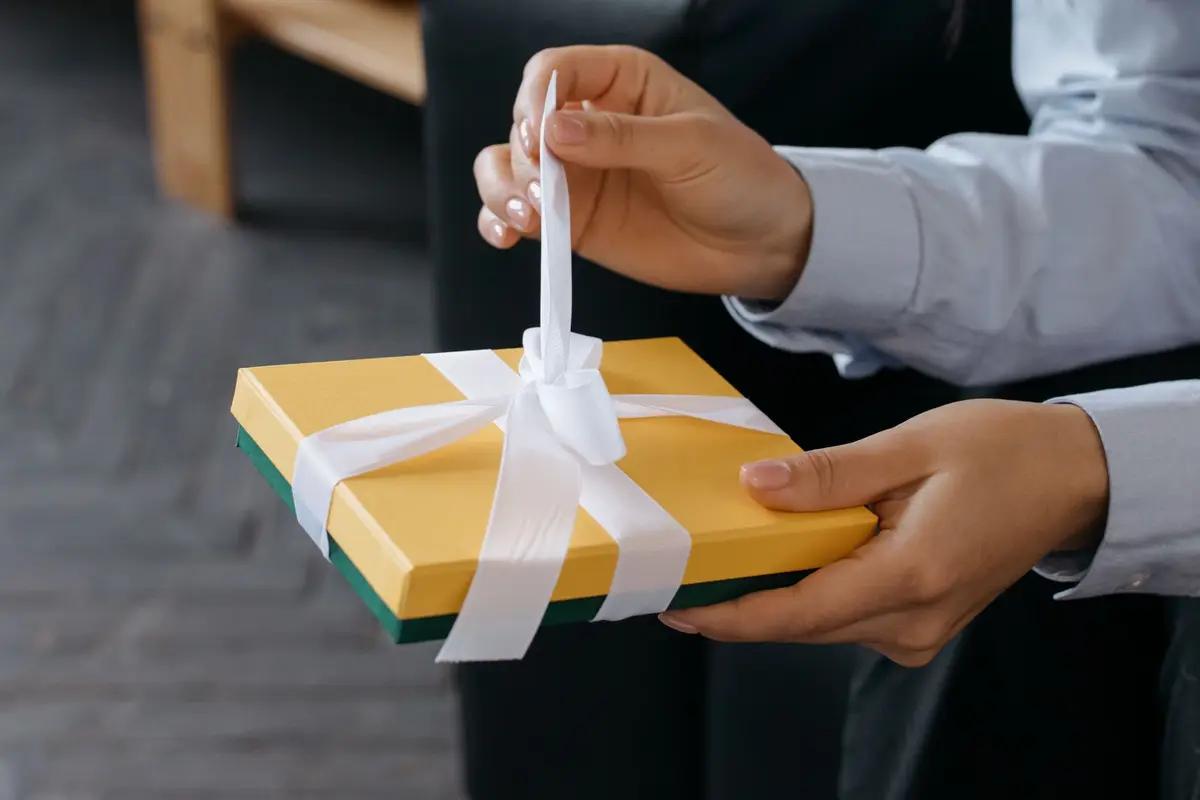
A $200 jacket shipped in a poly mailer feels like an online order. The same jacket folded in tissue inside a rigid box with a ribbon feels like a gift. Same jacket! Packaging is a small slice of the budget and a huge slice of the impression.
What makes the difference: a rigid box (not a flimsy folding one), tissue or crinkle fill so things don't rattle around, a ribbon or belly band, and a handwritten note. That last one is the cheapest part of the whole gift and the part people mention most. Two genuine sentences beat a printed card with a stamped signature every time.
If you're sending to people's homes, factor in the outer shipping box too. You want the gift box to arrive crisp, not dented.

When to order (and when to send)
Custom luxury gifts take longer than people expect. Between sourcing the garments, digitizing the logo, embroidery, packing, and shipping, figure on about 2.5 to 3 weeks for most orders. That's before the holiday rush.
For year-end gifts, order by mid-November. Every company in the country hits the same suppliers in December, and popular premium jackets and colors sell out first. If you're reading this in October, you're right on time. 😊 Our employee Christmas gift ideas post goes deeper on holiday timelines.
Here's the counterintuitive part: the holidays aren't always the best time to send. Client gifts arriving the first week of December compete with fifty others. A gift that shows up at Thanksgiving, in early January, or on the anniversary of when you started working together stands out a lot more. Big wins, signed deals, and project wrap-ups are great moments too.
One more planning tip: build the list before you pick the gift. Sort recipients into your tiers first (top clients, key accounts, team), confirm addresses and sizes, then choose what goes in each tier. Doing it in that order keeps the budget honest and saves a lot of last-minute shuffling when you realize you forgot three people.

Mistakes that make expensive gifts feel cheap
These are the ones we see most, and every one is avoidable.
Guessing sizes. A $180 jacket in the wrong size is a $180 jacket in a closet. For apparel gifts, collect sizes ahead of time or send a gift link so each person picks their own size and color before anything ships. This is the number one fix.
Making the logo the star. Covered above, but it's the most common one. If the gift only makes sense with your logo on it, it isn't a gift.
Choosing for yourself, not them. That golf polo is perfect, unless your client hates golf. A quick look at what they post or talk about goes a long way.
Cheap substitutes. Swapping a real YETI for an unbranded lookalike to save $8 shows. People notice the logo on the lid. If the budget is tight, give a better version of a smaller thing instead of a knockoff of a bigger thing.
Ignoring gift policies. Government, healthcare, and finance clients often have strict limits. Check first, then pick something within the rules (or send something for the whole office, which is often allowed).
Shipping to an empty office. Hybrid teams mean a gift can sit at a front desk for two weeks. Ship to homes when you can, and confirm addresses first.
Sending it and forgetting it. A luxury gift opens a door. A short check-in a week or two later (did it arrive, does the jacket fit?) catches shipping problems and keeps the conversation going. It's also how you find out what landed, so next year's gift is even better.
No note. A beautiful box with no message feels like it came from a vendor list. A handwritten line or two turns it into a gift from you.
How we build luxury gift kits
If you'd rather not juggle all of this yourself, this is exactly what we do. You tell us who you're gifting, how many, and your budget per person. We come back with a few curated options, mockups, and clear pricing within one business day. No surprise fees, and we'll tell you honestly if a cheaper option will land just as well.
We embroider everything in our own shop, gift-box it, and ship each one straight to the recipient's door anywhere in the country. If sizes are a question, we can send a gift link so everyone picks their own. You can see our tiers and start a kit on our corporate gifts page, or just reach out and tell me what you're thinking. Happy to help you figure it out!
Frequently asked questions
- What is considered a luxury corporate gift?
- A luxury corporate gift is a premium item the recipient would choose for themselves, with noticeable quality, real everyday use, and subtle branding. Think a North Face or Peter Millar jacket with a small tonal logo, a YETI tumbler with an engraved mark, or a leather folio. Quality and restraint matter more than price.
- How much should you spend on a luxury corporate gift?
- Most luxury client and employee gifts fall between $75 and $300 per person. $75 to $150 covers premium everyday pieces like a quarter-zip or engraved tumbler, $150 to $300 covers statement gifts like a premium jacket or curated box, and $300+ is usually reserved for a handful of top relationships.
- Should luxury corporate gifts have a logo?
- Yes, but keep it quiet. A small tonal embroidered logo, a laser engraving, or a debossed mark keeps the gift feeling personal. Large, colorful logos make a premium item read as promotional merch. Another option is to brand the packaging and card and keep the gift itself nearly unbranded.
- What is a good luxury gift for a CEO or executive?
- Focus on quality and thoughtfulness: a premium jacket in the right size, a full-grain leather folio, a nice bag, or something tied to a real interest like golf or coffee. Keep branding minimal and avoid anything that feels like it came from a promo catalog.
- Are luxury corporate gifts tax deductible?
- Only partly. The IRS limits the deduction for business gifts to $25 per recipient per year, though shipping, packaging, and engraving generally don't count toward that limit. Gifts to employees follow different rules. Check with your accountant before planning around it.
- When should you order luxury corporate gifts for the holidays?
- Order custom or embroidered holiday gifts by mid-November. Production usually takes about 2.5 to 3 weeks, and premium styles and colors sell out as December approaches. Sending at Thanksgiving or in early January can also help your gift stand out from the December pile.
- What's the difference between luxury and promotional corporate gifts?
- Promotional gifts are built to spread your name cheaply across lots of people, with the logo front and center. Luxury gifts are built to make one person feel appreciated, so the quality of the item comes first and the branding is small or tonal. Promo fits trade shows and events. Luxury fits clients, executives, and milestones.
- What are the best luxury gifts for clients?
- Premium everyday pieces with quiet branding work best: an embroidered quarter-zip or jacket from a brand like The North Face or Peter Millar, a YETI tumbler with a laser-engraved logo, a leather folio, or a curated box with a handwritten note. Check the client's gift policy first, since many companies cap what employees can accept.
- Can luxury gifts be shipped directly to clients?
- Yes. We gift-box and ship each gift straight to the recipient anywhere in the country, and for apparel we can send a gift link so each person chooses their own size and confirms their address first.
Got a project in mind?
Send us your idea and quantities — we'll come back with a free mockup and quote.
Get a free quote