Not every premium brand will put your logo on their gear anymore — Patagonia stopped taking new corporate logo customers in 2021. Here's which brands still do, what each one is best for, and when high end corporate apparel is genuinely worth the upgrade.
Can you put your logo on premium brands?
Most premium brands still offer corporate programs — Nike, The North Face, Carhartt, Peter Millar, Eddie Bauer, Columbia, TravisMathew, Cutter & Buck, and OGIO all decorate for companies. Patagonia is the notable exception: it stopped adding corporate logos for new customers in 2021. So the brand you have in mind matters before you plan a program around it.
That Patagonia detail catches people off guard, because the branded fleece vest was practically a corporate uniform for a decade. The company's reasoning was environmental — a permanent logo makes a garment less likely to be worn after someone leaves the job, or passed along to anyone else. Fast Company covered the change when it happened. Existing corporate accounts were grandfathered, but if you're starting fresh, plan around a different brand.
We decorate premium brands here, so this is the rundown I'd give you on the phone: which brands are good at what, and when spending the extra money is genuinely worth it.
The premium brands worth knowing
Peter Millar is the top of the corporate range — country-club polos and outerwear with a real luxury feel. This is executive-gift and leadership-retreat territory, not a garment you hand to a whole crew.
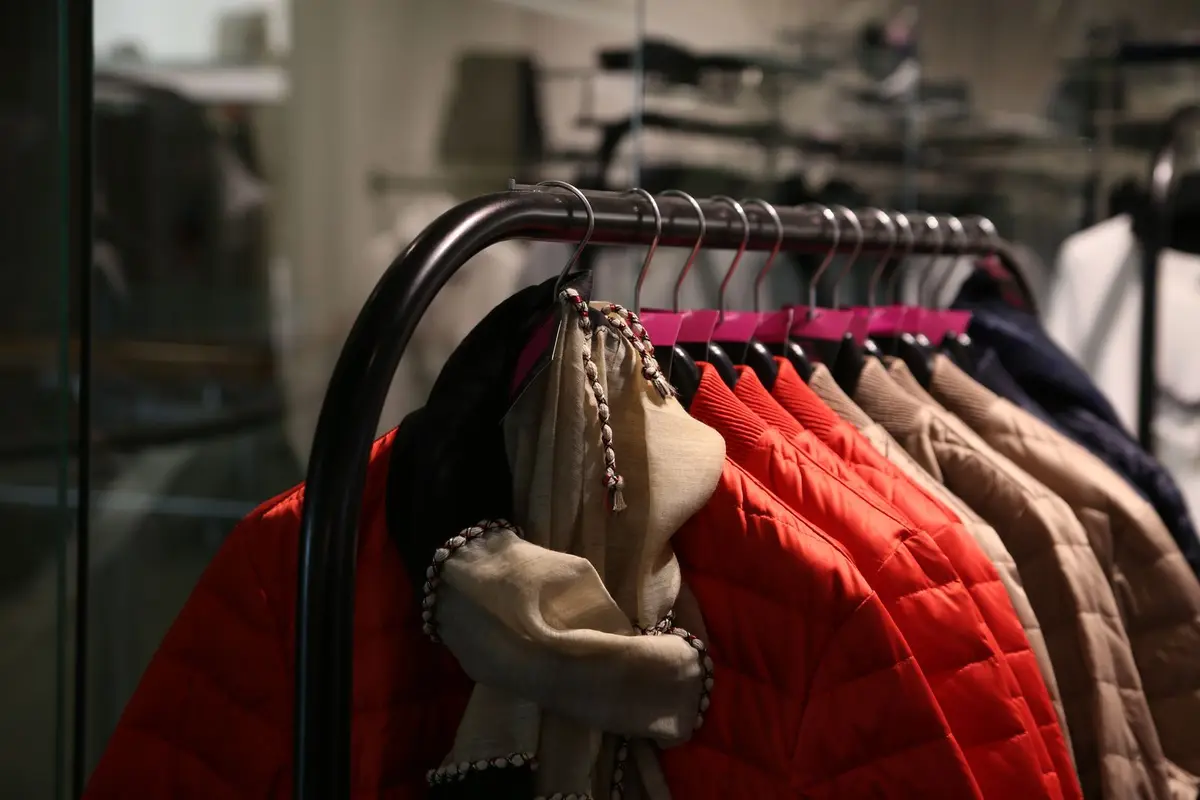
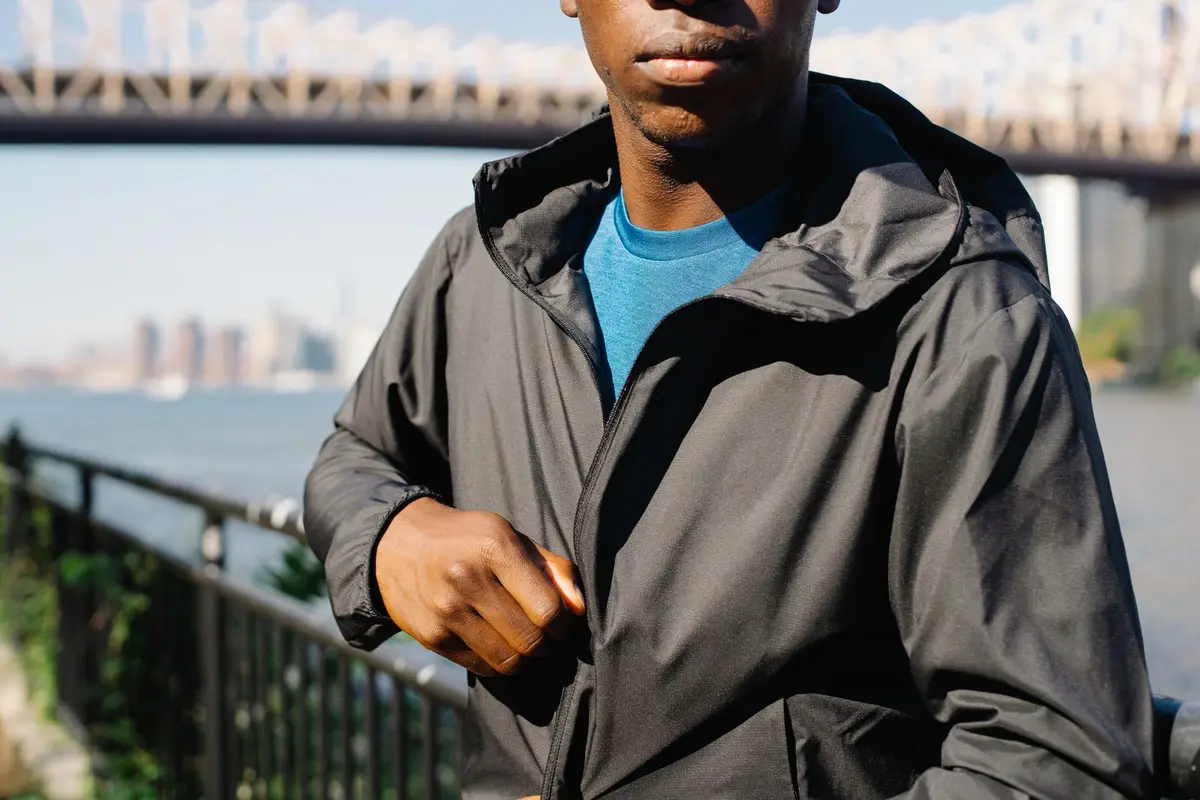
The North Face is the outerwear default for a reason: fleeces, softshells, and puffers that people wear on weekends. If you're doing one nice jacket a year, this is usually the safe pick.
Nike brings performance polos and Dri-FIT pieces, plus the strongest brand recognition of the bunch. Great for golf outings, sales teams, and anyone who wants a modern athletic look.
Carhartt is the one workwear brand with genuine cultural weight — a Carhartt beanie or hooded sweatshirt gets worn constantly. If your crew is in the field, this earns more goodwill per dollar than anything else on this list.
Eddie Bauer and Columbia sit in the practical middle: real outdoor performance at a friendlier price than North Face. Good for outfitting a larger group in outerwear without the premium jump.
TravisMathew and Vuori are the current favorites for a younger, style-forward team — soft, athleisure-leaning pieces that read casual rather than corporate. lululemon runs a corporate program too, though it's the most restrictive about how its mark and yours appear together.
Cutter & Buck and OGIO are the workhorses of corporate apparel — genuinely nice polos, quarter-zips, and bags at prices that let you outfit a whole department. Less brand cachet, better math.
A note on availability: brand-level corporate programs each carry their own rules on minimums, logo placement, and which styles can be decorated at all. Those terms change, so confirm before you build a catalog around one specific jacket.
How to tell premium from expensive
Brand names aside, a few things separate a garment that feels high end from one that just costs more. Fabric weight is the first — a substantial polo or fleece has heft you notice immediately. Finished seams and side seams (rather than a cheap tubular body) mean the garment holds its shape after washing instead of twisting. Collar construction is the giveaway on polos: a self-fabric or ribbed collar with real structure stays flat, while a thin knit collar curls after a month and makes the whole shirt look worn out.
Then there's fit. Modern cuts are trimmer than the boxy corporate polos of fifteen years ago, and this is the most common complaint we hear about older programs. If your catalog hasn't been refreshed in a while, fit is usually the thing to fix first — before the brand, before the logo.
When premium is worth it (and when it isn't)
Here's the honest breakdown, because a $95 jacket isn't automatically a better decision than a $38 one.
Worth the upgrade
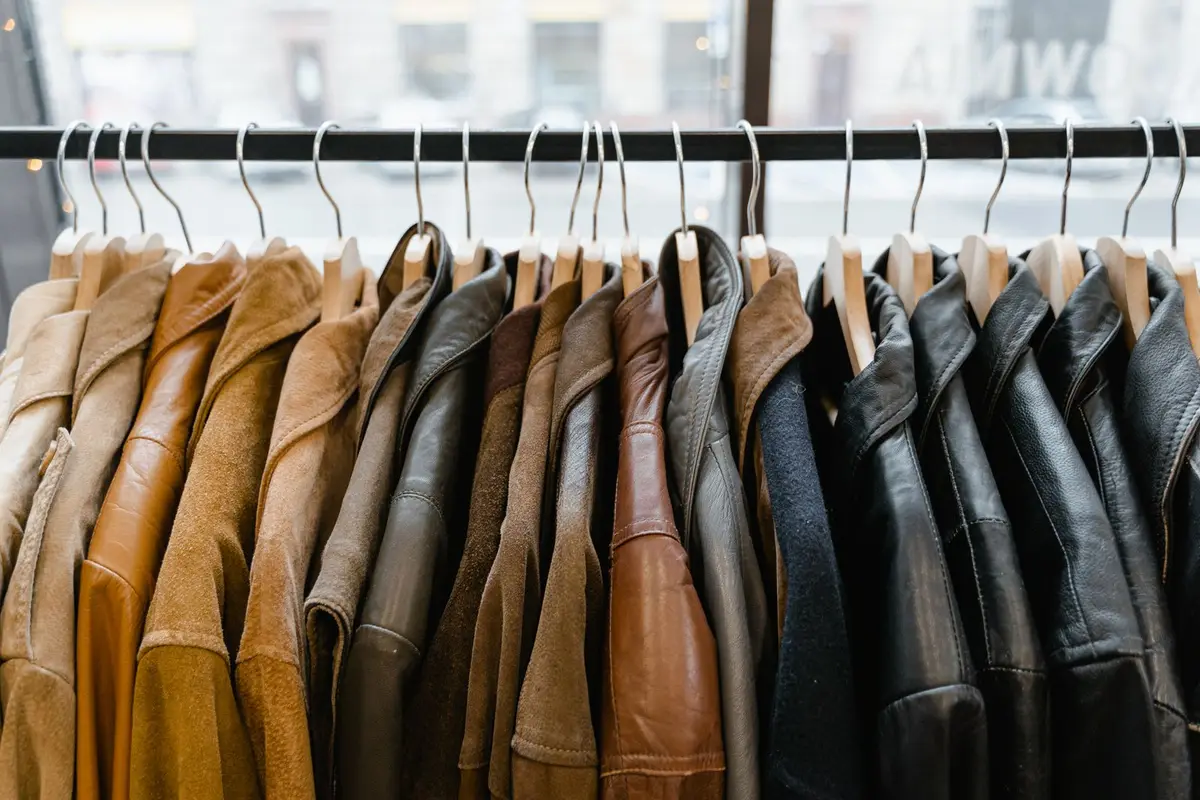
Outerwear, always. A jacket is worn for years, in public, often outside of work. It's the highest-visibility branded item you'll ever buy and the one where cheap shows fastest — a stiff, boxy jacket gets left in a truck.
Client gifts and executive pieces. When the garment *is* the gesture, the label carries meaning. This is the clearest case for Peter Millar or a nice North Face piece.
Milestones and anniversaries. A recognition gift should feel like one — see our employee anniversary gifts rundown for what lands.
Anyone customer-facing. The person standing at someone's front door is your brand for that entire interaction. A crisp branded polo does real work there.
Skip the upgrade
Daily-wear work shirts. Garments that get bleached, torn, and replaced on a cycle should be durable and affordable, not premium. Spending retail money on something that meets a chemical spill is just an expensive way to feel bad.
Big giveaway runs. Event tees and community-day handouts are volume plays. Put the budget into quantity and a decent mid-weight blank.
Anything you need 300 of. Premium brand programs carry premium pricing at every quantity — there's no volume break that makes them behave like blanks.
Decorating premium garments without wrecking them
This is the part people don't think about until it goes wrong. A $90 softshell decorated carelessly is a $90 mistake, and there's no fixing an embroidered jacket after the fact.
Go smaller than you think. A 3–3.5 inch left chest mark is right for premium pieces. The garment is doing the impressing; your logo is a signature, not a headline.
Watch the backing on technical fabrics. Waterproof shells and insulated jackets have membranes and fill that embroidery needles pass straight through. A shop that knows what it's doing uses the right stabilizer and placement to avoid puncturing a waterproof layer — or recommends a heat-applied option instead. If nobody mentions this when you order, ask.
Tonal thread reads expensive. One shade off the garment color gives you a logo that's visible up close and subtle from a distance. It's the single easiest way to make branded gear feel less like a giveaway.
Sew-outs before the full run. On an expensive garment we stitch a sample first and look at it in person. Digitizing that works beautifully on a piqué polo can pucker on a fleece, and finding that out on garment one instead of garment fifty is the whole point. Our logo embroidery guide gets into the digitizing details.
How to build a premium tier without blowing the budget
You don't have to choose between premium and affordable — nearly every program we run does both, deliberately.
Tier by role and occasion. Daily wear stays practical and affordable. Client-facing staff get a step up. Premium outerwear is reserved for anniversaries, leadership, or an annual gift. One catalog, three price bands, everyone appropriately outfitted.
Let people buy up. Put the premium pieces in your company store at cost or near it. Plenty of employees will happily pay the difference for a jacket they actually want, which gets your logo on nicer gear without the company funding all of it.
Buy outerwear off-season. Ordering jackets in spring instead of the October rush gets better availability and calmer lead times. Premium outerwear is the first thing to go out of stock in Q4.
Order the sample. For anything you're buying in quantity at premium prices, get one first and put it on a real person. Photos lie about fit and weight.
If you want help picking, tell us what your team does and what you're spending and we'll spec it — including where to save. Sometimes the honest answer is that a well-chosen mid-tier polo will make people happier than a luxury one, and we'd rather tell you that than sell you the expensive version!
Frequently asked questions
- Does Patagonia still do corporate logos?
- Not for new customers. Patagonia stopped adding corporate logos to its apparel in 2021, reasoning that a permanent logo shortens a garment's useful life because people are less likely to keep or pass on branded gear. Existing corporate accounts were grandfathered in, but new programs need a different brand.
- Which premium brands allow corporate logos?
- Nike, The North Face, Carhartt, Peter Millar, Eddie Bauer, Columbia, TravisMathew, Vuori, Cutter & Buck, OGIO, and lululemon all run corporate programs, though each sets its own rules on minimums, decoration placement, and which styles qualify. Confirm current terms before building a catalog around one specific style.
- Is high end corporate apparel worth the cost?
- For outerwear, client gifts, recognition pieces, and customer-facing staff — yes, because those garments get worn for years in public. For daily work shirts, large giveaways, and anything you need hundreds of, it isn't; durability and quantity matter more than the label there.
- What's the best premium brand for company jackets?
- The North Face is the safest all-around pick for branded outerwear — recognizable, genuinely good, and worn on weekends. Eddie Bauer and Columbia give you similar performance at a friendlier price for larger groups, and Carhartt is the strongest choice for field crews.
- Can you embroider a waterproof jacket?
- Yes, but it takes care. Needles pass through the waterproof membrane, so placement and stabilizer choice matter, and some technical shells are better decorated with a heat-applied method instead. Any shop taking your premium outerwear order should raise this before stitching.
- How big should a logo be on premium apparel?
- Smaller than on standard gear — 3 to 3.5 inches on the left chest is the sweet spot. On expensive garments the piece itself carries the impression, and an oversized logo makes a $90 jacket read like a giveaway. Tonal thread one shade off the garment color looks especially sharp.
Got a project in mind?
Send us your idea and quantities — we'll come back with a free mockup and quote.
Get a free quote