
Most corporate logo apparel fails for the same three reasons: the wrong garment, an oversized logo, and the wrong decoration method. Here's how to pick gear your team actually wears — placement, sizing, garment tiers, and what to budget per person.
What makes corporate logo apparel actually get worn?
Corporate logo apparel gets worn when the garment is something people would buy on their own, the logo is small enough to be tasteful, and the decoration method matches the fabric. Miss any one of those and you've bought shirts that live in a drawer.
I've been decorating company apparel for years, and the failures are remarkably consistent. It's almost never the design that kills a program — it's a scratchy blank nobody likes, a chest logo sized for a billboard, or screen printing on a performance polo where it cracks by the third wash.
So here's the practical version: how to pick the garment, size and place the logo, choose the decoration, and budget it. No fluff.
Start with the garment, not the logo
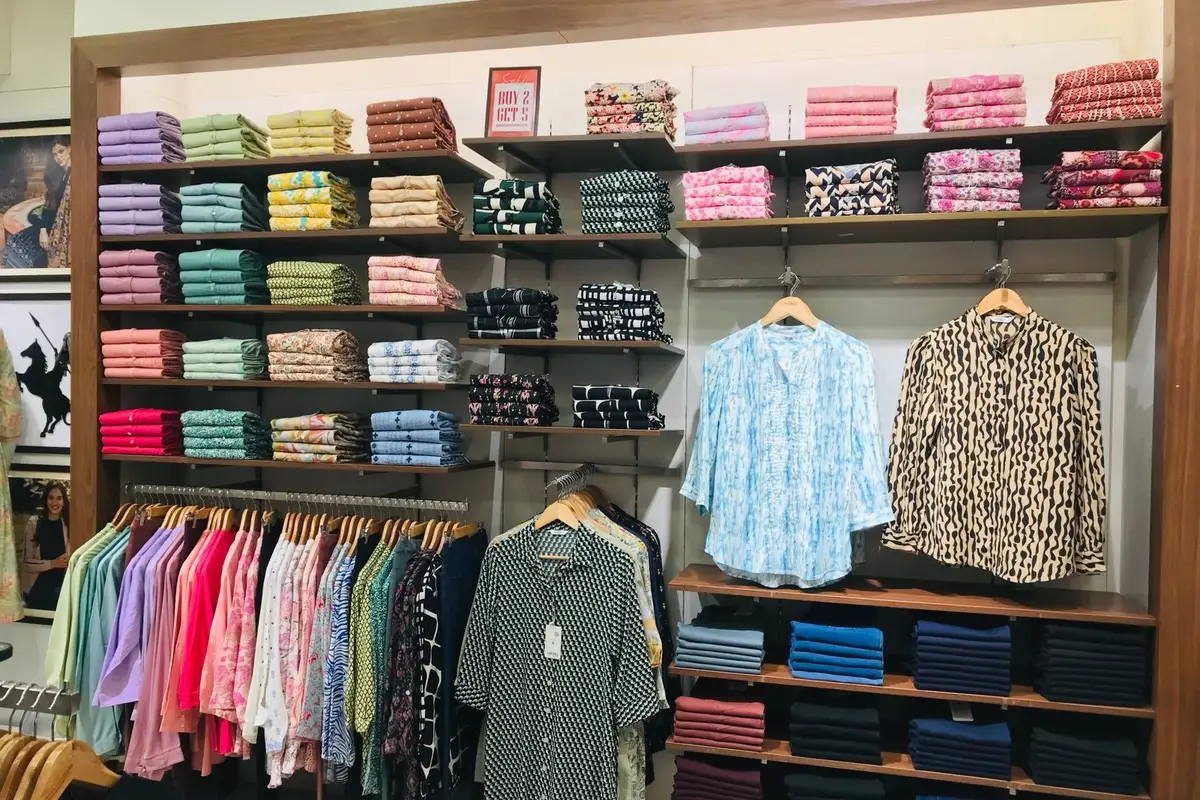
The single best predictor of whether your logo apparel gets worn is whether someone would wear the blank version of it. That's the whole test. A cheap 5.5-ounce tee doesn't become desirable because your logo is on it — it becomes a shop rag with your name attached.
Think in three tiers
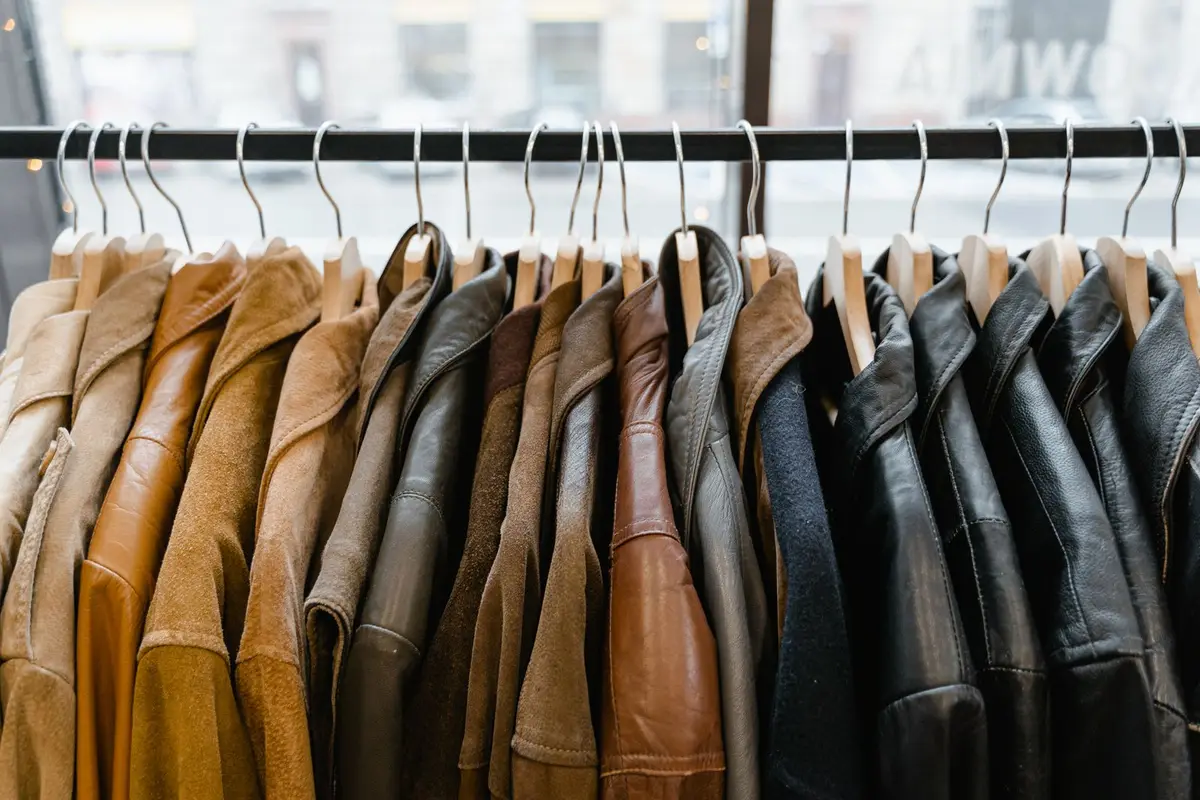
Daily wear is what your team actually works in: tees, work shirts, and polos. Prioritize comfort and durability over everything, and expect to replace these on a cycle. Client-facing is a step up — a nicer polo, a button-down, a quarter-zip — for anyone a customer meets. Premium is your outerwear and gift tier: jackets, softshells, vests. Fewer people get these, they last for years, and they do the most brand work per dollar.
Most businesses need all three, and the mistake is buying one garment and asking it to do all three jobs.
Don't skip real women's cuts
Ordering a men's shirt in small and calling it the women's option is the quietest way to lose half your team's participation. Women's corporate apparel is a different pattern, not a smaller size — different shoulder, different armhole, different length. Stock both cuts of your core items and watch how much your order rates change.
Match fabric to the actual job
Cotton is comfortable and takes print beautifully, but holds sweat. Polyester and performance blends wick and dry fast, which matters for anyone outdoors in an Arizona summer — but they need the right decoration (more on that in a second). Tri-blends feel premium and drape well, which is why they're the go-to for office and gift tiers.
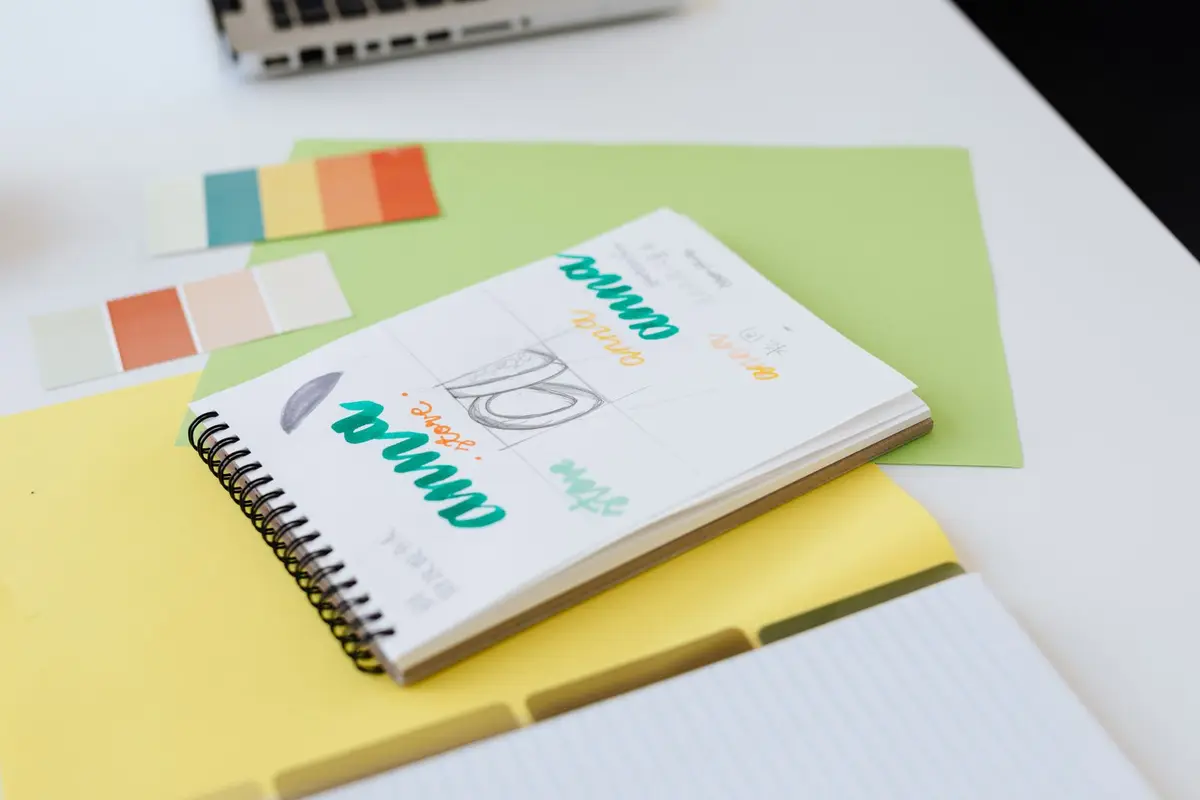
Logo placement and sizing (where most programs go wrong)
This is where I see the most expensive mistakes, and they're all in one direction: too big. When a company is excited about its brand, the instinct is to make the logo prominent. But the version people actually wear is almost always smaller than the version that got approved in the meeting.
The sizes that work
Left chest: 3–4 inches wide. This is the workhorse placement for polos, button-downs, and work shirts, and 3.5 inches is the safest number in this entire post. Hat front: 2–2.5 inches wide, sized to the crown, not the panel. Full back: 10–12 inches — great for crews and event tees where visibility is the point. Sleeve or hem: 1.5–2 inches for a subtle secondary mark.
If your logo is a horizontal lockup with a tagline, ask for a stacked or icon-only version for small placements. Cramming a wide logo into 3.5 inches makes the tagline unreadable, and unreadable text is worse than no text.
Contrast beats color-matching
A navy logo on a navy polo looks elegant in a mockup and disappears in real life. Pick garment colors that give your mark contrast — and remember a bright logo often reads best on a neutral garment (black, navy, heather gray, cream), which is also what people prefer wearing.
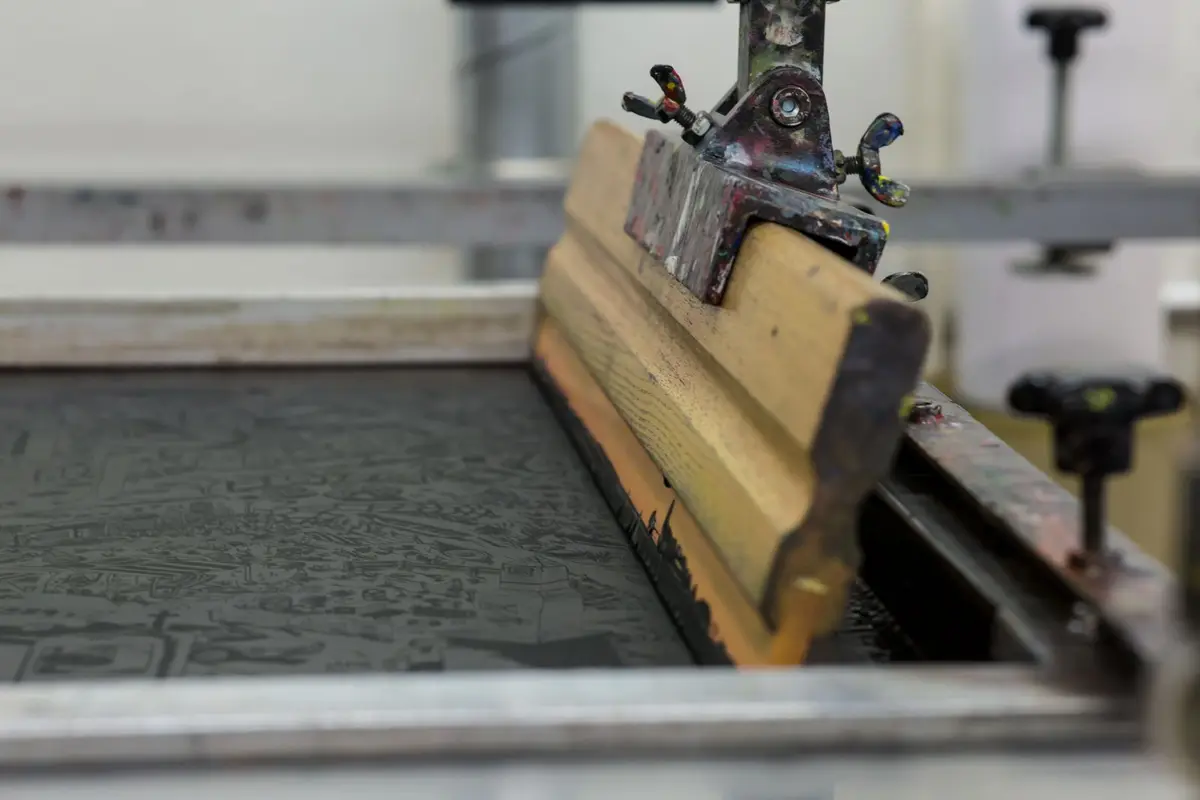
Picking the decoration method
Three methods cover nearly all corporate logo apparel, and choosing wrong is what causes logos to crack, pucker, or fade early.
Embroidery — stitched thread. The default for polos, hats, jackets, and anything client-facing, because it reads premium and outlasts the garment. Best for simple, bold marks; very fine text under about a quarter inch won't hold. Our logo embroidery guide covers digitizing if you want the technical side.
Screen printing — ink pushed through a mesh screen. The cheapest way to decorate at volume and the right call for tees and hoodies with larger artwork. It needs a real quantity to make sense, since setup is per color.
DTF — a full-color transfer heat-pressed onto the garment. This is what makes small runs and complex, multi-color art affordable, and it handles performance fabrics that screen printing struggles with.
The short rule: stitch the collared and outerwear stuff, print the casual stuff, and use DTF when the art is complicated or the run is small. If you want the longer comparison, we wrote embroidery vs. screen printing.

Turning it into a program instead of an annual scramble
A one-time bulk order is a fine way to start and a bad way to operate. Somebody collects sizes on a spreadsheet, you over-order smalls, and the person hired in March waits until next year's run to get a shirt.
A corporate apparel program fixes that by locking the catalog once — approved garments, approved colors, approved logo files — and letting people order from it as needed through an online store. New hire on Monday? They order their sizes and it ships. Nobody's guessing, nobody's storing boxes.
Multi-location and franchise brands
If you run more than one location, this stops being a convenience and becomes brand control. Every location ordering locally means every location gets a slightly different green and a slightly different logo size. When the catalog is approved centrally, a customer in Mesa and a customer in Tucson see the same brand — and a new franchisee gets outfitted by receiving a link, not a purchase order. Our uniform rental breakdown compares this against the leasing route.
What's actually working right now
A few things have genuinely shifted in what companies order, and they're worth knowing before you build a catalog.
Smaller logos, better garments. The clearest trend of the last few years. Companies are spending more per piece and branding it less aggressively — a small left-chest mark on a nice quarter-zip instead of a big print on a cheap tee. It costs more per unit and gets worn ten times as often, which makes it cheaper per wear by a mile.
Tonal and subtle decoration. Thread one shade off the garment color, so the logo reads as texture up close and just looks like a nice shirt from across the room. Popular for office and gift tiers.
Retail brands over blanks. More companies want their logo on gear people recognize — the outerwear and performance labels their team already buys. Worth knowing: not every brand allows it, and the rules changed more than most buyers realize.
Fewer items, ordered more often. Instead of one giant annual order covering everything, businesses are running a tight catalog of eight or so pieces and reordering continuously. Less capital tied up, nothing obsolete when the logo changes.
What to budget
Real numbers, decorated, per person. A daily-wear tee or work shirt typically lands around $15–$25. An embroidered polo runs about $30–$45 depending on the brand. A quarter-zip or softshell is usually $55–$90, and premium retail brands go up from there. Hats are generally $18–$30 embroidered.
Outfitting someone properly — a few daily shirts plus one nicer piece — usually runs $100–$200 per employee, once, replaced as things wear out. Compared with what businesses spend per employee on almost anything else, branded apparel is cheap. Where budgets actually get wasted is buying 300 of something nobody likes.
Quantity matters most on printed items, since setup spreads across the run — see screen printing cost for how that curve works. Embroidery is more linear, so small orders stay reasonable.
If you want a spec for your team, send us your headcount and what people actually do all day and we'll put together a tiered catalog with real pricing. And if a piece isn't worth it for your situation, we'll say so — we'd rather sell you eight things that get worn than twelve that don't!
Frequently asked questions
- What size should a logo be on corporate apparel?
- Left chest logos should be 3–4 inches wide (3.5 is the safest default), hat fronts 2–2.5 inches, full backs 10–12 inches, and sleeve marks 1.5–2 inches. When in doubt, go smaller — oversized chest logos are the most common reason company shirts don't get worn.
- Is embroidery or printing better for company logo apparel?
- Embroider polos, hats, and outerwear — it looks premium and outlasts the garment. Screen print tees and hoodies where the artwork is larger and you're ordering volume. Use DTF for complex full-color art, small runs, or performance fabrics that don't take screen printing well.
- How much does corporate logo apparel cost per employee?
- Decorated, expect roughly $15–$25 for a tee or work shirt, $30–$45 for an embroidered polo, $55–$90 for a quarter-zip or softshell, and $18–$30 for a hat. Outfitting an employee properly usually lands between $100 and $200 one time.
- What are the best garments for a corporate apparel program?
- Build three tiers: daily wear (tees, work shirts, polos) chosen for comfort and durability, client-facing pieces (nicer polos, button-downs, quarter-zips) for anyone customers meet, and a premium outerwear tier for gifts and long-term wear. Stock true women's cuts of your core items, not just smaller men's sizes.
- Can you put a logo on any fabric?
- Nearly any, but the method has to match. Performance and moisture-wicking fabrics don't take screen printing well — ink can crack or dye can bleed through — so those get embroidery or DTF instead. Very lightweight or stretchy knits need a backing when embroidered so the stitching doesn't pucker.
- How do multi-location companies keep their apparel consistent?
- Approve the catalog centrally — garments, colors, and logo files — and have every location order from that same catalog through an online store rather than sourcing locally. That's what keeps the brand identical across territories and lets a new location get outfitted by sending them a link.
Got a project in mind?
Send us your idea and quantities — we'll come back with a free mockup and quote.
Get a free quote