The best family reunion shirt gets worn again in October, not folded away in the car. Here are design ideas that hold up, colors that work on a whole family, the size math nobody warns you about, and what it costs to print a batch.
Most family reunion shirt ideas you find online are the same design with a different last name dropped in. They're fine. But the shirt you actually want is the one your cousin still wears to the gym in October — not the one that rides home in the back of the car and never comes out of the bag.
We print a lot of these, and the difference between the two outcomes comes down to four decisions: the concept, the color, the garment, and getting the size run right. Here's how we'd walk a family through it.
Family reunion shirt ideas, in short
The designs that get worn again keep the family name big, the year small, and the clip art out. A surname with an established year, a simple family crest, a state or hometown outline, or a family tree on the back all work. Color-code by branch if you want the group photo to organize itself.
Everything below is a variation on that. The theme running through all of it: design it like a shirt someone would buy, then put your family on it — not the other way around.

10 family reunion shirt designs that actually get worn
1. Surname and "est."
The last name big and centered, with "EST. 1948" underneath — whatever year the family counts from. It's the simplest design on this list and the one that ages best, because it reads like a vintage athletic tee rather than an event shirt. Works in one ink color, which also makes it the cheapest.
2. The family crest
A simple badge or shield with the surname, the year, and maybe one symbol that means something to the family — a boat, a farm, a mountain. Keep it to two colors and resist adding detail. Crests fail when they get fussy; the good ones look like they were stamped on a jacket in 1970.
3. The family tree on the back
Front gets a small chest logo, back gets the tree with every branch and name. This is the design people genuinely keep, because it's a keepsake as much as a shirt. One caution from experience: names shrink fast. Keep the tree to three generations or the bottom row becomes unreadable.
4. The roster
Same idea, simpler execution: every attendee's first name set as a block of type on the back, sports-roster style. Sorted by family group or just alphabetically. It costs nothing extra to print and it's the design that makes people actually read each other's shirts at the picnic.
5. Home state or hometown outline
The state shape with a star on the town everybody came from, surname above. Especially good when the family has scattered — it quietly says where home is. Easy one-color design, and it works as well on a hat as it does on a tee.
6. Color-coded by branch
Same design, different shirt color per sibling line or generation. This is the most underrated idea on the list: it makes the group photo organize itself, helps people find their people, and it costs nothing extra as long as the ink color stays the same across all of them.
7. The reunion logo with a year
Design it like a tour shirt. Big graphic on the front, "Family Reunion" and the year small underneath, and if the reunion moves around, the city on the sleeve. Families that do this annually end up with a genuinely fun stack of shirts after a decade.
8. Retro and vintage wash
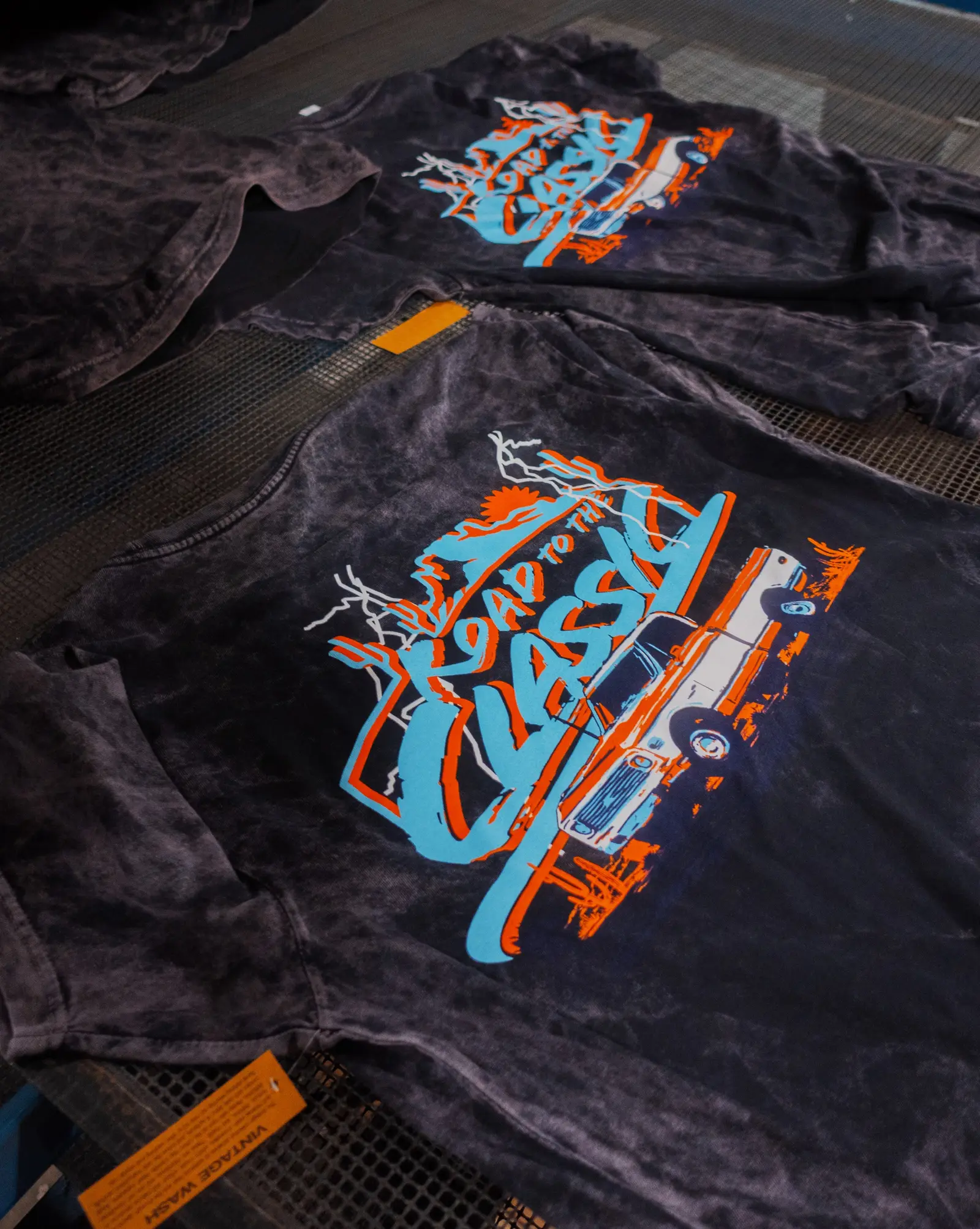
A garment-dyed or acid-wash blank with a slightly distressed one-color print. It looks like something from a thrift store in the best way, and it flatters a wide range of ages — teenagers will wear this one, which is the hard test.
9. The gentle joke
"I'm only here for the potato salad." Superlative awards on the back — most likely to nap, longest drive, newest member. Funny shirts work when the joke is about the family as a whole, never about one person, and when it's still readable as a family shirt from a distance.
10. Matching, not identical
One design, but let people pick their garment: tee, tank, hoodie, or a polo for the folks who won't wear a graphic tee. Same art, same ink, different blanks. This is what we'd recommend to most families, because it solves the single biggest reason reunion shirts go unworn — somebody was handed a style they'd never choose.
Family reunion shirt sayings that still read well
If you'd rather lead with words than a graphic, keep the saying short enough to read from across a park and warm enough that Grandma is happy to be photographed in it. A few that work, and that we'd happily print:
Classic: "Our Roots Run Deep." · "Family: Where Life Begins and Love Never Ends." · "Different Branches, Same Tree." · "Together Again." · "The [Surname] Family — Est. 1962."
Light and funny: "I'm Only Here for the Potato Salad." · "Family Reunion: Now With 40% More Cousins." · "We're Not Loud, We're Just Related." · "Official Member of the Snack Committee." · "Grill Master" (for exactly one uncle).
Where-we're-from: "Born in Mesa, Raised Everywhere." · "No Matter Where Life Takes Us, This Is Home." · the hometown's name with the year the family landed there. Swap in your own town — it's the detail that makes it yours.
One rule for all of them: pick one saying and let it breathe. A phrase on the front plus the surname and year on the back is plenty. Stack three jokes on one shirt and nobody reads any of them.
Colors and type that work on a whole family
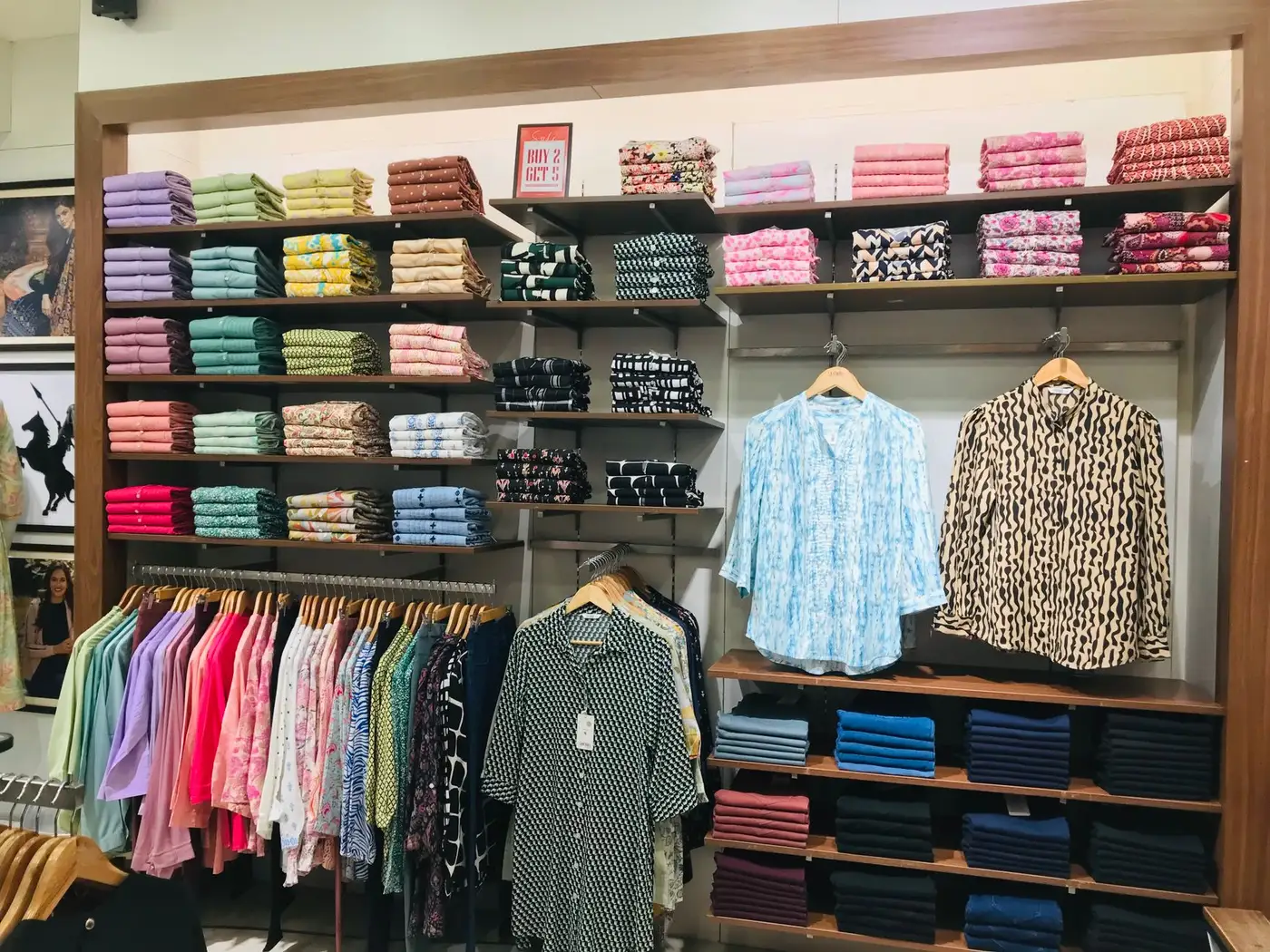
Pick the shirt color before the design, not after. The garment color is the biggest visual decision you'll make and it limits what the ink can do. Mid-tone heathers — navy, heather grey, sand, forest — flatter the widest range of people and photograph well in sun, which matters when the reunion is outdoors in July.
Avoid pure white if there's a meal involved, and be careful with bright neons: they look great on the mockup and unflattering on a lot of adults. If you want energy, put it in the ink color, not the shirt.
On type: two fonts maximum, and size the main line to read from across a park. A heavy display face for the surname and something simple for the supporting text is all you need. Give the letters room — cramped spacing is what makes a homemade shirt look homemade. And if you're printing on dark garments, remember that light ink on dark fabric always looks bolder than it does on screen.
How many of each size to order
This is the part nobody warns you about, and it's where reunion orders go wrong. Collect actual sizes — do not guess. A family spans toddlers to grandparents, and the usual size curve a shop would apply to a company order is completely wrong for a group like yours.
Put a simple form or a shared sheet in the family group chat with a hard deadline, and treat the deadline as real. Then two practical rules from watching this go sideways: order a handful of extras in the middle sizes (L and XL cover the most people and absorb the most mistakes), and order youth sizes as youth sizes, not small adults — a youth medium and an adult small fit very differently.
Don't forget that men's and women's cuts run differently even at the same letter size, and that extended sizes (2XL and up) usually carry a small upcharge from the blank manufacturer. That's not a shop markup, it's the garment costing more, and any honest printer will tell you that up front.
Timeline: give yourself three to four weeks between closing the size list and the reunion date. Standard turnaround on a printed order runs around two to three weeks once the art is approved, and you want a buffer for a proof revision and shipping to whoever is hosting.
Printing method and what reunion shirts cost
Screen printing is the right call for most reunions. It pushes a thick layer of ink into the fabric, it's the most durable finish there is, and once you're past about four dozen shirts it's the cheapest per piece. The catch is that each ink color needs its own screen, so a one- or two-color design is dramatically cheaper than a six-color one — and usually looks better anyway. Our screen printing cost guide breaks down that math.
DTF is the answer for smaller families and full-color art. No per-color setup and a 12-piece minimum, so if you're a group of twenty and you want a photograph or a watercolor family tree on the back, this is the method. Embroidery is the premium option — a stitched crest on a polo or a quarter-zip is what you order for the grandparents who won't wear a tee, and it's a genuinely nice keepsake.
The four things that move price: the blank you choose, the quantity, the number of ink colors, and whether you print on the back as well as the front. Color count is the biggest lever by far. If the budget is tight, a one-color print on a good garment beats a four-color print on a cheap one every single time.
A few things worth deciding early
Who's paying? Collecting money from thirty relatives is the actual hard part of this project, not the shirts. Many families just fold it into the reunion contribution. If you'd rather not handle it at all, we can set up an online store where everyone orders and pays for their own — same design, no minimum, and nobody chases anybody for twenty dollars. It's the same setup we build for t-shirt fundraisers, and it works just as well for a family.
Where do they ship? One bulk box to the host is cheapest by a wide margin. Individual shipping to thirty addresses adds up fast, and it's worth knowing that before you promise it.
Do you want extras? Order five or ten spares beyond your count. Someone always brings a new partner, a baby arrives, or a shirt goes in the mud on day one. Leftovers are a much smaller problem than a cousin without a shirt in the group photo.
Printing family reunion shirts with Heart & Hook
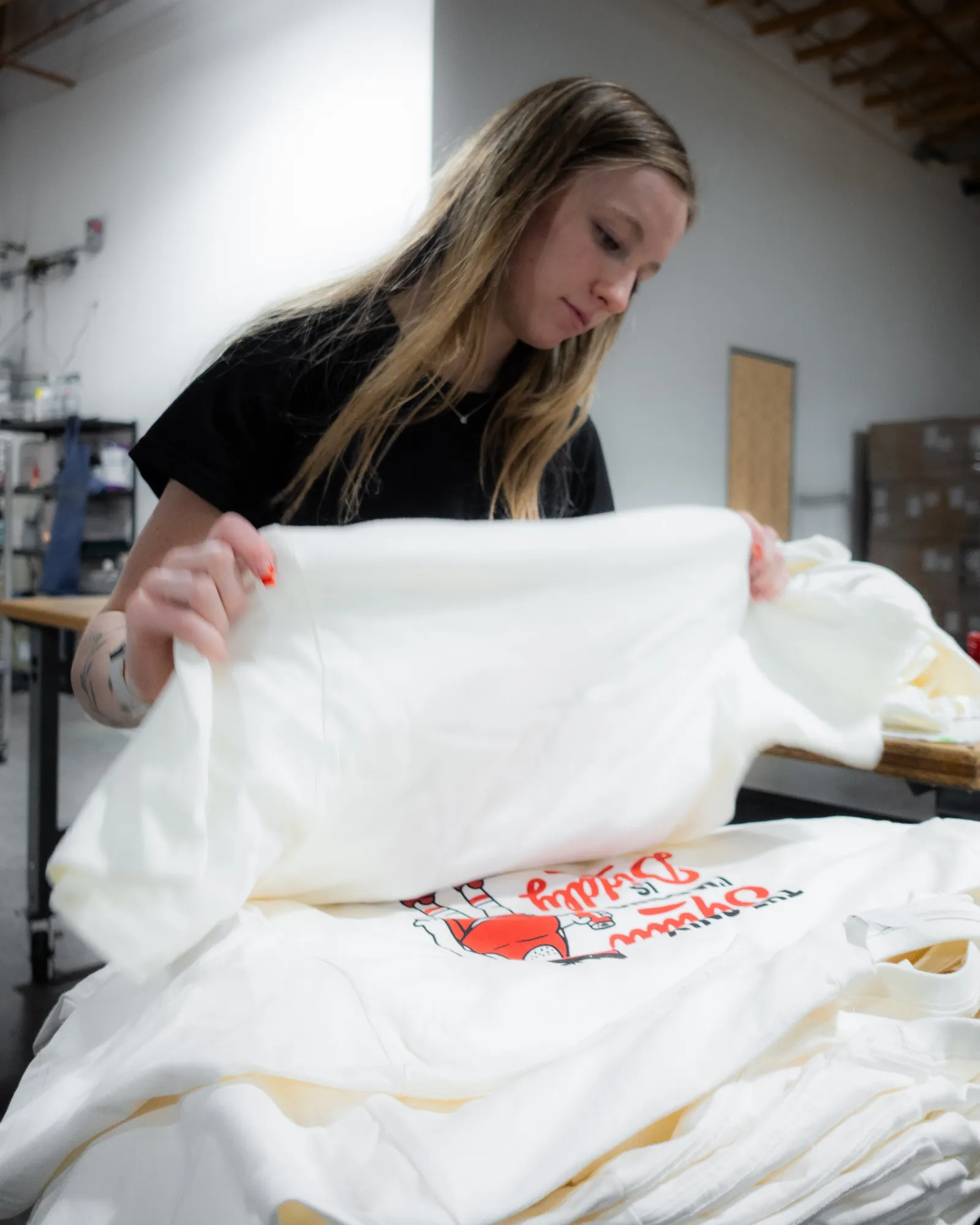
We print reunion shirts, class reunion tees, and event apparel for families and groups all over Arizona, and we ship anywhere. Same shop, same presses, same care as the business and church orders we run — a family order isn't a lesser job around here.
Send us your idea, even if it's just a last name and a year scribbled on a napkin, along with a rough headcount. We'll put together a free mockup and a straight quote, tell you honestly which print method fits your budget, and flag anything in the design that won't print the way you're picturing. No pressure either way — just let us know what you have in mind!
Frequently asked questions
- What should go on a family reunion shirt?
- The family surname large, an established year small, and one simple graphic. A crest, a home state outline, or a family tree on the back all work well. Keep clip art off it and design it like a shirt someone would buy, then add the family details.
- How far in advance should I order family reunion shirts?
- Give yourself three to four weeks between closing the size list and the reunion. Standard turnaround runs about two to three weeks after art approval, and you want buffer for a proof revision and shipping to whoever is hosting.
- How many of each size should I order for a family reunion?
- Collect real sizes rather than guessing — a family spans toddlers to grandparents, so the standard size curve doesn't apply. Add a few extras in L and XL, order youth sizes as youth rather than small adults, and expect a small upcharge on 2XL and up from the blank maker.
- What color shirt is best for a family reunion?
- Mid-tone heathers like navy, heather grey, sand, or forest flatter the widest range of people and photograph well outdoors. Avoid pure white if food is involved, and go easy on bright neons. Put your energy into the ink color instead of the shirt color.
- Is screen printing or DTF better for reunion shirts?
- Screen printing for most reunions — it's the most durable and the cheapest per shirt above about four dozen, as long as you keep the design to one or two ink colors. DTF is better for smaller groups and full-color artwork, with a 12-piece minimum and no per-color setup cost.
- How do I collect money from everyone for reunion shirts?
- The easiest way is an online store where each person orders and pays for their own shirt — same design, no minimum, and nobody has to chase relatives for payment. Otherwise most families fold the shirt cost into the general reunion contribution.
- Can everyone get a different style of shirt?
- Yes, and we usually recommend it. Keep one design and one ink color, then let people choose a tee, tank, hoodie, or polo. Mixing garments costs very little and it solves the main reason reunion shirts go unworn — somebody was handed a style they'd never pick.
- How much do custom family reunion shirts cost?
- The blank, the quantity, the number of ink colors, and whether you print the back all move the price. Color count is the biggest lever. On a tight budget, a one-color print on a good garment beats a four-color print on a cheap one every time.
Got a project in mind?
Send us your idea and quantities — we'll come back with a free mockup and quote.
Get a free quote