Landscaping shirt ideas that actually work — the right fabric for heat and sun, hi-vis safety, logo design that turns your crew into a billboard, and how to set up easy reorders. From an Arizona shop that outfits trade crews.
A good landscaping shirt pulls double duty. It keeps your crew cool, covered, and safe through a long day in the sun — and every time they're on a job or grabbing lunch, your logo is out there working as a billboard. Get the shirt right and it's the cheapest advertising you'll ever buy.
Here's what actually makes a great landscaping shirt: the right fabric for the heat, the safety features that matter, logo ideas that get you noticed, and how to set up easy reorders so a new hire isn't stuck in a plain gray tee on day one. We outfit landscaping and trade crews all over Arizona, so this is the practical version.
What shirts do landscapers actually wear?
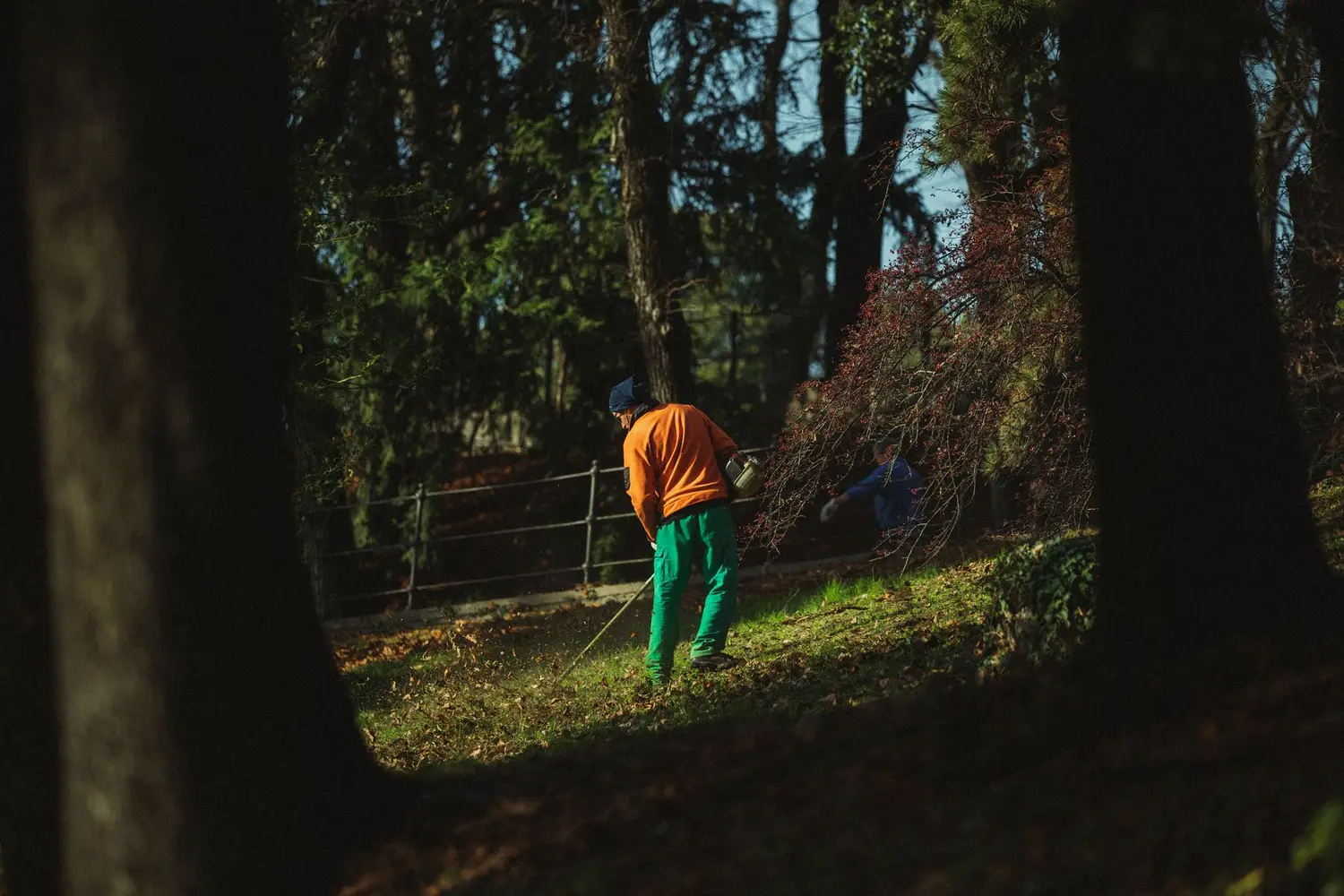
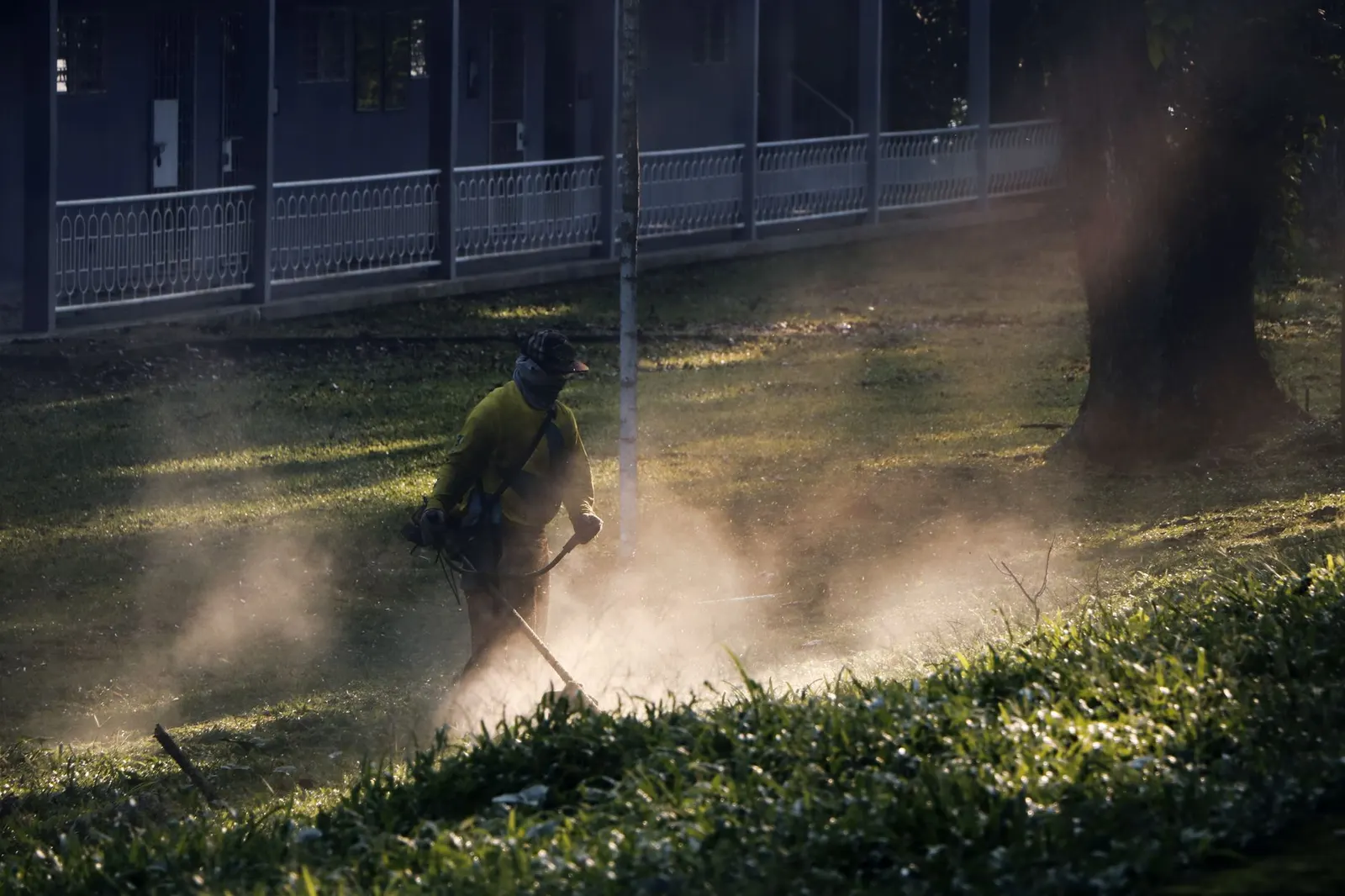
Landscapers mostly wear moisture-wicking polyester-blend tees or polos, often long-sleeve for sun and debris protection, in bright hi-vis or professional earth-tone colors. The shirt needs to breathe in the heat, hold up to dirt and repeated washing, and carry the company logo so the crew doubles as advertising.
In practice, most crews mix a few things. A performance tee is the everyday workhorse — light, breathable, and cheap enough to own a stack of. A polo steps it up for estimators, crew leads, or anyone talking to clients, since it reads more professional. And a long-sleeve tee or sun hoodie is the smart pick for peak summer — counterintuitive, but the right lightweight long sleeve keeps the sun off your arms and can actually feel cooler than baking bare-skinned all day. For the order itself — garments, pricing, and minimums — start on our custom landscaping shirts page.
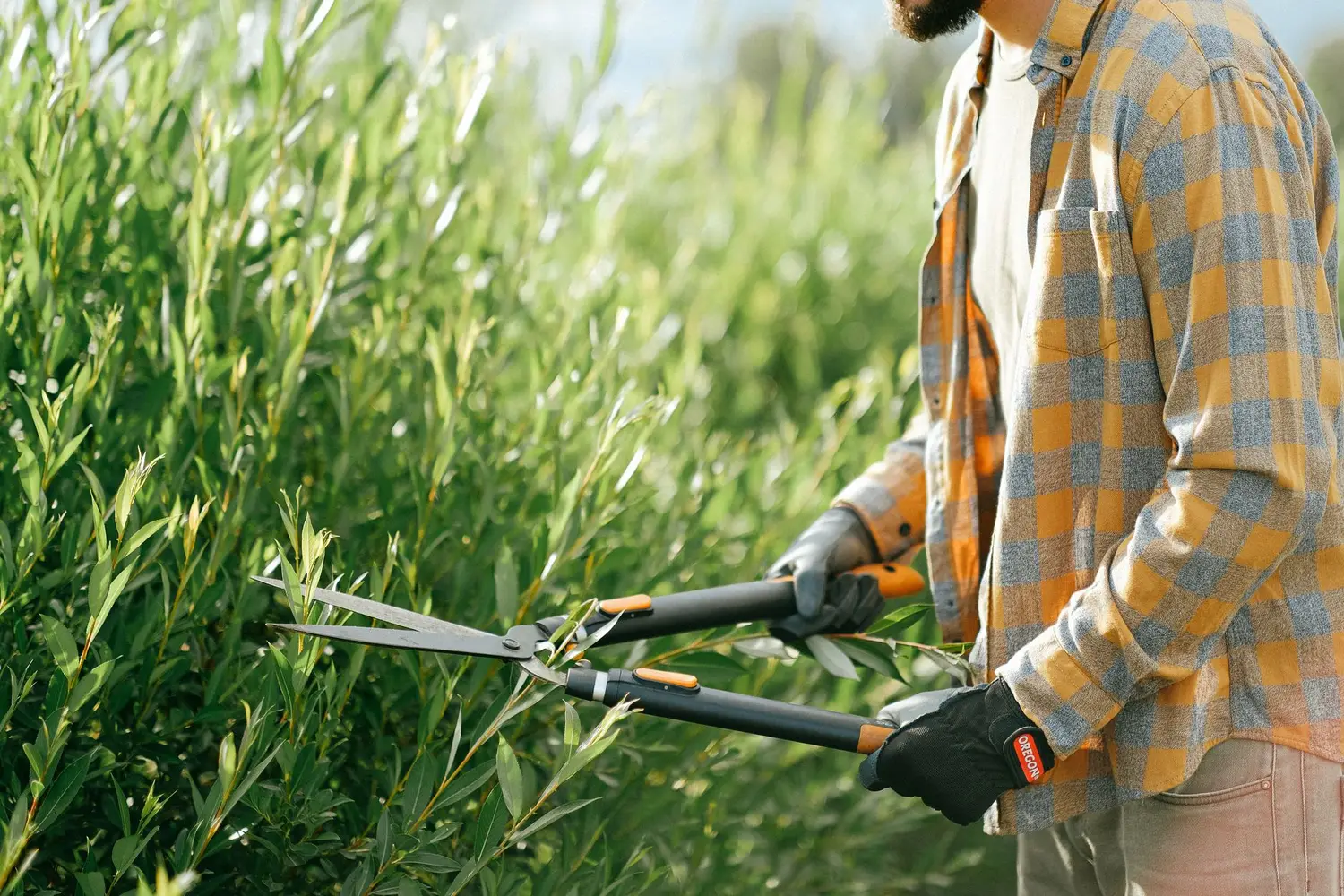
The best fabric and safety features for landscaping shirts
This is where the shirt earns its keep. A few things matter more than the rest:
Fabric: wick the sweat
Lightweight moisture-wicking polyester or poly-cotton blends are the sweet spot — they pull sweat off your skin, dry fast, and resist rips better than pure cotton. Cotton feels soft and breathes, but it soaks up sweat, stays heavy, and wears out faster under hard use. For all-day outdoor work in Arizona heat, a performance blend wins.
Sun protection
Long days in direct sun add up. Look for fabrics with a UPF rating, and don't sleep on long sleeves — a breathable UPF long-sleeve shirt protects arms from sun and scratches without cooking you. It's real protection, not just comfort.
Hi-vis for roadside crews
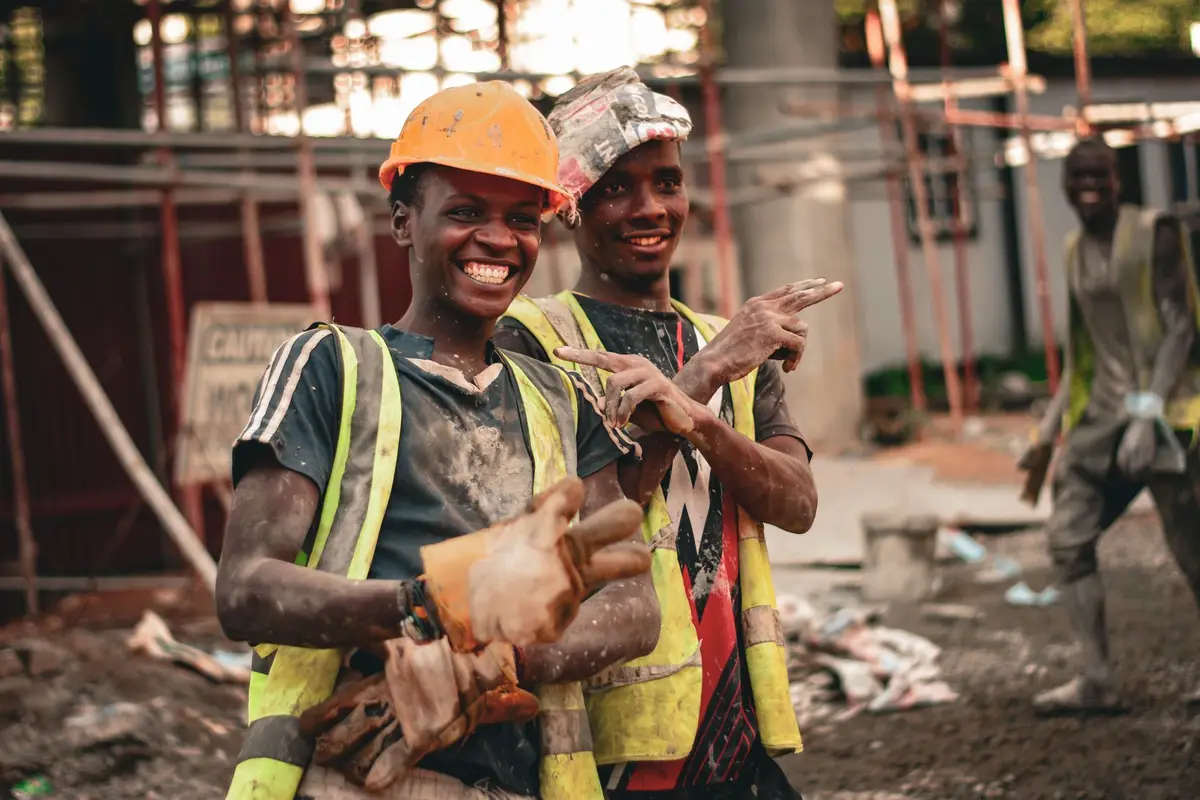
If your crew works near traffic — medians, roadside beds, parking lots — bright high-visibility yellow or orange isn't optional, it's safety. Hi-vis colors make your people easy to spot around cars and equipment. Even off the road, a bright shirt makes a crew look organized and easy to find on a big property.
Fit and safety
Skip the baggy tee. A close (not tight) fit keeps fabric from catching in mowers, trimmers, and blowers, and tucking in helps. It's a small thing that genuinely matters around spinning equipment.
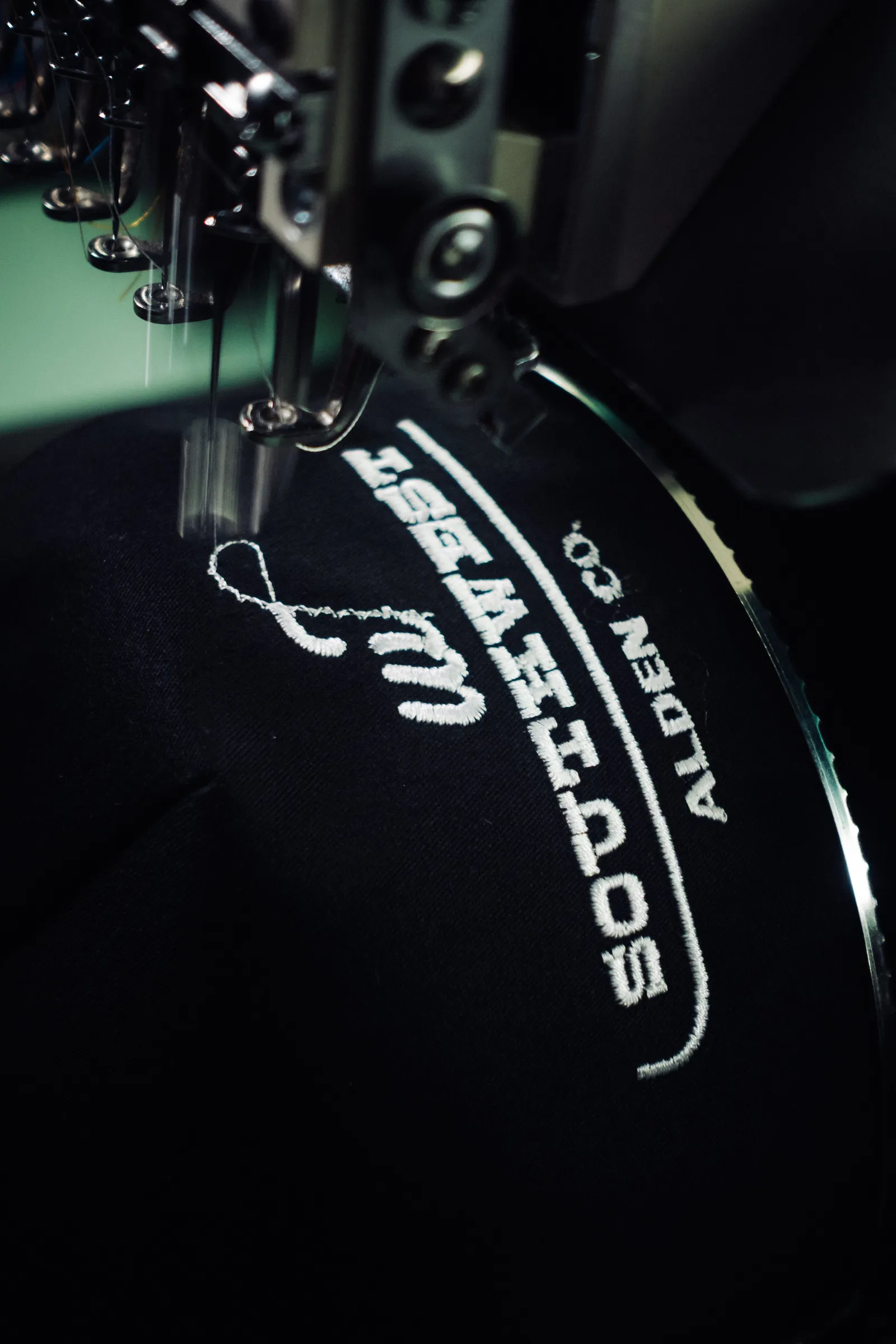
Design ideas: turn your crew into a moving billboard
The whole marketing value of a crew shirt comes down to the design. A few ideas that work:
Put your logo and company name on the left chest and go big on the back — a large back print with your name and phone number is readable from across a yard or a parking lot, and it's free advertising every job. Neighbors see who's doing the nice work next door and they've got your number. For colors, earth tones — green, tan, black — look clean and professional, while hi-vis adds safety; either way, keeping your design to one or two colors keeps the per-shirt cost down without looking cheap. And a matching, sharp-looking crew simply reads as *legit* — clients trust a uniformed team more than a group of guys in random tees, and that trust wins bids.
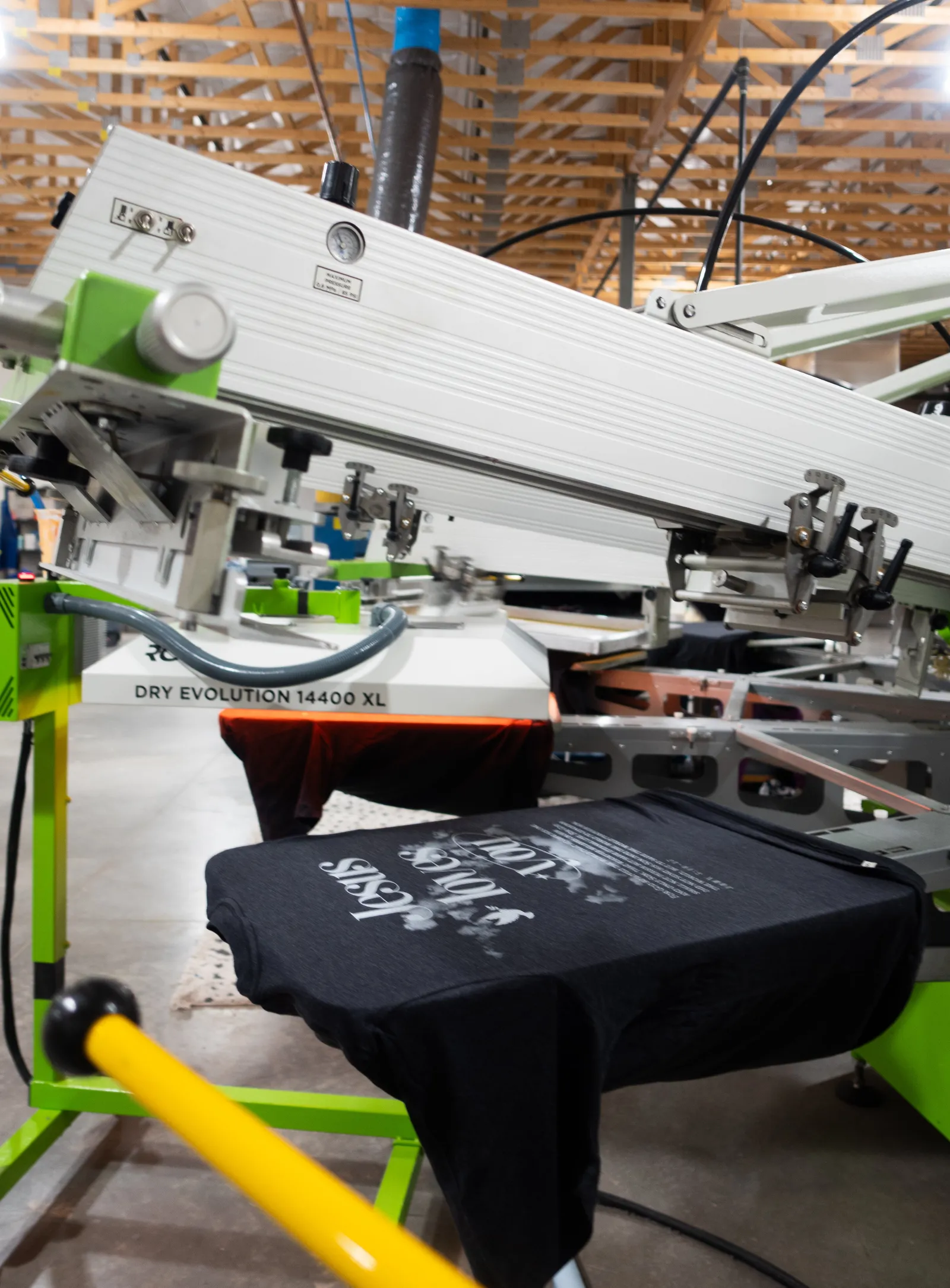
Embroidery, screen print, or DTF — what survives the job?
Landscaping shirts take a beating — sweat, dirt, sunscreen, and a lot of hot washes — so how the logo is applied matters as much as the shirt. Here's the honest breakdown:
Embroidery is the toughest and most professional-looking — stitched thread doesn't crack or fade, so it's the best call for polos, jackets, and hats you want to last. Screen printing is the most cost-effective for big runs of tees, laying down thick, durable ink that holds up well, especially with a reasonable color count. DTF printing handles full-color logos and smaller batches, and it sits nicely on performance fabrics where other methods struggle. For most crews we end up mixing: embroidered polos for the leads, screen-printed tees for the everyday. If one method's the smarter call for your logo and budget, we'll tell you straight.
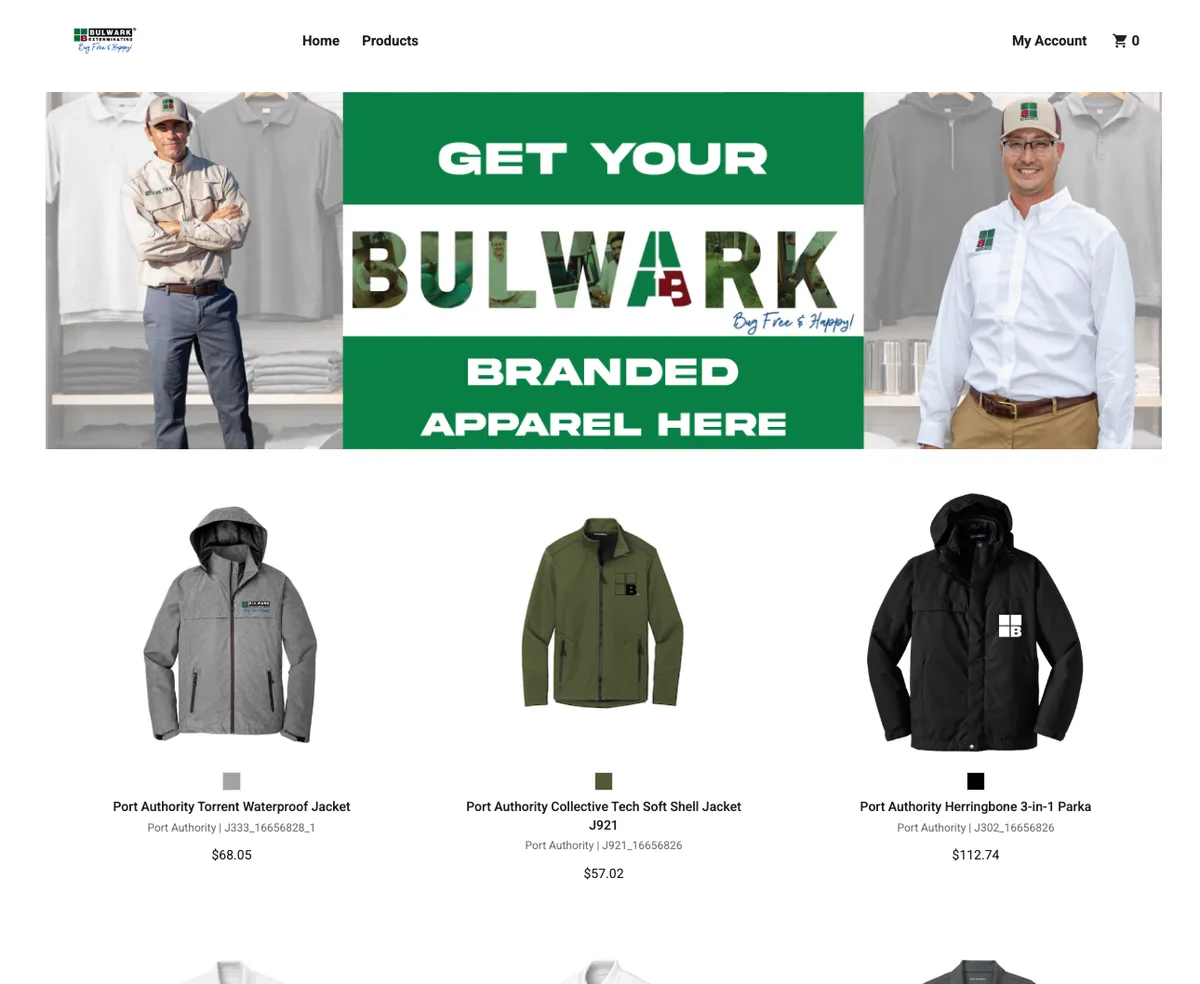
Set up easy reorders for your crew
Crews turn over and grow, especially seasonally, and nobody wants to re-run artwork every time they hire two people. The fix is an online company store: we load your approved designs and sizes, and your crew — or you — can reorder anytime from a link, no minimum, with the artwork already saved. New hire starts Monday? They've got their shirts by the end of the week.
For a one-time run, our minimums stay low and trade-friendly: screen printing starts at 48 pieces, embroidery at 24, and DTF at just 12 — and through a store there's no minimum at all. It's the same setup we build for HVAC, construction, and other trade crews who need gear on demand.
Custom landscaping shirts from Heart & Hook
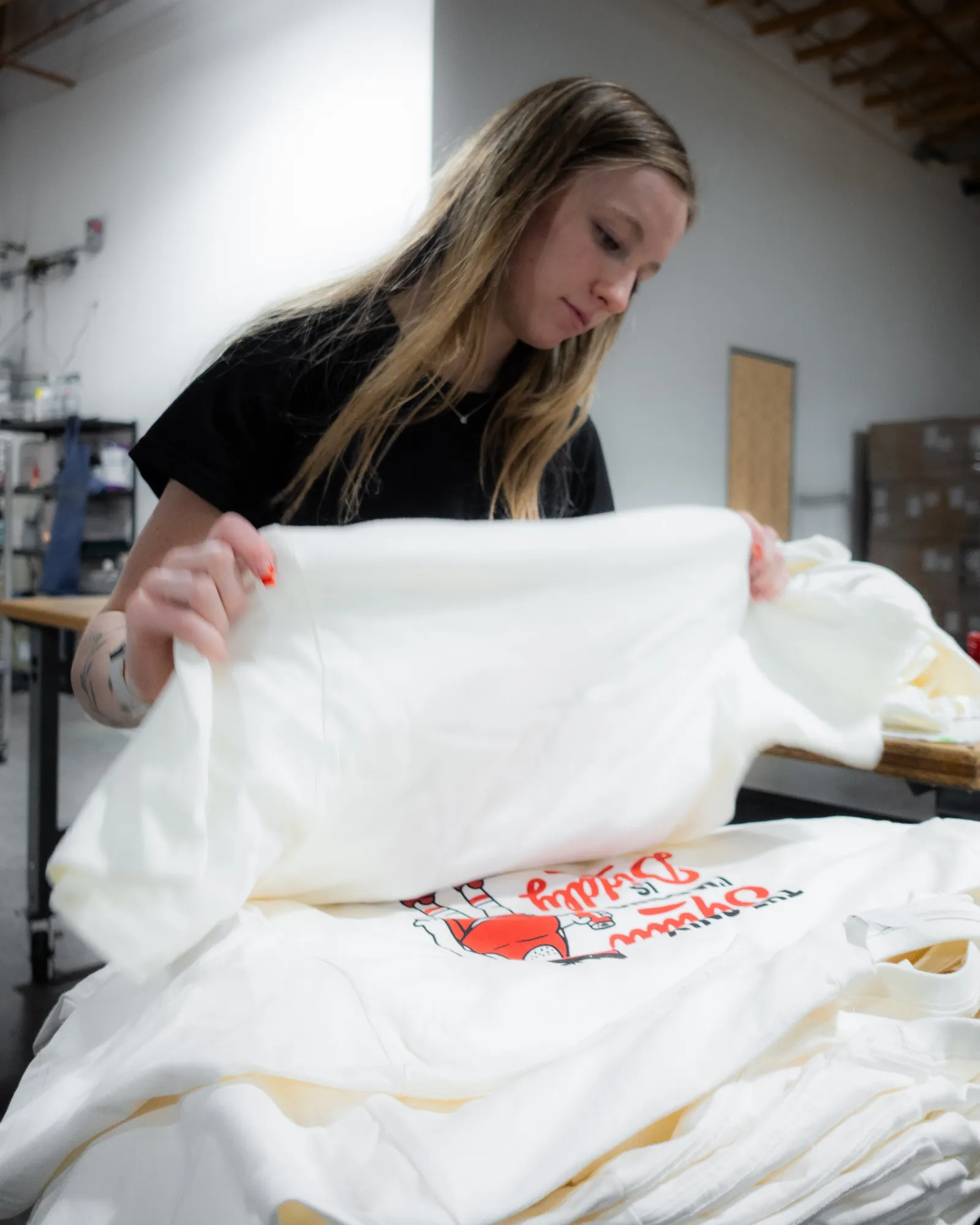
We outfit landscaping and lawn-care crews across Arizona — custom work shirts, performance tees, embroidered polos, hats, and hi-vis gear, all printed and stitched in our own Mesa shop and shipped anywhere. Low minimums, an online store for easy reorders, and honest advice on what'll actually hold up in the field.
Send us your logo and what your crew needs, and we'll come back with a free mockup and a clear quote — the garment, the colors, and the decoration method that fits the job. Just let us know what you've got in mind!
Frequently asked questions
- What shirts do landscapers wear?
- Mostly moisture-wicking polyester-blend tees or polos, often long-sleeve for sun and debris protection, in bright hi-vis or professional earth-tone colors. The shirt needs to breathe in the heat, resist dirt and repeated washing, and carry the company logo so the crew doubles as advertising.
- What is the best material for landscaping work shirts?
- Lightweight moisture-wicking polyester or poly-cotton blends are best — they wick sweat, dry fast, and resist rips. Pure cotton is soft and breathable but holds moisture and wears out faster, so it's less ideal for hard, all-day outdoor work in the heat.
- Why do landscapers wear bright or hi-vis colors?
- High-visibility yellow, orange, or green makes crews easy to spot near traffic and equipment, which is a real safety benefit for roadside and parking-lot work. Bright colors also make a crew look organized and easy to find on a large property.
- Should landscapers wear long sleeves or short sleeves?
- Long sleeves in breathable, UPF-rated fabric protect arms from sun, scratches, and debris and can feel cooler than bare skin in direct sun. Short sleeves are fine for lighter or shaded work — many crews keep both on hand.
- What should I put on a landscaping company shirt?
- Your logo and company name on the left chest, and a large back print with your name and phone number so the shirt advertises to everyone who sees the crew work. Keep it to one or two colors to hold down cost.
- Is embroidery or screen printing better for landscaping shirts?
- Embroidery is the most durable and professional-looking, ideal for polos, jackets, and hats. Screen printing is more cost-effective for big runs of tees, and DTF handles full-color logos and small batches. Many crews mix embroidered polos with screen-printed tees.
- How do I get custom shirts for my whole landscaping crew?
- Work with a shop that offers low minimums and, ideally, an online company store so your crew can reorder sizes anytime without re-doing artwork. Send your logo and a headcount and you'll get a proof and a quote to approve.
- What color shirts are best for a landscaping business?
- Earth tones like green, tan, and black look clean and professional, while hi-vis yellow or orange adds safety near roads. Limiting the design to one or two print colors keeps the per-shirt cost down.
- Do you have a minimum order for landscaping shirts?
- For a one-time run, screen printing starts at 48 pieces, embroidery at 24, and DTF at 12. Through an online company store there's no minimum at all, so crew members can order their sizes on demand as you hire.
- How do landscapers keep shirts from getting caught in equipment?
- Wear a close (not tight) fit rather than a baggy tee, and tuck it in. Snug, well-fitting shirts are far less likely to catch on mowers, trimmers, and blowers.
Need uniforms for your crew?
Tell us how many people need gear and what they wear on the job. We'll send a free logo mockup and a quote, and keep your logo on file so every reorder matches.
Get a free uniform quote