A practical guide to electrician uniforms and company shirts — when arc-rated clothing is required, which fabrics are genuinely dangerous on an electrical job, what hi-vis class you need, and the part most shops get wrong: how to brand FR gear without voiding its rating.
Electrician uniforms are the one trade uniform where getting it wrong isn't just a look problem. The wrong shirt on the wrong job can genuinely make an injury worse — which is why this guide starts with the safety side and gets to the logo second.
We outfit trade crews across Arizona, and electrical is the one where we ask the most questions before we quote. Here's what actually matters, in the order it matters.
What do electricians wear?
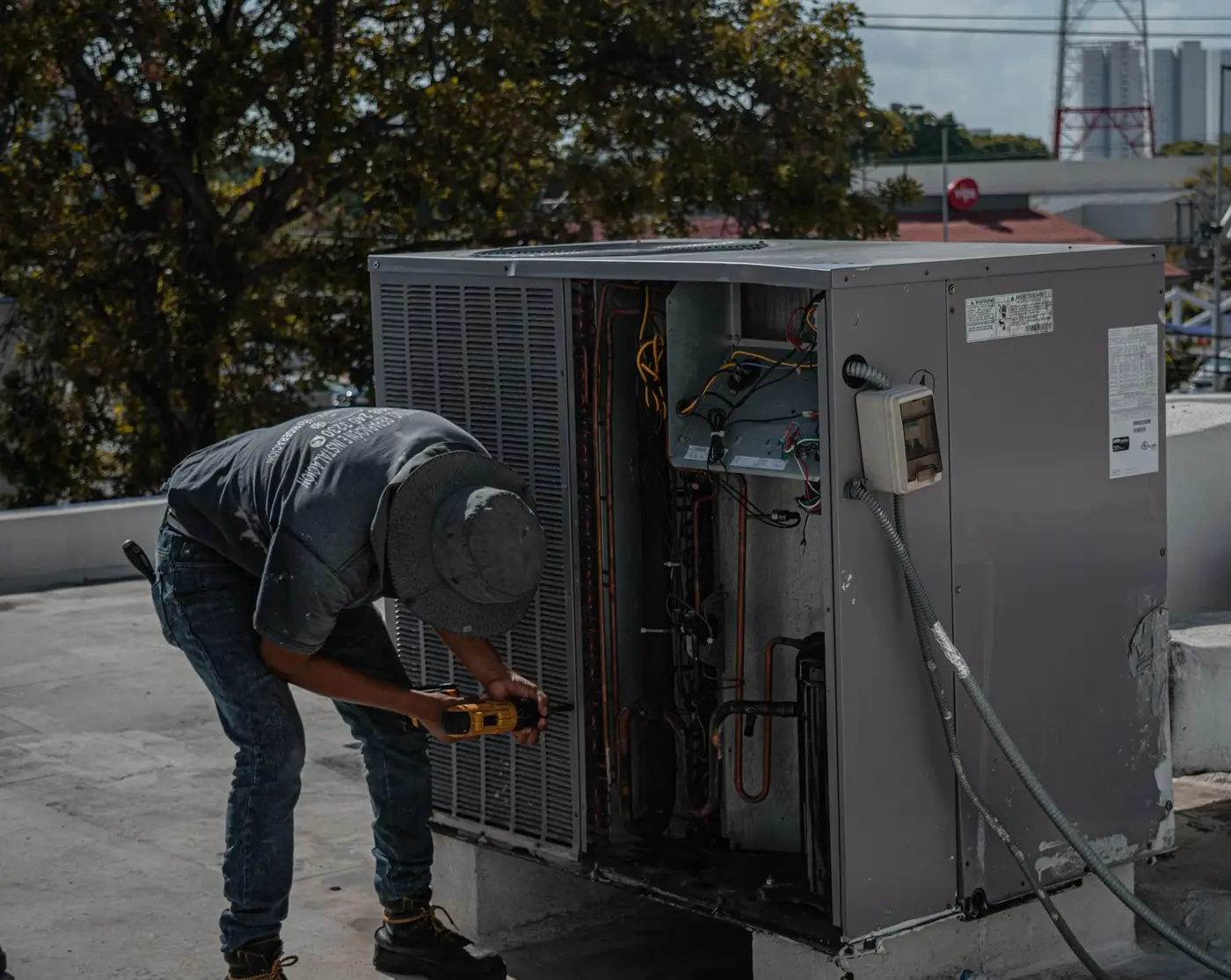
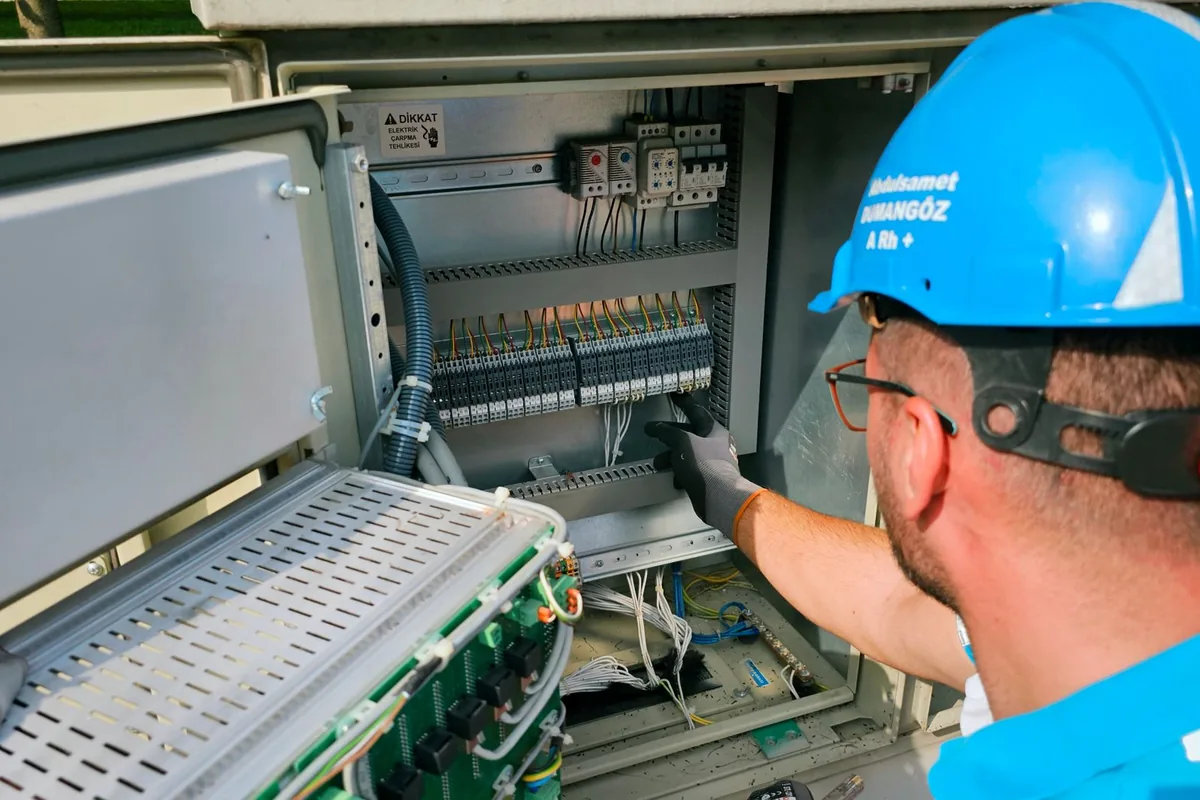
Most electricians wear a long-sleeve work shirt, durable work pants, and non-conductive safety-toe boots — and on any job with an arc flash hazard, that clothing has to be arc-rated. Company logo shirts are standard for service and residential work; industrial and utility crews add FR gear, hi-vis, and task-specific PPE.
The split most companies land on is worth naming up front, because it decides your whole apparel budget: Ready to outfit a crew? Garments, FR decoration rules, and pricing are on our electrician shirts page.
Residential and light commercial service crews usually wear standard branded work shirts — a polo or a button-up with the company name — plus normal work pants and boots. Industrial, utility, and anyone opening energized equipment wears arc-rated clothing as their daily uniform, with additional PPE layered on by task.
Plenty of companies run both, because a residential service tech and a commercial crew lead don't face the same hazards. That's normal, and it's fine — as long as the line between the two is deliberate rather than accidental.
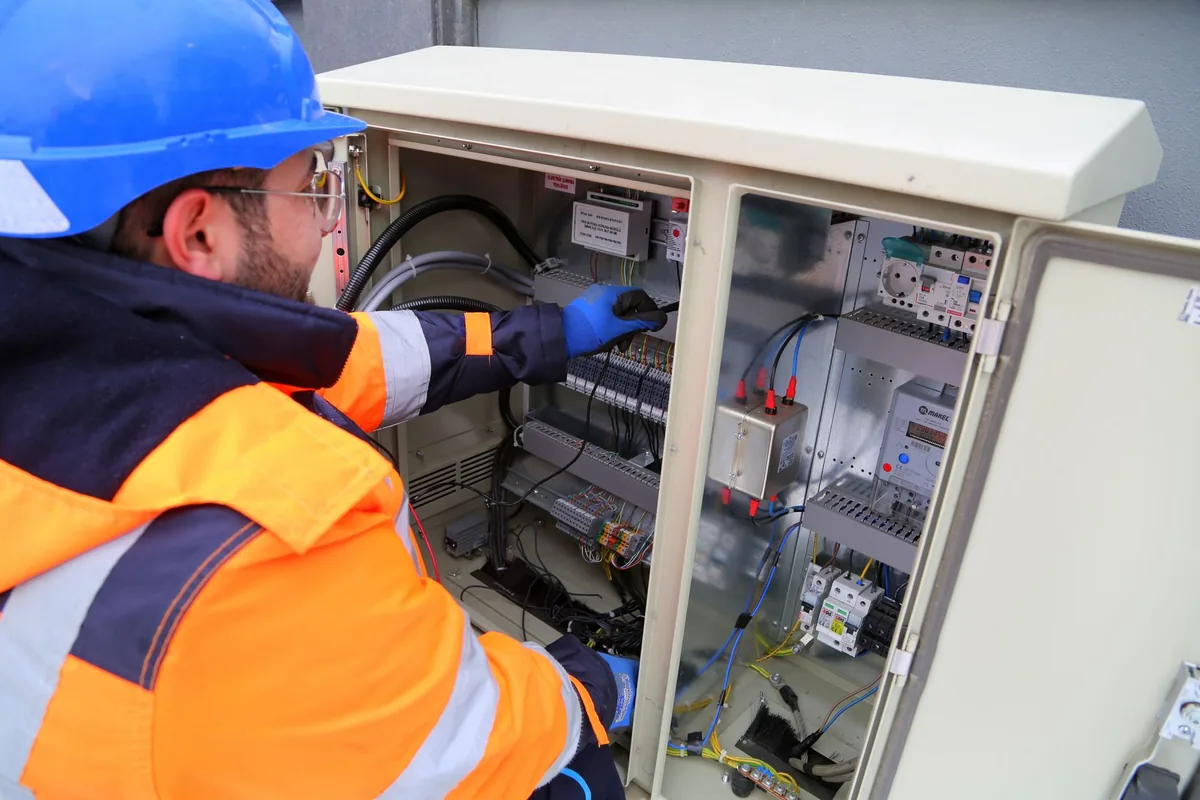
When arc-rated clothing is required
This is the part worth getting right, and it isn't really our call as an apparel shop — it's set by your hazard assessment. But here's the shape of it so you know what to ask.
NFPA 70E is the standard that governs electrical safety in the workplace, and it requires arc-rated clothing wherever an arc flash hazard exists. OSHA doesn't publish its own clothing spec for most work, but it enforces the general duty to protect workers, and its electric power standards prohibit clothing that could increase the extent of injury.
Arc-rated garments are tested to ASTM F1506 and carry an arc rating in cal/cm² — the energy the fabric can take before the onset of a second-degree burn. NFPA 70E groups requirements into PPE Categories 1 through 4, with minimum arc ratings of roughly 4, 8, 25, and 40 cal/cm² respectively. Your incident-energy analysis determines which category a given task falls into.
Two practical notes. First: "FR" and "arc-rated" aren't identical. All arc-rated clothing is flame-resistant, but not all FR clothing has been tested and rated for arc flash. If the job calls for an arc rating, the label needs to show one. Second: the rating is for the whole system, so a rated shirt over a meltable undershirt is not a rated outfit.
The fabrics that are genuinely dangerous
This one deserves a blunt paragraph, because it's the mistake that shows up on real job sites.
Polyester, nylon, acetate, and rayon melt. Under arc flash heat they don't just burn — they liquefy and adhere to skin, which turns a burn into a much worse burn. That's why they're prohibited where an arc flash hazard exists, either alone or blended in meaningful amounts. It's also why the cheap moisture-wicking poly polo that's perfect for a landscaping crew is the wrong shirt for an electrician on energized work.
Untreated cotton doesn't melt, but it does burn and keep burning, so it isn't a substitute for rated clothing either. It's fine for a residential service tech with no arc flash exposure; it is not FR.
The fabrics that do the job fall into two camps. Treated cotton and cotton blends are FR by chemical treatment — comfortable, familiar, generally the cheaper route, and the treatment is engineered to last the garment's life when it's laundered correctly. Inherently FR fibers like the aramids (Nomex and its relatives) and modacrylic blends have the protection built into the fiber itself, so it can't wash out. They cost more and tend to be lighter, which matters a lot in an Arizona summer.
Both are legitimate. The choice usually comes down to budget, comfort in your climate, and how your gear gets laundered — industrial laundering has its own requirements, and home washing FR gear with fabric softener or bleach can degrade it.
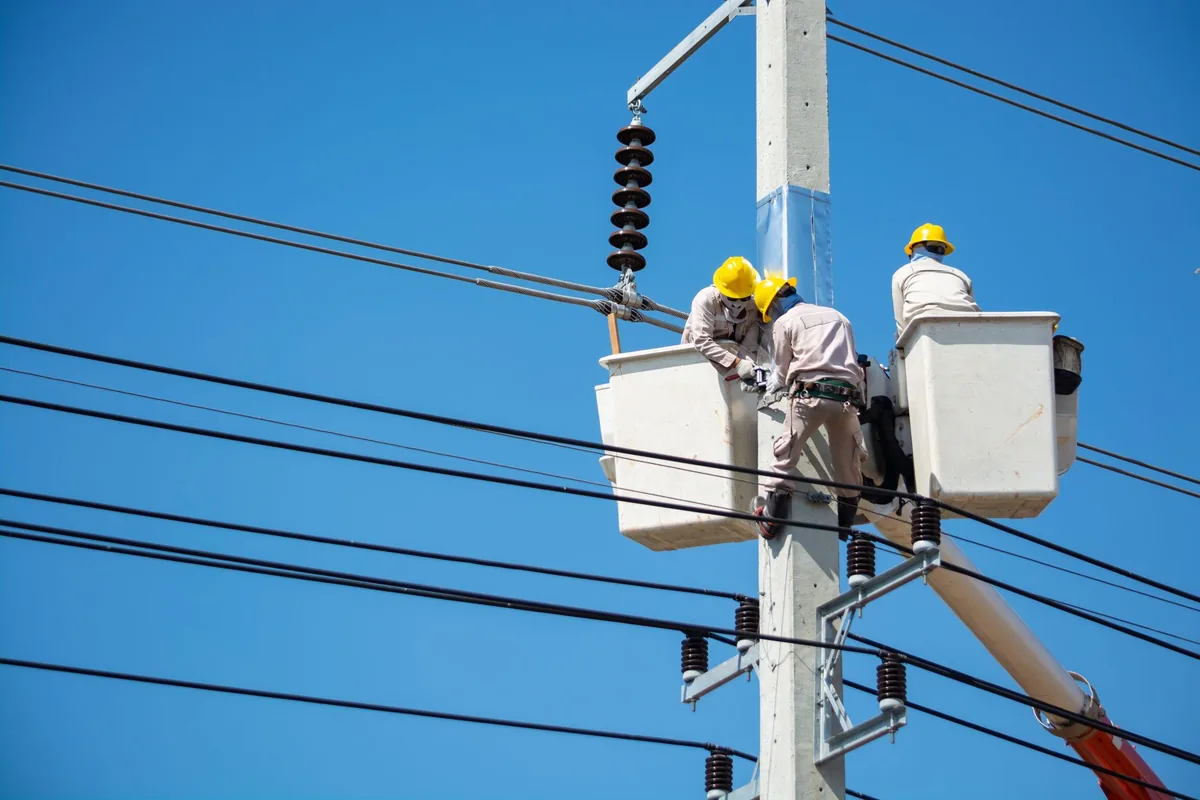
Hi-vis: which class you actually need
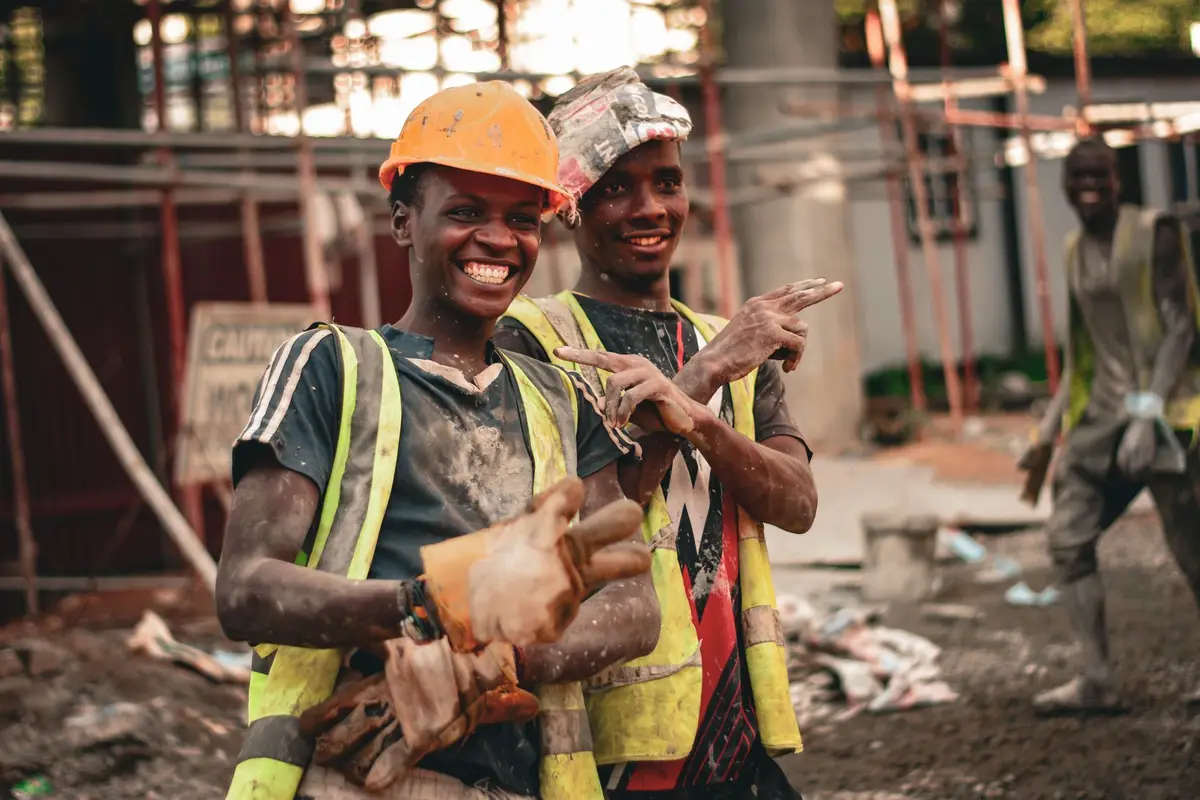
If your crews work near moving traffic or on sites that require it, high-visibility apparel isn't a style choice — the general contractor, the utility, or the roadway sets the requirement. Worth asking before someone gets turned away on a Monday morning.
Hi-vis is graded under ANSI/ISEA 107. Class 2 covers most work near traffic and is what the majority of crews need. Class 3 adds sleeves and more background material for higher-speed roadways and low-light work. There are also Types — Type R for roadway, Type O for off-road, Type P for emergency responders.
The important overlap: if you need both arc protection and high visibility, you need a garment rated for both. A hi-vis vest thrown over arc-rated clothing can defeat the purpose if the vest itself is meltable polyester. FR hi-vis exists specifically for this, and it's what to buy.
One decoration rule that applies to all of it: the logo has to stay off the reflective striping. Covering the tape reduces the garment's visibility and can void its rating.
The garment lineup
What most electrical companies end up stocking, by role:
Long-sleeve work shirts are the daily driver — button-up or henley style, in FR where required. Long sleeves get requested more than people expect, and not only for arc protection: sun exposure over an Arizona season is its own problem.
Polos for service techs and anyone customer-facing on residential work, where the hazard assessment allows a standard garment. This is where a lot of electrical companies spend their apparel budget, because it's what the homeowner sees.
Work pants with reinforced knees, in FR for rated work. Outerwear — FR jackets, hoodies, and softshells for winter mornings and cold job sites, rated to match the shirt underneath. Caps and beanies for the crew. And the PPE that isn't apparel: Class E hard hats rated for electrical work, safety glasses, insulating gloves with the right class rating, and non-conductive safety-toe boots.
A setup that works well: branded polos and standard shirts for the residential side, a rated FR shirt-and-pant kit for the commercial and industrial crews, and outerwear in both. Same logo, same colors, so the company still reads as one company.
Putting your logo on FR gear without voiding the rating
Here's the part most apparel shops don't tell you, and it's the reason we ask what garment you're bringing us before we quote a decoration.
You can't decorate arc-rated clothing the way you'd decorate a normal shirt. A rated garment is certified as a system, and adding non-rated material to it can compromise that. In practice that means:
Heat-transfer vinyl and standard screen printing are generally out on arc-rated garments unless the process is specifically approved for FR use. A vinyl logo is a patch of meltable plastic sitting on top of protective fabric, which defeats the point.
Embroidery is usually the accepted route — but the manufacturers who make the garment publish emblem policies covering the thread, the size, the placement, and the backing. Many require FR or aramid thread rather than standard polyester embroidery thread, and most cap the logo size and restrict where it can go.
The garment maker's policy is the authority here, not the decorator's opinion. Brands like Bulwark, Carhartt FR, and Tyndale each publish their own rules, and they don't all match. Before we put a needle in anything arc-rated, we pull that manufacturer's emblem guidance and follow it — and if a job needs FR thread, that's what it gets. If you're unsure whether your gear is rated, check the label: an arc-rated garment will state its arc rating and reference ASTM F1506.
For non-rated shirts and polos on the residential side, none of this applies — decorate them like any other work shirt. It's only the rated gear that has rules.
Where the logo goes on an electrician shirt
The layout that works is the same one that works for every trade, and there's no reason to get clever with it.
Left chest carries the company mark, about 3 to 4 inches wide. The back is where the marketing happens — company name big enough to read from a driveway, and that's mostly it. Resist the urge to add four service lines and a phone number; a homeowner reads one thing from thirty feet, not five.
Names on the opposite chest are the highest-value addition on an electrician's shirt specifically. Someone letting a tech into their house relaxes when the shirt has a name on it. It costs very little and it does real work.
Your license number goes small and low on the back if your state wants it visible — not in the main lockup. And embroidery is the right method for polos and work shirts: stitched thread doesn't crack, peel, or wash out, and it handles the abuse a trade shirt takes better than anything printed. For bulk crew tees where there's no FR requirement, screen printing is cheaper past 48 pieces.
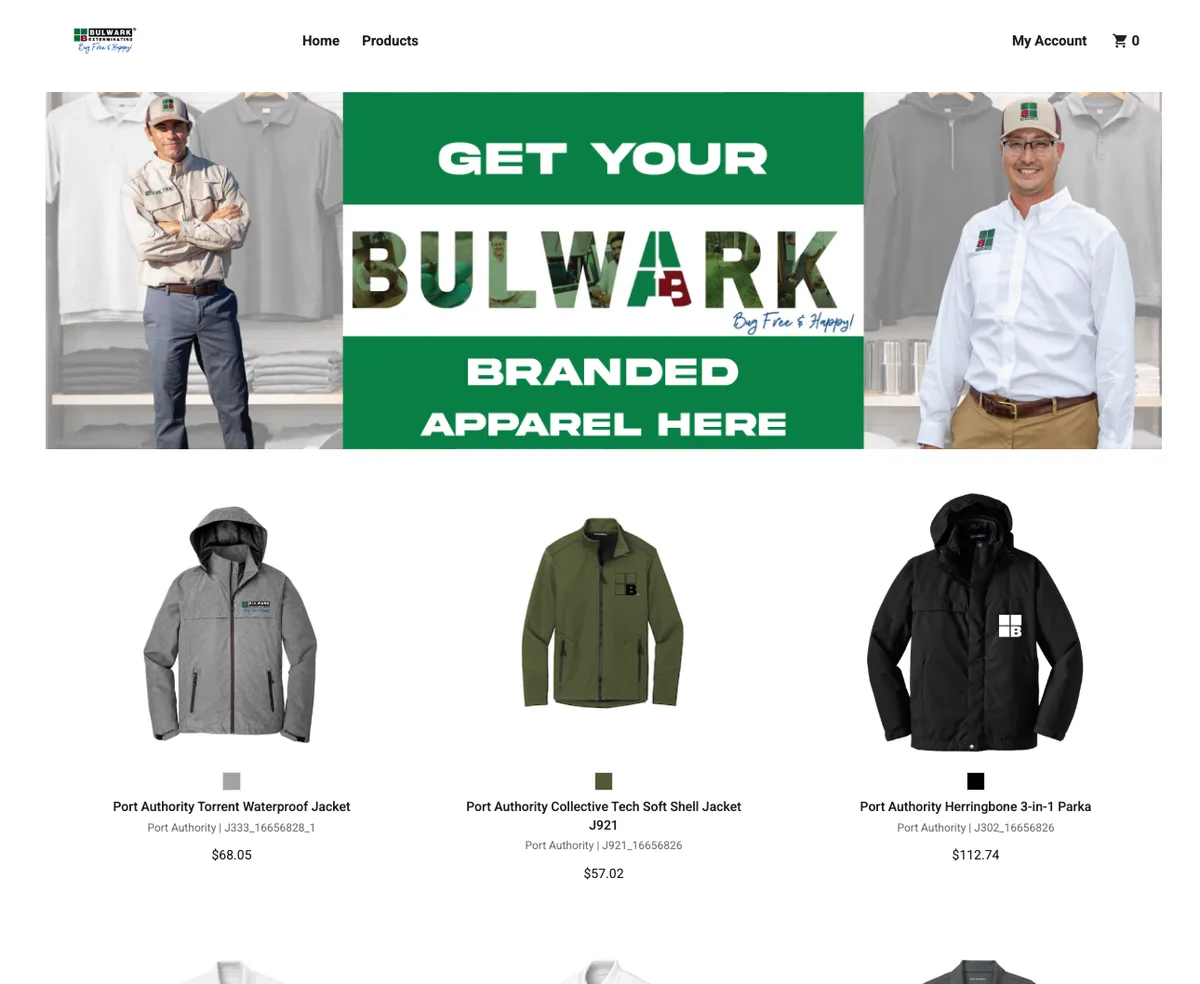
Running it as a program, not a box of shirts
Electrical companies hire in waves, and the usual bulk-order rhythm never matches it. You outfit the crew in January, land a project in April, and now you need eleven more shirts in the right sizes with the same logo.
An online company store is the fix. Your approved garments, your logo, and your thread colors sit at a private link, and anyone can order their own size with no minimum at all. New hires get outfitted the day they start, and their gear matches what the crew already has because it's stitched off the same saved file.
It's also the cleanest way to handle the FR-versus-standard split. Each role sees the gear approved for their work, so nobody accidentally orders a poly polo for a job that needs an arc rating. If you want allowances, per-role kits, and company-paid checkout on top of that, that's a uniform program, and we set those up end to end.
For one-time runs our minimums stay trade-friendly: screen printing starts at 48 pieces, embroidery at 24, and DTF at 12. Digitizing your logo is included when you order through a store or hit those minimums, so most crews never see a setup fee at all.
Getting your crew outfitted
Tell us what your crews actually do — residential service, commercial, industrial, or some of each — and whether any of it needs an arc rating. That one answer changes the whole recommendation, and it's the question we'd rather ask before the quote than after the order.
From there we'll come back with garment options, a free mockup, and a straight quote. Everything is stitched and printed in our own Mesa shop, and if your gear is rated we'll follow the manufacturer's emblem policy to the letter. We do the same for HVAC, construction, and plumbing crews across Arizona. Send us your logo whenever you're ready!
Frequently asked questions
- What do electricians wear for work?
- A long-sleeve work shirt, durable work pants, and non-conductive safety-toe boots, plus a Class E hard hat and safety glasses. On any job with an arc flash hazard the clothing has to be arc-rated. Residential service techs commonly wear branded polos or button-ups where no arc hazard exists.
- Do electricians have to wear FR clothing?
- Wherever an arc flash hazard exists, yes — NFPA 70E requires arc-rated clothing, and your incident-energy analysis sets the PPE category. Residential and light commercial work with no arc flash exposure often doesn't require it. The hazard assessment decides, not the job title.
- What's the difference between FR and arc-rated clothing?
- All arc-rated clothing is flame-resistant, but not all FR clothing has been tested for arc flash. Arc-rated garments are tested to ASTM F1506 and carry a rating in cal/cm². If the task requires an arc rating, the garment label needs to show one — "FR" alone isn't enough.
- Can electricians wear polyester shirts?
- Not on work with an arc flash hazard. Polyester, nylon, acetate, and rayon melt under arc flash heat and adhere to skin, which makes burns significantly worse. That's why they're prohibited in those environments — including as an undershirt beneath a rated garment.
- Can you put a logo on FR or arc-rated clothing?
- Yes, but it has to follow the garment manufacturer's emblem policy. Embroidery is usually the accepted method, often requiring FR or aramid thread with limits on logo size and placement. Heat-transfer vinyl and standard screen printing are generally not permitted on rated garments.
- What hi-vis class do electricians need?
- Class 2 covers most work near traffic; Class 3 adds sleeves for higher-speed roadways and low-light conditions. The site, utility, or roadway usually sets the requirement. If you need arc protection too, buy FR hi-vis — a meltable polyester vest over rated clothing defeats the purpose.
- What should go on an electrician company shirt?
- Company mark on the left chest at 3 to 4 inches, company name large across the back so it reads from a driveway, and the tech's name on the opposite chest. Keep the back simple — one readable thing beats five. Add your license number small and low if your state requires it visible.
- Is embroidery or screen printing better for electrician shirts?
- Embroidery for polos, work shirts, and outerwear — stitched thread doesn't crack, peel, or wash out, and it's the method FR manufacturers generally accept. Screen printing is cheaper for bulk crew tees past 48 pieces, but it's usually not permitted on arc-rated garments.
- How do I outfit new electricians without reordering in bulk?
- An online company store keeps your approved garments, logo, and thread colors on file so anyone can order their size on demand with no minimum. It also lets you separate FR and standard gear by role, so nobody orders a non-rated shirt for a job that needs an arc rating.
- How much do custom electrician shirts cost?
- It depends on the garment more than the decoration — FR and arc-rated blanks cost considerably more than standard work shirts. An embroidered logo on a mid-range polo lands in the low-$20s per piece all in; rated FR gear runs higher. Send us the garment and headcount for a real number.
Need uniforms for your crew?
Tell us how many people need gear and what they wear on the job. We'll send a free logo mockup and a quote, and keep your logo on file so every reorder matches.
Get a free uniform quote