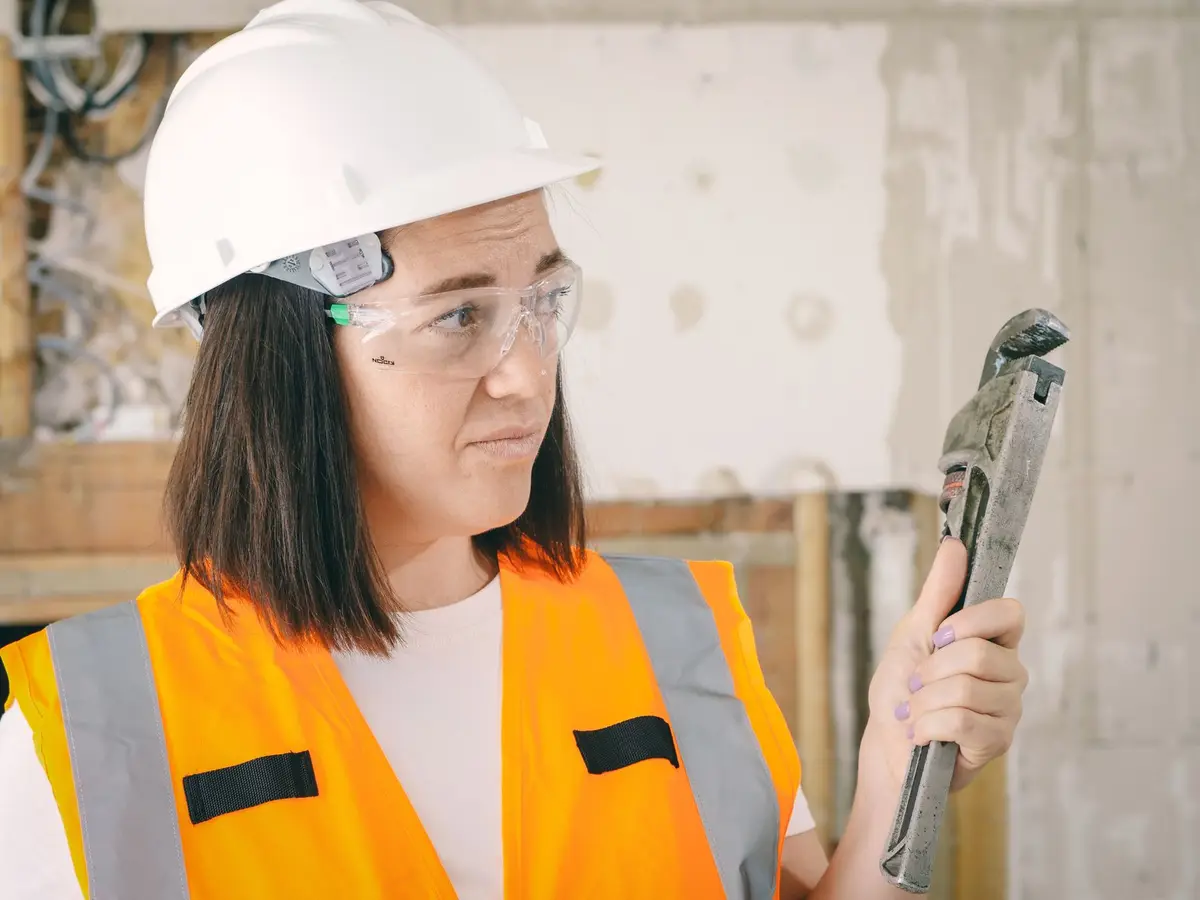
A plumbing shirt has to look clean in someone's kitchen and survive drain cleaner in a crawlspace. Here's what actually works: the right styles, the fabrics and colors that hold up, what to put on the shirt, and how to outfit new techs fast.
Plumbing is one of the few trades where the shirt is part of the sale. Your tech walks into somebody's kitchen, and in about three seconds the homeowner decides whether they're looking at a company or a guy. A clean, matching, logoed shirt closes that gap before anyone says a word.
It also has to survive a crawlspace, a water heater, and a splash of drain cleaner. Those two demands pull in opposite directions, which is why so many plumbing companies end up with shirts that either look sharp for a month or look rough from day one. Here's how to get both — the styles that work, the fabric and color that hold up, what to put on the shirt, and how to keep new techs in gear.
What should a plumbing company put on its shirts?
Put an embroidered logo and company name on the left chest, the tech's first name opposite or on the sleeve, and a large back print with your name and phone number. Choose a navy or charcoal polo or performance tee — dark colors hide the day, and embroidery survives chemicals that would lift a printed transfer. Outfitting the whole crew? Our plumber uniform page covers what we make for plumbing companies, minimums, and how reorders work.
The first-name detail matters more in plumbing than almost any other trade, because your tech is standing in someone's home. A name on the chest turns a stranger into a person, and it's the single cheapest trust upgrade on the shirt. The back print is your advertising — a van in a driveway plus a readable shirt is how neighbors learn your number.
The best shirt styles for plumbers
Most plumbing companies run two or three of these, not one.
Polos: the default for service techs
A collar reads as professional in a customer's home, which is why polos are the standard for residential service. Look for a performance or cotton-poly pique with some stretch — plumbers spend the day crawling under sinks and into closets, and a rigid shirt rides up at exactly the wrong moment. Snag-resistant fabrics are worth the small upcharge around fittings and pipe hangers.
Performance tees: for new construction and rough-in
On new-construction and commercial rough-in work nobody's meeting a homeowner, and a moisture-wicking tee is cooler and cheaper to replace. Keep the same logo treatment so the crew still looks like one company.
Work shirts: the classic look
A button-up mechanic-style shirt with an embroidered name patch is still one of the sharpest looks in the trade, and the heavier twill shrugs off abrasion. It's warmer, so it plays better October through April in Arizona and year-round in cooler states.
Long sleeves and outerwear
Give the crew a long-sleeve option for scrapes and cold morning calls, and a light jacket or hoodie for winter. If you offer a sweatshirt, crew necks are the safer call — a hood is one more thing to catch in a tight space.
Fabric and color: what survives drain cleaner
Two decisions do most of the work here, and both are cheap to get right.
Go dark — navy is the industry favorite for a reason
Navy, charcoal, and black hide grease, rust water, and the general residue of a service day. A tech in navy still looks presentable on the fourth call; the same tech in light gray looks like he's been through it. If you want brand color, put it in the logo and the trim rather than the whole shirt.
Blends and performance fabrics beat pure cotton
A poly-cotton blend or a performance knit dries faster, resists snags, and holds its shape through frequent washing. Pure cotton is comfortable but absorbs everything and wears thin under a tool belt. One honest caveat that applies to everyone: most fabrics lose to concentrated drain chemicals. Sodium hydroxide and sulfuric acid drain openers will eat holes in cotton and discolor almost anything, so treat any shirt as consumable and keep a couple of spares in the van.
Skip cheap iron-on transfers
Vinyl and low-grade heat transfers are the ones that peel, crack, and lift when they meet solvents and hot washes. If you want the logo to still look right in a year, embroider it — or use a proper DTF transfer, which is heat-pressed into the fabric rather than sitting on top like a sticker.
Plumbing shirt design ideas
The best plumbing shirt designs are simple and legible, because they're read fast and from a distance. Keep the left chest logo around 3.5 inches wide — big enough to read, small enough to look like a uniform. On the back, go wide and bold with your company name and phone number; a homeowner three houses down should be able to read it from the sidewalk.
Worth adding: your license number under the logo (in plumbing, licensed and insured is the whole pitch), 24/7 emergency service if you offer it, and a short, plain tagline instead of a clever one. Wrenches, pipes, and water drops are the standard icons for a reason — they read instantly at small sizes and in one color.
One thing to be careful with: the plumbing t-shirt world is full of joke designs, and the crack jokes write themselves. They're fun for a shop tee or a giveaway, but keep them off the shirt your tech wears into a customer's home. Save the humor for the crew shirt and let the uniform be the uniform.
Color-coding helps once you're past a few trucks: one color for service techs, another for installers, another for supervisors. Dispatch can tell who's who in a photo, and so can the customer.
Embroidery, screen print, or DTF for plumbing shirts?
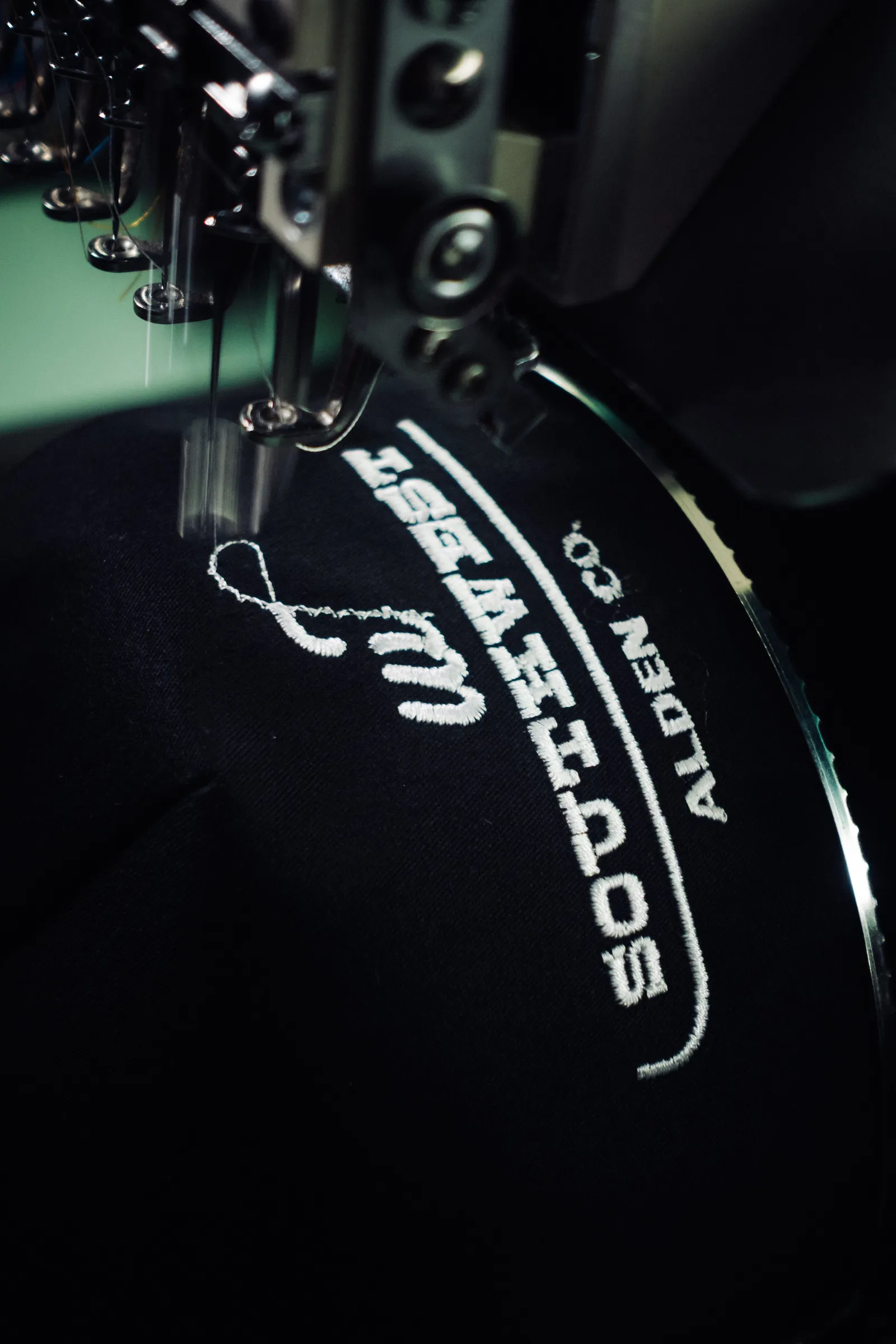
Embroidery is the default for plumbing. Stitched thread doesn't crack, peel, or wash out, it looks the most professional on a polo or work shirt, and it handles the chemical and heat exposure better than anything printed. Digitizing your logo is a one-time cost, so every reorder after the first skips that step.
Screen printing is the cost-effective choice for large back prints and big tee runs — thick, durable ink, and the price per shirt drops fast past 48 pieces. DTF covers everything in between: full-color logos, small batches, names, and performance fabrics that don't take traditional plastisol well. A lot of our plumbing customers run embroidered chests with a screen-printed or DTF back print on the same shirt, which is the best of both.
Outfitting new techs without the reorder headache
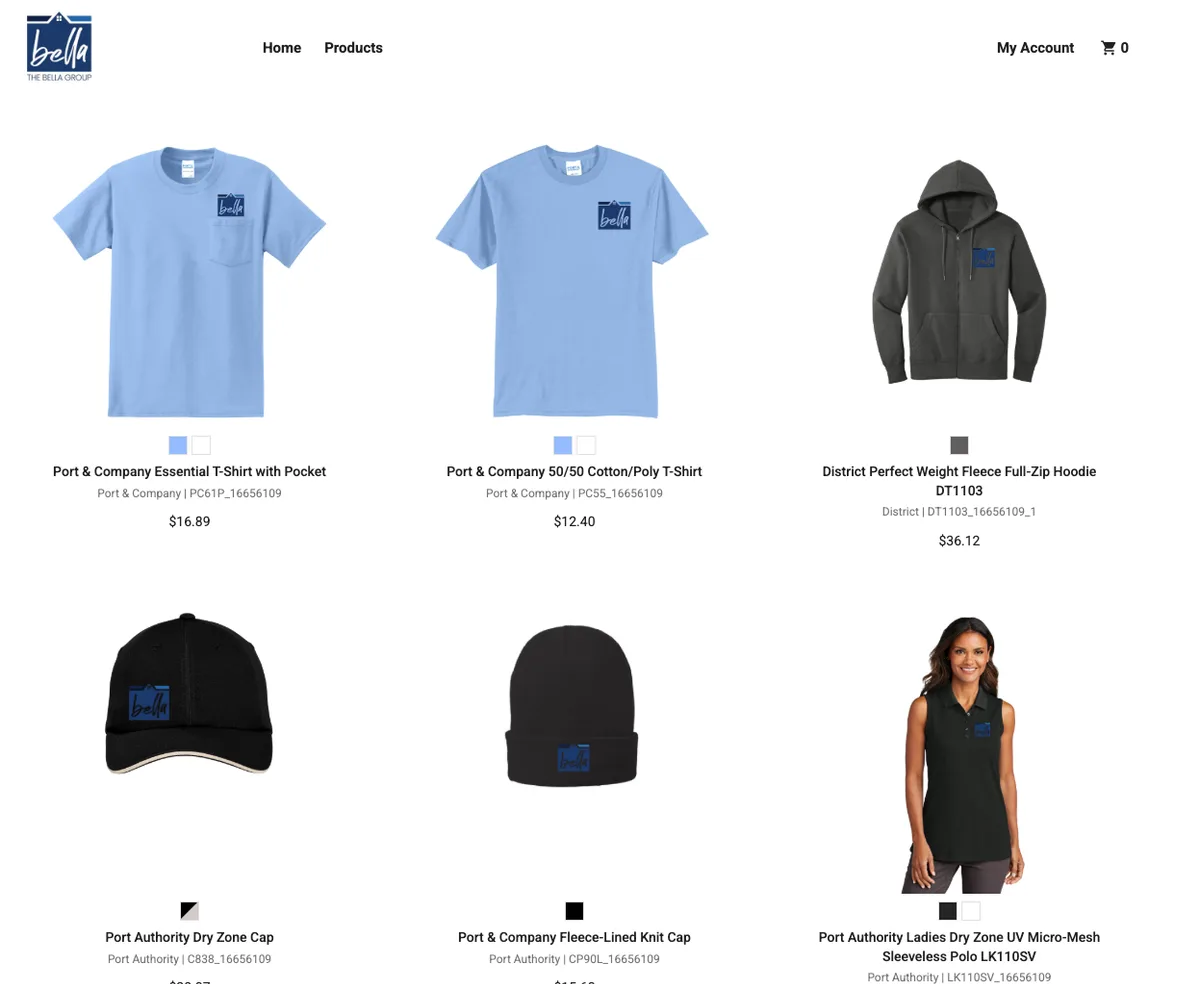
Service companies hire year-round, and nobody wants to re-run artwork for two shirts. An online company store fixes it: your approved logo, garments, and sizes stay loaded, and techs order from a link whenever they need gear — no minimum, no setup repeated, no digging for last year's art file. Run it on the company card or give each tech an annual allowance.
For one-time runs our minimums are trade-friendly: screen printing at 48 pieces, embroidery and DTF at 12, and no minimum at all through a store. If you'd rather formalize it with allowances and per-role gear lists, that's exactly what a uniform program is — and we walk through the setup in our employee uniform program guide.
One more reason it's worth doing well: plumbing is a growing trade, with the Bureau of Labor Statistics projecting steady demand for plumbers and pipefitters. If you're hiring, the uniform is part of what makes the job feel like a real company to work for.
Custom plumbing shirts from Heart & Hook
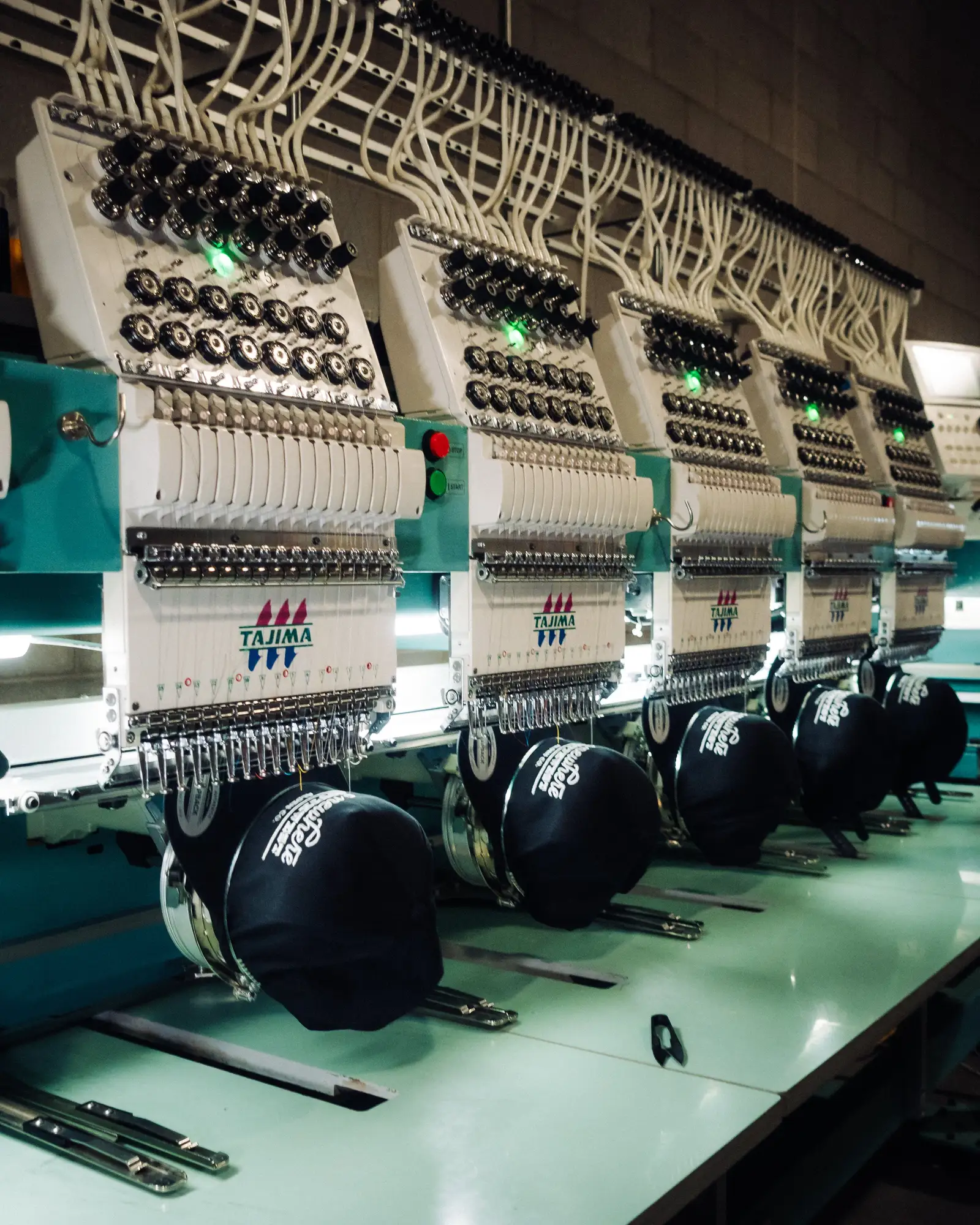
We outfit plumbing, HVAC, and trade service companies across Arizona and ship anywhere — embroidered polos, custom work shirts, performance tees, hats, and jackets, all decorated in our own Mesa shop. Low minimums, an online store for reorders, and a straight answer when a garment's on backorder instead of silence.
Send us your logo and how many techs you're outfitting, and we'll come back with a free mockup and a clear quote — garment, color, and the decoration method that'll actually last. Just tell us what you're after!
Frequently asked questions
- What shirts do plumbers wear?
- Most residential service plumbers wear a navy or charcoal polo with an embroidered company logo and first name, because a collar reads as professional in a customer's home. Performance tees are common on new construction, and button-up work shirts with a name patch are still popular in the trade.
- What should I put on a plumbing company shirt?
- An embroidered logo and company name on the left chest, the tech's first name, and a large back print with your company name and phone number. Many plumbing companies also add their license number and 24/7 emergency service if they offer it.
- What color should plumbing uniforms be?
- Dark colors — navy, charcoal, and black are the most popular because they hide grease, rust water, and general grime through a full day of calls. Keep your brand color in the logo and trim rather than the whole shirt, so techs still look presentable on the last job of the day.
- Should plumbing shirts be embroidered or printed?
- Embroidery is the better choice for plumbing. Stitched thread doesn't crack, peel, or fade, and it holds up to chemicals and hot washes far better than an iron-on or vinyl transfer. Screen printing is still the cost-effective pick for large back prints and big tee runs.
- What is the best fabric for plumber work shirts?
- A poly-cotton blend or a performance knit with some stretch. They dry quickly, resist snags around fittings and pipe hangers, and hold their shape through frequent washing. Pure cotton is comfortable but absorbs moisture and wears thin faster under a tool belt.
- Do plumbing shirts survive drain cleaner?
- Not really — concentrated drain openers based on sodium hydroxide or sulfuric acid will eat holes in cotton and discolor most fabrics. Treat shirts as consumable, keep spares in the van, and choose embroidery so the logo isn't the first thing to fail.
- Should plumbers wear polos or t-shirts?
- Polos for residential service calls, where the collar signals professionalism inside someone's home. T-shirts are fine for new construction and rough-in work where nobody meets the customer. Many companies issue both and let techs match the shirt to the job.
- How do I get shirts for a new plumbing tech quickly?
- Set up an online company store so your artwork and sizes stay loaded and any tech can order what they need from a link with no minimum. Otherwise a one-time run starts at 12 pieces for embroidery or DTF.
Need uniforms for your crew?
Tell us how many people need gear and what they wear on the job. We'll send a free logo mockup and a quote, and keep your logo on file so every reorder matches.
Get a free uniform quote