A pest control tech gets invited into strangers' homes all day — the uniform is what makes that moment comfortable. Here's what techs actually wear, where the uniform ends and EPA-required PPE begins, and the fabrics, colors, and reorder setup that survive the job.
Pest control has a trust problem baked into the job: your technician knocks on a stranger's door and asks to walk through their home — bedrooms, kitchen, crawlspace — carrying chemicals. Every bit of that interaction goes smoother when the person at the door obviously belongs to a company. The logoed shirt matching the wrapped truck is what buys those first ten seconds of comfort, and the first ten seconds are most of the visit.
So the uniform matters more here than in almost any other trade. Here's the practical version: what techs actually wear, where the uniform ends and the legally required protective gear begins (they are not the same thing), the fabrics and colors that survive the work, and how to keep a crew stocked through summer hiring season.

What do pest control technicians wear?
Most pest control techs wear a company polo or long-sleeve work shirt in a dark or brand color with an embroidered logo and first name, durable work pants, and boots — with EPA-required protective gear layered on top when a product's label calls for it. Office and sales staff wear a dressier version of the same brand. If you're ready to outfit your techs, our pest control shirts and uniforms page covers exactly what we make and how ordering works.
The everyday split usually looks like this: field techs in moisture-wicking polos or long-sleeve shirts that can take a scuff; inspectors and sales in a crisper polo, since they spend more time at kitchen tables than in crawlspaces; managers in the quarter-zip or softshell with the same logo. All one brand, three levels of polish — a customer can tell who does what, and everyone is unmistakably the same company.
The uniform is not the PPE — and the label decides
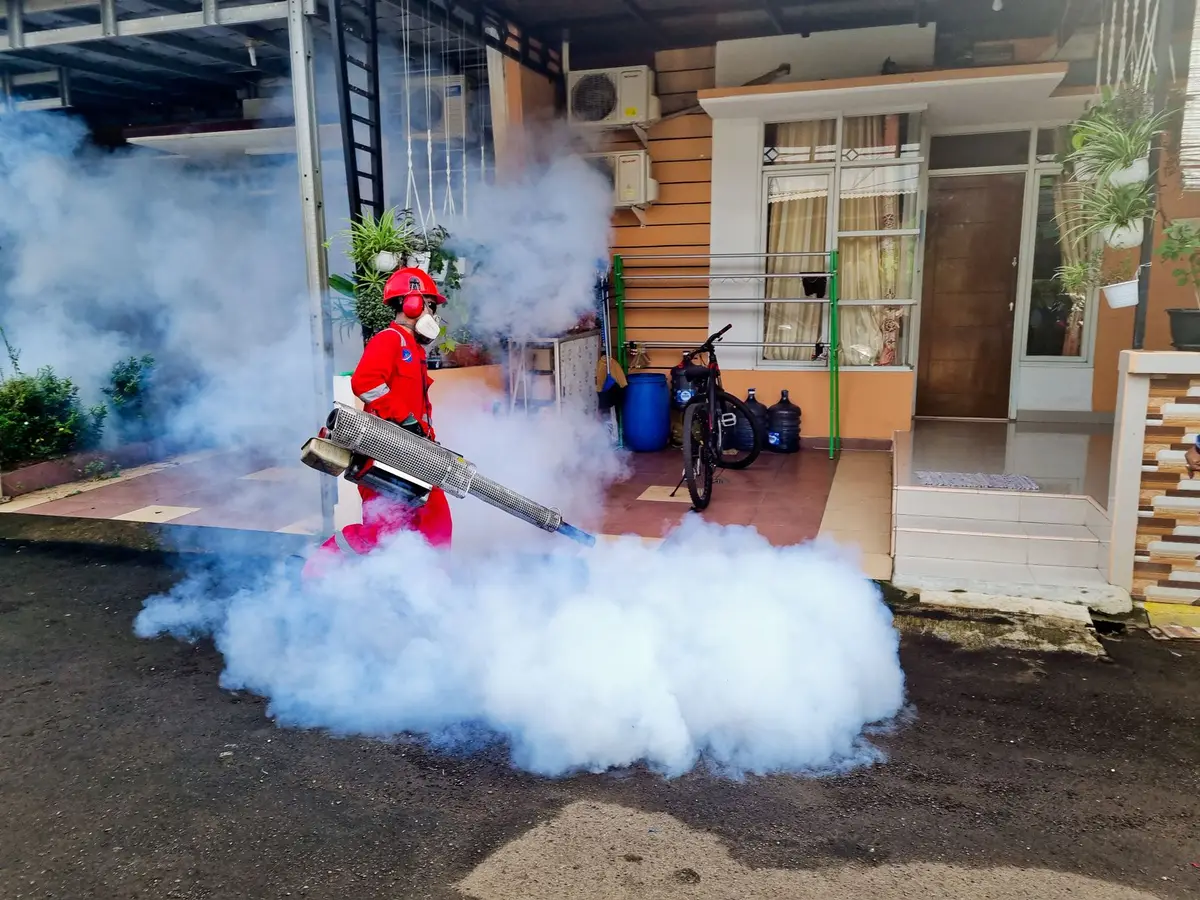
This is the point most uniform guides get wrong, and it matters legally. In pest control, personal protective equipment is dictated by the pesticide label — the EPA-approved label on each product states the minimum PPE for handling it, from long sleeves and chemical-resistant gloves up to coveralls and respirators, and following the label is federal law. Your company shirt is branding and everyday coverage; it is not a substitute for what the label requires.
The practical design consequence: build the uniform to work under PPE. A breathable long-sleeve base layer plays well under disposable coveralls in July; a bulky hoodie doesn't. Long sleeves as the default field option earn their keep twice — incidental splash and sun on route days, and a smoother layer when the coveralls go on. And when the gloves-and-respirator work is done and the gear comes off, the logo shirt underneath is what the customer sees again at the door. That choreography — PPE for the product, brand for the person — is the whole trick.
Long sleeves, gloves, and the everyday minimum
Many general-use products call for nothing more exotic than a long-sleeved shirt, long pants, shoes, and socks — which means on many routes, the uniform itself is doing double duty as the label-minimum layer. That's a real reason to issue proper long-sleeve work shirts rather than leaving techs to grab whatever's clean. If the shirt is the PPE floor, the company should be the one providing it.
Fabric and color: built for attics in August
A pest tech's day is crawlspaces, attics, garages, and yard perimeters, often in serious heat. Moisture-wicking poly or poly-cotton blends are the right call — they dry fast between stops and survive constant washing. Skip heavy cotton for field techs; it soaks and stays soaked. Look for snag resistance (block walls and attic framing eat cheap knits) and consider a soil-release finish, the same feature we recommend for mechanic shirts, because route work leaves marks.
On color, the industry consensus is right: dark greens, navy, charcoal, and khaki hide the workday and photograph well next to a wrapped truck. Bright brand colors work too — a few national franchises have made a signature color the entire brand — just accept a faster replacement cycle in exchange for the recognition. What you want to avoid is white and pale gray below the elbows; no one stays pale-gray-clean through an attic.
One honest caution that echoes our plumbing shirts guide: concentrated chemicals will eventually win against any fabric. Treat field shirts as consumables with a planned replacement cycle — say, refreshed each season — rather than heirlooms. A faded, stained logo shirt undoes the exact trust the uniform exists to build.
Branding the uniform: the door, the yard, the truck
Think about the three places the shirt is seen. At the door, the embroidered left-chest logo and the tech's first name do the work — *Hi, I'm Marcus with your quarterly service* lands differently when the shirt agrees. In the yard, a neighbor watching a tech treat the perimeter reads the back print — company name and phone number, big and plain, because lawn-adjacent pest work is watched by more neighbors than any other trade. Next to the truck, consistency is the multiplier: shirt colors and logo matching the vehicle wrap makes the whole operation look bigger than it is.
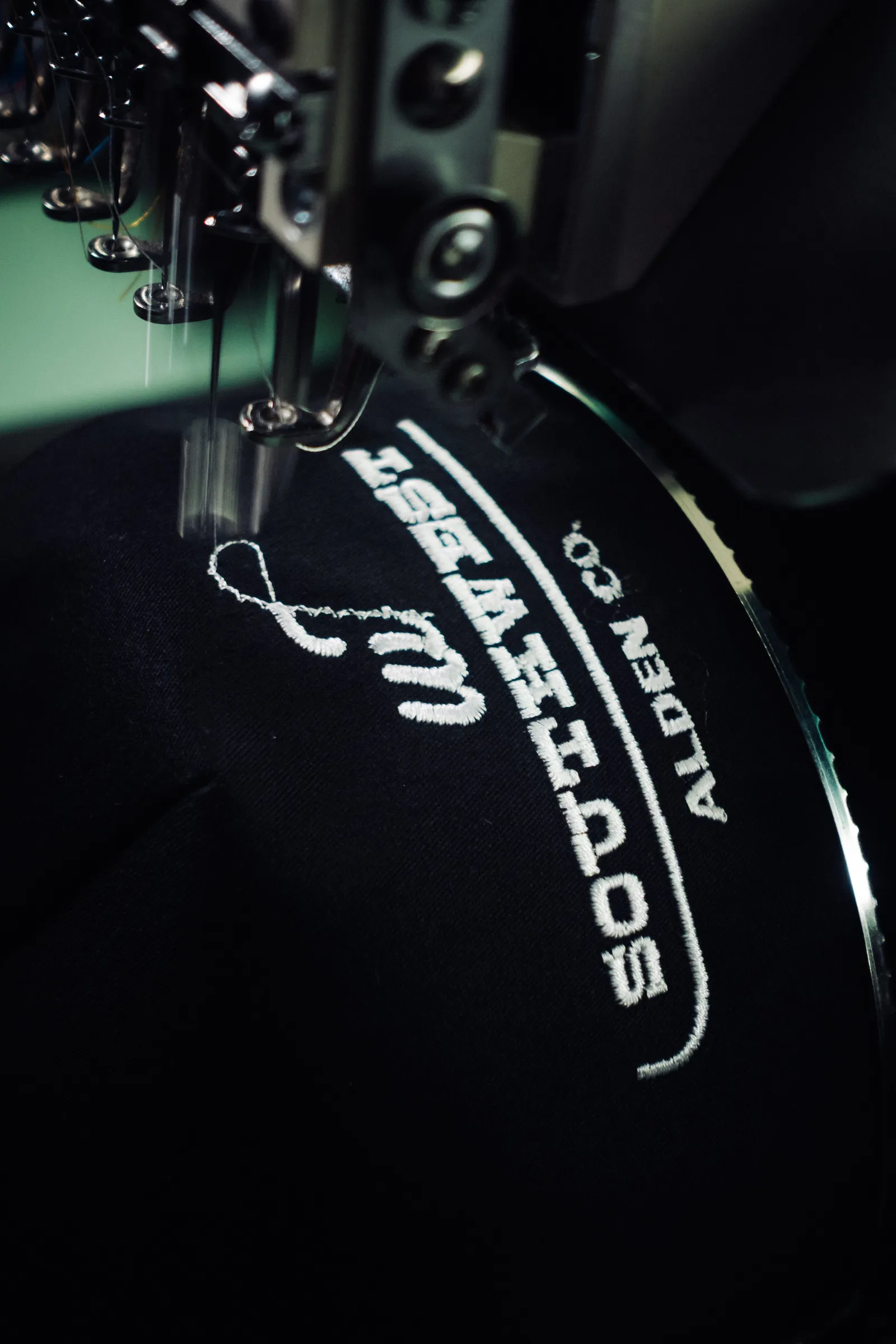
Add your license number under the back print — pest control is a licensed trade and customers increasingly check — and put decoration where it survives: embroidery for chest logos and names on polos and work shirts, screen printing for tee runs and big backs, DTF for full-color logos and the performance fabrics field techs prefer. Skip iron-on vinyl; between chemicals, sun, and hot washes, it peels first.
The benefits, in business terms
If you're weighing whether uniforms are worth the line item, the returns stack up fast. Trust at the door — identifiable techs get let in without the hesitation that makes visits awkward, which matters double for recurring quarterly service built on the same tech showing up. Free local advertising — a tech doing a visible perimeter treatment is a live billboard on every route stop, and the phone number on their back is readable from the sidewalk. Team and retention — issued gear on day one makes a job feel like a career, which counts in a trade that staffs up every summer; pest control is a solid, steady occupation that competes with every other trade for the same workers. And safety, since the issued long-sleeve uniform is often the label-minimum layer itself.
For a multi-branch or franchise operation there's one more: consistency is the product. A customer who sees the same uniform in two cities trusts the second branch on sight. Central control of garments, colors, and logo placement is how that happens — which is the next section.
Keeping the crew stocked through hiring season
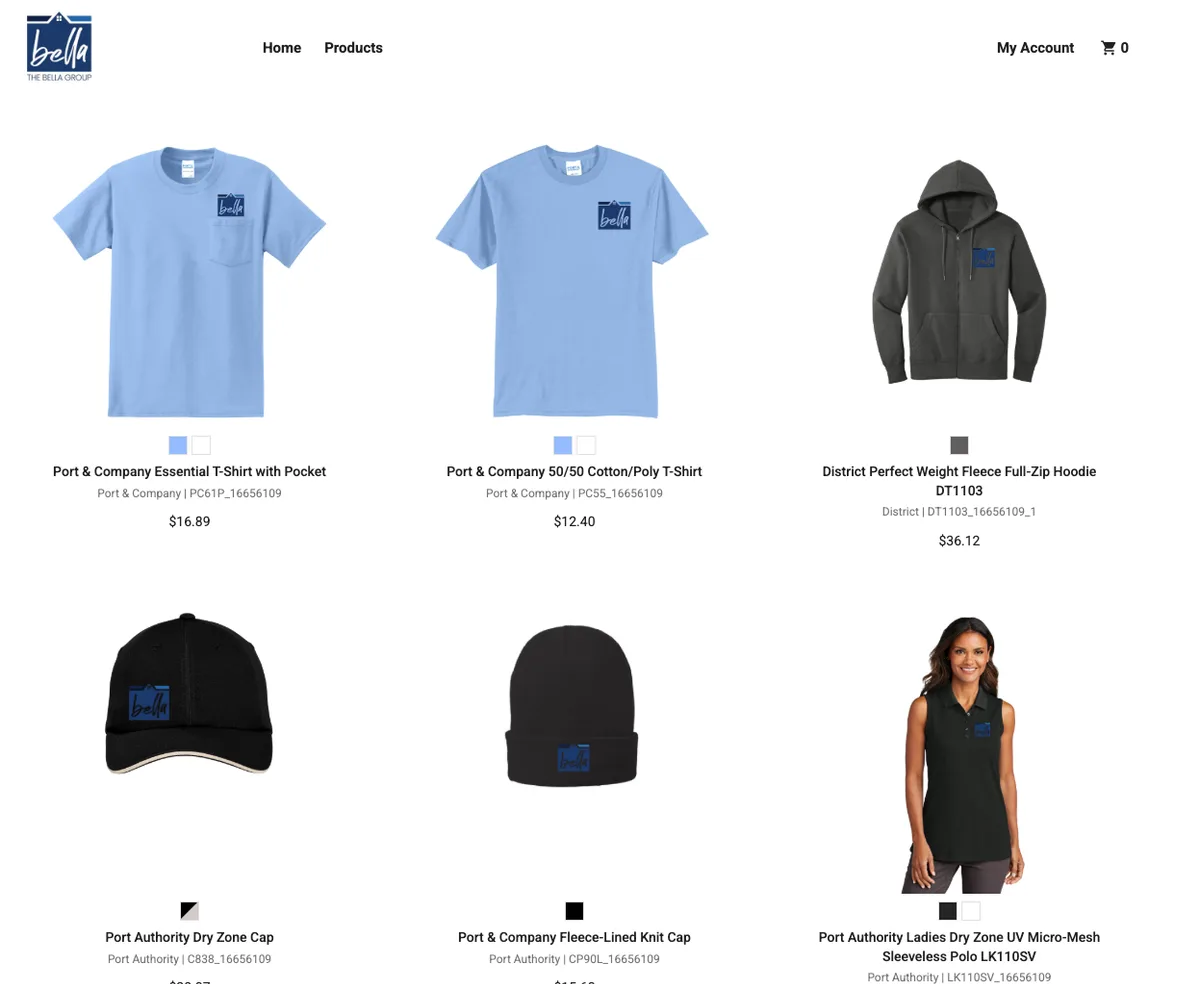
Pest control hiring is seasonal — routes swell in spring and summer, and every new tech needs a full kit *this week*, not after the next bulk order. The fix is the same online company store structure we build for other route-based trades: approved garments, logo, name format, and per-role kits loaded once; new techs order their sizes from a link with no minimum; worn-out pieces get replaced the same way; billing runs centrally or against a per-tech allowance. Set a seasonal refresh and the whole crew starts busy season in crisp gear automatically.
For a one-time run, minimums are screen printing at 48 pieces, embroidery at 24, and DTF at 12. If you want the formal version — initial allotment, annual refresh, sizes kept on file — that's a uniform program, and the setup guide covers the policy side. Renting is the other road, and our honest uniform rental comparison explains why most pest companies end up preferring to own.
Pest control uniforms from Heart & Hook
We outfit pest control, cleaning, HVAC, and other route-service crews across Arizona and ship anywhere — embroidered polos and long-sleeves, printed tees, hats, quarter-zips, and hi-vis, decorated in our own Mesa shop. Low minimums, an online store for the summer surge, and a straight answer on which fabrics will actually survive your routes.
Send your logo, your headcount, and what your techs are wearing now, and we'll come back with a free mockup and a clear quote — per-role kits and the store option included. Just tell us about your operation!
Frequently asked questions
- What do pest control technicians wear?
- Most wear a company polo or long-sleeve work shirt in a dark or brand color with an embroidered logo and first name, durable work pants, and boots. EPA-required protective gear — gloves, coveralls, respirators — is layered on top when a specific product's label calls for it.
- What are the benefits of pest control uniforms?
- Trust at the door, since identifiable techs get let into homes without hesitation; free local advertising from the back print on every route stop; better team feel and retention in a seasonal-hiring trade; and safety, because a proper long-sleeve uniform is often the label-minimum protective layer itself.
- Is a pest control uniform the same as PPE?
- No. PPE in pest control is dictated by each pesticide's EPA-approved label — from long sleeves and chemical-resistant gloves up to coveralls and respirators — and following the label is federal law. The company uniform is branding and everyday coverage, designed to work under the PPE.
- What color should pest control uniforms be?
- Dark greens, navy, charcoal, and khaki hide a route day and match well with vehicle wraps. Bright signature colors build recognition but need a faster replacement cycle. Avoid white and pale gray — attics and crawlspaces win that fight immediately.
- What fabric is best for pest control shirts?
- Moisture-wicking polyester or poly-cotton blends that dry fast between stops and survive constant washing, ideally with snag resistance and a soil-release finish. Heavy cotton soaks and stays wet, which is miserable in attic-and-crawlspace work.
- Should pest control uniforms have the tech's name on them?
- Yes — an embroidered first name next to the chest logo. The tech introduces themselves at the door of someone's home on every stop, and the shirt agreeing with the introduction is a genuine trust-builder for recurring service.
- Why do pest control techs wear long sleeves?
- Many general-use product labels set long sleeves, long pants, shoes, and socks as the minimum protective clothing, so a long-sleeve uniform shirt often is the required layer. Long sleeves also handle incidental splash, sun on route days, and layering under coveralls.
- How do pest control companies handle uniforms for summer hiring?
- With an online company store: approved garments, logo, and kits stay loaded, and each new tech orders their sizes from a link with no minimum the week they start. Replacements work the same way, and billing runs centrally or against a per-tech allowance.
- What is the minimum order for pest control uniforms?
- For a one-time run, screen printing starts at 48 pieces, embroidery at 24, and DTF at 12. Through an online company store there's no minimum at all, so one new hire can be outfitted immediately.
Need uniforms for your crew?
Tell us how many people need gear and what they wear on the job. We'll send a free logo mockup and a quote, and keep your logo on file so every reorder matches.
Get a free uniform quote